Scar Care Guide After Surgery in Turkey

Medically reviewed by the Acıbadem clinical team — June 12, 2026
If you are having surgery in Turkey, scar care is part of the recovery plan from day one, not something you think about later. This guide helps you protect your incision, reduce avoidable irritation, and stay on track with your follow-up care whether you are still in Turkey or back home.
At a glance
- Best time to start: As soon as your surgical team says the incision is ready
- Main goal: Support healing, reduce irritation, and lower the risk of thick or dark scars
- Common tools: Clean dressings, silicone products, sunscreen, and gentle moisturiser when approved
- Travel-friendly tip: Carry your discharge summary, wound-care instructions, and photos of the incision
- Follow-up support: Acibadem Health Point can help coordinate aftercare instructions and remote check-ins
- When to call for help: If redness, swelling, discharge, fever, or pain is getting worse
What scar care really means after surgery
Scar care starts with the incision itself. In the first days after surgery, your job is to keep the area clean, protected, and undisturbed so the wound can close properly. Once the skin has sealed, the focus shifts to helping the scar mature with less friction, less sun exposure, and less stretching.
That timeline matters because scars do not “finish” in a week or two. They change over months, and the way you care for them early on can influence how they look and feel later. A good plan is simple, consistent, and based on what your surgeon tells you about your own procedure.
At Acibadem Health Point, patients are usually given instructions that fit their surgery type, incision location, and travel plans. That is especially useful if you are flying home soon after treatment, because scar care needs to continue safely even after you leave Turkey.
The first phase: protecting the incision while it closes
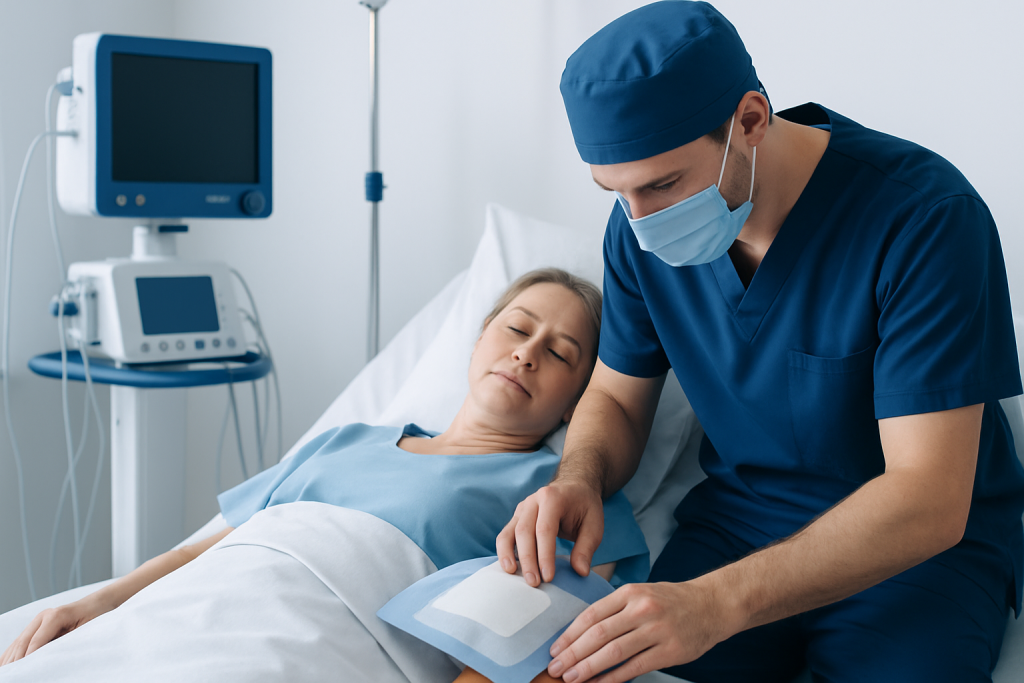
Before a scar becomes a scar, the incision has to heal shut. During this phase, do not use creams, oils, or home remedies unless your surgical team has approved them. Keep dressings dry unless you are told otherwise, and wash your hands before touching the area.
Avoid pulling, rubbing, or checking the wound too often. If the incision is in an area that bends or stretches, such as the abdomen, chest, shoulder, or joint area, be extra careful when standing up, reaching, coughing, or changing clothes. Small daily movements can place more stress on the skin than you expect.
If your team gives you specific instructions for cleaning or dressing changes, follow that schedule exactly. The point is not to make the wound “look better” quickly; it is to create the right conditions for healing so the scar has the best possible starting point.
What helps a scar settle down once the skin is closed

After the incision has fully closed, scar care becomes more active. Many teams recommend silicone gel or silicone sheets because they can help soften and flatten healing scars over time. These products should only be started when your clinician says the skin is ready.
Gentle moisturising may also be advised once the wound is closed and there are no open areas or scabs. Light massage can be helpful for some patients, but only after you are cleared to do it and only if the scar is not painful, inflamed, or fragile. Massage should never be forceful.
Sun protection is one of the most important steps. Fresh scars can darken more easily with UV exposure, so covering the area or using a high-SPF sunscreen on healed skin is often recommended. If your surgery leaves a visible scar, this habit can make a real difference over time.
- Use silicone only on closed skin, not open wounds
- Choose loose clothing that does not rub the incision
- Keep the scar out of direct sun whenever possible
- Ask before using any vitamin E, herbal product, or home remedy
How to reduce irritation in everyday life
Most scar problems are not caused by one big event. They often come from repeated small irritations: tight waistbands, rough fabrics, sleeping positions, hair removal, or forgetting sunscreen. The easiest way to protect your result is to make the area as low-friction as possible.
Think about your daily routine. If you are lifting luggage, carrying a child, driving long distances, or sitting for many hours on the way home, your incision may need extra support. Your care team may suggest avoiding certain activities for a period of time, especially if the surgery involved deeper tissue layers.
Some scars can feel itchy, firm, tingly, or slightly numb as they heal. That can be normal, but the pattern should gradually improve. If the area becomes increasingly red, hot, swollen, or painful, it is not something to “wait out” without checking in.
Travel, flights, and aftercare once you leave Turkey
International patients often leave Turkey while their body is still in the early part of recovery. That makes planning essential. Before you travel, make sure you understand what the incision should look like, when to change dressings, what symptoms need urgent attention, and when your next review is due.
Keep your discharge papers in your hand luggage, not packed away in a suitcase. If you have a long flight, stand up and move when your team says it is safe, wear comfortable clothing, and avoid anything that presses directly on the healing site. If you are worried about swelling or discomfort during travel, ask your team how to manage it before departure.
Acibadem Health Point supports patients with interpreter access, discharge coordination, and practical follow-up planning so you can continue scar care at home with less guesswork. If you need to show a local doctor what was done, having a clear summary in English can save time and confusion.
When a scar needs a closer look
Not every change means trouble, but some signs should be reviewed promptly. New or worsening redness, yellow or green discharge, a bad smell, a fever, opening of the incision, or pain that gets worse instead of better all deserve medical attention.
You should also contact your team if the scar becomes very raised, very tight, or starts limiting movement more than expected. Some people develop hypertrophic or keloid scars, especially if they have a personal or family history of thicker scarring, and early advice can help you decide on the next step.
Do not try to squeeze, cut, scrape, or “clean up” a concerning scar yourself. When in doubt, send a photo through the follow-up channel your team has provided and ask whether you should be examined in person.
Building a realistic scar-care routine you can actually keep
The best scar-care routine is the one you can follow consistently after surgery and after you fly home. A simple routine is easier to maintain than a long list of products you only use for a few days. Stick to the basics first: cleanliness, protection, sun safety, and the specific products your surgeon approved.
It can help to set reminders on your phone for dressing changes, silicone use, and follow-up photos. Many patients also find it useful to take one well-lit photo of the incision every few days, so they can compare changes over time rather than relying on memory.
If you are recovering with Acibadem Health Point, the international patient team can help translate instructions into practical next steps, especially if your home routine, climate, or travel schedule is different from what you had in Turkey. That kind of support makes aftercare feel less fragmented and more manageable.
Step by step
- Confirm when the incision is ready for scar products. Do not start silicone, massage, or moisturiser until your surgeon says the skin is fully closed. If you are unsure, ask before applying anything. Starting too early can irritate the wound and slow healing.
- Keep the area clean and protected. Follow your dressing and cleaning instructions exactly, especially in the first days. Wash your hands before touching the incision and avoid tight clothing or straps that rub the area.
- Use sun protection once the skin has healed. Fresh scars can darken with sun exposure, even through short exposure periods. Cover the area or use sunscreen on healed skin if your team recommends it.
- Track changes with photos and notes. A photo every few days can help you notice whether the scar is settling normally. Write down any new itching, redness, drainage, or pain so you can report it clearly.
- Plan follow-up before you travel home. Make sure you know who to contact, how to send photos, and when your review should happen. If you are returning to another country, arrange this before you leave Turkey so you do not lose momentum.
- Ask early if the scar looks unusual. A scar that is getting more painful, red, swollen, or open should be checked sooner rather than later. Early advice is better than trying multiple products on your own.
Your checklist
- Discharge summary packed in your hand luggage
- Wound-care instructions saved on your phone
- Follow-up contact details written down
- Approved dressings and silicone products ready
- Loose clothing that will not rub the incision
- High-SPF sunscreen for healed skin
- A small mirror or phone camera for checking hard-to-see areas
- Planned flight or car travel with movement breaks if allowed
- Interpreter or translator arranged if needed
Key takeaways
- Scar care begins with incision protection, then moves to scar management once the skin is closed.
- Sun protection, low friction, and consistency matter more than using many products.
- Travel plans should include wound instructions, follow-up contact details, and a way to share photos.
- Any worsening redness, discharge, fever, or opening of the incision should be reviewed promptly.
- Acibadem Health Point can help international patients coordinate aftercare across borders, including interpreter support and follow-up planning.
Frequently asked questions
When should I start treating my surgical scar?
Usually, scar treatment starts only after the incision has fully closed and your surgeon says it is safe. Before that, the priority is protecting the wound and preventing irritation. Starting products too early can interfere with healing.
Is silicone gel or silicone sheets always necessary?
Not always, but many clinicians recommend them for certain scars because they can help improve scar texture over time. The right product depends on your surgery, skin type, and how the incision is healing. Ask your team before buying anything yourself.
Can I use oils, vitamin E, or home remedies on the scar?
Not unless your medical team specifically approves them. Some products can irritate healing skin or delay proper closure. It is safer to use only what was recommended in your discharge plan.
What should I do if I am flying home soon after surgery?
Make sure you leave with clear wound-care instructions, medication guidance, and a contact route for follow-up. Keep your documents close, wear comfortable clothing, and avoid pressure on the incision during travel. If your team has given movement or lifting limits, follow them strictly.
How do I know if my scar is healing normally?
A healing scar often changes colour, feels a little firm, and may itch mildly before it softens. What matters is that these changes gradually improve rather than worsen. If the area becomes more red, hot, swollen, or painful, let your care team know.
What if I need help after I return to my home country?
Keep your follow-up plan, photos, and discharge summary accessible so another clinician can review them if needed. Acibadem Health Point can help coordinate remote communication and make it easier to share the information your local doctor may need.
More Patient Guides

Nachsorge, die Sie zu Hause selbst durchführen können: Welche Behandlungen erfordern eine persönliche Nachkontrolle?
Erfahren Sie, welche Nachsorge zu Hause möglich ist, welche persönlich kontrolliert werden muss und wie Sie auch nach der Reise mit Ihrem…

Aktivitätsgrenzen nach der Behandlung: Was Patienten vermeiden sollten
Erfahren Sie, welche Aktivitäten Sie nach der Behandlung vermeiden sollten, wann Sie sich ausruhen sollten und wie Sie mit klaren, praktischen Nachsorgehinweisen…

Follow-Up Testing and Scan Schedule After Treatment
Know when follow-up tests, scans, and check-ins matter after treatment, especially if you’re returning home and coordinating care abroad.
8 min read