Planning Meals and Daily Routines for a Patient Companion

Medically reviewed by the Acıbadem clinical team — June 12, 2026
If you are travelling with a loved one for treatment, your own routine matters more than you might expect. A simple plan for meals, rest, and daily tasks can help you stay steady, support the patient well, and avoid last-minute stress.
At a glance
- Best for: Family members or friends accompanying a patient during travel, treatment, or recovery
- Main goal: Keep daily life predictable so you can support the patient without burning out
- Typical focus: Meals, hydration, sleep, transport, communication, and small practical tasks
- When to prepare: Before travel, then adjust once you know the treatment schedule
- Help available: Acibadem Health Point international patient services, interpreters, and travel/accommodation support
Why a companion routine makes the whole trip feel less heavy
When you travel for medical care, the patient is not the only person whose day changes. As a companion, you may be navigating early appointments, unfamiliar food, new transport routes, translation needs, and long waiting periods all at once. A clear daily routine gives you something reliable to lean on when everything else feels unfamiliar.
That routine does not need to be strict. In fact, it works best when it is simple: know when you will eat, where you will rest, how you will get to the hospital, and who you can contact if plans change. Small decisions made in advance leave you with more energy for the patient, especially on days that are medically busy or emotionally draining.
At Acibadem Health Point, international patient services can help you organize the practical side of the visit, from appointments to interpreter support and accommodation guidance. That kind of coordination matters because companion stress often comes from uncertainty, not from the workload itself.
Building a meal plan that fits hospital days, not just normal days
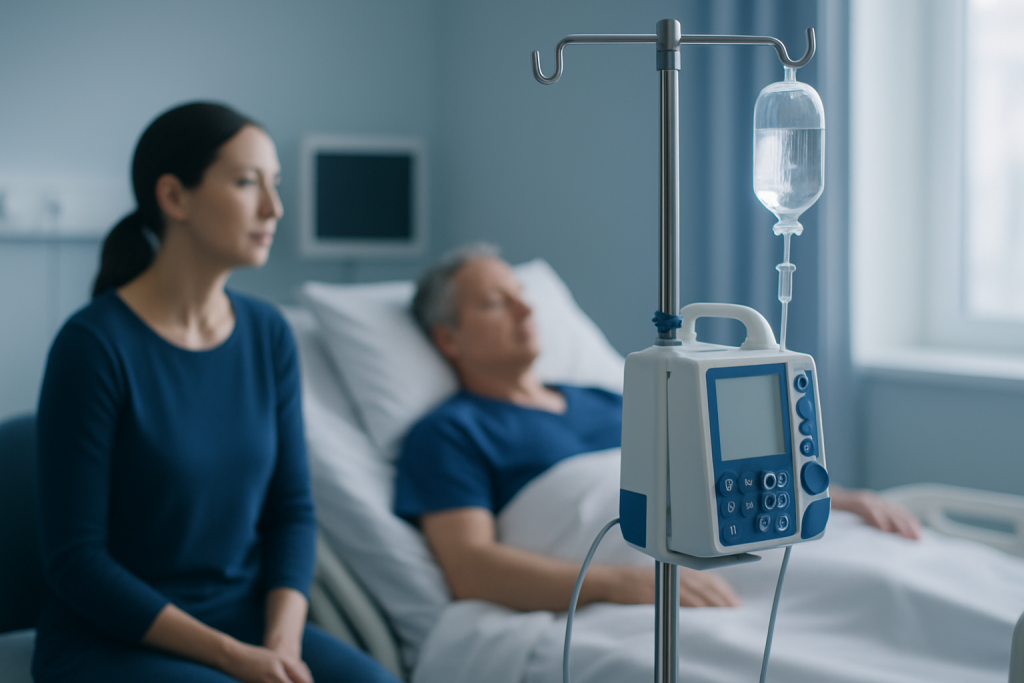
Meal planning for a companion is less about perfect nutrition and more about keeping your energy stable. Start with the treatment schedule: a day with a long procedure, fasting instructions, or multiple consultations will call for different planning than a quiet follow-up visit. If you know you may be away from your hotel or the hospital longer than expected, carry a few easy snacks and a water bottle.
Choose foods that are easy to digest, simple to carry, and realistic for your schedule. Many companions do well with combinations such as fruit, yogurt, nuts, sandwiches, soup, or plain rice-based meals, depending on what is available and what suits their own needs. If the patient has dietary restrictions, keep their meals separate from yours so there is no confusion, especially when translators or staff are coordinating care across languages.
If the patient is recovering from treatment, ask the care team whether there are any household or travel diet rules you should know about. You do not need to guess. A short conversation can help you avoid bringing food that smells too strong, is hard to tolerate, or is not appropriate for the patient’s current plan.
- Keep one bottle of water with you at all times.
- Pack a small snack bag before each hospital day.
- Save the hospital cafeteria or nearby options in your phone.
- Ask in advance if fasting or special meal timing is expected.
How to shape the day so you can support without running on empty

A good companion routine has three anchors: morning preparation, midday reset, and evening wind-down. In the morning, review the appointment time, travel route, documents, and any instructions about food or medications. Midday, use any waiting time to eat, hydrate, make calls, and check messages rather than trying to solve everything at once. In the evening, give yourself a short reset so you are not carrying the whole day into the night.
Sleep is often the first thing companions sacrifice, but it is also one of the first things that breaks down patience and decision-making. If possible, protect a regular sleep window, even if the patient’s appointments move around. If you are staying in a hotel near the hospital, ask for the quietest possible room and keep a charger, water, tissues, and any medications you need by the bed.
You may also need to plan for moments when the patient is resting but you cannot fully switch off. Those gaps are ideal for basic tasks: confirming the next day’s transport, checking the clinic timing, updating family members, or preparing the next meal. The goal is not to fill every minute. It is to keep the day from becoming chaotic.
What to keep in your bag, hotel room, and phone
The easiest companion days are often the ones with fewer forgotten items. Make a short list for your bag: passport, copies of key documents, phone charger, power bank, water, light snacks, any personal medication, and a notebook for questions or instructions. If you are helping the patient with paperwork or translation, keep a pen and a folder for forms and reports.
In your hotel room, create a small “ready corner” so you do not have to search for essentials each morning. A clean surface for documents, a visible charging point, and a place to put the next day’s clothes can save surprising amounts of time. If the patient may need early transport, prepare both your own bag and theirs the night before.
Your phone should do some of the organizational work for you. Save important contacts, set alarms for appointments, and keep address details written down in case internet access is unreliable. If you are using interpreter or coordination support through Acibadem Health Point, keep those contact details easy to find so you can reach them quickly when plans shift.
Managing energy, emotions, and the pressure to stay “on”
Many companions feel they need to be alert, positive, and available all day. That is understandable, but it is not sustainable. Caring well usually looks quieter than that: drinking water, sitting down when you can, asking for clarification, and taking breaks before you feel completely drained.
It can help to name your own limits early. If you are prone to headaches, low blood sugar, anxiety, or fatigue, plan around those needs instead of pretending they will disappear. Let the patient know when you need a five-minute pause, and if the care team is explaining something complex, ask them to repeat or slow down rather than nodding through confusion.
If emotions feel intense, especially after appointments or during waiting periods, build a brief reset into the day. A walk outside, a quiet coffee, a call home, or even ten minutes of sitting without checking your phone can lower the pressure. Support is easier to give when you are not trying to ignore your own exhaustion.
Using local support so you do not have to solve every detail alone
International treatment trips often work best when the companion does not carry every practical task alone. Acibadem Health Point can help coordinate parts of the journey that commonly create strain, such as airport transfers, hotel arrangements, appointment timing, and interpreter support. That can reduce the amount of improvising you need to do after arrival.
If a language barrier makes meal ordering, transport, or discharge instructions feel difficult, ask for help early rather than waiting until you are tired. Clear communication matters most when plans change, because the companion is often the person holding together the practical side of the day. A good support system makes that job much more manageable.
Once you know what help is available, you can build your daily routine around it. For example, you might schedule meals after appointments, use interpreter support for key discussions, and leave transport confirmation to a set time each evening. That structure keeps the trip organized without making you feel tied to your phone all day.
After discharge or follow-up, shift from hospital pace to home routine
The companion role usually changes when the patient is discharged or moves into follow-up care. You may no longer need to be ready for rapid schedule changes, but you may need to manage rest, medication timing, wound care reminders, or return travel. This is the moment to simplify rather than add more tasks.
Before you leave, make sure you understand any instructions you are expected to help with once you are back in the hotel or home country. Ask which symptoms should prompt a call, how to store medications, and whether there are any movement, diet, or activity limits. If anything is unclear, ask again before travel rather than trying to interpret it later from memory.
For many international patients and companions, follow-up support remains important after leaving Turkey. Keeping discharge papers, contact details, and a simple home routine in one place makes later communication easier. The calmer the handover, the easier it is to turn a treatment trip into a manageable recovery period.
Step by step
- Map the day before you arrive. Look at the appointment schedule, expected travel time, and any fasting or rest instructions. This lets you plan meals and breaks around the treatment day instead of reacting to it.
- Pack for comfort, not just emergencies. Bring water, snacks, chargers, medication, documents, and one or two items that make waiting easier. If you need to translate or record instructions, keep a notebook and pen in the same place every day.
- Set two fixed check-in points. Choose one time in the morning and one in the evening to review appointments, transport, and messages. Fixed check-ins reduce repeated phone calls and help you feel more in control.
- Protect your own meals and sleep. Do not wait until you are exhausted or hungry to eat. A companion who eats and sleeps regularly usually has more patience, clearer thinking, and better stamina.
- Use the care team for clarity, not just emergencies. Ask questions about schedules, dietary instructions, or discharge planning as soon as they come up. Acibadem Health Point’s international patient services can help you coordinate details that are easy to miss when you are traveling.
- Keep a simple recovery handover ready. Before discharge, gather instructions, contacts, and medication details in one folder or digital note. That makes the move from hospital routine to hotel or home routine much smoother.
Your checklist
- Passport, travel documents, and copies of key medical papers
- Chargers, power bank, and any needed plug adapters
- Water bottle and easy-to-carry snacks
- Personal medications and a small first-aid kit if appropriate
- Notebook, pen, and a folder for instructions or reports
- List of hospital, interpreter, hotel, and transport contacts
- Comfortable shoes and one extra layer for long waiting periods
- Basic toiletries and a change of clothes for longer appointment days
- Any dietary notes for you or the patient
- A simple daily plan with appointment times and rest breaks
Key takeaways
- Companion routines work best when they are simple, repeatable, and flexible.
- Meal planning should follow the treatment schedule, not the other way around.
- Your own sleep, hydration, and breaks directly affect how well you can support the patient.
- Keep documents, contacts, and daily essentials together so you can move quickly.
- Interpreter and coordination support can reduce confusion during appointments and discharge planning.
- A calm handover at the end of the trip makes recovery easier for everyone.
Frequently asked questions
How much should I plan meals in advance as a companion?
Plan enough to avoid being caught hungry or rushed, but not so much that the schedule becomes stressful. For most days, it helps to know where you will eat, what snacks you have, and whether the patient’s appointments affect your timing. If treatment instructions change, adjust the plan rather than forcing the original one.
What if the patient’s appointments run late and I miss meals?
Keep a small backup snack and water with you so you are not relying entirely on cafe or hospital timing. If the schedule becomes unpredictable, it is worth asking the team or the international patient services contact whether there is a better window for breaks. A missed meal once in a while is manageable; repeated skipped meals will make the whole trip harder.
Should I eat the same foods as the patient?
Not necessarily. Unless the care team has asked both of you to follow a specific diet, your meals can be based on your own needs and tolerances. It is usually best to keep your food separate from the patient’s unless there is a clear reason to share the same plan.
How do I stay organized if I do not speak Turkish?
Use written notes, saved phone contacts, and simple daily check-ins so important details are not lost in conversation. Acibadem Health Point can help with interpreter support, which is especially useful for appointment times, instructions, and discharge paperwork. If something is unclear, ask for it to be repeated slowly or written down.
What should I do on the first day after arrival?
Do not try to solve the whole trip at once. Focus on essentials: confirm the next appointment, check your route, find food and water, and set up your room so the next morning is easier. A short first-day routine usually prevents the feeling of being overwhelmed later.
How can I support the patient without becoming overinvolved?
The best support is practical and calm: help with transport, meals, messages, and remembering instructions, while leaving clinical decisions to the care team. If the patient needs space, give it; if they need help, be ready with the basics. Clear roles make the journey less tiring for both of you.
More Patient Guides

Nach dem Eingriff: Wie Familien unterstützen können, ohne zu übernehmen
Erfahren Sie, wie Sie nach einem Eingriff helfen können, ohne zu übernehmen – mit praktischen Tipps zu Ruhe, Medikamenten, Besuchen, Nachsorge und…

How to Coordinate Child Care While Traveling for Treatment
Plan child care before you travel for treatment with practical tips on routines, backups, documents, and support from Acibadem Health Point.
8 min read
Packing Checklist for Patients and Companions
Pack smarter for treatment travel with a practical checklist for patients and companions, plus documents, comfort items, and arrival tips.
7 min read