

Back Home, Still Healing: How Remote Follow-Up Works After Treatment in Turkey

Medically reviewed by the Acıbadem clinical team — June 13, 2026
Going home does not mean your care stops. If you’ve had treatment in Turkey, remote follow-up can help you stay on track with recovery, clarify next steps, and keep your local doctor informed. This guide explains how post-treatment support usually works, what to prepare, and how Acibadem Health Point helps you manage care across borders.
At a glance
- Who this is for: International patients returning home after treatment in Turkey
- Main purpose: To keep your recovery plan organized once you are back in your own country
- Typical remote tools: Video calls, secure messaging, report sharing, and follow-up instructions
- Helpful records to keep: Discharge summary, test results, medication list, images, and appointment notes
- Best practice: Coordinate between your Acibadem team and your local healthcare provider
What remote follow-up really means once you’re home
Remote follow-up is the part of your care that continues after you leave Turkey. It is designed to help you stay connected to the team that treated you, while you recover in your own country and settle back into your routine.
For many international patients, this stage is less about “checking in” and more about keeping the plan practical. You may need help interpreting your discharge instructions, understanding which symptoms are expected, or deciding when to update your local doctor.
At Acibadem Health Point, the handover is usually built around clear communication: what was done, what happens next, what to watch for, and how to reach the team if something does not feel right. That structure matters when you are healing far from the hospital where you were treated.
Why the first week after travel deserves special attention
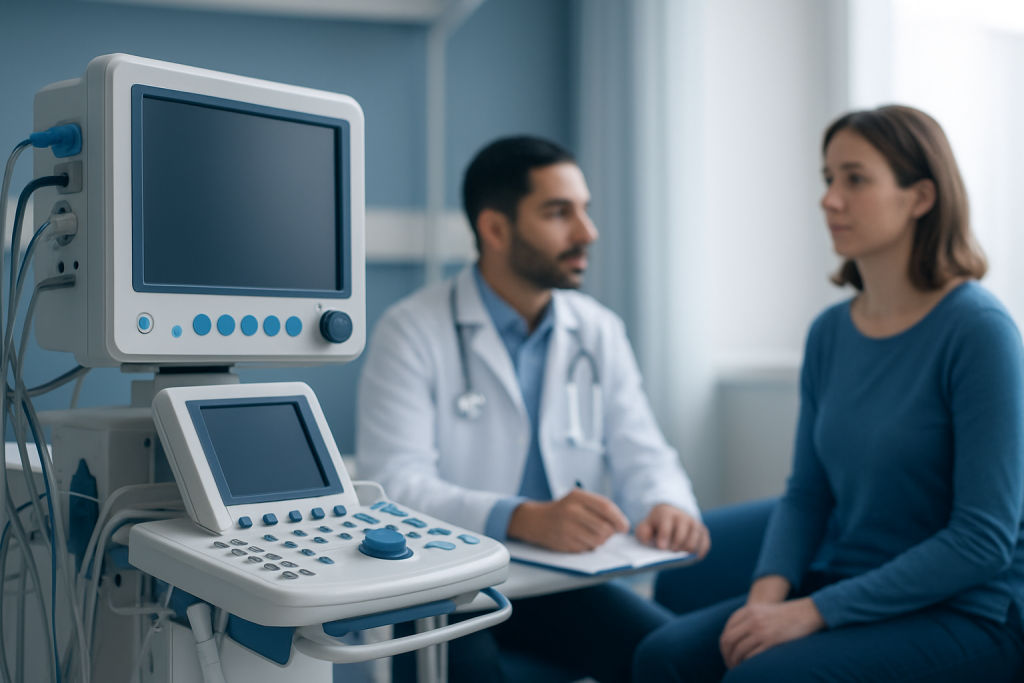
Many patients feel the return journey before they feel fully recovered. Travel can leave you tired, swollen, stiff, or simply overwhelmed by the amount of information you received at discharge. That is normal, and it is one reason the first few days at home deserve extra attention.
You may have medication schedules, wound care instructions, activity limits, follow-up imaging, or dietary guidance to manage all at once. When you are in a different time zone, even a small question can become frustrating if you do not know who to contact or what details to share.
A good remote follow-up plan anticipates those early hurdles. Acibadem Health Point international patient services can help organize the information you will need, and the clinical team can usually clarify which concerns are routine and which ones should prompt local medical attention.
What should be in your discharge pack before you leave Turkey

The most useful discharge pack is the one you can actually use after you get home. It should be simple, complete, and easy to access on your phone or in printed form. Before leaving, make sure you have the essential documents in a language you can understand well enough to share with another clinician if needed.
Most patients benefit from having:
- a discharge summary
- a list of medications, including dose and timing
- any wound care or mobility instructions
- results from key tests or procedures
- follow-up recommendations and warning signs
- contact details for the international patient team
If you think you may need ongoing care from a family doctor or specialist at home, ask for a version of your documents that is easy to pass on. Acibadem Health Point can help you identify what matters most so your records are not just complete, but useful.
How remote appointments usually work
Remote follow-up is often more straightforward than people expect. Depending on your treatment and your needs, you may be offered a video call, a phone review, secure messaging, or a document-based check-in where you share photos, test results, or progress notes.
These reviews are typically used to answer practical recovery questions: Is this level of discomfort expected? Can you travel again soon? Do you need a local examination or new tests? The goal is not to replace in-person care when it is necessary, but to reduce uncertainty and help you move through recovery safely.
Because every treatment is different, the schedule can vary. Some patients need only one short review after returning home; others need several touchpoints over weeks or months. Your Acibadem Health Point care coordinator can usually explain how often you should expect contact and what information to send before each review.
Working with your local doctor without losing the thread
One of the strongest ways to protect your recovery is to connect your Turkey-based treatment with care at home. If you have a general practitioner, local specialist, physiotherapist, or home nurse, share your discharge summary early instead of waiting until a problem appears.
This is especially helpful if you need prescription refills, dressing changes, blood tests, rehabilitation, or monitoring for a pre-existing condition. Your local clinician does not need every detail of the journey, but they do need the essential facts: what treatment you had, what medication you are taking, and what follow-up is recommended.
Acibadem Health Point can support this handoff by helping you organize documents and, where appropriate, guiding what should be shared. If you need an interpreter or a clearer explanation of the medical wording, that support can make the conversation much easier.
When something feels off at home
Not every new symptom is an emergency, but it is wise to know where your personal boundary lies. A sudden change in pain, fever, unusual swelling, redness, bleeding, breathing difficulty, or anything that feels sharply different from what you were told to expect should be taken seriously.
If you are unsure, gather your discharge papers and note exactly when the symptom started, how severe it is, and whether anything makes it better or worse. That information helps your care team assess the situation quickly, whether you are speaking with Acibadem Health Point remotely or contacting a doctor locally.
It is better to ask one extra question than to wait too long. Remote follow-up is there to reduce guesswork, but it works best when you use it early and clearly rather than only after you have become worried.
How Acibadem Health Point supports the aftercare journey
For many international patients, the hardest part is not the treatment itself but the handoff back into everyday life in another country. Acibadem Health Point is set up for that reality, with JCI-accredited hospitals, multidisciplinary specialist teams, and international patient services that help bridge the gap between discharge and recovery at home.
That may include interpreter support, help organizing travel back home, document preparation, and guidance on what to do if you need follow-up imaging or specialist review later. The aim is to keep the process calm and practical, so you are not left trying to decode your recovery alone.
When aftercare is well organized, you know who to contact, what to monitor, and how to share information efficiently. That can make a real difference in how confident you feel once the suitcase is unpacked and the routine starts again.
Step by step
- Before you leave Turkey, collect the essentials. Ask for your discharge summary, medication list, and any recovery instructions in a format you can easily use at home. Save them digitally and keep printed copies in your carry-on so they are available during travel.
- Clarify the follow-up schedule before discharge. Confirm whether you need a video review, lab work, imaging, or a local appointment after you return. Knowing the timing in advance helps you plan around flights, work, and family responsibilities.
- Identify your local point of care. Choose who will help you at home if you need a prescription refill, wound check, or additional tests. Share your key documents with that clinician early so they understand your treatment history.
- Track your recovery in simple notes. Write down symptoms, medication times, temperature if relevant, and any questions that arise. A short daily note can make remote reviews faster and more accurate.
- Use the agreed contact route for concerns. If the team gave you a specific email, portal, or coordinator, use that channel first. Include clear details and photos if requested, because that helps the team respond more efficiently.
- Do not ignore changes that feel significant. If your symptoms are getting worse instead of better, seek advice promptly rather than waiting for the next scheduled check-in. Remote follow-up is useful, but it should never delay urgent care when something needs immediate attention.
Your checklist
- Discharge summary saved on your phone and printed
- Medication list with dose, timing, and duration
- Instructions for wound care, activity, diet, or mobility
- Name and contact details of your local doctor or clinic
- Follow-up dates, time zones, and preferred contact method
- Any recent photos, scans, or test results
- Travel insurance or medical documents, if relevant
- Interpreter or language support contact saved
- Questions written down for your next review
Key takeaways
- Remote follow-up helps you stay connected to your care team after returning home.
- Your discharge summary and medication list are the core documents to keep.
- Local doctors can support recovery if you share the right information early.
- A clear symptom log makes virtual check-ins more useful.
- Acibadem Health Point can help coordinate aftercare, interpreters, and travel-related logistics.
- If symptoms change in a worrying way, seek advice promptly rather than waiting.
Frequently asked questions
How soon should I have a follow-up after I get home?
That depends on your treatment and how your recovery is progressing. Some patients need contact within days, while others are reviewed later after a test or scan. Before you leave Turkey, ask for the expected timing so you are not left guessing once you are home.
What if my time zone makes communication difficult?
It is common for international patients to be in a different time zone from the treatment team. The best approach is to confirm the preferred contact method and response window before discharge. Acibadem Health Point international patient services can help you understand how and when to reach the team.
Can my local doctor take over part of the follow-up?
Yes, often they can help with routine checks, prescriptions, dressings, blood tests, or referrals. The key is to give them the correct discharge documents so they know what was done and what should happen next. This works best when your Turkey-based team and local clinician are both informed.
What should I do if I lose my discharge papers?
Contact the hospital or international patient services as soon as possible to request copies. Keep digital backups whenever you can, because having the summary, medication list, and test results available can save time if you need care at home. Try to store them in more than one place before you travel.
Is a video review enough, or will I need to be seen in person?
That depends on the treatment and whether your recovery is moving as expected. Video reviews are useful for many routine questions, but they cannot replace an in-person exam if you have new symptoms, wound concerns, or a need for testing. Your team can help you decide which level of review is appropriate.
What if I am worried but not sure it is urgent?
Use your discharge instructions as the first guide and contact the team with a clear description of what has changed. Include when it started, how severe it is, and any photos if relevant. If you are still uncertain after that, it is safer to ask for medical advice sooner rather than later.
More Patient Guides

Preparing for Treatment in Turkey with Visual Impairment
Plan a smoother treatment trip to Turkey with practical accessibility tips, support options, packing advice, and aftercare planning.
8 min read
How to Arrange Mobility Equipment for Your Stay in Turkey
Plan mobility equipment before you travel to Turkey with a simple checklist for wheelchairs, walkers, beds, and hotel or airport support.
8 min read
Traveling to Turkey with a Disability: Patient Checklist
Plan a smoother medical trip to Turkey with a disability. Use this practical checklist for flights, mobility, medication, support, and recovery.
8 min readRelated Specialists

Dr. Safiye Sayilir
Physical Medicine & Rehabilitation
Dr. Özgün Barış Çolak
Physical Medicine & Rehabilitation
Prof. Dr. Meltem Vural
Physical Medicine & Rehabilitation
Prof. Dr. Meral Bayramoğlu
Physical Medicine & Rehabilitation