

How to Manage Swelling and Bruising During Recovery
Medically reviewed by the Acıbadem clinical team — June 12, 2026
Swelling and bruising are common parts of healing, especially in the first days and weeks after treatment. This guide helps you manage them safely at home, know what is typical, and understand when to contact your care team.
At a glance
- Most common timing: Usually strongest in the first 48–72 hours, then gradually eases
- What helps most: Cold packs, elevation, rest, and following your discharge instructions
- Normal changes: Colour changes in bruises and mild day-to-day swelling can be expected
- When to seek help: If swelling is sudden, one-sided, painful, or linked to fever, redness, or breathlessness
- International patient support: Acibadem Health Point can help with interpreters, follow-up planning, and travel coordination
What swelling and bruising are telling you
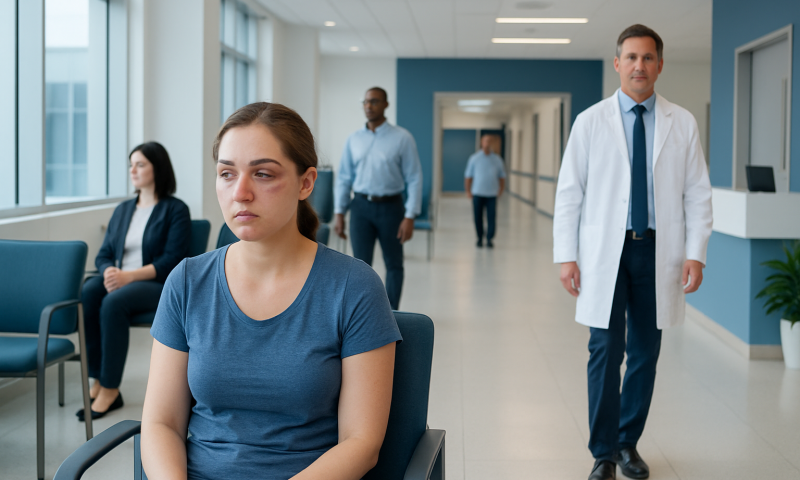
When you look in the mirror after a procedure, swelling and bruising can feel more dramatic than you expected. That does not always mean something is wrong. In many recovery paths, these are your body’s normal response to tissue handling, fluid shifts, and healing.
Swelling often feels tight, heavy, or puffy. Bruising can start as red or purple, then shift to blue, green, yellow, and brown as it fades. The exact pattern depends on the area treated, your activity level, and whether you had a surgical or non-surgical procedure.
At Acibadem Health Point, your discharge instructions should always be the first reference point. They are tailored to the treatment you received, and they may include specific advice on dressings, compression, movement, medication, and contact numbers for questions after you leave the hospital or return to your hotel.
What usually helps in the first few days
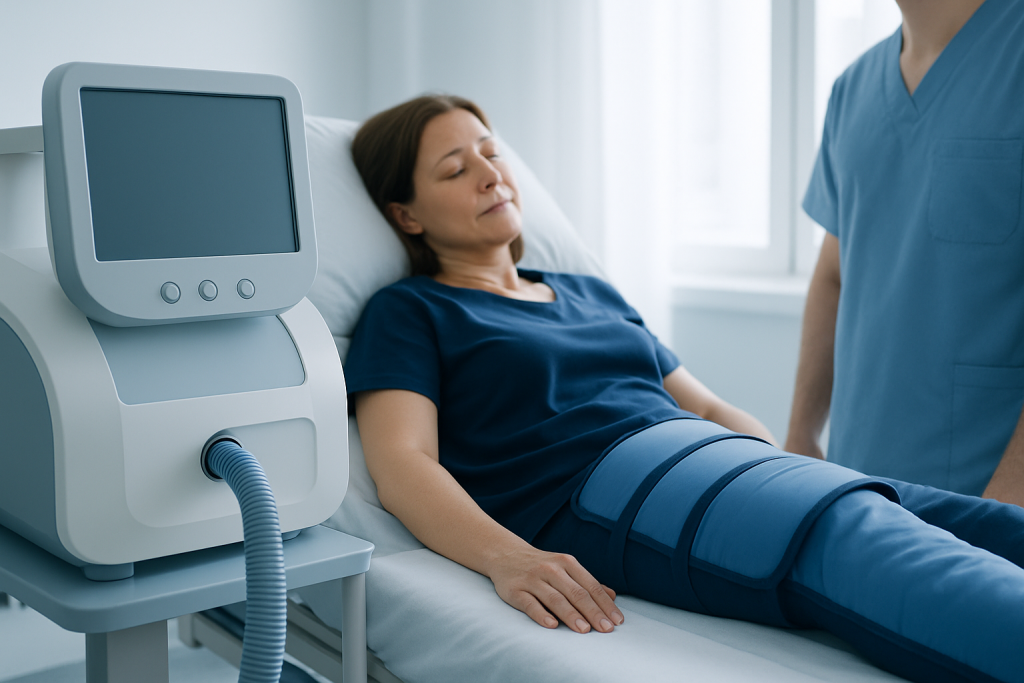
The early stage of recovery is often about reducing strain on the area while giving your body a steady, calm environment to heal. If your care team approves it, cold packs may help bring down swelling and ease discomfort. Use them exactly as instructed, with a cloth barrier and for the recommended amount of time.
Elevation can also make a noticeable difference, especially for arms, legs, or facial swelling after certain treatments. The general idea is simple: support the area so it is not hanging down for long periods. Even small changes, like adjusting your sleeping position or using extra pillows, can help.
Rest matters, but total inactivity is not always the goal. Many recovery plans encourage gentle movement to support circulation and reduce stiffness. The right balance depends on your procedure, so follow your surgeon or clinician’s guidance rather than guessing based on how you feel on a given day.
A few practical basics often help the whole process:
- Keep the area clean and dry if you have dressings or incisions.
- Take medicines only as prescribed or approved.
- Avoid heat, alcohol, smoking, and strenuous activity if you were told to do so.
- Do not massage swollen or bruised areas unless your team has clearly said it is safe.
How to make day-to-day swelling easier to live with
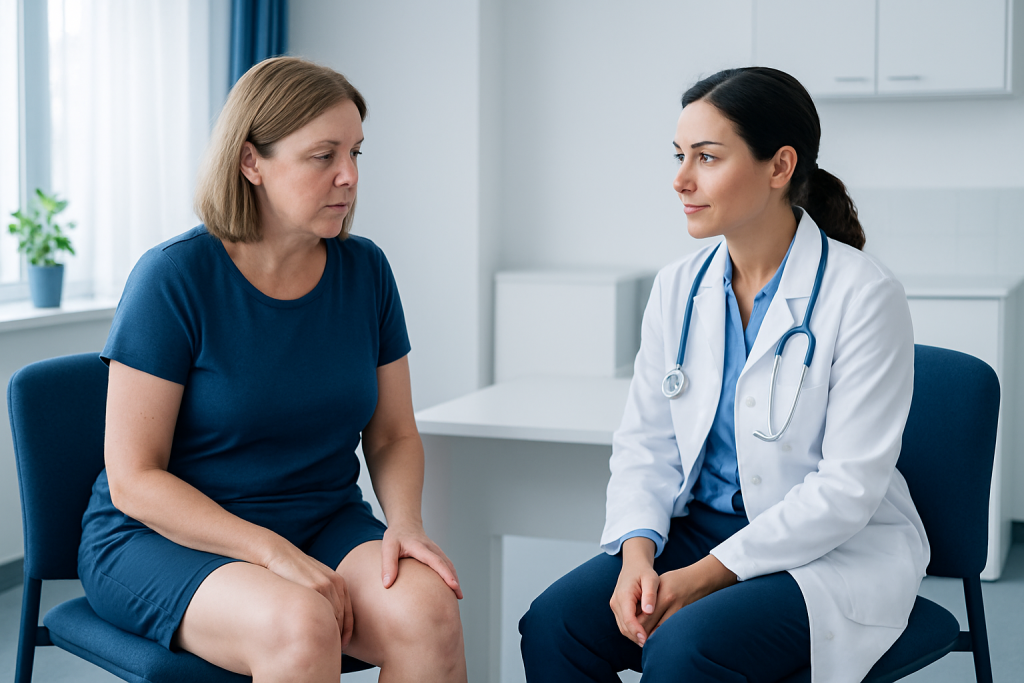
Recovery can be frustrating because swelling often changes from morning to evening. You may notice that you feel better after resting, then tighter or more puffy later in the day. This can be normal, especially when you have been upright, walking more, or speaking, eating, or using the treated area more than usual.
Plan your day in smaller pieces. Short walks, scheduled rest breaks, and avoiding long periods in one position can help you stay more comfortable. If you are recovering away from home, Acibadem Health Point’s international patient services can help you plan practical details such as hotel transfers, interpreter support, and follow-up appointments so you are not trying to organise everything while you are still healing.
Clothing and support items may matter too. Loose, non-irritating fabrics are usually easier on swollen areas, and compression garments can be helpful if they were prescribed. If something feels too tight, leaves deep marks, or causes new pain, contact your care team rather than trying to push through it.
Why bruises change colour and how long they can last
Bruising can look worrying at first, but the colour changes are part of normal breakdown and reabsorption of blood under the skin. The bruise may spread slightly before it improves, and gravity can affect where the colour shows up most clearly. In some people, bruises appear more dramatic than expected even when the recovery is progressing well.
The fading timeline varies. Some bruises settle quickly, while others linger for a few weeks, especially in areas with more movement or after deeper tissue work. You should expect slow improvement rather than day-to-day perfection.
If you are returning to another country before bruising has fully resolved, take photos before travel and keep a simple log of how the area is changing. That makes it easier to discuss your progress during a remote follow-up with your Acibadem Health Point team if you have questions later.
What is not typical and should be checked
It is important to know the difference between expected healing and warning signs. A bruise that gradually lightens is usually reassuring. A swelling pattern that suddenly worsens, becomes very painful, or affects breathing, mobility, or vision needs prompt medical attention.
Contact your care team urgently if you notice fever, increasing redness, warmth, pus, severe tenderness, chest pain, shortness of breath, fainting, or one leg becoming much more swollen than the other. These symptoms do not always mean a serious complication, but they should be assessed quickly.
If you are outside Turkey when a concern comes up, contact the discharge number or patient coordinator you were given. Acibadem Health Point’s international patient team can help you understand whether you need local emergency care, a teleconsultation, or a planned review with your treating team.
Planning recovery when you are far from home
International recovery is easier when your aftercare is organised before you leave the hospital. Make sure you know which medicines to continue, which activities to avoid, when you can shower, and what level of swelling or bruising is expected for your specific treatment. Clear instructions reduce unnecessary worry once you are back in your hotel or on your flight home.
If you need to travel soon after treatment, ask about positioning, compression, mobility breaks, and whether you should delay your journey. Long journeys can affect swelling, so your plan may need adjustments for flights, car transfers, or long sitting periods. The safest approach is the one your care team confirms for your situation.
Acibadem Health Point’s multilingual support and coordinated follow-up are especially useful here. When you can communicate clearly and know who to contact, it becomes much easier to manage a normal recovery pattern without turning every small change into a crisis.
Step by step
- Follow your discharge instructions first. Use the instructions you were given for your exact procedure, including medication, dressings, compression, and activity limits. Generic advice is not a substitute for a plan made for your treatment.
- Use cold packs only if approved. Cold can help in the early phase, but it is not right for every recovery and should not be used too long. Protect the skin with a cloth and stop if you feel numbness, burning, or increased discomfort.
- Elevate the area when possible. Raise the swollen part of your body so fluid can drain more easily. Small, repeated elevation periods throughout the day often work better than waiting until swelling becomes severe.
- Keep activity gentle and predictable. Short walks and light movement can support circulation, but strain, heavy lifting, and intense exercise may worsen swelling. Increase activity only as your team tells you it is safe.
- Watch the direction of change. Improvement is usually gradual: less tightness, lighter bruising, and easier movement. If you see sudden worsening instead of slow recovery, check in rather than waiting it out.
- Stay hydrated and sleep well. Good hydration and rest support healing and can make you feel less swollen and drained. Try to keep a steady routine, especially if you are adjusting to travel, jet lag, or a new time zone.
- Keep contact details close. Save your hospital number, coordinator details, and emergency instructions in your phone and on paper. If anything seems off, it should be easy to reach the right person quickly.
Your checklist
- Cold packs approved and used correctly
- Elevation plan for home, hotel, or travel
- Prescribed medicines taken on schedule
- Dressings, compression, or supports checked for fit
- Gentle walking or movement built into the day
- Signs of concern reviewed before travel
- Follow-up contact numbers saved
- Questions written down for your next review
- Loose clothing and comfortable footwear ready
Key takeaways
- Swelling and bruising are common parts of healing and often peak early.
- Cold packs, elevation, rest, and gentle movement can all help when approved.
- Colour changes in bruises are usually normal as the body reabsorbs blood.
- Sudden worsening, fever, redness, or breathing problems need prompt assessment.
- International patients should leave with clear aftercare instructions and contact details.
- Acibadem Health Point can help you coordinate follow-up even after you return home.
Frequently asked questions
How long do swelling and bruising usually last?
It depends on the treatment, the area involved, and how your body heals. Swelling often improves over days to weeks, while bruising may take a few weeks to fully fade. Your discharge instructions should give you a more specific expectation for your situation.
Is it normal for swelling to be worse at the end of the day?
Yes, that can happen, especially if you have been upright or more active. Many people notice the area feels tighter later in the day and better after rest or elevation. The key is whether the overall trend is improving over time.
Can I use heat instead of cold?
Not unless your care team tells you to. Heat can sometimes increase swelling early in recovery, so it is not automatically a safe replacement for cold packs. Always follow the instructions you were given for your specific procedure.
Should I be worried if my bruise looks bigger before it gets better?
A bruise can spread a little before it starts to fade, and that may still be part of normal healing. What matters more is whether it is gradually improving, not whether it looks perfect from one day to the next. If it expands quickly or becomes painful, get it checked.
When should I contact Acibadem Health Point after I go home?
Contact your team if you are unsure whether a change is normal, if your symptoms are getting worse, or if you need help interpreting your aftercare instructions. This is especially important if you are recovering in another country and do not know where to turn locally. It is better to ask early than to wait until discomfort becomes an emergency.
Can flying make swelling worse?
Long periods of sitting can contribute to swelling in some people, so travel may need planning. Ask your team before flying, especially if your procedure involved the legs, abdomen, or a need for compression or mobility precautions. If travel is allowed, build in movement, hydration, and comfortable positioning.
More Patient Guides

Using a Personal Care Assistant During Your Treatment Trip
Learn how a personal care assistant can support your treatment trip, from travel and daily routines to hospital coordination and recovery planning.
8 min read
Nachsorge, die Sie zu Hause selbst durchführen können: Welche Behandlungen erfordern eine persönliche Nachkontrolle?
Erfahren Sie, welche Nachsorge zu Hause möglich ist, welche persönlich kontrolliert werden muss und wie Sie auch nach der Reise mit Ihrem…

Nachsorge-Lücken vor der Wahl einer Behandlung im Ausland prüfen
Prüfen Sie vor Ihrer Reise die Nachsorgelücken: Kontrolltermine, Unterlagen, Medikamente, Rehabilitation und wer Sie nach der Rückkehr zu Hause unterstützt.
Related Specialists

Dr. Safiye Sayilir
Physical Medicine & Rehabilitation
Dr. Özgün Barış Çolak
Physical Medicine & Rehabilitation
Prof. Dr. Meltem Vural
Physical Medicine & Rehabilitation
Prof. Dr. Meral Bayramoğlu
Physical Medicine & Rehabilitation