

Same-Day Arrival or Extra Rest Day: Which Is Safer Before Treatment?

Medically reviewed by the Acıbadem clinical team — June 13, 2026
When you travel for treatment, timing your arrival is not just a travel detail — it can affect how rested, settled, and ready you feel. This guide helps you decide whether same-day arrival or an extra rest day is the safer, calmer choice for your journey.
At a glance
- Best for: International patients deciding how soon to arrive before treatment
- Safest default: Arriving at least one full day before treatment when possible
- Same-day arrival may suit: Very short, low-complexity visits with flexible scheduling and no fasting or major time-zone strain
- Extra rest day helps most when: You have a long flight, jet lag, mobility limits, or same-day tests/check-in
- Support available: Interpreter help, transfer coordination, hotel planning, and hospital guidance from Acibadem Health Point
- Main goal: To arrive settled, hydrated, and able to follow pre-treatment instructions
How to think about arrival timing without overcomplicating it
The safest arrival plan is usually the one that leaves you least rushed. If you land, transfer, check in, and rest before treatment day, you give your body time to recover from the trip and your mind time to catch up with the schedule.
That matters even for routine appointments. Travel can cause dehydration, fatigue, stiffness, disrupted sleep, and confusion about timing — all small issues on their own, but together they can make a treatment morning harder than it needs to be.
For many international patients, the decision comes down to one question: will you be fully functional after the journey, or will you still be in “travel mode” when you should be focusing on instructions, paperwork, and the first consultation?
When same-day arrival can work
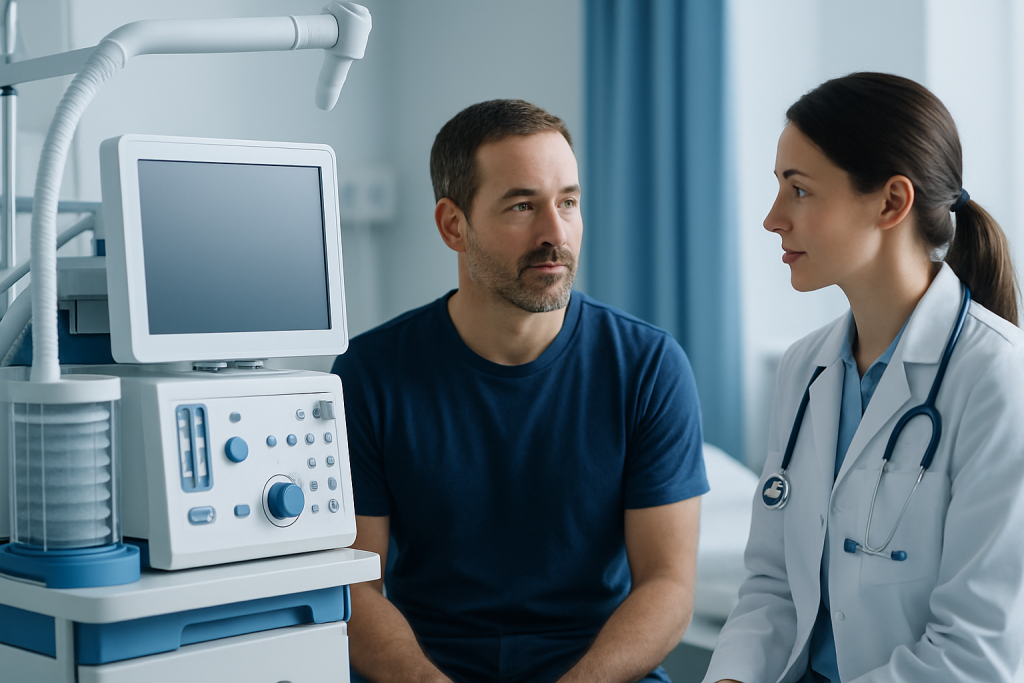
Same-day arrival is sometimes reasonable if your appointment is simple, your flight is short, and your care team has told you there is no need for fasting, special prep, or a long pre-treatment review. It can also work when your arrival time is comfortably earlier than your appointment and you already know your way through transfers and check-in.
This option is less risky when you are traveling light, have no significant mobility concerns, and are not crossing many time zones. If your trip is predictable, your luggage is straightforward, and your treatment is not the kind that demands a quiet, well-rested start, same-day arrival may be practical.
Even then, it helps to build in a cushion. A delayed flight, a long passport queue, or traffic between the airport and hospital can quickly turn a “same-day” plan into a stressful rush. Acibadem Health Point can help you map out realistic arrival windows so you are not guessing on the day itself.
Why an extra rest day is often the safer choice

An extra rest day is usually the better option if your trip is long, your body does not tolerate travel well, or your treatment requires early check-in, tests, or paperwork. One full day gives you time to hydrate properly, sleep in local time, and confirm where you need to be the next morning.
This is especially useful if you are coming from a very different time zone. Jet lag can make simple decisions feel harder and can affect appetite, energy, and sleep quality — all of which matter when you want to follow instructions accurately.
It also reduces the risk of arriving flustered. If you need an interpreter, a transfer arranged through the international patient team, or help settling into accommodation, an extra day gives space for those details to happen smoothly instead of in a last-minute scramble.
The travel factors that should tip your decision
A few practical details usually matter more than the calendar date itself. Long-haul flights, overnight arrivals, delayed baggage, changing terminals, and unfamiliar transport can leave you more drained than expected. If you know travel usually affects your sleep or digestion, that is a strong reason to avoid landing on treatment day.
Your personal health also counts. Reduced mobility, anxiety when navigating airports, a need for medication timing, or a history of motion sickness can all make same-day arrival less comfortable. In these situations, arriving early is not about luxury — it is about reducing avoidable strain.
- Long flight or multiple connections
- Significant time-zone difference
- Need for fasting or morning instructions
- Mobility limitations or fatigue
- First time traveling to Turkey
- Late-night or very early airport arrival
What a good pre-treatment arrival day looks like
A calm arrival day is usually very ordinary, and that is exactly the point. You check in, keep your documents close, drink water, eat simply if allowed, and avoid packing the day with sightseeing or work calls. The aim is not to “make the most” of the trip; it is to give yourself a settled start.
If you are traveling with Acibadem Health Point, that day can also be used to confirm transport timing, ask final questions, and make sure your hospital check-in details are clear. International patient services can help with interpreter coordination so you are not trying to manage key instructions through guesswork.
Many patients find it useful to treat arrival day as a buffer, not a bonus day. A quiet evening, a familiar routine, and an early night often do more for your treatment readiness than trying to fit in extra activity.
How to prepare if you must arrive on the same day
If same-day arrival is the only workable plan, you will want every step to be simple and confirmed in advance. Keep your passport, treatment documents, medication list, and contact numbers in one easy-to-reach place. Avoid checking essential items into luggage that might be delayed.
Plan for a direct transfer whenever possible, and leave enough time for airport processing and city traffic. If you are fasting, have an early appointment, or need pre-admission tests, make sure you understand exactly what you can and cannot consume before you fly.
Most importantly, communicate any delay immediately. Acibadem Health Point can help coordinate updates between you, the hospital, and your accommodation so that your schedule can be adjusted safely if your journey does not go exactly to plan.
Questions worth asking before you book your flight
Before you confirm tickets, ask whether your planned arrival gives you enough time to rest, rehydrate, and get to the hospital without pressure. Ask if your treatment involves fasting, lab work, imaging, or a consultation that could be affected by travel fatigue.
You should also clarify whether you need a companion, how airport transfer will work, and whether accommodation is close enough to make arrival day easy. If you are uncertain, the international patient team can help you compare options based on your itinerary rather than giving a one-size-fits-all answer.
It is often the small practical questions that make the biggest difference: Will you have time to sleep? Can you safely manage medications across time zones? Do you need someone to interpret your instructions? These are the details that turn a plan into a safe arrival.
Step by step
- Check the treatment timing first. Find out whether your appointment includes fasting, early admission, tests, or paperwork before you decide on your flight. If there is any pre-treatment work on the same day, same-day arrival becomes much harder to manage safely.
- Measure the trip, not just the distance. A short flight can still be tiring if it includes connections, late-night arrival, or long airport transfers. Think about the total travel load, including sleep disruption and the time needed to reach your hotel or hospital.
- Compare your energy level after landing. Ask yourself how you usually feel after travel: rested, or noticeably slow and dehydrated. If you are not at your best after flying, build in a rest day rather than asking your body to recover on the move.
- Use one buffer day when the schedule is tight. If your treatment is important and the itinerary is complex, one extra day can absorb delays without affecting care. That buffer often prevents avoidable stress when flights change or baggage takes longer than expected.
- Coordinate transfers and check-in early. Confirm airport pickup, hotel details, and the hospital route before you depart. Acibadem Health Point can assist with these logistics so you can focus on arriving safely instead of solving transport problems on the ground.
- Keep documents and medication with you. Bring all essential papers, prescriptions, and contact details in your cabin bag. If you need medication at specific times, a carry-on plan reduces the risk of missed doses during travel.
Your checklist
- Passport and travel documents packed in hand luggage
- Treatment confirmation and hospital contact details saved on your phone
- Medication list and prescription copies ready
- Transfer or taxi plan confirmed before departure
- Accommodation address and check-in time checked
- Fasting or dietary instructions understood in advance
- Time zone difference reviewed with your care team
- Interpreter support requested if needed
- A quiet arrival day or rest day built into your schedule
Key takeaways
- Arriving rested is usually safer than arriving rushed.
- An extra rest day is especially helpful after long-haul travel or time-zone changes.
- Same-day arrival can work for simple, well-coordinated visits, but only with enough time and clear instructions.
- Your travel fatigue, mobility, and medication needs matter as much as the flight schedule.
- International patient support can make the arrival smoother with transfers, interpreters, and accommodation coordination.
Frequently asked questions
Is same-day arrival ever safe before treatment?
Yes, it can be safe for some short, straightforward appointments when your care team has confirmed there is no fasting, testing, or complicated pre-admission process. The key is whether you will arrive calm and fully able to follow instructions, not just whether the flight is short. If travel leaves you tired or rushed, same-day arrival is usually not the better choice.
What is the biggest reason to choose an extra rest day?
The biggest reason is to protect yourself from travel fatigue. A rest day gives your body time to recover from flying, adjust to the time zone, and rehydrate before treatment. It also reduces the chance that delays or airport stress will interfere with your appointment.
If I land in the morning, can I still go straight to the hospital?
Sometimes, but only if the timing is generous and your care team has said it is appropriate. You need to factor in airport processing, transfer time, possible traffic, and how you personally feel after the flight. If there is any pressure in the schedule, a rest day is usually easier and safer.
Do I need to arrive early if I am having tests before treatment?
Usually yes, because tests, registration, and instructions can take time and may need you to be rested and hydrated. If fasting is involved, arriving the same day can be especially stressful. Confirm the exact timing with your care team before booking flights.
How can Acibadem Health Point help with arrival planning?
Acibadem Health Point can help you coordinate the practical side of getting to Turkey for treatment: airport transfers, accommodation guidance, interpreter support, and communication with the hospital. That support is especially useful when you are deciding whether a same-day arrival is realistic or whether you need an extra rest day. It helps turn the plan into something workable, not just something booked.
What if my flight is delayed and I miss my planned check-in?
Contact your international patient coordinator or hospital as soon as you know there is a delay. Most plans can be adjusted more easily when everyone is informed early. Keeping your documents, medications, and contact numbers with you makes it easier to adapt quickly and safely.
More Patient Guides

Bin ich ein geeigneter Kandidat für eine Behandlung im Ausland?
Erfahren Sie, ob eine Behandlung im Ausland in Türkiye für Sie geeignet ist, was Sie vorbereiten sollten, wie die Beurteilung abläuft und…

Bin ich ein Kandidat für eine Behandlung im Ausland? Wichtige Fragen zur Eignung
Erfahren Sie, ob eine Behandlung im Ausland für Sie geeignet sein könnte: Was Sie prüfen sollten, welche Unterlagen hilfreich sind und wie…

Bin ich für eine Behandlung im Ausland geeignet?
Erfahren Sie, was eine Behandlung im Ausland sinnvoll macht, welche Unterlagen Sie vorbereiten sollten und wie Acibadem Health Point Ihnen bei der…

