Natural Mosquito Repellent: Options and Effectiveness

Key Takeaways
- Natural repellents may help, but they are often less long-lasting than proven synthetic options.
- Plant-based choices such as oil of lemon eucalyptus or citronella can be useful when used correctly.
- Clothing, window screens, and removing standing water support bite prevention.
- Children, pregnant people, and travelers to mosquito-prone areas may need tailored advice.
- A doctor should be consulted if mosquito bites cause severe reactions or if fever follows travel.
Medically reviewed by the Acıbadem clinical team — August 19, 2026
Natural mosquito repellent methods can help reduce bites, especially in everyday settings and low-risk environments. The most effective approach usually combines plant-based repellents, clothing choices, and simple habitat control with stronger measures when needed.
Overview
Natural mosquito repellent refers to methods and ingredients people use to discourage mosquitoes without relying only on conventional insecticides. These options often appeal to families, frequent travelers, and anyone looking for a gentler-feeling routine for daily outdoor use. The goal is practical protection: fewer bites, less itching, and lower exposure to mosquito-borne illness where mosquitoes are common.
It helps to think of mosquito defense as a layered plan rather than a single product. A plant-based spray may be useful for a short walk, but a longer evening outside, a humid destination, or a region with mosquito-borne diseases may require stronger and longer-acting protection. In other words, “natural” can be a good first step, but it is not always the whole answer.
For people planning travel, the conversation becomes more specific. A traveler visiting a tropical or subtropical region may need advice on local mosquito risks, the right repellent strategy, and whether additional precautions such as treated clothing or bed nets are sensible. The most useful plan is the one that fits the setting, the season, and the person using it.
Symptoms

Mosquito bites usually appear as small, itchy, raised bumps that can become red or irritated within minutes to hours. Some people develop only a mild mark, while others notice a larger area of swelling, especially after repeated bites or scratching. The skin around the bite can feel warm, tender, or slightly stinging.
Most bites are nuisance-level problems rather than medical emergencies. Still, symptoms can vary by person. Children often scratch more, which can make the skin look more inflamed. People with sensitive skin may react more strongly, and anyone with multiple bites may feel uncomfortable enough to lose sleep or find it difficult to concentrate.
Rarely, a bite can trigger a more serious allergic response. Swelling that spreads quickly, difficulty breathing, dizziness, or widespread hives requires urgent medical attention. If fever, body aches, headache, or unusual fatigue appear after mosquito exposure, especially after international travel, the person should seek medical advice promptly rather than assume it is a simple skin reaction.
Causes & Risk Factors
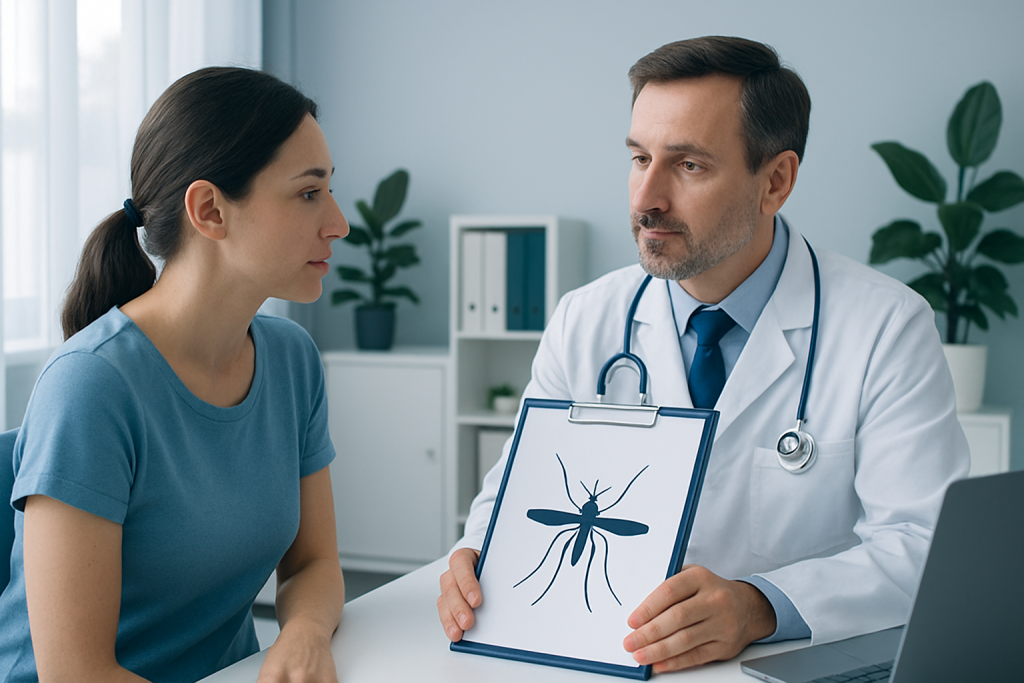
Mosquitoes are attracted by body heat, carbon dioxide, skin odors, and environmental conditions that support breeding. Warm weather, standing water, poor screen protection, and outdoor evening activity all increase the chance of bites. Some people also seem to attract mosquitoes more readily than others, although the exact reasons can be a mix of body chemistry, sweat, and chance.
Natural repellent methods work by masking those signals, creating an unpleasant smell or surface for mosquitoes, or making it harder for them to land. Essential oils and plant-derived ingredients may help for shorter periods, but they can wear off more quickly than well-studied synthetic repellents. Sun, sweat, swimming, and wind can also reduce how long a product remains effective.
Risk becomes more important in certain groups and situations. Infants and young children need age-appropriate choices. Pregnant people may want advice on the safest option for their setting. Travelers, outdoor workers, campers, and people living in mosquito-heavy climates should pay special attention because bite prevention is not only about comfort; it can also be part of infection prevention.
- Living or traveling in warm, humid regions
- Spending time outdoors at dusk or dawn
- Sleeping without screens or bed nets
- Having standing water near the home
- Using only short-acting repellents for long outings
Diagnosis
Natural mosquito repellent does not require a medical test, but choosing the right approach often starts with understanding the situation. A clinician may ask where the person is traveling, how often bites occur, whether there are skin sensitivities, and whether the concern is routine comfort or disease prevention. That information helps match the method to the level of risk.
For people with frequent or severe skin reactions, the discussion may also include whether the bumps are truly mosquito bites or another type of insect bite or rash. A doctor can usually identify the pattern by examining the skin and asking about timing, exposure, and symptoms. If bites are being followed by infection from scratching, the skin may need treatment as well.
In a travel-focused consultation, the assessment may go one step further. The doctor may review the destination, season, accommodation type, and planned activities to decide whether natural options are enough or whether a stronger repellent, protective clothing, or additional travel health measures would be safer.
Treatment Options
The most effective “treatment” for mosquito concerns is prevention before a bite occurs. Natural repellent choices include plant-based products such as oil of lemon eucalyptus, citronella, or other botanical blends. Their usefulness depends on concentration, formulation, and how often they are reapplied, so the label matters as much as the ingredient list.
Beyond sprays and lotions, physical measures are often just as important. Long sleeves, loose pants, socks, window screens, and mosquito nets reduce exposure without adding chemicals to the skin. Fans can also help indoors or on a patio because mosquitoes are weaker fliers in moving air. These measures are especially helpful when a person wants a low-fragrance, low-contact approach.
For people who need stronger or longer coverage, a clinician may discuss conventional repellents or other travel-health strategies. This is not a failure of natural care; it is simply a matter of matching the tool to the risk. A short garden visit, a family picnic, and a jungle trek do not require the same level of protection.
- Use a repellent that is appropriate for the destination and activity length
- Apply it to exposed skin as directed and avoid overuse
- Wear protective clothing when possible
- Treat bites by cleaning the skin and avoiding scratching
- Seek medical care if the skin becomes infected or symptoms widen beyond the bite site
Prevention & Self-care
Prevention works best when it starts at home and continues while traveling. Removing standing water from flower pots, buckets, gutters, and outdoor containers reduces breeding sites around the home. Keeping doors and windows screened, especially in warm months, can lower the chance that mosquitoes get indoors in the first place.
For daily self-care, the best natural mosquito repellent strategy is usually a routine rather than a single product. People often do well with a combination of covered clothing, fan use, and a botanical repellent for short outdoor periods. If a product causes burning, rash, or eye irritation, it should be stopped and replaced with a better-tolerated option.
Travelers can prepare by packing bite-prevention items before leaving home, especially if supplies are limited at the destination. It is wise to test a new repellent on a small area first if the skin is sensitive. When staying abroad, the person should also pay attention to local guidance, because mosquito activity and disease risk can change with weather, altitude, and region.
- Choose light-colored, long-sleeved clothing when practical
- Use screens, nets, and fans to reduce indoor exposure
- Empty or cover containers that collect water
- Reapply natural repellents according to the product label
- Keep children’s skin protected with age-appropriate products and clothing
When to See a Doctor
Medical advice is helpful when mosquito bites become unusually large, painful, or repeatedly infected. A doctor should also be consulted if a person develops a rash beyond the bite area, swelling of the face or lips, trouble breathing, or symptoms that suggest an allergic reaction. These situations are uncommon, but they deserve prompt attention.
After travel, fever, headache, muscle aches, or unusual fatigue should never be dismissed as simple bite irritation. Mosquitoes can carry infections in some regions, and early evaluation matters. A clinician can review the travel history and decide whether testing or observation is appropriate.
It is also reasonable to ask for guidance before a trip if there is a history of sensitive skin, pregnancy, very young children in the household, or travel to a mosquito-heavy destination. In that setting, a specialist can help compare natural repellents with other prevention options and create a plan that is practical for both the trip and the return home. Acibadem Health Point’s multidisciplinary specialists and JCI-accredited hospitals can diagnose and treat mosquito-related concerns for international patients when medical evaluation is needed.
A practical note for everyday life and travel
People often prefer natural mosquito repellent because it feels simple, familiar, and easier to fit into a daily routine. That preference can be respected while still using evidence-based protection. The key is to choose methods that match the setting rather than expecting one bottle or one scent to solve every situation.
For an evening on a balcony, a botanical spray plus long clothing may be enough. For a multi-country trip, a sleep-in net, screen checks, and travel-specific medical advice may matter more. Thinking ahead before bites happen is usually easier than managing itchy skin after the fact.
Frequently asked questions
Are natural mosquito repellents effective?
They can be helpful, especially for short outdoor periods or lower-risk settings. Their protection may not last as long as conventional repellents, so reapplication and other measures such as clothing and screens are important.
Which natural mosquito repellent ingredients are commonly used?
Common options include oil of lemon eucalyptus, citronella, and other plant-based blends. Effectiveness varies by product, so it is important to follow the label and choose a formulation designed for skin use.
Can children use natural mosquito repellent?
Some products may be suitable for children, but age matters and skin sensitivity is common. It is best to choose child-appropriate products and ask a clinician or pharmacist if there is any uncertainty.
Is natural repellent enough for travel?
Sometimes it is, but not always. Travelers to mosquito-prone regions may need stronger or longer-lasting protection, especially if mosquito-borne illness is a concern.
What should someone do after a mosquito bite?
The skin should be cleaned gently, and scratching should be avoided to reduce irritation. If the area becomes very swollen, painful, infected, or associated with fever, medical advice is important.
Can mosquito bites cause serious illness?
In some regions, mosquitoes can carry infections, so fever or body aches after exposure should be evaluated. Most bites are harmless, but symptoms after travel should be taken seriously and checked by a doctor.
References
- World Health Organization
- Centers for Disease Control and Prevention
- National Health Service
- European Centre for Disease Prevention and Control
This article is for general information only and is not a substitute for professional medical advice. Please consult a qualified doctor about your individual situation.
Explore treatments in Turkey — costs, top hospitals & a free quote
JCI-accredited · board-certified surgeons · reply within 24h
Add us as a Preferred Source to see more of our trusted health content across Google Search, AI Overviews and Discover.