Why Some Patients Need an Upper Endoscopy Before Weight-Loss Surgery

Key Takeaways
- An upper endoscopy allows doctors to view the esophagus, stomach, and first part of the small intestine before bariatric surgery.
- It can identify reflux, inflammation, ulcers, polyps, hiatal hernia, or other findings that may change the surgical plan.
- Not every patient needs this test, but it may be especially helpful when symptoms or past digestive problems are present.
- The procedure is usually brief and performed with sedation, though patients should follow fasting and medication instructions carefully.
- Results help the bariatric team personalize treatment, reduce surprises during surgery, and plan follow-up care more effectively.
Medically reviewed by the Acıbadem clinical team — June 13, 2026
An upper endoscopy is sometimes recommended before weight-loss surgery to look inside the upper digestive tract and identify issues that could affect surgical planning, safety, or recovery. For many patients, it provides useful details that help the care team choose the most appropriate procedure and prepare for a smoother healing process.
Overview
Before weight-loss surgery, surgeons often want a clear picture of the upper digestive tract. An upper endoscopy, also called an esophagogastroduodenoscopy or gastroscopy, gives that view by using a thin flexible camera passed gently through the mouth while the patient is sedated. It helps the team inspect the esophagus, stomach, and the beginning of the small intestine for problems that may matter before a bariatric procedure.
Not everyone preparing for weight-loss surgery needs this test. Some patients already have symptoms such as reflux, trouble swallowing, stomach pain, nausea, anemia, or a history of ulcers. Others may have no digestive complaints at all, yet still benefit from endoscopy because it can uncover hidden findings that could influence the choice of procedure or the timing of surgery.
For international patients, this step is often part of a broader preoperative pathway that may include blood tests, imaging, nutritional evaluation, and consultations with the bariatric surgeon and anesthesiologist. When the test is planned well, it can reduce uncertainty and make the rest of the journey more organized, whether care is happening locally or during a medical trip abroad.
What the test can reveal
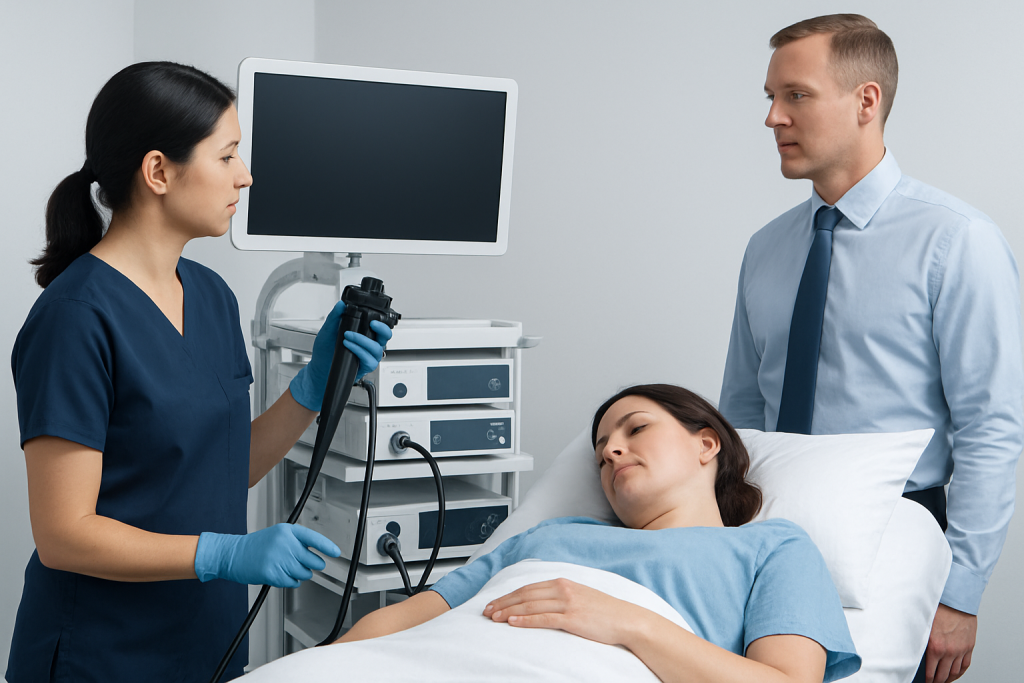
An upper endoscopy is less about “looking for one single disease” and more about answering practical surgical questions. The doctor may be checking for inflammation, acid-related injury, Barrett’s esophagus, a hiatal hernia, active ulcers, gastritis, polyps, or anatomical changes that could affect how the stomach will be used or reshaped during surgery. In some patients, the findings are minor but still useful for planning.
It may also help explain symptoms that should not be ignored before surgery. For example, persistent reflux can matter because some bariatric procedures can improve it, while others may worsen it in certain situations. If the lining of the stomach looks irritated or if there is evidence of infection, the care team may want to treat that first and then decide when surgery should proceed.
Occasionally, the endoscopy uncovers a reason to postpone surgery temporarily. That does not mean the patient cannot have weight-loss surgery; it usually means the team wants to address something first so the operation is safer and the recovery is more predictable.
Symptoms and history that raise the need
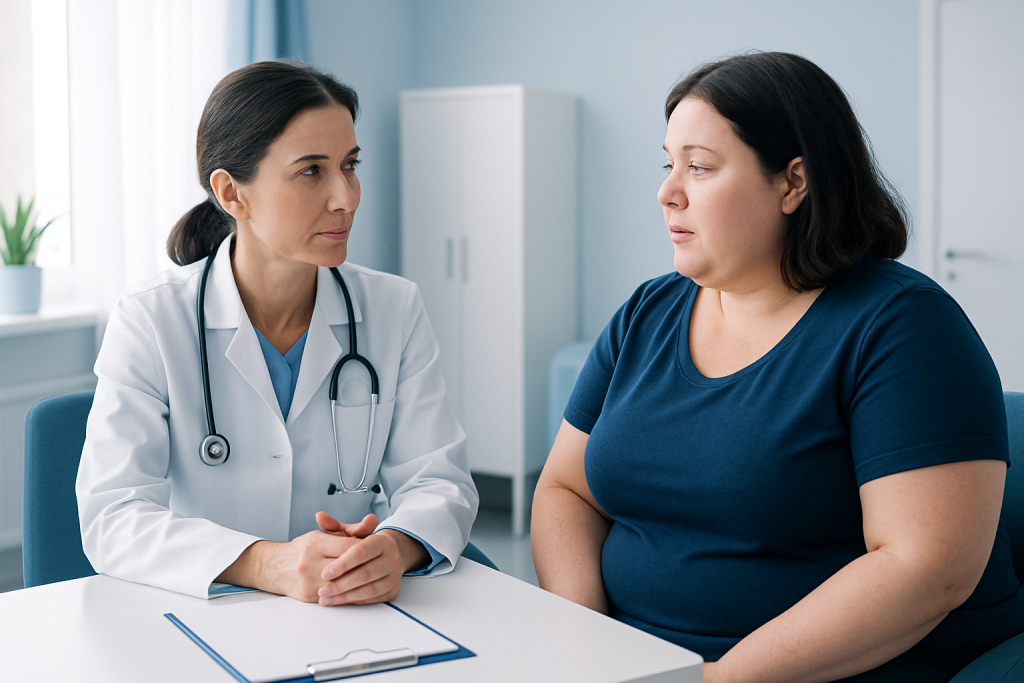
Some patients are more likely to be offered preoperative endoscopy because of their symptoms or medical history. Ongoing heartburn, regurgitation, difficulty swallowing, unexplained vomiting, upper abdominal pain, black stools, or a history of peptic ulcer disease are common reasons to look more closely. A past diagnosis of Barrett’s esophagus, frequent use of anti-inflammatory medicines, or prior stomach surgery can also make the test more relevant.
Even without symptoms, doctors may recommend the exam when they want more complete information before choosing a procedure. This can be especially true when the patient is traveling from another country and the surgical team has limited access to prior records. A direct look inside the upper digestive tract can help fill in gaps that outside reports or older tests may not answer clearly.
In some cases, the decision is individualized. One patient with mild symptoms may need the test because the surgeon is considering a procedure that can be influenced by reflux. Another patient with no symptoms may not need it if their overall evaluation is straightforward and their team follows a different protocol.
How the procedure is done
Upper endoscopy is usually performed as an outpatient procedure. The patient fasts beforehand, then receives sedation so the experience is generally comfortable and brief. A bite guard may be used, and the camera is guided carefully through the mouth while the doctor watches the images on a monitor and records any findings.
If needed, the doctor may take tiny tissue samples, called biopsies, to check for inflammation, infection, or other changes that cannot be seen clearly with the camera alone. Biopsies are often painless because the lining of the stomach does not feel sharp cutting in the way skin does, though patients may notice mild throat irritation or bloating afterward.
Before the test, the care team should review medications, allergies, bleeding risks, and any conditions that affect sedation. Patients traveling for surgery should also confirm what to bring, how long to stay after the test, and whether results will be reviewed in person or during a follow-up consultation. Clear planning matters, especially when the procedure is part of a short international care window.
How the results affect surgery planning
Results from endoscopy can confirm that a planned surgery is still appropriate, but they can also shape the details of care. If the doctor sees reflux-related changes, a large hiatal hernia, or an ulcer, the surgical team may adjust the procedure choice, add treatment first, or plan to repair another issue during surgery. The goal is not to complicate the process, but to make the operation fit the patient’s anatomy and health needs more accurately.
Sometimes the endoscopy reassures the team that the upper digestive tract looks suitable for surgery. In other cases, it identifies problems that should be treated before the operation begins. Either way, the result gives the team a more reliable starting point than symptoms alone, especially because obesity-related digestive issues are not always obvious from the outside.
For patients arranging treatment from abroad, this information can also help with timing. If a biopsy is taken, the team may wait for pathology results before finalizing the plan. That extra step can feel inconvenient, but it often prevents rushed decisions and supports safer long-term outcomes.
Possible risks and what recovery is usually like
Upper endoscopy is generally considered low risk, especially when it is performed by an experienced team. Temporary sore throat, mild bloating, and brief drowsiness from sedation are the most common after-effects. More serious complications are uncommon, but as with any medical procedure, they are discussed beforehand so the patient can make an informed choice.
After the test, patients usually need someone to accompany them home because sedation can slow reaction time and impair judgment for the rest of the day. Eating and drinking are typically resumed once the throat reflexes and alertness return, unless the doctor gives different instructions. If biopsies were taken, the care team may explain whether any activity limits are needed.
The recovery period is usually short, which is one reason the test fits well into preoperative bariatric evaluation. Most people are able to move on to the next step in their treatment plan quickly, once the team has reviewed the findings and confirmed the safest path forward.
Prevention, preparation, and self-care
Patients can make the process smoother by following the preparation instructions carefully. This usually means fasting for the required number of hours, telling the team about all medicines and supplements, and asking in advance how blood thinners, diabetes medications, or reflux medicines should be handled. Good preparation reduces delays and helps the exam produce useful results.
It also helps to bring a list of symptoms, prior test results, and any records from home country doctors if the care is taking place internationally. A clear history can prevent repeated testing and support a more efficient surgical consultation. Patients should also plan for a calm recovery day, since sedation can make it unwise to drive, work, or make major decisions right after the procedure.
Self-care after the exam is usually simple: rest, drink fluids when allowed, and contact the team if there is ongoing vomiting, severe pain, fever, or black stools. Those symptoms are not expected after a routine endoscopy and deserve prompt medical attention. For most patients, however, the experience is straightforward and the information gained is worth the extra step.
When to see a doctor
A preoperative endoscopy is part of planning, but some symptoms should always be discussed with a doctor rather than waiting for the bariatric appointment. Trouble swallowing, repeated vomiting, unexplained anemia, ongoing upper abdominal pain, black stools, chest discomfort that might be digestive, or worsening reflux deserve medical review. These symptoms do not necessarily point to a serious problem, but they do justify a closer look.
Patients who already have a diagnosis such as Barrett’s esophagus, ulcer disease, or significant reflux should ask whether endoscopy is needed before surgery and how findings could affect the choice of procedure. The same is true for patients who have had prior digestive surgery or who take medicines that can irritate the stomach lining. In bariatric care, small details often matter because they help prevent surprises later.
Acibadem Health Point’s multidisciplinary specialists and JCI-accredited hospitals diagnose and treat bariatric-related digestive conditions for international patients as part of coordinated preoperative and postoperative care. A careful discussion with the surgical team can help patients understand whether endoscopy is the right next step and how it fits into the overall weight-loss surgery plan.
Frequently asked questions
Why would a doctor order an upper endoscopy before weight-loss surgery?
Doctors use it to check for conditions that might affect surgery planning, such as reflux-related injury, ulcers, gastritis, a hiatal hernia, or other changes in the upper digestive tract. The findings can help the team choose the safest procedure and decide whether any treatment is needed first.
Is an upper endoscopy required for every bariatric patient?
No, not every patient needs it. Some teams recommend it routinely, while others reserve it for people with symptoms, previous digestive problems, or specific surgical considerations.
Does the test hurt?
Most patients do not feel pain because the procedure is done with sedation and the throat is numbed or protected according to the team’s protocol. A mild sore throat, bloating, or sleepiness afterward is more common than discomfort during the exam.
What happens if the endoscopy finds a problem?
The surgical team will review whether the issue needs treatment before surgery or whether the planned procedure should be adjusted. Many findings are manageable and simply help the team make a better-informed plan.
Can I go home the same day?
Yes, upper endoscopy is usually an outpatient procedure. Because sedation is used, the patient should arrange for someone to accompany them home and should avoid driving for the rest of the day.
How should international patients prepare if they are traveling for surgery?
They should bring prior medical records, a medication list, and any previous endoscopy or imaging reports if available. It is also helpful to confirm fasting instructions, aftercare plans, and whether biopsy results may require an extra follow-up visit before surgery can be finalized.
References
- American Society for Gastrointestinal Endoscopy
- American Society for Metabolic and Bariatric Surgery
- National Institute of Diabetes and Digestive and Kidney Diseases
- Mayo Clinic
- NHS
This article is for general information only and is not a substitute for professional medical advice. Please consult a qualified doctor about your individual situation.