Gastric Balloon or Surgery: How to Decide If You Need a Temporary or Permanent Solution

Key Takeaways
- A gastric balloon is a temporary, non-surgical weight-loss aid that depends heavily on nutrition and lifestyle changes.
- Bariatric surgery is more invasive, but it may offer larger and longer-lasting weight loss for some patients.
- The best choice depends on overall health, body mass index, reflux, diabetes, previous weight-loss attempts, and readiness for follow-up.
- Neither option is a shortcut; both work best with a structured eating plan, activity, and medical supervision.
- Traveling for treatment can be manageable when aftercare, nutrition guidance, and follow-up appointments are planned in advance.
Medically reviewed by the Acıbadem clinical team — June 13, 2026
Choosing between a gastric balloon and bariatric surgery is usually less about “better” and more about fit: the right option depends on body mass index, health conditions, goals, and willingness to commit to follow-up care. A careful evaluation with a bariatric team helps patients understand whether a temporary tool or a more durable metabolic procedure is the safer, more effective match.
Overview: temporary help versus long-term change
When someone is deciding between a gastric balloon and bariatric surgery, the real question is usually not “Which is easier?” but “Which approach matches the problem in front of me?” The two treatments are built differently. A gastric balloon is a removable device placed in the stomach for a limited period, while bariatric surgery changes the stomach and sometimes the small intestine in a way that is meant to last.
That difference matters because weight is not only about appetite. It is also shaped by hormones, metabolism, eating patterns, sleep, medications, and medical conditions such as diabetes or sleep apnea. For some people, a temporary intervention creates enough momentum to build healthier habits. For others, the level of obesity or the presence of related disease makes a more durable procedure the safer and more effective route.
Patients planning care from another country often need an even clearer map. They must consider how long they will stay, what the recovery period looks like, whether follow-up visits are required after returning home, and whether local doctors can continue the plan. A good bariatric consultation should translate all of that into plain language, not just into a procedure name.
Symptoms and signs that weight treatment may be needed
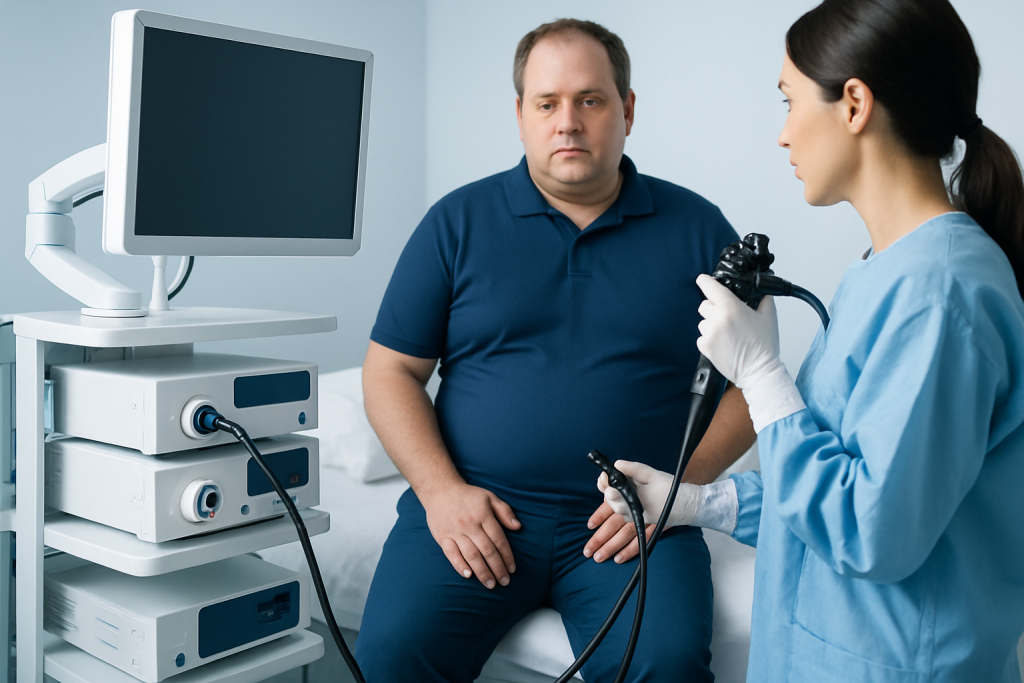
People usually do not seek a gastric balloon or surgery because of a single symptom. They come because weight is beginning to affect daily life, energy, mobility, breathing, or long-term health. Common concerns include persistent difficulty losing weight despite repeated efforts, feeling short of breath with minimal activity, or having knee, back, or foot pain that limits movement.
Other signs may be more medical than physical. High blood pressure, type 2 diabetes, fatty liver disease, obstructive sleep apnea, high cholesterol, polycystic ovary syndrome, and acid reflux can all be linked with excess weight. When these conditions begin to accumulate, weight treatment is often discussed not as cosmetic care but as preventive health care.
- Frequent failed attempts at weight loss
- Weight-related joint pain or limited mobility
- Sleep disruption or diagnosed sleep apnea
- Diabetes or prediabetes
- Reflux, fatty liver, or blood pressure concerns
Emotional strain matters too. Some patients describe social withdrawal, low confidence, or feeling stuck in a cycle of short-term dieting. These experiences do not determine eligibility by themselves, but they are part of the full picture that a specialist should hear and understand.
Causes and risk factors: why one option may fit better than another
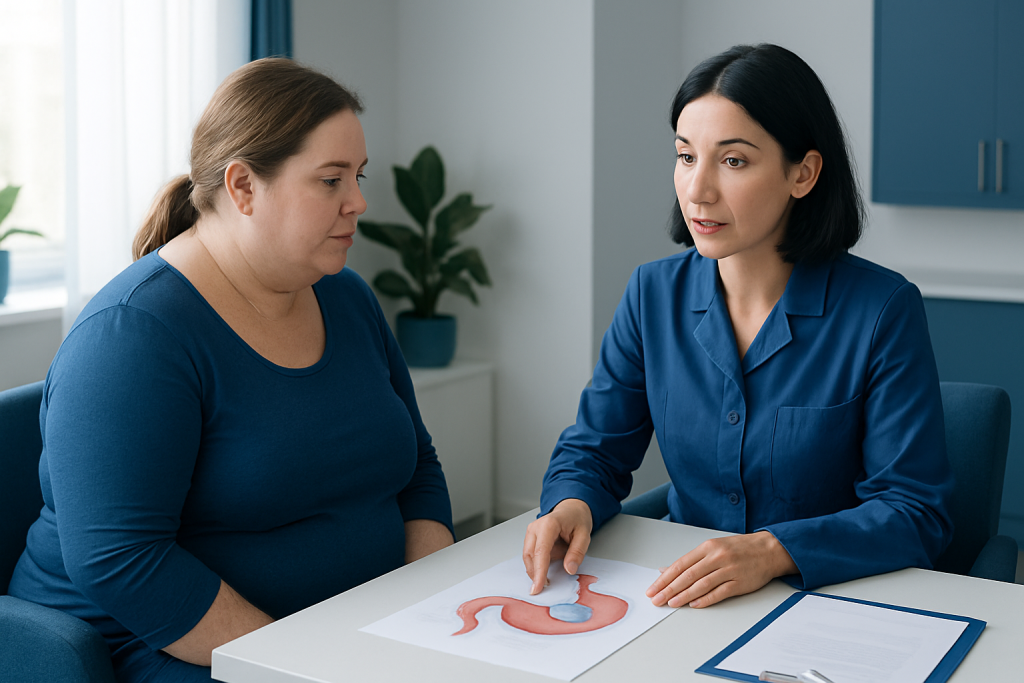
There is no single reason why one person chooses a gastric balloon and another chooses surgery. The decision is shaped by several factors working together. Body mass index is one of them, but it is only one piece. General health, eating behavior, previous weight-loss history, and the presence of obesity-related disease all influence the recommendation.
A gastric balloon may appeal to someone who needs a non-surgical, temporary aid and is prepared to work closely with dietary guidance. It is often considered for patients who may not meet criteria for surgery, or who want to test how they respond to a weight-loss intervention before moving to a more permanent option. By contrast, bariatric surgery is often considered when obesity is more severe, when medical complications are present, or when long-term results are the priority.
Other factors can push the decision in one direction. Severe reflux may make certain procedures less suitable. A history of abdominal surgery, uncontrolled mental health concerns, active substance misuse, or an inability to follow nutrition rules can affect candidacy for either approach. Age, family support, work schedule, and travel plans may also matter, because both treatment and recovery require planning beyond the operating room.
Diagnosis and evaluation: what the consultation should include
The evaluation starts with a conversation, not a device or an incision. A bariatric team typically reviews weight history, previous diets, current medications, medical conditions, sleep patterns, and eating habits. The goal is to understand why weight has been difficult to manage and whether the patient is medically ready for a procedure.
Testing may include blood work, an assessment of blood sugar and cholesterol, and sometimes imaging or endoscopy depending on the symptoms and chosen treatment. A surgeon or obesity specialist may also calculate body mass index, measure waist-related risk, and discuss whether a balloon or a specific surgical technique is more appropriate. Nutrition and psychological assessments are often part of the process because long-term success depends on behavior as well as anatomy.
For international patients, pre-treatment planning can include deciding how much of the work-up can be done before travel and what should be completed after arrival. Clear instructions about fasting, medication adjustments, and travel timing are especially important. A well-organized center should explain which parts of the plan can safely happen remotely and which require an in-person visit.
Treatment options: how the two approaches differ in practice
A gastric balloon is inserted into the stomach through the mouth, usually without surgery, and then filled so it takes up space. Because the stomach feels fuller sooner, many people eat smaller portions. The device is temporary and is later removed. The main advantage is that it avoids an operation; the main limitation is that the result depends heavily on what happens during the months the balloon is in place and after it comes out.
Bariatric surgery includes several operations, such as Gastrectomy vs. Gastric Bypass: Differences That Matter Beyond the Operating Room" class="ahp-ilk">sleeve gastrectomy or gastric bypass. These procedures reduce stomach size and, in some cases, alter how the digestive system absorbs calories. The result is usually more substantial and more durable than with a balloon, but the trade-off is a greater commitment to surgical recovery, lifelong nutrition habits, and ongoing medical follow-up.
The practical difference is often summarized this way: a balloon is a time-limited support tool, while surgery is a structural change. One is not automatically “better” than the other. The right choice depends on whether the patient needs a bridge to healthier habits, or a longer-term intervention for a more advanced weight-related condition.
- Gastric balloon: temporary, non-surgical, reversible
- Bariatric surgery: longer-lasting, more invasive, requires recovery
- Both: need diet changes, follow-up, and medical supervision
Prevention and self-care: habits that support either choice
Neither a balloon nor surgery works well in isolation. The everyday habits around the procedure often determine whether the result is modest, meaningful, or disappointing. Patients are usually advised to begin building structure before treatment: regular meal timing, reduced sugary drinks, slower eating, and more awareness of hunger and fullness.
After a balloon, eating behavior is especially important because the device is only temporary. If old patterns return as soon as it is removed, weight may come back. After surgery, self-care becomes even more detailed. Patients often need to follow staged eating plans, prioritize protein, stay hydrated, avoid certain foods at first, and take supplements if recommended by their doctor.
Movement also matters, even when exercise must start gently. Walking, stretching, and gradually increasing activity can support circulation, energy, and mood. For travelers, this planning should include realistic recovery time before flying, access to a nutritionist, and a way to communicate with the care team after returning home. Good aftercare should feel practical, not intimidating.
When to see a doctor: deciding between temporary and permanent
A doctor’s advice is important when weight is affecting health, daily function, or emotional well-being, and especially when repeated self-directed attempts have not worked. It is also wise to seek a specialist opinion before choosing between a balloon and surgery, because the best option depends on clinical details that are easy to overlook on your own.
Medical review is particularly important if there is diabetes, sleep apnea, high blood pressure, reflux, fatty liver disease, or a history of blood clots or abdominal surgery. These conditions may influence the safest procedure and the recovery plan. A bariatric specialist can also explain whether a temporary approach is realistic or whether a more durable option is likely to save time and frustration in the long run.
Patients considering care abroad should ask not only about the procedure itself, but also about follow-up, emergency contact pathways, language support, and who will coordinate care once they are home. Acibadem Health Point’s multidisciplinary specialists and JCI-accredited hospitals diagnose and treat obesity-related conditions for international patients with this broader journey in mind. If symptoms are worsening or weight is clearly affecting health, a qualified doctor should help guide the next step rather than leaving the decision to guesswork.
Frequently asked questions
How does a gastric balloon differ from bariatric surgery?
A gastric balloon is a temporary device placed in the stomach without surgery and later removed. Bariatric surgery changes the stomach, and sometimes the intestines, in a more permanent way. The choice usually depends on medical need, weight-loss goals, and how much recovery the patient is ready to manage.
Who is more likely to be advised to have surgery rather than a balloon?
Patients with more severe obesity, significant weight-related disease, or a need for longer-lasting results are more often considered for surgery. A specialist may also lean toward surgery if a balloon is unlikely to provide enough benefit. The final recommendation depends on the full health assessment, not just weight alone.
Can a gastric balloon be a good first step?
Yes, for some patients it can be a useful first step, especially when a non-surgical and temporary option is preferred. It can help establish new eating habits and show how the body responds to structured weight-loss treatment. It is still important to remember that the balloon is only part of the plan.
Is bariatric surgery reversible?
Some bariatric procedures are considered more permanent than reversible. Because procedures differ, patients should ask which operation is being recommended and what that means for long-term anatomy and follow-up. A surgeon can explain the expected permanence in simple terms.
What should international patients ask before traveling for treatment?
They should ask how much evaluation is needed before travel, how long recovery will take, and what follow-up is required after returning home. It is also helpful to confirm language support, medication instructions, and how to contact the team after discharge. Planning these details early can make the process much smoother.
Will I still need diet changes after the procedure?
Yes. Both gastric balloon treatment and bariatric surgery work best when paired with long-term changes in eating patterns, activity, and follow-up care. The procedure creates an opportunity, but habits help protect the result.
References
- World Health Organization
- National Institute of Diabetes and Digestive and Kidney Diseases
- American Society for Metabolic and Bariatric Surgery
- Mayo Clinic
- NHS
This article is for general information only and is not a substitute for professional medical advice. Please consult a qualified doctor about your individual situation.