How Long You Need to Stay in Turkey After Weight-Loss Surgery: A Planning Timeline

Key Takeaways
- Most patients need several days in the hospital or clinic area, followed by a short local recovery period before flying home.
- The exact stay depends on the type of bariatric procedure, overall health, and whether recovery is smooth or complicated.
- Before traveling, patients usually need a diet plan, medication instructions, mobility guidance, and a follow-up schedule.
- Long-distance travel should only happen when the surgical team confirms it is safe to fly.
- A successful trip includes planning for rest, hydration, compression or walking advice, and remote follow-up after returning home.
Medically reviewed by the Acıbadem clinical team — June 13, 2026
Planning the length of a stay in Turkey after weight-loss surgery depends on the procedure, recovery progress, and the surgeon’s follow-up plan. A thoughtful timeline helps international patients return home safely, with clear guidance on diet, movement, and warning signs to watch for.
Overview
For many international patients, the question is not only whether weight-loss surgery is the right step, but also how long they should remain in Turkey afterward. The answer is practical rather than one-size-fits-all. It depends on the procedure performed, how the body responds in the first days, and how comfortable the surgical team feels about a long journey home.
In bariatric surgery, the early recovery period matters because the digestive system is adjusting, pain and nausea can appear, and mobility needs to be rebuilt gradually. A patient who is recovering well after a laparoscopic procedure may be ready sooner than someone who needs extra observation, fluids, or medication adjustments. For this reason, travel plans should be built around medical clearance rather than fixed holiday-style dates.
Turkey is a popular destination for bariatric care because patients can access experienced teams, coordinated hospital services, and structured post-operative guidance. The goal is not just to complete the surgery, but to leave with a safe plan for nutrition, follow-up, and recovery after the journey home. That planning starts before the operation and continues until the patient is stable enough to travel.
What the first days usually look like
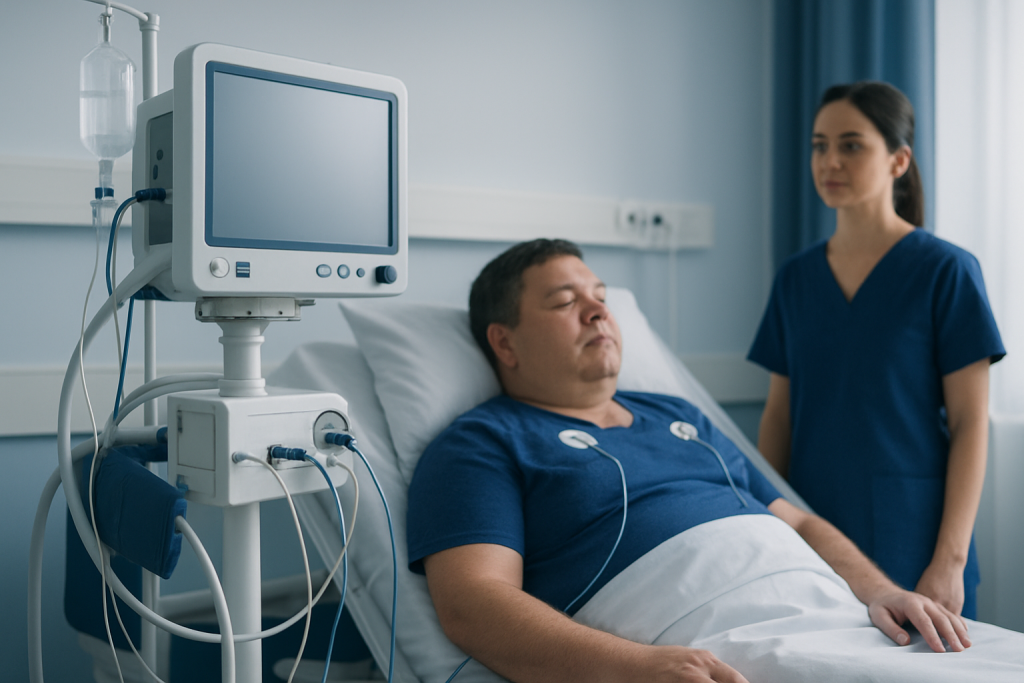
Immediately after surgery, patients are monitored for pain control, hydration, nausea, breathing comfort, and early movement. In many cases, the hospital stay is short, especially after minimally invasive procedures, but the exact length depends on the operation and the patient’s condition. During this time, the team checks that the patient can drink small amounts, walk safely, and tolerate the initial diet stage.
These first days are also when the patient learns the basics of post-op care. Instructions usually cover how to move without strain, when to take prescribed medicines, how to recognize concerning symptoms, and how to begin the liquid diet or other early nutrition phase. If the patient is traveling from abroad, this teaching is especially important because it bridges the gap between the Turkish hospital and home care later on.
It is common for patients to underestimate how much the first 48 to 72 hours matter. Even when recovery seems smooth, the surgical team may still prefer an observation period before long-distance travel. This is not a delay for its own sake; it is part of reducing avoidable problems during a flight or a long car ride.
Typical stay length: what influences the timeline

There is no single correct number of days for every bariatric patient. A shorter stay may be possible when surgery is uncomplicated, pain is well controlled, the patient is moving around comfortably, and oral intake is starting without difficulty. A longer stay may be recommended if there is vomiting, dehydration, slower bowel function, chest symptoms, fever, or any concern that needs closer observation.
The type of weight-loss surgery also influences planning. Procedures such as Gastrectomy vs. Gastric Bypass: Differences That Matter Beyond the Operating Room" class="ahp-ilk">sleeve gastrectomy, gastric bypass, or revision surgery can have different recovery patterns, and the surgeon may want different levels of monitoring before travel. A patient’s age, body mass index, sleep apnea, diabetes, blood pressure issues, and history of previous abdominal surgery may also affect how cautious the team is.
For international patients, logistics matter too. The surgical team may take into account the length of the flight, whether a companion is traveling, and whether the patient has access to follow-up care at home. A sensible discharge plan often balances medical readiness with the realities of travel, making sure the patient is stable rather than rushed.
- Procedure type and technical complexity
- How quickly the patient is walking, drinking, and tolerating diet
- Need for pain, nausea, or fluid management
- Any medical conditions that increase recovery needs
- Travel distance and availability of support after discharge
Getting ready for the trip home
Before leaving Turkey, patients should leave with more than a discharge note. They should understand what foods are allowed, how to progress the diet, how much water to aim for in small sips, and which activities should be avoided for a period of time. If a medication list is provided, it should be clear which medicines are temporary, which are protective, and which should be avoided unless the surgeon approves them.
Travel timing should be chosen carefully. Long flights and extended sitting can increase discomfort, dehydration, and the risk of circulation problems, so the team may advise walking during travel, wearing compression garments if recommended, and carrying prescribed medicines in hand luggage. Patients should also know who to contact if they feel unwell after leaving the hospital, because support does not stop at discharge.
Many international patients find it helpful to prepare a small recovery kit before heading home. This might include soft clothing, printed instructions, a water bottle, approved snacks if relevant to the diet stage, and any medical documents needed for the next appointment. The more organized the departure, the less stressful the first days back home tend to be.
Recovery after returning home
Once home, the recovery timeline continues with diet progression, wound care, gradual walking, and regular communication with the bariatric team. The body is still adapting to a much smaller stomach or a changed digestive pathway, so it is normal for the early weeks to feel structured and deliberate. Patients should expect the diet to move slowly and should not advance it faster than advised.
Follow-up is especially important after surgery performed abroad. A remote check-in may be scheduled to review hydration, pain, bowel function, wound healing, and nutrition. If the patient develops a problem later, such as persistent vomiting or trouble keeping fluids down, prompt medical review is important. The aim is to prevent small issues from becoming larger setbacks.
Recovery also includes emotional adjustment. Many patients feel encouraged by early weight changes, but they may also need time to adapt to new eating patterns and activity habits. A clear plan for meals, movement, and clinic contact helps keep the transition steady once the patient is no longer near the operating hospital.
How to reduce risks while traveling
Safe travel after bariatric surgery is built on simple habits repeated consistently. Short walks, frequent sips of allowed fluids, and careful attention to pain or nausea make a meaningful difference. Patients should not ignore a symptom simply because they are eager to get home; it is better to raise a concern before boarding than to manage it mid-journey.
It is also wise to travel with a companion when possible, especially if the flight is long or the patient still feels weak. A companion can help with luggage, medication timing, and communication if the patient becomes tired or uncomfortable. If the patient is traveling alone, extra preparation becomes even more important, including arranging transport, accommodations, and contact details in advance.
Patients should follow the surgeon’s advice about activity restrictions after surgery. Even normal tasks like lifting bags, climbing stairs, or bending repeatedly can strain healing tissues. A calm, low-demand travel day is usually better than trying to do too much in the name of efficiency.
- Walk regularly during travel when permitted
- Keep prescribed medicines accessible
- Drink only as allowed by the care team
- Avoid lifting heavy bags or overexertion
- Keep the surgical team’s contact information available
When the stay may need to be longer
Sometimes the best plan is simply to remain in Turkey a little longer. If a patient has fever, worsening pain, dehydration, repeated vomiting, difficulty breathing, or an unexpected drop in energy, the surgical team may want continued observation. The same applies if test results, wound checks, or dietary tolerance are not yet reassuring enough for travel.
It is important to see a longer stay as a safety measure rather than a setback. Recovery is not improved by forcing a departure before the body is ready. In fact, a few extra days of monitoring can help avoid an emergency situation after the patient has already left the country.
Patients who had a revision procedure, more complex anatomy, or multiple health conditions may also need a more conservative timeline. The surgical team should explain the reason clearly so the patient understands what milestone needs to be met before travel. Clear communication reduces anxiety and helps everyone make calm decisions.
When to see a doctor
After bariatric surgery, patients should contact their surgical team promptly if they develop symptoms that do not fit the expected recovery pattern. Examples include fever, persistent vomiting, increasing abdominal pain, shortness of breath, swelling in one leg, inability to drink enough fluids, or signs of wound infection such as redness, drainage, or worsening tenderness. These symptoms do not always mean something serious, but they do deserve medical attention.
If the patient has already returned home, they should also know where to seek local medical care if needed and how to share their surgery details with another doctor. Having discharge paperwork, operative information, and medication instructions on hand can make that process much smoother. International patients benefit from planning this before travel, not after a problem starts.
Acibadem Health Point’s multidisciplinary specialists and JCI-accredited hospitals diagnose and treat weight-loss surgery patients for international visitors, with attention to recovery planning and follow-up. As always, the safest approach is to stay in close contact with a qualified surgeon and follow individualized advice rather than relying on a generic travel schedule.
Frequently asked questions
How long do most patients stay in Turkey after weight-loss surgery?
The stay varies by procedure and recovery progress, but many patients remain for several days after surgery before flying home. The surgical team decides based on stability, oral intake, mobility, and overall comfort. A fixed number is less important than medical clearance.
Can a patient fly soon after bariatric surgery?
Flying is possible for some patients after the surgeon confirms it is safe, but it should not be rushed. Long-distance travel can be harder on the body in the early recovery phase, especially if the patient is still dealing with pain, nausea, or dehydration. The team will usually advise on the safest timing.
What should international patients take home with them?
They should leave with discharge instructions, a diet plan, medication guidance, wound care advice, and contact details for follow-up. It also helps to have copies of test results and procedure notes. These documents make it easier to continue care at home or with a local doctor.
Is it normal to feel tired after weight-loss surgery?
Yes, tiredness is common during the first phase of recovery because the body is healing and food intake is limited. Gentle walking and rest are both important. If fatigue becomes severe or is paired with other symptoms, the doctor should be informed.
What happens if a patient is not ready to travel on the planned day?
The medical team may recommend staying longer until the patient is stable enough for the journey. This can happen if hydration is poor, symptoms are not settling, or a check reveals a concern that needs observation. A delayed trip is usually safer than traveling before recovery is secure.
How is follow-up handled after returning home?
Follow-up may be arranged through remote communication, and the patient may also be advised to see a local healthcare provider for certain checks. The exact plan depends on the surgeon and the patient’s situation. Keeping the original care team informed helps continuity of care.
References
- World Health Organization
- American Society for Metabolic and Bariatric Surgery
- National Institute of Diabetes and Digestive and Kidney Diseases
- International Federation for the Surgery of Obesity and Metabolic Disorders
This article is for general information only and is not a substitute for professional medical advice. Please consult a qualified doctor about your individual situation.
More from the Health Library

Pre-Op Weight Loss Before Bariatric Surgery: Why Some Programs Ask for It

Weight-Loss Surgery Eligibility: The Lab Results and Medical Flags That Can Change Your Plan