Can Bariatric Surgery Help Reflux, or Can It Make It Worse?

Key Takeaways
- Weight loss after bariatric surgery can reduce reflux in some people, especially when excess abdominal pressure is part of the problem.
- Some procedures, particularly sleeve gastrectomy, may worsen or unmask reflux in certain patients.
- Roux-en-Y gastric bypass is often considered when significant GERD is already present, but individual anatomy and risks still matter.
- Reflux after surgery should not be dismissed as “normal”; persistent symptoms deserve medical review.
- Lifestyle measures and follow-up care remain important before and after any bariatric procedure.
Medically reviewed by the Acıbadem clinical team — June 13, 2026
Bariatric surgery can change reflux in different ways: some procedures may ease symptoms by reducing weight and pressure on the stomach, while others can trigger or worsen heartburn. The best choice depends on reflux history, anatomy, and long-term goals, so planning with an experienced bariatric team matters.
Overview
Reflux and bariatric surgery are closely linked, but not in a simple “good” or “bad” way. For some people, losing weight lowers pressure inside the abdomen and makes acid reflux calmer. For others, changing the stomach’s shape or the path food follows through the digestive tract can create new symptoms or make an existing problem more noticeable.
This is why people considering weight-loss surgery often need a reflux conversation before they ever reach the operating room. The question is not only whether surgery can help weight, but which operation best fits the person’s digestion, symptom pattern, and long-term expectations. A careful plan is especially important for international patients who may travel for surgery and then return home for recovery, because the follow-up strategy should be clear before travel begins.
GERD, or gastroesophageal reflux disease, happens when stomach contents move upward into the esophagus often enough to cause troublesome symptoms or tissue irritation. Bariatric surgery may improve GERD in some situations and worsen it in others, depending on the procedure, the presence of a hiatal hernia, and whether the person already has frequent heartburn before surgery.
Symptoms

Reflux symptoms are often familiar, but after bariatric surgery they may appear in a slightly different pattern. Classic signs include burning behind the breastbone, sour fluid coming back into the mouth, and a feeling that food is “sticking” after swallowing. Some people also notice a frequent cough, hoarseness, throat clearing, or a sensation of pressure in the upper chest.
After surgery, reflux may be mistaken for normal healing discomfort at first. That is one reason persistent symptoms should be described clearly during follow-up visits. Ongoing nausea, repeated regurgitation, vomiting, trouble swallowing, or chest pain should be taken seriously and reviewed by a clinician rather than assumed to be part of the expected recovery.
It is also worth noting that reflux is not always dramatic. Some patients mainly notice nighttime symptoms, disturbed sleep, or a need to take antacids more often than before. For people traveling home after surgery, keeping a symptom diary can help local doctors understand what is happening if concerns appear later.
Causes & Risk Factors
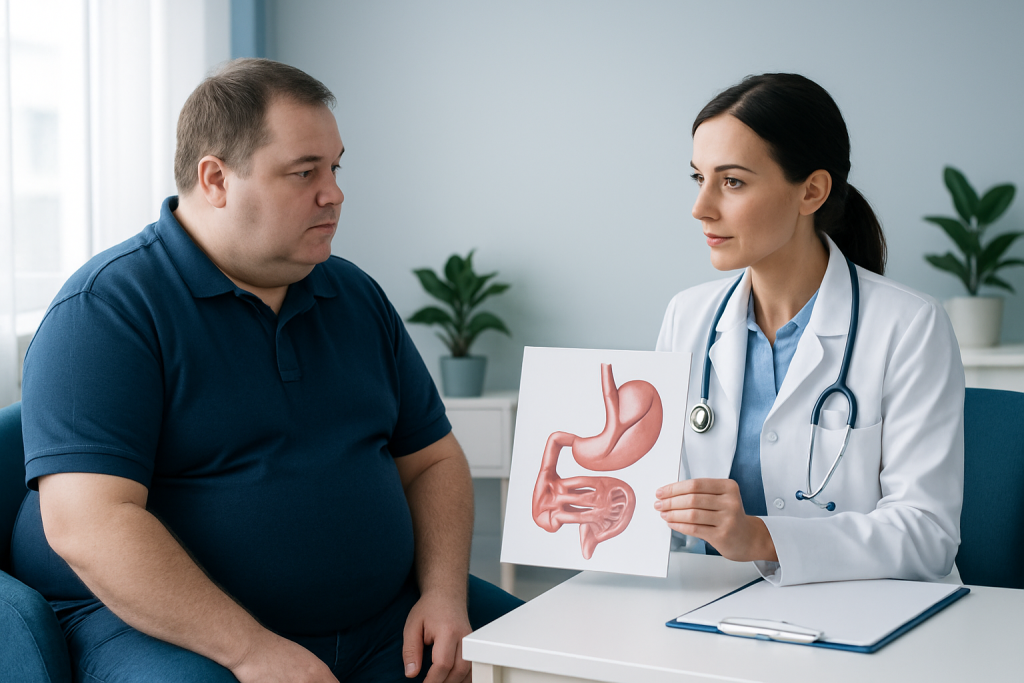
Bariatric procedures affect reflux differently because they alter stomach size, pressure, and flow. Weight loss itself often helps GERD by reducing pressure on the stomach and improving the function of the diaphragm and lower esophageal sphincter. However, the surgery can also change the angle and movement of food in ways that encourage reflux in some patients.
Gastrectomy vs. Gastric Bypass: Differences That Matter Beyond the Operating Room" class="ahp-ilk">Sleeve gastrectomy is commonly discussed in this context because it creates a narrower, tube-shaped stomach. In some people, that shape raises pressure inside the stomach and can increase reflux symptoms. A hiatal hernia, which allows part of the stomach to slide upward, may also play a role if it is present before surgery or develops afterward.
Risk can be higher when a person already has frequent GERD, esophagitis, Barrett’s esophagus, or a history of severe nighttime reflux. Smoking, large meals, lying down soon after eating, alcohol use, and certain medications may add to symptoms. The overall picture matters more than any single factor, which is why surgery planning should be individualized rather than based on weight alone.
- Pre-existing GERD or frequent heartburn
- Hiatal hernia
- Esophageal inflammation or Barrett’s esophagus
- Sleeve gastrectomy in some patients
- Eating patterns and lifestyle habits that aggravate reflux
Diagnosis
Before bariatric surgery, the team may ask detailed questions about heartburn, regurgitation, swallowing, cough, and sleep disruption. A symptom history is often the first clue to whether reflux is mild, significant, or potentially hiding more complex esophageal disease. This history helps decide whether a reflux-friendly operation might be more appropriate.
Depending on the case, doctors may recommend tests such as an upper endoscopy, imaging studies, or reflux monitoring. These evaluations can look for inflammation, hiatal hernia, narrowing, ulcers, or other findings that could influence the surgical plan. They also help create a baseline, which is useful if symptoms change after surgery.
After surgery, diagnosis again begins with symptoms, but the team may investigate for mechanical causes as well as acid-related ones. Reflux-like discomfort can sometimes reflect sleeve narrowing, twisting, delayed emptying, ulceration, or a hiatal hernia. Because the causes are not identical, treatment should not rely on guesswork alone.
Treatment Options
Treatment depends on whether reflux is being considered before surgery or managed after it. When someone already has significant GERD, Roux-en-Y gastric bypass is often discussed as a procedure that may be more reflux-friendly than sleeve gastrectomy. That said, each person’s anatomy, medical history, nutritional needs, and surgical risk profile still guide the final decision.
If reflux appears after surgery, the first step is usually a medical review rather than immediate assumptions. Doctors may recommend diet adjustment, acid-suppressing medication, and evaluation for structural issues. When a hiatal hernia, sleeve shape problem, or other mechanical factor is involved, additional treatment or revision surgery may be considered.
Common approaches can include:
- Medication to reduce stomach acid, when appropriate
- Eating smaller portions and avoiding late meals
- Raising the head of the bed for nighttime symptoms
- Testing for a hiatal hernia or other anatomical causes
- Revision surgery in selected cases if symptoms are persistent and anatomy is contributing
It is important not to self-adjust long-term medication plans without guidance. For patients who live abroad, a written post-op plan that explains which symptoms are expected, which medicines may be needed, and when to seek help can make recovery much safer and less stressful.
Prevention & Self-care
The most effective way to reduce reflux risk starts before surgery. A patient with a strong history of GERD should bring it up early, even if the symptoms seem “manageable.” That information may affect the choice of operation, whether a hiatal hernia is repaired during surgery, and how carefully the esophagus is checked beforehand.
After surgery, day-to-day habits matter. Smaller meals, slower eating, and avoiding lying flat after eating can reduce pressure on the stomach. Common reflux triggers such as very fatty meals, large late-night meals, alcohol, and smoking can also worsen symptoms, though not every person reacts to the same foods.
Useful self-care habits include:
- Follow the post-bariatric diet stages exactly as instructed
- Eat slowly and stop at the first feeling of fullness
- Avoid drinking large amounts with meals if the care team advises otherwise
- Keep follow-up appointments, even if traveling home soon after surgery
- Track symptoms so changes are easier to report and review
Self-care also means protecting nutrition. People recovering from bariatric surgery need structured dietary follow-up so reflux control does not come at the expense of hydration, protein intake, or vitamin and mineral needs. Those moving between countries should confirm where they will obtain laboratory checks and long-term follow-up before discharge.
When to See a Doctor
Anyone with ongoing heartburn or regurgitation after bariatric surgery should inform their surgeon or gastroenterologist, especially if symptoms are new, frequent, or worsening. Reflux that interferes with sleep, eating, or daily comfort should be evaluated rather than watched indefinitely. Early assessment can often prevent a small problem from becoming a larger one.
Seek medical attention promptly if there is difficulty swallowing, repeated vomiting, black stools, vomiting blood, severe chest pain, dehydration, or an inability to keep fluids down. These symptoms do not automatically mean a serious complication, but they do deserve timely review. If the person is recovering far from the original surgical center, local care should be coordinated with the operating team whenever possible.
For patients comparing bariatric options, reflux history deserves the same attention as weight goals and cosmetic expectations. At Acibadem Health Point, multidisciplinary specialists and JCI-accredited hospitals diagnose and treat bariatric-related reflux for international patients, with planning that can support both surgery and follow-up across borders.
Living with Reflux After Bariatric Surgery
Many patients do well after surgery once the right procedure is chosen and follow-up is consistent. If reflux is present, it is often manageable with a combination of diet changes, medication, and targeted evaluation for anatomical causes. The key is not to normalize persistent symptoms just because surgery has already happened.
Questions about reflux should be part of the bariatric journey from the first consultation through long-term recovery. That is especially true for international patients, who may need a plan that covers travel, medication access, warning signs, and local medical contacts after returning home. A well-prepared follow-up plan can make it easier to stay on track and protect both weight-loss results and digestive comfort.
Frequently asked questions
Can bariatric surgery cure acid reflux?
It can improve reflux for some people, especially when weight loss lowers pressure on the stomach. However, not every procedure helps reflux, and some can make symptoms worse. The result depends on the operation and the person’s digestive anatomy.
Which bariatric surgery is usually better for GERD?
Roux-en-Y gastric bypass is often discussed when reflux is already a major concern. Sleeve gastrectomy may be less suitable for some people with frequent heartburn. The best choice should be individualized after testing and review of symptoms.
Is reflux normal after sleeve gastrectomy?
Mild symptoms may happen during recovery, but persistent or worsening reflux should not be ignored. Ongoing heartburn, regurgitation, or swallowing problems deserve medical review. The team may need to look for a hiatal hernia or another structural cause.
Can reflux be treated without another operation?
Yes, in many cases it can be managed with lifestyle changes, acid-reducing medication, and follow-up testing. If anatomy is contributing, additional treatment may be needed. A doctor can help determine which path makes sense.
Should someone with severe GERD avoid bariatric surgery?
Not necessarily. It means the surgical plan should be chosen carefully, and the reflux history should be discussed early. In some cases, surgery may still be helpful, but the procedure type matters a great deal.
What should international patients ask before traveling for surgery?
They should ask which procedure is recommended for their reflux history, what warning signs to watch for, and how follow-up will work after they return home. It is also helpful to know which medicines, diet stages, and local tests may be needed after discharge. A clear written plan makes recovery safer across borders.
References
- American College of Gastroenterology
- National Institute of Diabetes and Digestive and Kidney Diseases
- American Society for Metabolic and Bariatric Surgery
- Society of American Gastrointestinal and Endoscopic Surgeons
- Mayo Clinic
This article is for general information only and is not a substitute for professional medical advice. Please consult a qualified doctor about your individual situation.
More from the Health Library

What Your Diabetes, Sleep Apnea, or Reflux Means for Bariatric Procedure Choice

Gastric Balloon or Surgery: How to Decide If You Need a Temporary or Permanent Solution