Why Do We Yawn

Key Takeaways
- Yawning is a normal reflex, not a sign of weakness or poor willpower.
- The most common triggers are tiredness, boredom, stress, and sleep disruption.
- Excessive yawning can sometimes be linked to medication side effects or medical conditions.
- Diagnosis depends on the pattern, timing, and any accompanying symptoms.
- Self-care starts with sleep habits, hydration, movement, and paying attention to triggers.
Yawning is a common reflex, but frequent or unusual yawning can sometimes reflect sleep loss, stress, medication effects, or an underlying health issue. Most of the time it is harmless, yet patterns that change suddenly deserve attention.
Overview
Yawning is one of the body’s most familiar reflexes, yet it still has a way of puzzling people. A person may yawn when they are sleepy, while listening to a long meeting, after a heavy meal, or even when they see someone else yawn. The movement is usually harmless and brief, but it often invites the question: why do we yawn at all?
In everyday life, yawning is most often associated with fatigue or low alertness. It can also appear during stress, anticipation, or periods of boredom. For most people, occasional yawning is simply part of normal body behavior. What matters more is the pattern—how often it happens, whether it is new, and whether it comes with symptoms such as headache, shortness of breath, fainting, or weakness.
For international patients who are planning travel or long appointments, it can be useful to remember that yawning may increase with jet lag, sleep schedule changes, anxiety, dehydration, or unfamiliar medication routines. These practical factors are often overlooked, yet they are common and easy to discuss with a clinician during an evaluation.
Symptoms
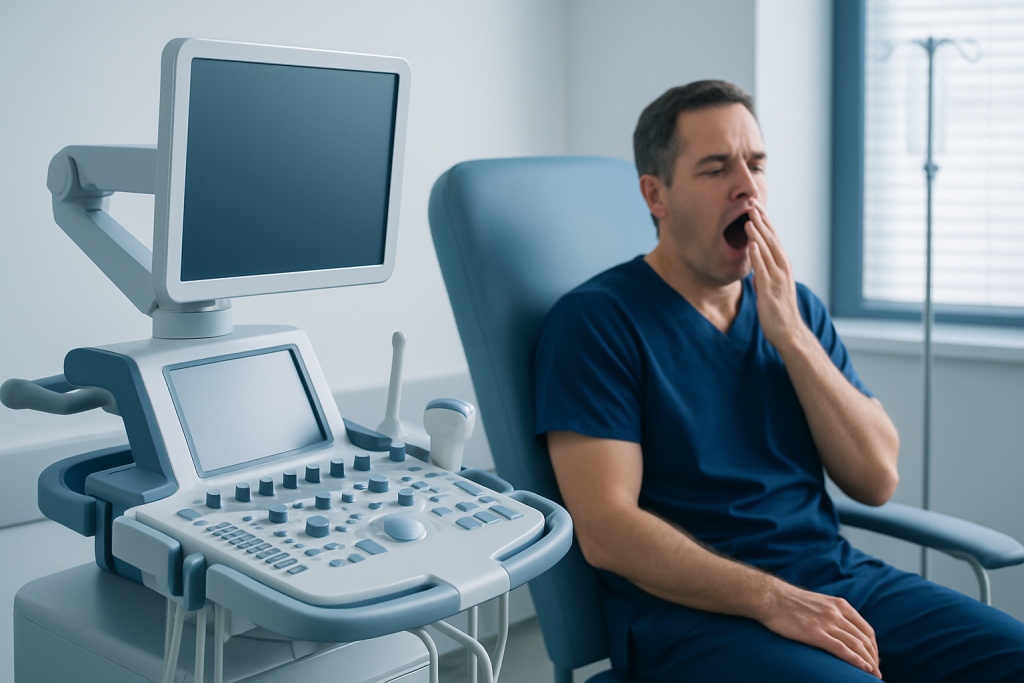
Yawning itself has a recognizable sequence: a wide opening of the mouth, a deep breath in, and then a slower release. Some people stretch, tear up, or briefly feel a change in ear pressure at the same time. Those features are usually normal and do not point to illness on their own.
What may raise a question is excessive yawning—that is, yawning far more often than usual or in situations where it does not fit the person’s typical pattern. In some cases, it appears with obvious sleepiness. In others, it may be accompanied by signs that suggest the body is under strain or that a medical condition should be considered.
- Daytime sleepiness or poor concentration
- Headache or migraine symptoms
- Chest discomfort, shortness of breath, or palpitations
- Nausea, anxiety, or dizziness
- Sudden change in yawning frequency after starting a medication
Yawning alone is rarely a diagnosis. The context matters: a traveler recovering from a red-eye flight, a student under exam stress, and a patient who develops new yawning along with neurological symptoms all need very different interpretations.
Causes & Risk Factors

The question “why do we yawn” does not have one single answer. Researchers continue to study the reflex, and several explanations likely work together. A common idea is that yawning may help regulate alertness and support a transition between states such as wakefulness and sleepiness. Another theory is that it is part of the body’s response to changes in brain arousal, stress, or social cues.
In daily practice, the most common triggers are straightforward. Sleep deprivation, irregular sleep schedules, jet lag, boredom, and mental fatigue are frequent reasons. Emotional strain can also play a role, especially when a person is tense but not physically exhausted. Dehydration, overheating, and spending long periods sitting still may add to the effect.
Certain medications can increase yawning as a side effect, including some treatments that affect mood, pain, or nerve signaling. Less commonly, frequent yawning can be associated with migraine, seizures, stroke, multiple sclerosis, heart problems, or problems affecting the brainstem. These conditions usually cause other symptoms as well, which is why the overall picture is so important.
Risk factors for frequent yawning often overlap with broader health and lifestyle patterns:
- Not getting enough restorative sleep
- Shift work or crossing time zones
- High stress or anxiety
- Medication changes
- Untreated sleep disorders such as sleep apnea
- Neurological or cardiovascular disease
In most cases, yawning is a normal reflex amplified by everyday life. A clinician will look for the more unusual pattern—the one that is new, persistent, or paired with other changes.
Diagnosis
There is no single test for yawning. Instead, diagnosis begins with a careful history. A doctor will ask when the yawning started, how often it happens, what time of day it is most noticeable, and whether anything makes it better or worse. They will also review sleep habits, stress levels, travel history, and current medicines.
If yawning appears to be part of a broader issue, the evaluation may focus on sleep quality, mood symptoms, neurological complaints, or cardiovascular concerns. For example, someone with loud snoring and daytime sleepiness may be assessed for sleep apnea, while a person with new headache or weakness may need a neurological examination.
Depending on the situation, the doctor may recommend blood tests, sleep studies, heart testing, or imaging. These are not routine for every patient with yawning, but they can be useful when the symptom is unusual or persistent. The goal is not to “test the yawning” itself, but to identify any underlying cause that deserves treatment.
For patients traveling from another country, bringing a medication list, recent medical records, and a short symptom diary can make the assessment much more efficient. Small details—such as when the yawning began after a flight, a new prescription, or a change in sleep schedule—often help narrow the explanation quickly.
Treatment Options
Treatment depends entirely on the cause. If yawning is related to sleep loss, the most effective approach is to improve sleep quantity and consistency rather than to focus on the yawning itself. If it is linked to stress, anxiety, or prolonged fatigue, addressing those pressures often reduces the symptom naturally.
When a medication is suspected, the prescribing clinician may review whether the timing fits a side effect. In some cases, a switch to a different medicine may be appropriate. Patients should not stop a prescription on their own, especially if it is being used for mood, heart, seizure, or neurological conditions.
If an underlying medical condition is found, treatment is directed at that illness. For example, sleep apnea may require sleep-focused management, migraine may need a preventive or rescue plan, and neurological or cardiac conditions are managed according to specialist advice. Yawning usually improves when the root problem is addressed.
Supportive measures can also help while the cause is being evaluated:
- Keep a regular sleep schedule as much as possible
- Drink enough water during the day
- Take short movement breaks during long sitting periods
- Limit alcohol and other substances that can worsen sleep quality
- Track when yawning happens and what else is going on at the time
These steps are simple, but they are often useful because they reveal patterns. A symptom diary can show whether yawning follows travel, a medication dose, skipped meals, stress, or poor sleep.
Prevention & Self-care
Not every yawn can be prevented, and that is perfectly normal. Still, people who notice frequent yawning often benefit from a few practical habits that support alertness and reduce triggers. The aim is not to eliminate yawning completely, but to lower unnecessary fatigue and make the body’s signals easier to interpret.
Sleep hygiene is usually the first place to start. Going to bed and waking at consistent times, keeping the sleep environment quiet and dark, and limiting screen time before bed can all support more stable rest. For frequent travelers, gradual adjustment to time zones, good hydration, and exposure to daylight at the right times may help reduce jet-lag-related yawning.
Movement also matters. Long periods of stillness can make yawning more noticeable, so standing up, stretching, or taking a short walk may help during office work, flights, or long clinic visits. Balanced meals and steady fluid intake can be useful as well, especially if yawning seems worse when a person has not eaten or has been busy for many hours.
Self-care is also about observation. A brief note on when yawning happens, what the person was doing, and whether there were other symptoms can help identify patterns early. That information is especially valuable if the person sees a doctor in another country or needs care at a later date.
When to See a Doctor
Occasional yawning usually does not require medical attention. A doctor’s advice becomes more important when yawning is new, persistent, or clearly out of proportion to sleepiness or boredom. It is also worth discussing if yawning began after a medication change or after a recent illness.
Medical review is especially sensible if yawning appears together with other symptoms, because those symptoms may point to a sleep, neurological, or cardiac issue. Seeking prompt assessment is appropriate if yawning comes with fainting, chest pain, shortness of breath, severe headache, weakness, confusion, speech difficulty, or sudden changes in vision.
For people who are traveling or planning treatment away from home, it is helpful to gather records before the visit whenever possible. A clear list of symptoms, medicines, and recent changes allows the clinician to make faster, safer decisions. Acibadem Health Point’s multidisciplinary specialists and JCI-accredited hospitals diagnose and treat conditions like these for international patients in a coordinated setting.
Even when the cause turns out to be simple, a medical conversation can be reassuring. It can also prevent small issues—like poor sleep, dehydration, or a side effect—from being mistaken for something more serious or left unaddressed for too long.
A Note on the Bigger Picture
Yawning is a small action with a wide range of possible explanations. In many cases, it is just the body’s way of responding to tiredness, routine, or a change in attention. In other cases, it can serve as a quiet clue that sleep, stress, medication use, or an underlying medical condition deserves a closer look.
Understanding the pattern is usually more useful than worrying about the reflex itself. When people notice what comes before the yawning, how often it happens, and what else is changing at the same time, they are often better prepared to discuss it with a qualified doctor and get practical guidance.
Frequently asked questions
Why do we yawn so much when we are tired?
Yawning often appears when the brain and body are shifting toward lower alertness. Tiredness, poor sleep, and irregular sleep schedules can make the reflex more frequent. In many people, it is simply a sign that rest is needed.
Can stress or anxiety make someone yawn more?
Yes. Stress and anxiety can change breathing patterns, muscle tension, and overall arousal, which may increase yawning. This does not mean the symptom is dangerous by itself, but it is worth mentioning if it is frequent or new.
Is excessive yawning ever a sign of a medical problem?
It can be, especially when it starts suddenly or comes with other symptoms. Sleep disorders, medication side effects, migraine, neurological conditions, and heart problems are among the possibilities a doctor may consider. Most people with frequent yawning do not have a serious illness, but context matters.
Does yawning mean the body needs more oxygen?
That idea is common, but the full explanation is more complex and not settled. Yawning seems to involve changes in alertness, brain state, and possibly social and temperature-related factors. It is best understood as a normal reflex with several possible triggers.
Should a person stop a medicine if yawning starts after taking it?
No, not without speaking to the prescribing clinician. Some medicines can cause yawning, but stopping them abruptly may be unsafe. A doctor can decide whether the medicine should be adjusted or changed.
When does yawning need urgent medical attention?
Urgent care is important if yawning comes with chest pain, shortness of breath, fainting, confusion, weakness, severe headache, or trouble speaking. Those symptoms are more concerning than the yawning itself and should be assessed promptly.
References
- World Health Organization
- National Sleep Foundation
- Mayo Clinic
- Cleveland Clinic
- National Institute of Neurological Disorders and Stroke
This article is for general information only and is not a substitute for professional medical advice. Please consult a qualified doctor about your individual situation.