Epidemiologist

Key Takeaways
- Epidemiologists study health trends in groups, not just illness in one person.
- Their work helps track outbreaks, identify risk factors, and guide prevention strategies.
- Epidemiology supports decisions in hospitals, public health agencies, and research settings.
- A strong epidemiologist combines data skills, scientific thinking, and clear communication.
- People may encounter epidemiology through vaccination programs, screening, infection control, and health advisories.
An epidemiologist studies patterns of health and disease in populations, helping communities understand what makes people ill, what protects them, and how outbreaks can be controlled. Their work supports prevention, safer health planning, and better decisions for patients, families, and public health teams.
Overview
An epidemiologist is a health professional who studies how diseases and other health conditions appear, spread, and change across populations. Instead of focusing on one patient at a time, this specialist looks at patterns: who is affected, where illness is happening, when it is occurring, and what factors may be involved.
This work sits at the center of prevention. When a community sees more cases of influenza, foodborne illness, tuberculosis, or another condition, epidemiologists help health teams understand whether the increase is random, seasonal, linked to an exposure, or part of a wider outbreak. Their findings can shape testing, vaccination, travel advice, hospital precautions, and public health messaging.
For international patients, epidemiology often becomes visible in practical ways: before travel, during screening, when selecting a hospital, or when asking why certain tests or isolation steps are recommended. In that sense, epidemiology is not abstract theory; it is one of the tools that helps care teams make safer, evidence-based decisions for individuals and communities alike.
What Epidemiologists Actually Do
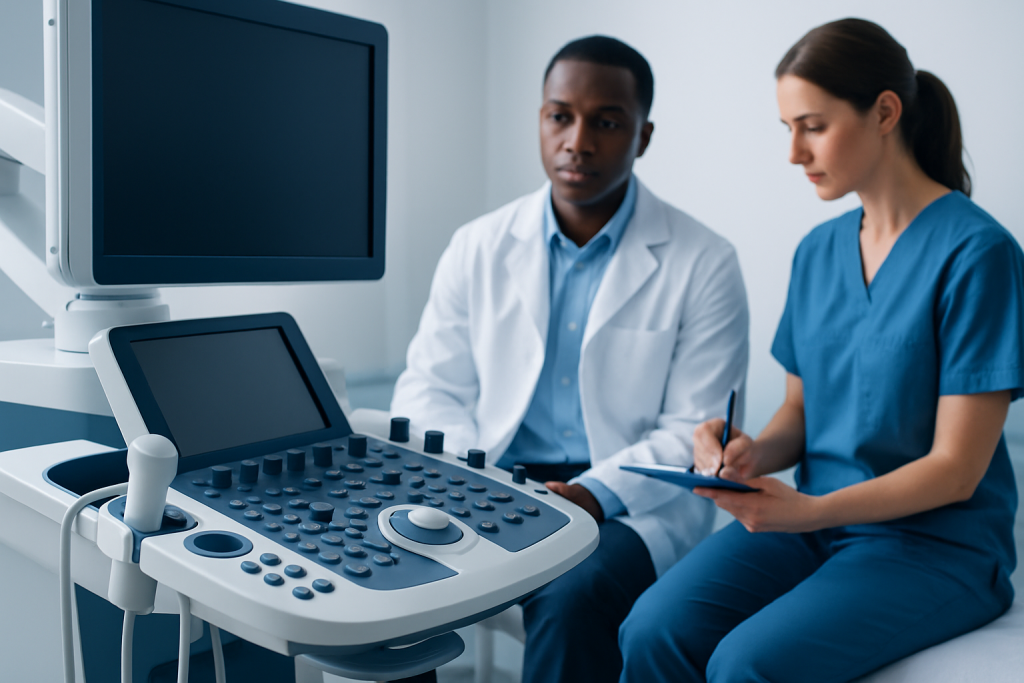
The daily work of an epidemiologist can vary depending on whether they work in a government agency, university, hospital, or research organization. Some spend much of their time analyzing data, while others investigate outbreaks, design studies, or advise on infection control and prevention policies. Many work closely with physicians, laboratory teams, statisticians, and public health officials.
A common task is surveillance: reviewing reports to spot unusual changes in illness patterns. For example, if a certain infection appears in several places at once, an epidemiologist may help determine whether the cases are connected. They may ask about timing, shared exposures, recent travel, food sources, workplaces, or healthcare contact.
They also help answer broader questions that affect long-term health planning. Which communities have lower vaccination coverage? Which screening programs are reaching people early enough? Which behaviors, environmental exposures, or social conditions are linked to higher disease risk? The answers help shape practical interventions rather than broad assumptions.
- Monitoring disease trends
- Investigating outbreaks
- Studying risk factors and protective factors
- Evaluating public health programs
- Communicating findings clearly to decision-makers
Why Epidemiology Matters to Patients and Families
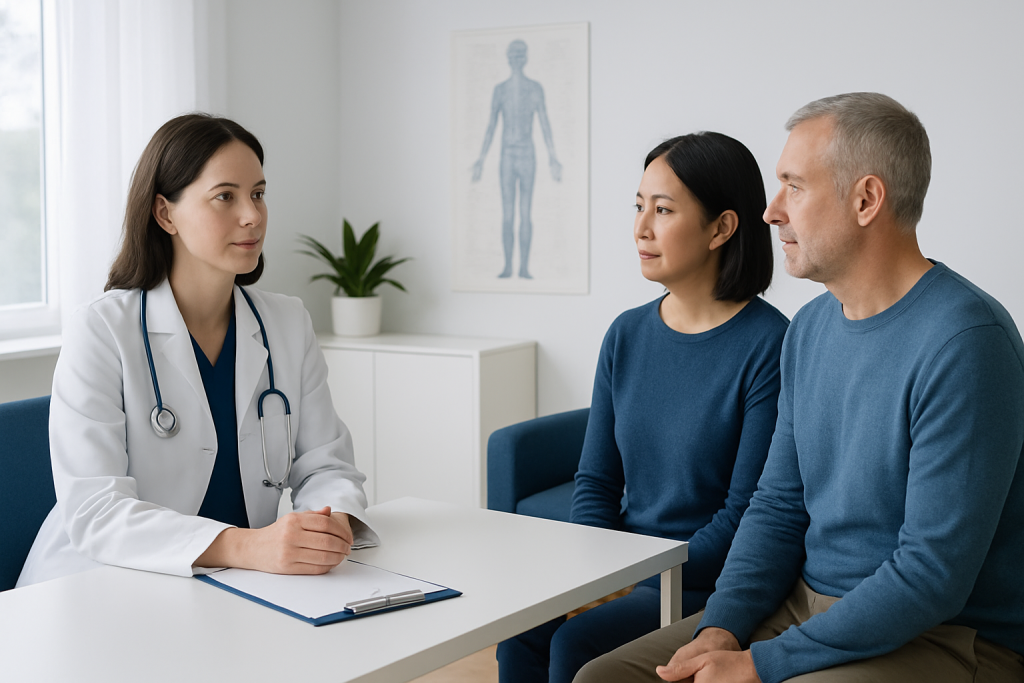
Most people first notice epidemiology when it influences everyday care. It may explain why a doctor recommends a particular vaccine, why a hospital asks about travel history, or why screening is offered earlier for certain groups. The goal is not to create concern; it is to reduce avoidable illness by using evidence about what works.
Epidemiology also matters when families are trying to understand uncertainty. During an outbreak, patients may hear many different messages from social media, news outlets, and friends. Epidemiologists help separate signal from noise by looking at verified data rather than isolated stories. Their work can support calmer, more reliable guidance.
For those seeking Varicose Vein Treatment Abroad: When Stockings Are Enough and When Procedures Help More" class="ahp-ilk">treatment abroad, epidemiology can influence pre-travel planning and follow-up care. International patients may be advised to share recent travel, exposures, vaccination status, or community illness trends so the receiving team can make informed decisions. This is especially useful when care involves infectious disease testing, cancer screening, pregnancy care, chronic disease prevention, or rehabilitation planning after an illness that had a public health component.
Education, Skills, and Career Path
Epidemiologists usually come from a background in public health, medicine, biology, statistics, or a related field. Many hold a master’s degree or doctoral training in epidemiology or public health, although the exact path can differ by country and workplace. Technical knowledge is important, but so are curiosity, patience, and the ability to work with incomplete information.
Because the work depends heavily on data, strong analytical skills are essential. Epidemiologists must be able to interpret numbers, compare groups fairly, consider bias, and recognize when a pattern may be misleading. Just as important is communication: findings only help people when they are explained in plain language to clinicians, policy teams, and the public.
Many professionals in this field also develop expertise in specific areas such as infectious diseases, chronic disease, maternal health, environmental exposures, cancer patterns, or injury prevention. The specialty often grows over time, shaped by the health problems that need the most careful attention in a given region or healthcare system.
- Critical thinking and data analysis
- Knowledge of research methods
- Clear written and verbal communication
- Ability to collaborate across disciplines
- Attention to ethics, confidentiality, and accuracy
How Epidemiologists Support Diagnosis and Outbreak Response
Although epidemiologists do not usually diagnose one patient at the bedside, their work can still influence diagnosis in meaningful ways. When a cluster of symptoms appears in a school, workplace, hospital ward, or neighborhood, epidemiologic investigation can help identify the likely cause and guide which tests should be done first. That can shorten delays and improve safety for others who may be exposed.
In outbreak response, timing matters. An epidemiologist may help define a case, identify who needs to be tested, and map how the illness may be spreading. They may also examine whether a product, food item, insect exposure, water source, or healthcare procedure is involved. If infection control steps are needed, they help teams decide what is proportionate and evidence-based.
This role often becomes especially important in international care settings, where patients may arrive with recent travel history, prior treatment elsewhere, or conditions that require careful coordination. In those situations, multidisciplinary specialists and JCI-accredited hospitals such as Acibadem Health Point may help diagnose and treat the condition for international patients, while keeping the approach grounded in safe, coordinated clinical practice.
Prevention, Risk Reduction, and Public Health Planning
Prevention is where epidemiology has some of its greatest impact. By identifying risk factors early, epidemiologists help design interventions that can reduce illness before it spreads. This might include vaccination campaigns, screening programs, hand hygiene guidance, workplace safety measures, or healthier environmental policies.
They also help assess whether prevention efforts are actually working. A program may look effective on paper, but data can show whether it reaches the right people, whether follow-up is strong, and whether health outcomes improve over time. That feedback loop matters because prevention is not one-size-fits-all; it needs adjustment for different communities, ages, exposures, and access barriers.
Patients can think of epidemiology as the bridge between a health event and a practical response. The question is not only what happened, but what should happen next so that future cases are less likely. That perspective supports both immediate outbreak control and long-term health planning.
What Patients Can Do to Support Epidemiologic Work
Patients and families often contribute more than they realize. Giving an accurate history about symptoms, travel, recent meals, contacts, vaccination status, and exposures can help clinicians and public health teams identify the source of a problem more efficiently. Small details can matter, especially when several people share similar symptoms.
If contacted during an investigation, it is usually helpful to respond calmly and honestly. Epidemiologic questions are not meant to assign blame; they are designed to protect the wider community. Sharing information promptly can support timely testing, isolation if needed, and protection of close contacts.
At home, general preventive habits remain valuable: staying up to date with recommended vaccines, practicing hand hygiene, following food safety guidance, attending screening appointments, and seeking medical advice when symptoms are unusual or persistent. These steps are simple, but they work best when paired with sound public health information.
- Keep vaccination records accessible
- Note recent travel and exposure history
- Follow testing or isolation instructions if advised
- Use trusted sources for health updates
- Attend screening and follow-up appointments
When to Seek Medical Advice
Medical advice is appropriate when symptoms are persistent, severe, unusual, or occurring after a known exposure. This is especially important during outbreaks, after international travel, or when several people in the same household or community become ill at the same time. Early assessment can help determine whether testing, monitoring, or treatment is needed.
People should also contact a doctor if they have questions about vaccination, screening, infection control, or travel-related health precautions. For patients with chronic conditions, pregnancy, weakened immunity, or a complex medical history, prevention plans may need to be individualized.
If a public health team reaches out for an interview or follow-up, it is generally wise to take the communication seriously and keep records of any instructions received. A careful, coordinated response helps protect both the individual and the wider community.
A Practical View of a Public Health Profession
The work of an epidemiologist can seem behind the scenes, yet it touches nearly every part of modern health care. From helping detect outbreaks to informing screening guidelines, this profession turns population data into decisions that can protect many lives at once. For patients, that often means better timing, clearer advice, and more targeted prevention.
When care crosses borders, these same principles still apply. A careful history, reliable testing, and coordinated follow-up help reduce uncertainty and improve safety. That is why epidemiology remains one of the quiet but essential foundations of patient care.
Understanding the role of an epidemiologist can also help patients feel more confident when public health questions arise. The aim is always the same: to use evidence thoughtfully, communicate clearly, and support healthier outcomes for individuals and communities.
Frequently asked questions
What is the main job of an epidemiologist?
An epidemiologist studies how diseases and health conditions affect groups of people. Their goal is to understand patterns, identify risks, and help prevent illness through evidence-based action.
Do epidemiologists treat patients?
Most epidemiologists do not provide bedside treatment in the way a clinician does. Instead, they support diagnosis, prevention, outbreak control, and public health planning by analyzing data and guiding decisions.
How is epidemiology different from medicine?
Medicine usually focuses on the health of an individual patient, while epidemiology looks at health across populations. The two fields work together, especially when a diagnosis has implications for families, communities, or public health systems.
Why might a doctor ask about travel or contacts?
Travel and contact history can help identify possible exposures and determine whether symptoms may be part of an outbreak or a contagious illness. This information can guide testing and help protect others who may have been exposed.
Can epidemiology help prevent disease?
Yes. Epidemiology is one of the main tools used to design vaccines, screening programs, infection-control measures, and other prevention strategies. It helps health teams focus on what is most likely to work in real communities.
What should international patients share with their care team?
International patients should share recent travel, past treatments, vaccination records, symptoms, and any known exposures. These details help the receiving team choose the safest and most appropriate tests and follow-up plan.
References
- World Health Organization
- Centers for Disease Control and Prevention
- The Lancet
- European Centre for Disease Prevention and Control
- National Institutes of Health
This article is for general information only and is not a substitute for professional medical advice. Please consult a qualified doctor about your individual situation.