Limb Lengthening Surgery Cost and Risks

Key Takeaways
- Costs vary widely depending on the technique, hospital setting, surgeon experience, implants, and length of follow-up care.
- Risks can include infection, nerve irritation, stiffness, slow bone healing, and the need for further procedures.
- Recovery is gradual and usually involves frequent imaging, physical therapy, and careful daily adjustments if an external or internal device is used.
- A full treatment plan should include travel, accommodation, rehabilitation, and long-term follow-up, especially for international patients.
- A qualified orthopedic team can explain whether the procedure is appropriate and what results may be realistic in each individual case.
Limb lengthening surgery is a complex orthopedic procedure that can help increase bone length for medical or reconstructive reasons. Understanding the factors that shape cost and the possible risks can help patients plan more confidently and ask the right questions before treatment.
Overview
Limb lengthening surgery is an orthopedic procedure that gradually increases the length of a bone, most often in the legs. It is sometimes performed to address a leg length difference, correct a deformity, or, in selected cases, meet a patient’s reconstructive needs after injury or congenital conditions. The process is careful and slow because healthy bone and surrounding tissues need time to adapt.
When people search for limb lengthening surgery cost, they are usually trying to understand more than a single hospital bill. The total expense often reflects the surgical technique, the type of implant or external frame, the length of rehabilitation, and the frequency of follow-up visits. For patients traveling from another country, practical details such as accommodation, interpreter support, and time away from work also matter.
Because this procedure affects bone, muscles, joints, nerves, and mobility, it is usually planned by an orthopedic team with imaging, gait assessment, and a discussion of expected recovery. A good consultation focuses not only on whether the operation is technically possible, but also on whether the patient can safely complete the long recovery process that follows.
Symptoms and situations that may lead to surgery
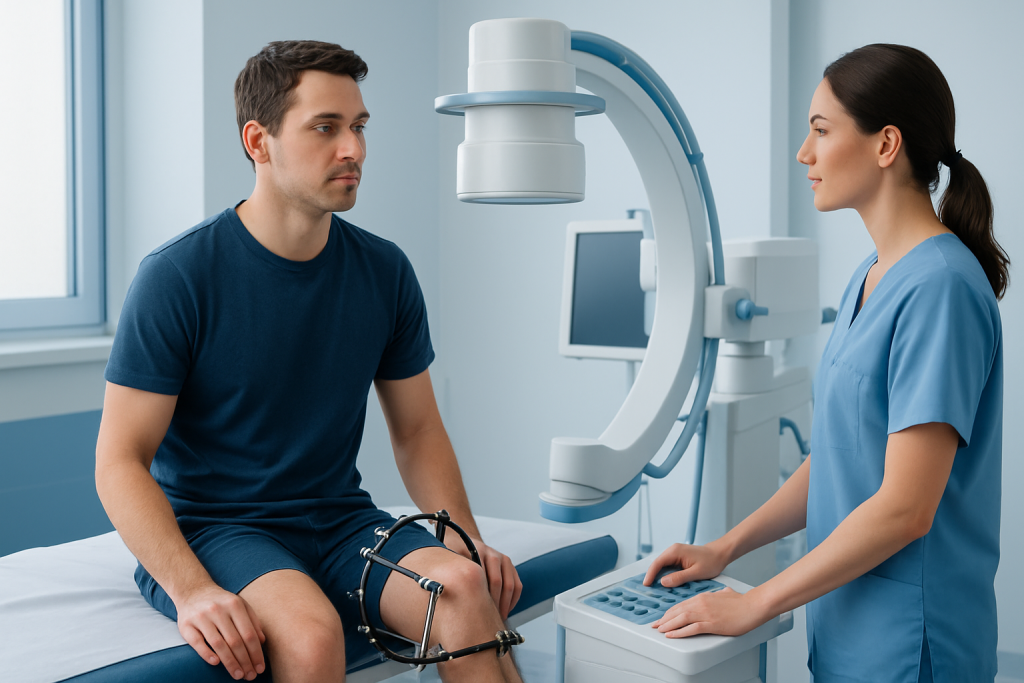
Limb lengthening is not typically chosen for general aches or mild differences in height. It is usually considered when a measurable leg length discrepancy causes walking difficulties, back strain, hip or knee problems, or cosmetic and functional concern that has not been resolved in another way. In some cases, the surgery is part of a broader reconstructive plan after trauma, infection, or childhood bone disease.
People may notice uneven shoe wear, a visible limp, pelvic tilt, or pain that becomes more noticeable after standing or walking for long periods. Children and adolescents with growth-related differences are evaluated differently from adults, since growth plates, bone development, and timing all influence the best approach. Adults may need a more detailed review of bone quality and joint flexibility before surgery is recommended.
Symptoms alone do not determine whether surgery is suitable. Orthopedic specialists usually confirm the issue with measurements and scans and then consider the person’s overall health, expectations, and ability to participate in rehabilitation. In many cases, non-surgical measures such as shoe lifts, physiotherapy, or observation are reviewed first.
Causes and risk factors

Limb length differences can arise for several reasons. Some are present at birth, while others develop after fracture healing problems, infection, bone tumor treatment, growth plate injury, or certain congenital and developmental conditions. In some patients, the goal of surgery is not simply to add length, but to improve alignment and balance so that the body can move more efficiently.
Several factors can affect the risks of the operation and the final cost. These include the degree of lengthening planned, whether an internal lengthening nail or an external fixator is used, and whether the patient needs additional procedures before or after the main surgery. General health also matters, since diabetes, smoking, poor bone quality, or circulation problems may affect healing.
International patients often need to plan for added logistical factors as well. A longer stay may be needed for early monitoring, and follow-up imaging or device adjustments can continue after the patient returns home. These practical needs do not change the surgery itself, but they do influence the total experience and should be discussed early.
How diagnosis and pre-operative planning work
Before recommending surgery, the orthopedic team usually performs a detailed history and physical examination. Leg length is measured carefully, joint movement is assessed, and imaging such as standing X-rays or other scans may be used to map the difference and study alignment. If the issue is complex, the plan may involve more than one bone or include correction of angulation in addition to length.
Pre-operative planning often includes checking blood tests, reviewing medications, and discussing anesthesia. The team may also assess muscle tightness, spine posture, and walking pattern, because these can affect recovery. For patients coming from abroad, pre-surgical planning also needs to account for how long they should stay near the treating hospital and what kind of local rehabilitation will be available later.
A useful consultation should end with a clear explanation of the treatment pathway. Patients should understand the target length, the expected time frame, the likely number of follow-up visits, and the warning signs that need prompt medical attention. This helps set realistic expectations before the first incision is made.
Treatment options and what affects cost
The exact method used for limb lengthening plays a major role in cost. Some patients are treated with an external fixator, a device attached outside the body that allows gradual adjustment. Others may be treated with an internal lengthening nail, placed inside the bone. Each option has different implications for hospital time, equipment, follow-up, comfort, and rehabilitation.
Costs may also reflect surgeon expertise, imaging, anesthesia, operating room time, the complexity of the bone correction, and whether additional procedures are needed. In some cases, bone lengthening is combined with deformity correction, soft tissue release, or later hardware removal. Rehabilitation services, physical therapy, and serial check-ups can add substantially to the overall treatment plan, even if they are not part of the surgical fee itself.
When comparing options, it is often more helpful to ask for a detailed treatment outline than to focus only on a single price. Patients should request clarification on what is included, such as pre-operative tests, device costs, hospital stay, routine follow-up, and any anticipated revision procedures. For international patients, travel and recovery accommodation should also be included in the financial discussion so there are no surprises later.
- Type of lengthening device used
- Need for bone or soft tissue correction
- Hospital stay and anesthesia
- Frequency of imaging and clinic reviews
- Physical therapy and rehabilitation support
- Possible later procedures, such as device removal
Risks and possible complications
Like any major orthopedic surgery, limb lengthening carries risks. Common concerns include pain, swelling, stiffness, and temporary difficulty walking or sleeping comfortably. Some patients also experience irritation around pins or screws when an external fixator is used, or discomfort related to internal hardware.
More significant complications can include infection, delayed bone healing, bone not healing as expected, nerve irritation, blood vessel injury, joint contracture, or muscle tightness that limits movement. The longer the bone is lengthened, the more important it becomes to monitor the surrounding soft tissues. This is one reason the process is gradual and carefully supervised rather than done all at once.
There is also a practical risk that recovery may take longer than expected, especially if follow-up visits are missed or physiotherapy is interrupted. Patients who smoke, have nutritional problems, or start with limited mobility may need closer monitoring. A responsible surgical team discusses these possibilities openly so that the decision is informed rather than rushed.
Recovery, prevention, and self-care
Recovery from limb lengthening is usually measured in months, not days. The bone is lengthened gradually, and then the new bone must harden while muscles and joints keep adapting. This means daily routines often change for a time, especially when walking aids, stretching, and supervised physiotherapy are needed.
Self-care focuses on protecting healing and preserving motion. Patients are often advised to follow the device adjustment plan exactly as instructed, attend all imaging visits, and keep up with rehabilitation exercises. Good nutrition, adequate protein intake, hydration, and avoidance of smoking support bone healing. It is also important to report increasing pain, fever, redness, drainage, numbness, or loss of movement without delay.
For those considering treatment from another country, recovery planning should start before travel. That includes arranging local support at home, understanding which follow-up appointments may still be needed, and confirming how to contact the surgical team after return. Thoughtful planning can make the process more manageable and reduce avoidable setbacks.
When to see a doctor
A specialist assessment is appropriate if there is a known leg length difference, persistent limp, pain that affects daily activity, or a previous injury that healed unevenly. Patients who are thinking about limb lengthening for functional or reconstructive reasons should speak with an orthopedic surgeon rather than relying on online estimates alone, because candidacy depends on measurements and overall health.
Medical advice should be sought promptly if a person after surgery develops worsening pain, fever, foul-smelling drainage, new numbness, increasing swelling, or difficulty moving the foot or ankle. These symptoms do not always mean something serious, but they do deserve timely review. Early attention can often prevent a small issue from becoming a larger one.
For patients seeking care abroad, a coordinated consultation can help compare treatment choices, recovery timelines, and realistic cost expectations. Acibadem Health Point’s multidisciplinary specialists and JCI-accredited hospitals diagnose and treat this condition for international patients, with attention to both surgical planning and follow-up needs. The best plan is the one that is medically appropriate, clearly explained, and feasible to complete.
Frequently asked questions
How much does limb lengthening surgery cost?
The cost varies widely because it depends on the surgical method, hospital setting, length of stay, and the amount of follow-up care needed. A detailed estimate should include pre-operative tests, the device used, rehabilitation, and possible later procedures.
Is limb lengthening surgery risky?
Yes, it is a major orthopedic procedure and can involve infection, stiffness, nerve irritation, delayed healing, or hardware-related discomfort. The risks are managed through careful planning, gradual lengthening, and close follow-up with the surgical team.
How long does recovery usually take?
Recovery is gradual and may take several months, depending on how much lengthening is performed and how the bone responds. Physiotherapy and imaging checks are typically part of the process throughout healing.
Can adults have limb lengthening surgery?
Yes, adults can be candidates in selected cases, especially when there is a significant leg length difference or a reconstructive reason. The decision depends on bone health, joint flexibility, overall medical condition, and the patient’s ability to complete rehabilitation.
What should an international patient ask before traveling for surgery?
It helps to ask what is included in the estimate, how long the stay is likely to be, and what follow-up will be needed after returning home. Patients should also confirm rehabilitation plans, contact options for questions, and whether additional visits may be required.
Are there alternatives to surgery?
In some cases, shoe lifts, physiotherapy, observation, or other orthopedic measures may be appropriate. A specialist can explain whether non-surgical options are likely to help or whether surgery offers a better chance of improving function.
References
- American Academy of Orthopaedic Surgeons
- AAOS OrthoInfo
- Mayo Clinic
- National Institute of Arthritis and Musculoskeletal and Skin Diseases
- Hospital for Special Surgery
This article is for general information only and is not a substitute for professional medical advice. Please consult a qualified doctor about your individual situation.
More from the Health Library

Breast Augmentation Abroad: How Starting Shape Changes the Choice Between Implant, Fat Transfer, and Lift

Eyelid Surgery Planning: When Puffiness, Hooding, or Brow Position Changes the Recommendation

Hair Replacement in Istanbul: What Patients Should Know
Related Specialists

Dr. Mutluhan Temizsoy
Aesthetic Plastic & Reconstructive Surgery
Dr. Meltem Hüner
Infectious Diseases & Clinical Microbiology
Dr. Hasan Fıstıkçı
Pulmonology
Dr. Erkan Adnan Kelebek
Coronary Intensive Care Unit