

What Is Ozempic Face

Key Takeaways
- Ozempic face is a popular phrase for facial volume loss after significant weight loss.
- The change is usually related to loss of facial fat, not damage from the medicine itself.
- Age, speed of weight loss, and skin elasticity can affect how noticeable it becomes.
- Healthy weight-loss pacing, good nutrition, hydration, and skincare may help support the skin.
- Dermatologic or aesthetic treatments can be considered if facial changes are distressing.
“Ozempic face” is an informal term for a more hollow or tired-looking face that can appear after rapid weight loss, including weight loss linked to GLP-1 medicines such as semaglutide. It is not a disease, but a cosmetic change that may reflect reduced facial fat and skin laxity.
Overview
“Ozempic face” is a social-media term, not a medical diagnosis. It is commonly used to describe a slimmer face that may look more hollow, tired, or aged after meaningful weight loss, including weight loss that happens while using medications such as semaglutide.
The face naturally contains fat that helps support soft contours and a youthful appearance. When overall body weight drops, facial fat can shrink too, making bones, folds, and skin laxity more visible. For some people this is a welcome part of their transformation; for others, especially when the change is fast, the result can feel unexpected.
It helps to think of this as part of the broader effects of weight loss on the body rather than a separate illness. In international-patient settings, people often ask about it while planning treatment abroad because they want to understand both the metabolic benefits of weight management and the cosmetic changes that may follow.
Symptoms
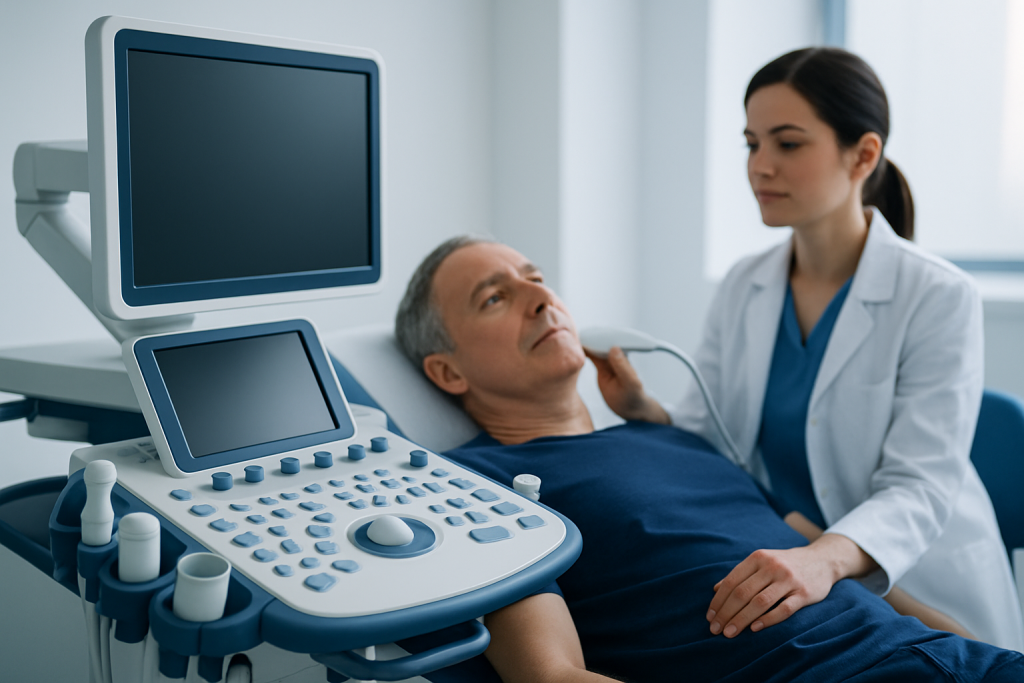
Ozempic face is usually recognized by changes in facial shape rather than by pain or inflammation. People may notice that the cheeks look flatter, the jawline appears more angular, or the skin under the eyes seems looser than before.
Common features can include:
- Reduced fullness in the cheeks or temples
- More visible nasolabial folds or marionette lines
- Under-eye hollowing or a tired appearance
- Skin that seems less firm or more wrinkled
- A sharper, less rounded facial outline
These changes vary widely. Some people notice only subtle differences, while others feel that their face changed more quickly than the rest of their body. Facial appearance also depends on age, genetics, sun exposure, and how much weight was lost overall.
Causes & Risk Factors

The main reason for Ozempic face is loss of facial volume during weight reduction. When body fat decreases, the face can lose the cushioning that previously supported the skin, which may reveal underlying structures more clearly.
Several factors can make the change more noticeable. Rapid weight loss may give the skin less time to adapt. Older adults often have less skin elasticity, so the face may recover its shape less easily. People with a lower starting body mass, a history of sun damage, smoking exposure, or naturally thinner facial features may also see stronger changes.
It is important to separate the medication from the body’s response to weight loss. GLP-1 medicines such as semaglutide can be very effective tools for metabolic health when used appropriately, but any significant reduction in weight can alter facial contours. The extent of change is influenced more by the speed and amount of weight loss than by the name of the medicine alone.
Diagnosis
There is no formal test for Ozempic face. In practice, a clinician or aesthetic specialist identifies it by reviewing weight-loss history, examining facial volume, and asking when the changes began.
During an assessment, the doctor may also consider whether the facial appearance is due to weight loss alone or whether another issue is contributing, such as dehydration, poor nutrition, hormonal changes, dental problems, or age-related skin laxity. This is one reason a broader health review is useful before choosing any cosmetic treatment.
For international patients, an in-person evaluation can be especially helpful because facial treatment planning is individualized. The clinician may discuss whether the person is still actively losing weight, whether the weight has stabilized, and how much improvement might occur naturally over time once weight becomes steady.
Treatment Options
Not everyone with Ozempic face needs treatment. In some people, the face gradually settles once weight stabilizes and the skin has time to adapt. If the change remains bothersome, several options may be discussed depending on goals, age, and skin quality.
Non-surgical approaches may include dermal fillers to restore volume, skin-tightening procedures, or treatments that stimulate collagen. A dermatologist or plastic surgeon may suggest combinations rather than a single procedure, since hollowing, fine lines, and laxity are often present together. The best choice depends on the face’s structure and the person’s expectations.
Surgical options are less commonly needed, but some patients with significant volume loss or laxity may consider them. A qualified specialist can explain likely benefits, recovery time, and whether treatment should wait until weight has been stable for a period. This is particularly important for people traveling for care, since follow-up visits and healing time should be planned in advance.
Prevention & Self-care
It may not be possible to prevent every facial change during weight loss, but some habits can support skin health and make transitions gentler. A slower, medically supervised pace of weight loss may give the face more time to adjust than rapid change.
General self-care can also help the skin look and feel healthier. Adequate protein, balanced nutrition, hydration, sleep, and daily sun protection are all useful. A basic skincare routine that includes gentle cleansing, moisturization, and sunscreen may support the skin barrier, though it will not replace lost facial fat.
People using GLP-1 medicines should stay in touch with their prescribing clinician. If weight loss is progressing too quickly, if appetite is very low, or if there are signs of undernutrition, the treatment plan may need adjustment. Maintaining strength through light exercise and resistance training can also support a healthier overall result.
When to See a Doctor
It is reasonable to speak with a doctor if facial changes are distressing, happen very quickly, or are accompanied by other symptoms such as weakness, dizziness, poor intake, or unintended excessive weight loss. A clinician can check whether the appearance change is part of normal weight loss or whether another medical issue should be addressed.
People should also seek medical advice before choosing fillers, tightening treatments, or surgery, especially if they are still actively losing weight. Timing matters, and a qualified specialist can help decide whether to wait for weight stabilization or move ahead with treatment.
For those considering treatment abroad, coordinated care can make the process smoother. Acibadem Health Point’s multidisciplinary specialists and JCI-accredited hospitals diagnose and treat this condition for international patients, with planning that considers both the aesthetic result and the practicalities of recovery and follow-up away from home.
Living With Facial Changes After Weight Loss
Facial changes can be emotionally complicated because they may appear alongside a health improvement that the person worked hard to achieve. Some people feel pleased with the weight loss overall but still prefer a little more softness in the face, while others want the changes to remain exactly as they are. Both responses are valid.
A useful approach is to pause before making a fast cosmetic decision. Photos taken over time, a review of weight stability, and a conversation with a trusted clinician can clarify whether the appearance is likely to change further. If treatment is chosen, realistic expectations are important: the goal is usually a refreshed and balanced look, not a return to a past face.
In many cases, reassurance matters as much as intervention. Ozempic face is a descriptive term for a visible effect of body change, not a sign that something has gone wrong. With the right guidance, many people can decide whether to monitor, support, or treat the change in a way that fits their health goals.
Frequently asked questions
Is Ozempic face caused by Ozempic itself?
The change is usually linked to weight loss rather than a direct harmful effect on the medicine. When facial fat decreases, the face can look thinner or less supported. The same type of change can happen with weight loss from other causes too.
Will Ozempic face go away on its own?
Sometimes the face becomes less noticeable once weight stabilizes and the body adjusts. In other cases, some hollowing or laxity may remain. A doctor or aesthetic specialist can help judge whether time, lifestyle support, or treatment is the best next step.
Can slower weight loss reduce the chance of facial hollowing?
A slower pace may give the skin and soft tissues more time to adapt. It does not guarantee prevention, but it can help reduce abrupt changes. Medical supervision is important when using weight-loss medicines.
Are fillers the only option for Ozempic face?
No. Depending on the main concern, a specialist may discuss skin tightening, collagen-stimulating treatments, or simply monitoring the face over time. The right choice depends on facial anatomy, skin quality, and whether weight loss is still ongoing.
Should someone stop semaglutide because of facial changes?
Not automatically. Facial changes should be discussed with the prescribing clinician, especially if weight loss is rapid or nutrition is a concern. The decision should be based on overall health goals and medical advice, not appearance alone.
Who is best placed to assess facial changes after weight loss?
A dermatologist, plastic surgeon, or other qualified clinician experienced in facial anatomy can evaluate the changes and discuss options. A broader medical review may also be needed if the weight loss has been substantial or unintentional.
References
- American Academy of Dermatology
- Mayo Clinic
- Cleveland Clinic
- U.S. Food and Drug Administration
- National Institute of Diabetes and Digestive and Kidney Diseases
This article is for general information only and is not a substitute for professional medical advice. Please consult a qualified doctor about your individual situation.
More from the Health Library



Related Specialists

Dr. Serkan Tokgönül
Aesthetic Plastic & Reconstructive Surgery
Dr. Ömercan Yağız Öksüz
Aesthetic Plastic & Reconstructive Surgery
Prof. Dr. Mehmet Veli Karaaltın
Aesthetic Plastic & Reconstructive Surgery
Dr. Nezail Demirciler
Plastic, Reconstructive and Aesthetic Surgery