

How To Debloat Face

Key Takeaways
- Facial bloating is usually swelling from fluid retention, inflammation, or tissue irritation rather than true weight gain.
- Common triggers include poor sleep, high salt intake, alcohol, allergies, sinus issues, stress, and certain medicines.
- Simple changes such as hydration, gentle movement, sleep positioning, and reducing sodium can help many people.
- Sudden, one-sided, painful, or long-lasting facial swelling should be assessed by a doctor.
- If facial swelling comes with breathing trouble, lip or tongue swelling, or fever, urgent care is needed.
A puffy or “bloated” face is often temporary and linked to fluid retention, sleep, salt intake, allergies, or sinus congestion. Understanding the likely cause helps a person choose the right self-care steps and know when medical advice is needed.
Overview
When someone asks how to debloat face, the real question is usually how to reduce temporary puffiness or swelling. The face can look fuller for many reasons, and most are not serious. In many cases, the change is related to extra fluid, irritation, or congestion that settles once the trigger is addressed.
Facial bloating is often most noticeable in the morning, after salty meals, after alcohol, during allergy season, or during times of poor sleep. It can also appear with sinus pressure, hormonal shifts, or certain medications. Because the face is highly visible, even mild swelling can feel concerning, but it is often a manageable short-term issue.
For international patients who are deciding whether they need care while traveling or after arriving home, it helps to separate short-lived puffiness from swelling that keeps returning or appears with other symptoms. That distinction guides whether self-care is enough or a medical evaluation is the safer choice.
Symptoms
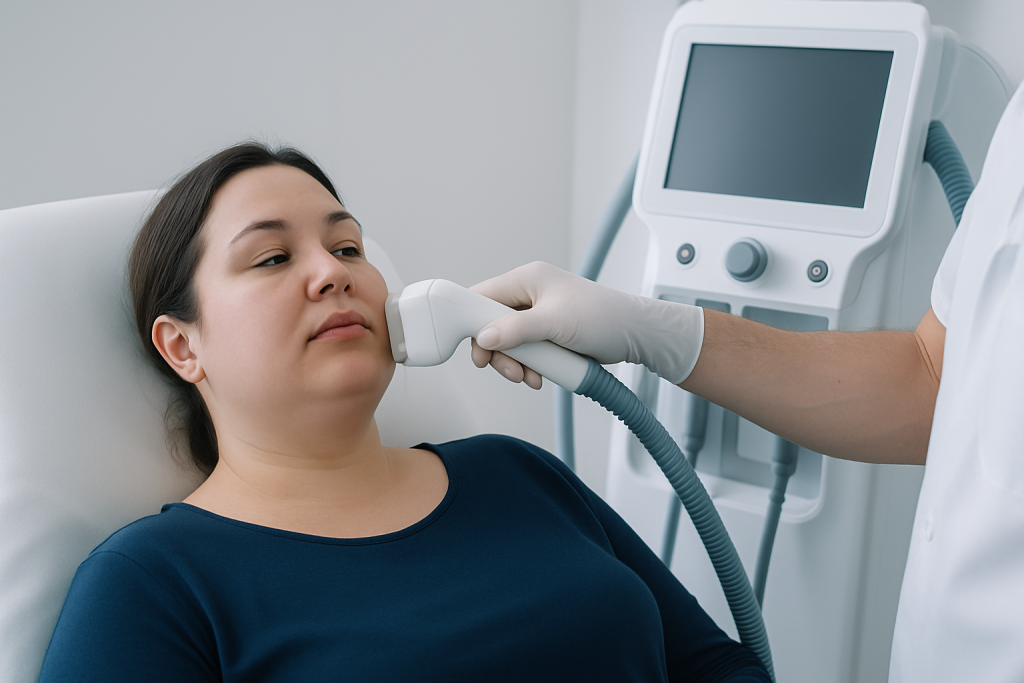
Facial bloating may show up as a rounder face, puffiness under the eyes, fullness in the cheeks, or a tight feeling in the skin. Some people notice that their eyelids are heavier in the morning or that rings, glasses, or facial features seem slightly different from usual.
The pattern can offer useful clues. Swelling from fluid retention often affects both sides and may be worse after waking. Allergy-related swelling can come with itching, sneezing, watery eyes, or a runny nose. Sinus-related puffiness may be paired with pressure across the forehead, cheeks, or around the nose.
It is also helpful to note whether the change is mild and generalized or concentrated in one area. A one-sided swollen cheek, jaw, or under-eye area may point to a dental issue, infection, or other local cause that deserves evaluation.
Causes & Risk Factors

The face can look puffy for a wide range of reasons, and many are part of ordinary daily life. A salty dinner, less sleep than usual, alcohol, dehydration, crying, or sleeping flat can all contribute to temporary fluid shifts. Stress may also play a role by affecting sleep, appetite, and hormone balance.
Other common causes include allergies, sinus congestion, skin irritation, and dental problems. In some people, facial swelling may be linked to hypothyroidism, kidney or liver conditions, or medication side effects. Medicines sometimes associated with swelling include some blood pressure drugs, steroids, hormone therapies, and nonsteroidal anti-inflammatory drugs, although any medication change should be discussed with a clinician.
Risk tends to rise when several triggers overlap. For example, a person who is traveling, eating differently, sleeping poorly, and taking a new medicine may notice facial puffiness even if each factor alone would not cause much change. Understanding those patterns is often the first step in prevention.
Diagnosis
Doctors usually begin with a careful history and a physical examination. They may ask when the swelling started, whether it comes and goes, which side is affected, and whether there are related symptoms such as rash, fever, pain, shortness of breath, or dental discomfort. Recent travel, diet changes, medication use, and allergy exposure are also important clues.
If the cause is not obvious, testing may be recommended. Depending on the situation, that can include blood tests, urine tests, allergy assessment, sinus evaluation, dental examination, or imaging. The goal is not to test everything at once, but to identify the most likely source of swelling in a safe and targeted way.
For a patient seeking care from another country, bringing a short timeline of symptoms and a list of medications or supplements can make the visit more efficient. Photos taken on different days can also help a doctor see whether the puffiness is constant, seasonal, or tied to specific habits.
Treatment Options
Treatment depends on the cause, which is why there is no single universal fix for facial bloating. If the issue is mainly fluid retention from diet or sleep habits, conservative measures are often enough. If allergies, sinus disease, infection, or a medical condition is involved, the plan needs to match that underlying problem.
Common approaches may include reducing salt intake, drinking enough water, sleeping with the head slightly elevated, and using cool compresses for short periods. If allergies are contributing, a doctor may suggest an appropriate antihistamine or other allergy treatment. Sinus-related swelling may improve when congestion is addressed, while dental or skin infections require professional treatment.
When swelling is linked to a medicine or a systemic condition, treatment should be guided by a clinician rather than trial-and-error changes at home. Stopping a prescribed drug without advice is not recommended. The safest path is to identify the cause first, then treat it directly.
Prevention & Self-care
Practical habits can make facial bloating less frequent and less noticeable. Many people do well by keeping sodium intake moderate, choosing balanced meals, and limiting alcohol when they know puffiness tends to follow. Good hydration also matters, because under-hydrating can prompt the body to hold onto fluid.
Sleep is another major piece. A regular bedtime, adequate rest, and a slightly raised head position can help reduce morning puffiness for some people. Gentle movement during the day may also support circulation and fluid balance, especially after long flights, desk work, or extended sitting.
For those with known triggers, prevention becomes more specific:
- Track foods, travel patterns, and medications that seem to precede swelling.
- Manage allergies early, rather than waiting until symptoms build.
- Use skin care that is gentle and non-irritating if the skin is reactive.
- Seek timely dental care for tooth pain, gum swelling, or jaw tenderness.
Travelers may find it useful to keep a simple routine during flights and time-zone changes: drink water regularly, avoid unusually salty meals, and try to sleep in a way that supports the head and neck. Small steps often make a visible difference the next morning.
When To See a Doctor
Medical advice is appropriate if facial swelling is sudden, one-sided, painful, recurrent, or not improving. It is also wise to seek evaluation if the face looks puffy along with fever, tooth pain, rash, ongoing sinus symptoms, changes in vision, or swelling elsewhere in the body. These clues can point to an infection, allergic reaction, or another condition that should not be ignored.
Urgent care is needed if facial swelling comes with trouble breathing, wheezing, throat tightness, or swelling of the lips or tongue. Those symptoms can signal a serious allergic reaction and should be treated immediately. A rapidly spreading rash or swelling after a new medication also deserves prompt attention.
For people arranging care while abroad, a focused consultation can be reassuring and efficient. Acibadem Health Point’s multidisciplinary specialists and JCI-accredited hospitals diagnose and treat facial swelling and its underlying causes for international patients, with follow-up plans that can continue after travel.
Living With Recurrent Facial Puffiness
Some people notice that facial puffiness returns in cycles rather than staying present all the time. In those cases, the goal is to identify the pattern rather than chase each episode separately. A symptom diary with notes on sleep, diet, travel, menstrual cycle, stress, allergies, and medications can reveal the most likely trigger.
Recurrent puffiness that seems minor can still be worth discussing with a doctor, especially if it is affecting confidence, daily comfort, or work-related travel. A clinician may be able to narrow the cause quickly and suggest a practical plan that fits the person’s schedule and environment.
Most importantly, facial bloating is usually a sign, not a disease on its own. Once the cause is understood, the face often returns to its normal appearance with straightforward care and a few habits that are easy to maintain.
Frequently asked questions
What is the fastest way to debloat a face?
The fastest relief often comes from addressing the trigger: drinking water, reducing salt for the day, sleeping with the head slightly elevated, and using a cool compress. If allergies or sinus congestion are involved, treating those problems is usually more effective than trying to reduce puffiness alone.
Why is my face puffy in the morning?
Morning puffiness is often related to fluid shifting during sleep, especially after a salty meal, alcohol, poor rest, or lying flat. It usually improves as the day goes on. If it happens often, a doctor can help look for allergies, sinus issues, or other causes.
Can dehydration cause facial bloating?
Yes, it can. When the body does not get enough fluid, it may hold on to water, which can make the face look puffy. Regular hydration throughout the day is usually more helpful than drinking a large amount all at once.
Does exercise help reduce facial swelling?
Gentle exercise can support circulation and fluid balance, which may help some people feel less puffy. It is not a cure for every cause of facial swelling, especially if allergies, infection, or another medical issue is involved. If swelling is unexplained or persistent, medical advice is best.
When is a swollen face an emergency?
A swollen face becomes urgent when it is accompanied by trouble breathing, throat tightness, lip or tongue swelling, or rapidly spreading hives. Those signs can indicate a serious allergic reaction. Immediate emergency care is needed.
Should I stop a medicine if my face looks swollen?
Not on your own. Some medicines can cause swelling, but stopping them suddenly may be unsafe. A doctor or pharmacist should review the medication and advise on the next step.
References
- Mayo Clinic
- Cleveland Clinic
- National Health Service (NHS)
- American Academy of Allergy, Asthma & Immunology
- Merck Manual Consumer Version
This article is for general information only and is not a substitute for professional medical advice. Please consult a qualified doctor about your individual situation.
More from the Health Library



Related Specialists

Dr. Serkan Tokgönül
Aesthetic Plastic & Reconstructive Surgery
Dr. Ömercan Yağız Öksüz
Aesthetic Plastic & Reconstructive Surgery
Prof. Dr. Mehmet Veli Karaaltın
Aesthetic Plastic & Reconstructive Surgery
Dr. Nezail Demirciler
Plastic, Reconstructive and Aesthetic Surgery