

Face Transplant

Key Takeaways
- A face transplant is not cosmetic surgery; it is a complex reconstructive procedure for selected patients with severe facial loss or damage.
- Candidates are assessed for medical suitability, psychological readiness, and the ability to follow long-term treatment and follow-up.
- The surgery may improve breathing, eating, speaking, and facial appearance, but it also carries lifelong risks related to rejection and immunosuppressive medicines.
- Recovery is gradual and usually includes rehabilitation, wound care, therapy, and frequent medical monitoring.
- Patients traveling for treatment need a clear plan for before surgery, after surgery, and follow-up once they return home.
A face transplant is a highly specialized reconstructive operation used to restore form and function after severe facial injury or disease. It involves careful evaluation, lifelong follow-up, and close coordination between surgical, medical, and rehabilitation teams.
Overview
A face transplant is one of the most advanced procedures in modern reconstructive medicine. It may be considered for people who have lost a large part of the face because of burns, trauma, cancer, infection, or a rare congenital condition, and for whom standard reconstructive surgery cannot restore enough structure or function.
The goal is not to create a “new face” in a cosmetic sense. The aim is to help the person regain essential functions such as closing the mouth, breathing through the nose, speaking more clearly, eating safely, and protecting the eyes and airway when those structures have been severely damaged.
Because the procedure is so complex, it is only offered in highly specialized centers with transplant surgeons, plastic and reconstructive surgeons, anesthesiologists, immunologists, rehabilitation experts, psychologists, and nursing teams working together. For international patients, this also means planning travel, accommodation, and follow-up care carefully before any surgery is scheduled.
Symptoms and When a Face Transplant May Be Considered
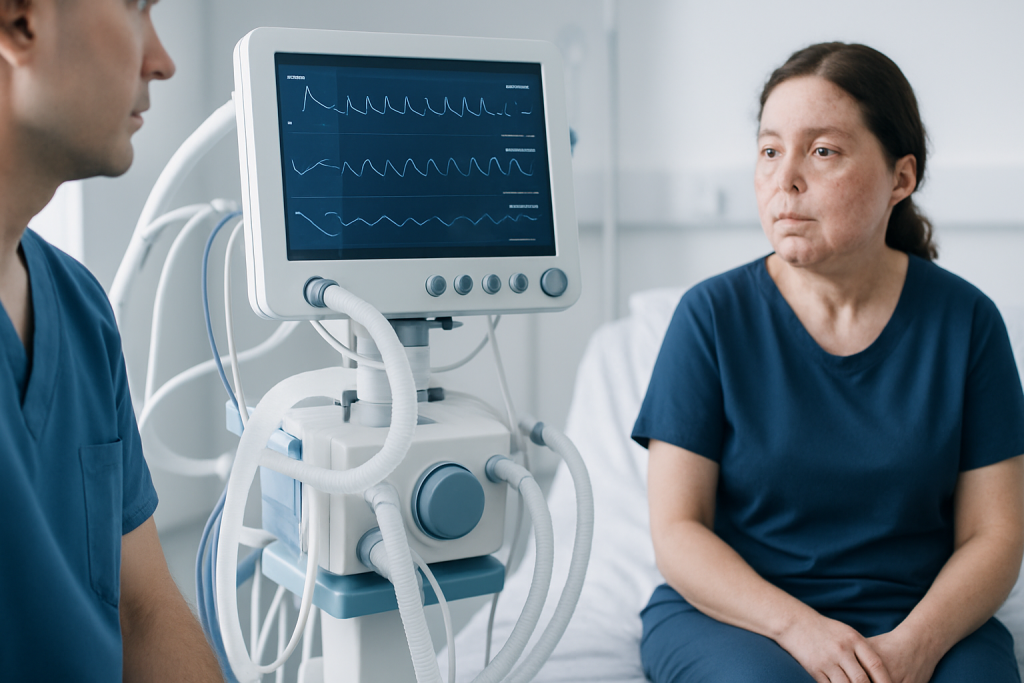
People do not seek a face transplant because of ordinary appearance concerns. The procedure is considered when facial injury or disease has caused major loss of tissue and more conventional reconstruction has not been enough. In many cases, the problem is not only visible change but also daily function.
Possible issues include severe scarring, absent or damaged nose, lips, eyelids, jaw, cheeks, or skin; trouble eating or swallowing; speech changes; difficulty breathing through the nose; chronic pain; and inability to protect the eyes or mouth properly. Some patients may also live with repeated infections or open wounds that are difficult to manage.
Emotional distress is also common, and it is important, but emotional suffering alone is not usually the reason for this surgery. The decision is generally based on a combination of physical loss, functional impairment, and the expectation that transplant-based reconstruction could offer meaningful benefit.
Causes and Risk Factors
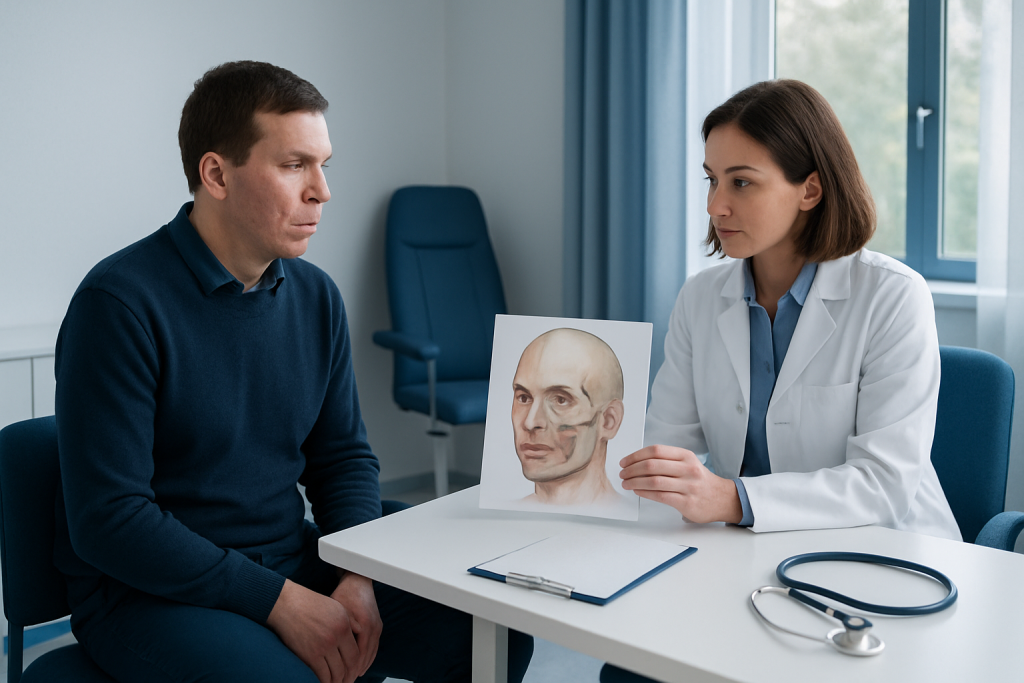
The most common reasons for severe facial damage include major burns, animal bites, high-energy trauma, gunshot injuries, industrial accidents, and cancer surgery that removes large areas of tissue. Some people are affected by rare conditions that cause progressive facial deformity or major congenital differences.
Not everyone with extensive facial injury is a candidate. Factors that may affect suitability include active infection, uncontrolled medical illness, certain cancers, severe vascular disease, smoking, substance misuse, or conditions that would make long-term immunosuppressive therapy unsafe. Age by itself is not the only factor, but overall health, healing potential, and rehabilitation capacity matter greatly.
Psychological readiness is also a major part of selection. A person needs to understand that the transplanted tissue is living tissue from a donor, and that there will be lifelong monitoring, medication, and possible future procedures. Strong family support and reliable access to follow-up care often improve the chances of a smoother journey.
Diagnosis and Candidacy Evaluation
Before a face transplant is even considered, the team studies the extent of tissue loss and the person’s overall health in detail. Imaging studies, blood tests, dental and eye assessments, airway evaluation, and photographs are often part of the workup. Specialists may also examine speech, swallowing, and facial nerve function.
The evaluation process usually includes multiple consultations. Surgeons assess what has been lost and what can realistically be reconstructed. Transplant physicians review organ health and compatibility issues. Mental health professionals help determine whether the patient can cope with the demands of surgery, medication, and visible recovery changes.
For international patients, the diagnostic phase may also involve reviewing records from home country doctors, coordinating telemedicine visits, and organizing an in-person assessment window. This helps the team decide whether the person should proceed, whether more conventional reconstruction is a better option, or whether additional treatment is needed first.
Treatment Options and What the Surgery Involves
There are two broad paths for severe facial reconstruction: conventional reconstructive surgery and face transplantation. Conventional surgery may use skin grafts, local flaps, free tissue transfer, prosthetics, and staged repair. If these methods cannot restore enough function or facial structure, a transplant may be discussed.
In a face transplant, tissue from a donor is transplanted to replace missing facial structures. Depending on the case, this may involve skin, muscle, nerves, blood vessels, cartilage, bone, or combinations of these tissues. The surgery is long and technically demanding because blood flow must be restored carefully and the tissues must be positioned with precision.
After surgery, immunosuppressive medicines are needed to reduce the risk of rejection. These medicines help the body accept the transplanted tissue, but they also lower immune defenses and require close medical supervision. The treatment plan usually includes wound care, infection prevention, physical therapy, speech therapy, nutrition support, and regular follow-up blood tests and examinations.
Rejection can occur even with careful treatment, so monitoring is ongoing. The team watches for changes in skin color, swelling, temperature, pain, sensation, or tissue healing, and may adjust medicines if needed. A face transplant is therefore best understood as a long-term medical partnership rather than a single operation.
Recovery, Rehabilitation, and Long-Term Care
Recovery begins immediately after surgery and continues for months or longer. In the early period, the medical team focuses on protecting the airway, keeping the transplanted tissue healthy, managing pain, preventing infection, and making sure blood flow to the new tissue remains stable.
As healing progresses, rehabilitation becomes central. Patients may work with speech and swallowing therapists to relearn how to speak and eat comfortably. Physical and occupational therapy can help with facial movement, neck mobility, daily activities, and overall conditioning. Counseling or psychological support is often valuable as the person adjusts to appearance changes and the intensity of follow-up care.
Long-term care does not end when the surgical wounds close. Regular appointments are needed to check for rejection, side effects from medicines, dental and eye health, and functional progress. For patients who travel internationally for treatment, the center usually helps create a follow-up plan that may include shared care with local doctors, clear warning signs to watch for, and scheduled return visits when needed.
Prevention and Self-Care
Because a face transplant is reserved for severe facial loss, “prevention” mainly means reducing the chance of injuries and protecting overall health. Seat belts, helmets, workplace safety gear, smoke precautions, and prompt treatment of facial trauma can lower the risk of devastating damage. Good skin care and cancer prevention measures also matter in some settings.
For people already living with major facial injury, self-care focuses on preparing for evaluation and recovery. Keeping medical records organized, stopping smoking if advised, following wound-care instructions, attending rehabilitation sessions, and maintaining stable nutrition can all support treatment planning and healing. It also helps to identify a trusted family member or caregiver who can assist during travel and early recovery.
Patients should be honest with the transplant team about medications, supplements, infections, dental issues, and mental health concerns. Small details can influence safety, especially when immunosuppressive therapy is part of the plan. Clear communication before travel often prevents delays later.
When to See a Doctor
Anyone with severe facial injury, major disfigurement after surgery, open wounds that do not heal, or trouble with breathing, eating, swallowing, or speaking should seek specialist assessment. A face transplant is not the first solution for most people, but early referral to a reconstructive or transplant center can help clarify the full range of options.
It is also important to seek medical advice if there are repeated infections, worsening pain, sudden changes in the appearance of reconstructed tissue, or eye problems related to facial loss. These issues may require urgent attention and should not be managed only with home care.
International patients benefit from speaking with a center that can review records remotely, explain candidacy honestly, and coordinate the practical side of care. Acibadem Health Point’s multidisciplinary specialists and JCI-accredited hospitals diagnose and treat complex transplant cases for international patients with coordinated planning and follow-up.
Living With a Face Transplant: Expectations and Follow-up
Life after a face transplant often involves a new routine centered on safety and consistency. Appointments, medications, hygiene, therapy, and communication with the care team become part of everyday life. Many patients describe this as a gradual process of learning rather than a quick return to normal.
It is also normal for the emotional experience to change over time. Some people feel relief, gratitude, uncertainty, or a mix of all three. Support from mental health professionals, rehabilitation teams, and loved ones can make the adjustment more manageable, especially when the patient is recovering away from home.
With the right follow-up, a face transplant may offer meaningful functional improvement and a more stable daily life. The best outcomes usually come from realistic expectations, long-term partnership with the transplant team, and a careful understanding that the procedure is both life-changing and lifelong.
Frequently asked questions
Who is a candidate for a face transplant?
Candidates are usually people with severe facial tissue loss or damage that cannot be adequately repaired with standard reconstruction. They must also be healthy enough for major surgery and able to follow long-term treatment, especially immunosuppressive therapy.
Is a face transplant the same as cosmetic surgery?
No. A face transplant is a reconstructive transplant procedure meant to restore function and structure after major injury or disease. Appearance may improve, but the main goals are usually breathing, eating, speaking, and facial protection.
What are the main risks after surgery?
The major concerns include rejection of the transplanted tissue, infection, side effects from immunosuppressive medicines, and surgical complications. Because of these risks, close monitoring is required for years, not just in the first hospital stay.
How long does recovery take?
Recovery is gradual and varies widely from person to person. Early healing may take weeks, but rehabilitation, medication adjustments, and follow-up commonly continue for many months or longer.
Will the person need medicines for life?
In most cases, yes. Immunosuppressive medicines are usually needed long term to reduce the chance of rejection. The transplant team adjusts these medicines carefully to balance protection of the graft with side effects and infection risk.
Can a patient travel home after a face transplant?
Many international patients can return home once the care team feels it is safe, but the timing depends on healing and medical stability. A clear follow-up plan with local doctors and the transplant center is essential before travel.
References
- Mayo Clinic
- Cleveland Clinic
- National Institute of Allergy and Infectious Diseases
- American Society of Plastic Surgeons
- National Health Service
This article is for general information only and is not a substitute for professional medical advice. Please consult a qualified doctor about your individual situation.
More from the Health Library
Plastic Surgery Recovery From Home: What Follow-Up Looks Like After You Leave Turkey

What a Plastic Surgery Quote Usually Includes—and What Can Add to the Final Cost

How Long Should You Stay in Turkey After Cosmetic Surgery? A Procedure-by-Procedure Timeline
Related Specialists

Dr. Serkan Tokgönül
Aesthetic Plastic & Reconstructive Surgery
Dr. Ömercan Yağız Öksüz
Aesthetic Plastic & Reconstructive Surgery
Prof. Dr. Mehmet Veli Karaaltın
Aesthetic Plastic & Reconstructive Surgery
Dr. Nezail Demirciler
Plastic, Reconstructive and Aesthetic Surgery