

How To Reduce Puffiness Naturally

Key Takeaways
- Puffiness is a symptom, not a diagnosis, and the cause matters more than the swelling itself.
- Sleep, hydration, salt intake, allergies, alcohol, and posture can all influence temporary puffiness.
- Cold compresses, gentle movement, and elevating the head may help reduce mild puffiness.
- Sudden, one-sided, painful, or persistent swelling deserves medical assessment.
- Natural measures are useful for mild puffiness, but they do not replace care for underlying conditions.
Puffiness is often linked to fluid retention, sleep, salt intake, allergies, or irritation, and it may improve with simple daily changes. This guide explains common causes, practical self-care steps, and when swelling should be checked by a doctor.
Overview
Puffiness usually describes a soft, swollen, or “full” appearance in the face, eyelids, hands, belly, or ankles. For many people, it is a temporary response to lifestyle factors such as salty meals, poor sleep, dehydration, travel, heat, or mild inflammation. In other situations, it can be part of an underlying health issue that needs attention.
When people search for how to reduce puffiness naturally, they are often looking for practical steps that fit into everyday life. The most useful approach is to calm the triggers first: support restful sleep, balance fluid intake, move the body regularly, and lower excess sodium. Small changes can make a noticeable difference when puffiness is mild and short-lived.
It also helps to know that puffiness can look different depending on the area involved. Under-eye puffiness often behaves differently from swollen ankles after a long flight, and both are different from sudden facial swelling linked to an allergic reaction. Understanding the pattern gives important clues about the next best step.
Common Signs and Patterns
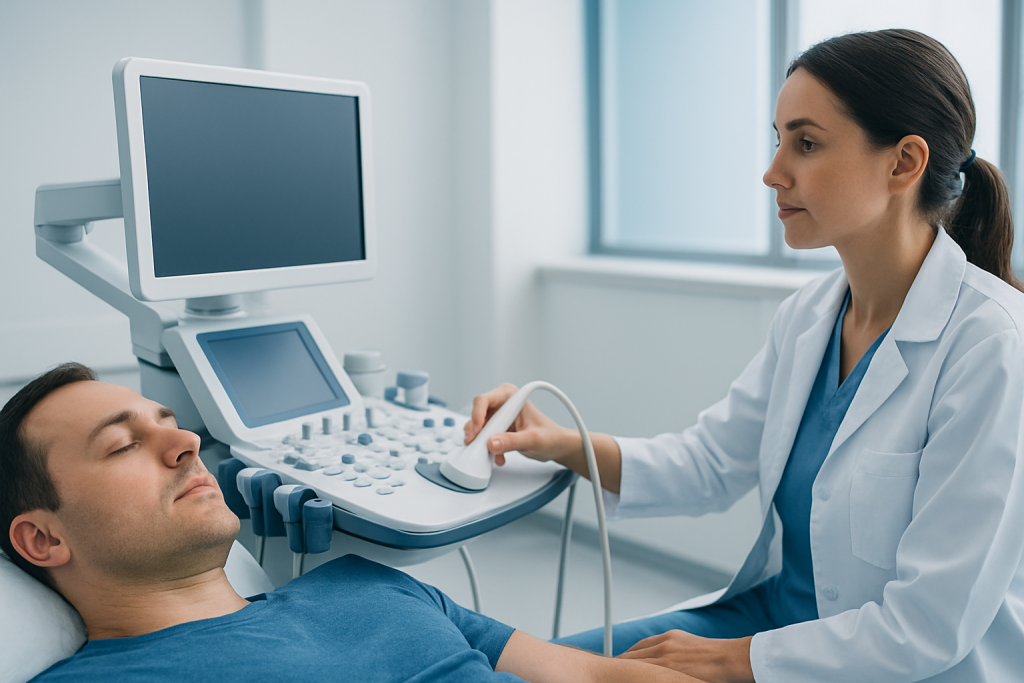
Puffiness may appear as a tight, heavy, or “full” feeling in the affected area. In the face, it may be most obvious around the eyes in the morning, after a late meal, or after crying. In the legs or feet, it may become more noticeable after standing for long periods, hot weather, or travel.
Some people notice puffiness only occasionally, while others deal with it most days. Temporary puffiness often improves as the day goes on, with movement, or after rest. Swelling that lingers, worsens, or comes with pain, redness, shortness of breath, or fever is not something to manage on assumptions alone.
- Facial puffiness: often linked to sleep, allergies, alcohol, or fluid shifts
- Under-eye puffiness: commonly worse on waking
- Hand or finger puffiness: may relate to heat, salt, or inflammation
- Ankle or foot puffiness: can follow long sitting, standing, or travel
Causes and Risk Factors

There is no single cause of puffiness. A salty diet can make the body hold on to extra water, especially in people who are sensitive to sodium. Alcohol may also contribute by disrupting sleep and fluid balance. Poor sleep can show up quickly in the face, particularly around the eyes.
Allergies, sinus congestion, and skin irritation may cause localized swelling in the face. Hormonal changes, menstruation, and some medications can also affect fluid retention. Long flights, long work shifts, and sitting still for extended periods may contribute to swelling in the lower legs and feet because circulation becomes less efficient.
In some cases, puffiness is related to a medical condition such as kidney disease, liver disease, heart problems, thyroid disorders, or an allergic reaction. These causes are less common than lifestyle-related swelling, but they matter because the right treatment depends on identifying the source rather than only treating the visible swelling.
Diagnosis
When puffiness is mild and clearly linked to something temporary, such as a late night or a salty meal, a person may first notice improvement with home measures. If the swelling is repeated, unexplained, or bothersome, a doctor may ask detailed questions about timing, location, diet, medications, allergies, sleep, travel, and other symptoms.
A physical examination helps determine whether the swelling is generalized or limited to one area. Depending on the pattern, a clinician may recommend blood tests, urine tests, allergy evaluation, thyroid testing, or imaging studies. These checks are used to look for the cause of fluid retention or inflammation.
For international patients planning care abroad, it is helpful to bring a list of current medicines, recent test results, and any photos showing how the puffiness changes over time. This can make remote review and in-person assessment more efficient and can help the medical team focus on the most relevant possibilities.
Treatment Options
The best treatment depends on what is causing the puffiness. For mild, temporary swelling, simple self-care is often enough. Rest, reduced sodium intake, cold compresses for facial puffiness, and gentle movement can all support the body’s natural fluid balance. When puffiness is linked to allergies, treating the allergy itself is usually more effective than trying to cover up the swelling.
If a medical condition is responsible, treatment is directed at that condition. A clinician may advise changes in medication, allergy management, thyroid treatment, or other targeted care. It is important not to start diuretics or herbal “water pills” without medical guidance, because they can be inappropriate or even harmful in some situations.
For people who travel for evaluation or treatment, the plan should include follow-up before departure and clear instructions for monitoring symptoms after returning home. A coordinated approach makes it easier to track whether puffiness is resolving or whether further investigation is needed.
Prevention and Self-care
Natural ways to reduce puffiness usually work best as part of a routine rather than a one-time fix. A steady sleep schedule, adequate hydration, and a more balanced approach to sodium can reduce the chance of fluid retention. Many people also notice that limiting alcohol and maintaining regular physical activity helps.
Simple, low-risk measures can be especially helpful for puffy eyes or facial swelling. A cool compress for a short period, sleeping with the head slightly elevated, and avoiding rubbing irritated eyes may calm swelling. If puffiness appears after travel or long hours of sitting, walking breaks, ankle pumps, and leg elevation can support circulation.
- Choose less processed foods when possible to lower sodium intake
- Drink water regularly throughout the day rather than all at once
- Prioritize consistent sleep and keep the head slightly elevated if morning puffiness is common
- Use cold compresses briefly for facial or under-eye puffiness
- Take movement breaks during long trips or desk work
These measures are gentle, but they are not a substitute for care when swelling is persistent or unusual. The goal is to support the body while watching for signs that point to a deeper cause.
When to See a Doctor
Medical review is recommended if puffiness is new, unexplained, persistent, or occurs alongside other symptoms. Sudden facial swelling, swelling on one side only, swelling with pain or redness, or puffiness after a new medicine should be assessed promptly. Swelling with trouble breathing, chest pain, or lip and tongue swelling needs urgent care.
A doctor should also be consulted if puffiness keeps returning despite healthy habits, if it is affecting vision, if the legs are swelling regularly, or if there are signs of a broader health problem such as fatigue, weight change, changes in urination, or fever. These clues help narrow the cause and guide safe treatment.
Acibadem Health Point can support international patients with multidisciplinary specialists and JCI-accredited hospitals that diagnose and treat conditions associated with swelling and puffiness in a coordinated way. Even so, the first step is always a proper medical evaluation, since the most effective solution depends on the underlying cause.
A Practical Way to Think About Puffiness
It can be useful to view puffiness as the body’s signal that something has shifted. Sometimes the reason is straightforward, such as a meal that was heavier in salt than usual or a night of poor sleep. In those cases, the swelling may settle with rest, hydration, and time.
When puffiness is repeated or difficult to explain, the body may be pointing to an issue that deserves attention. That is why the most reliable natural approach combines everyday habits with thoughtful observation. Looking at the timing, location, and related symptoms often reveals whether the swelling is likely temporary or needs medical review.
For many people, the path forward is not complicated: reduce the triggers that can be changed, notice the pattern, and seek care when the swelling no longer behaves like a minor inconvenience. That balance keeps self-care safe and effective.
Frequently asked questions
What is the fastest natural way to reduce puffiness?
For mild puffiness, a cool compress, drinking water, reducing salt, and gentle movement may help. If the puffiness is from poor sleep or a salty meal, it often improves within hours to a day. If it does not improve or is getting worse, a doctor should assess the cause.
Does drinking more water reduce puffiness?
It can, especially if puffiness is related to dehydration or high salt intake. The goal is steady hydration through the day rather than large amounts at once. If swelling is due to a medical condition, water alone will not fix it.
Why is my face puffy in the morning?
Morning puffiness is often related to sleep position, mild fluid shifts, alcohol, salt, or allergies. It usually improves as the day goes on and the body becomes more active. If it is persistent or severe, it should be checked by a clinician.
Can exercise help with puffiness?
Yes, gentle movement can improve circulation and help the body shift excess fluid. Walking, stretching, and regular activity are especially useful for ankle or leg puffiness after sitting for a long time. Exercise should be adjusted if swelling is painful or associated with other symptoms.
Should puffiness always be treated with diuretics?
No, diuretics are not a general solution for puffiness and should only be used when prescribed for a specific reason. Many cases improve with simple lifestyle measures or treatment of the underlying cause. Using them without guidance can be unsafe.
When is puffiness an emergency?
Urgent care is needed if swelling comes with trouble breathing, chest pain, lip or tongue swelling, or severe allergic symptoms. Sudden swelling on one side, especially with pain or redness, also needs prompt evaluation. These signs can indicate a serious problem.
References
- World Health Organization
- Mayo Clinic
- National Health Service (NHS)
- Cleveland Clinic
- MedlinePlus
This article is for general information only and is not a substitute for professional medical advice. Please consult a qualified doctor about your individual situation.
More from the Health Library



Related Specialists

Dt. Ayşegül Coşkun
Dentistry
Dr. Shabnam Islamova
Emergency Service
Dr. Cengiz Bali
Clinical Laboratory
Prof. Dr. Yasemin Alanay
Pediatric Genetic Diseases