What Causes Poor Circulation?

Key Takeaways
- Poor circulation is a symptom, not a diagnosis, and can have several different causes.
- Common contributors include artery narrowing, blood clots, diabetes, smoking, and inactive lifestyle habits.
- Symptoms may include cold hands or feet, numbness, tingling, swelling, cramps, or slow-healing wounds.
- Diagnosis usually involves a physical exam, medical history, blood tests, and circulation studies.
- Many cases improve with treatment of the underlying condition, movement, smoking cessation, and better risk-factor control.
Medically reviewed by the Acıbadem clinical team — August 19, 2026
Poor circulation is a broad term for reduced blood flow to parts of the body, often affecting the hands, feet, legs, or brain. Understanding the underlying cause helps guide treatment, from lifestyle changes to medical care.
Overview
Poor circulation is a phrase people often use when blood does not seem to reach a body area well enough to meet its needs. It is not a single disease. Instead, it is a sign that something may be limiting the flow of blood through the arteries, veins, or smaller vessels.
For many people, the issue is noticed first in the feet, legs, hands, or fingers. A person may feel coldness, numbness, heaviness, aching, or fatigue with walking. In some cases, the first clue is a wound that takes longer than expected to heal. Because blood carries oxygen and nutrients, reduced flow can affect comfort, healing, and day-to-day function.
The cause matters. Poor circulation from narrowed arteries is managed differently from swelling caused by venous problems or from circulation changes linked to diabetes, anemia, or certain heart conditions. A clear diagnosis helps the person receive the right treatment rather than guessing at the problem.
Symptoms
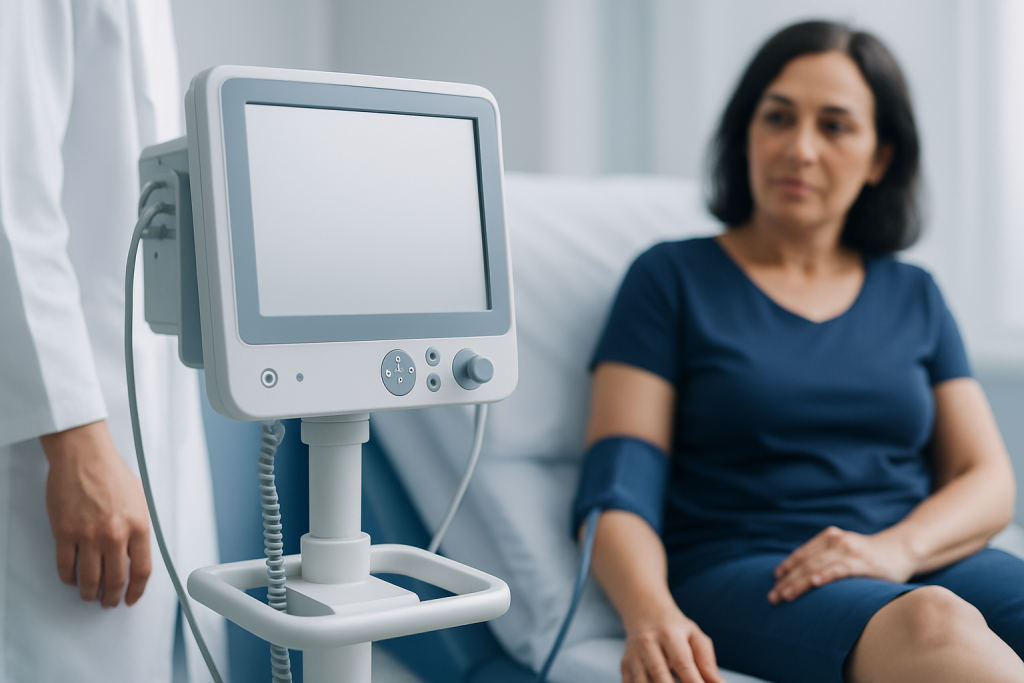
Symptoms depend on where blood flow is reduced and how severe the problem is. Some people notice only mild discomfort, while others develop more obvious changes in the skin or in how they move and feel during activity.
Common signs can include:
- Cold hands or feet, especially compared with the rest of the body
- Numbness, tingling, or a “pins and needles” feeling
- Cramping or pain in the legs during walking
- Swelling in the feet, ankles, or lower legs
- Pale, bluish, or shiny skin in the affected area
- Slow-healing cuts, sores, or ulcers
- Weak pulses in the feet or wrists
- Feeling tired in the legs after short periods of activity
Some symptoms can overlap with other conditions. For example, leg heaviness may come from venous disease, muscle problems, or nerve-related conditions as well as reduced arterial blood flow. That is why symptoms should be interpreted in context, not in isolation.
Causes & Risk Factors
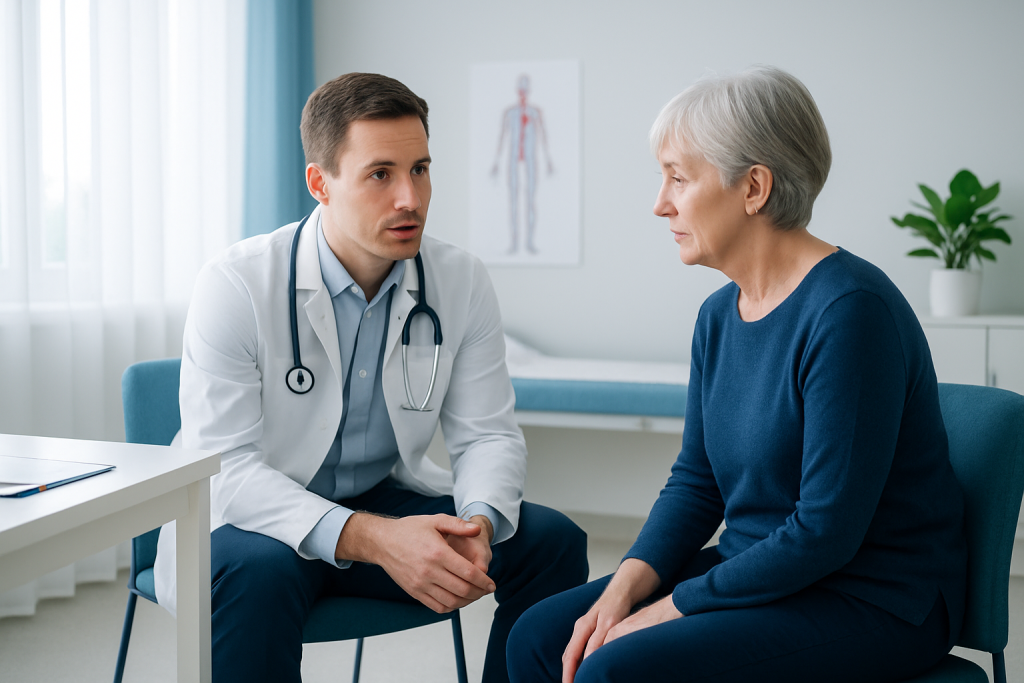
One of the most common reasons for poor circulation is narrowing or stiffening of the arteries. This process, often linked with atherosclerosis, can reduce blood flow to the legs and feet and may also affect the heart, brain, and other organs. Peripheral artery disease is a common example of this type of problem.
Other causes can involve the veins or the blood itself. Vein problems may lead to pooling of blood in the legs and swelling, while blood clots can suddenly block a vessel. Less commonly, poor circulation may be related to heart failure, certain autoimmune diseases, Raynaud’s phenomenon, diabetes-related vessel damage, dehydration, or anemia.
Several factors make circulation problems more likely:
- Smoking or tobacco use
- Diabetes
- High blood pressure
- High cholesterol
- Older age
- Family history of vascular disease
- Obesity or very low physical activity
- Long periods of sitting or standing
- Chronic kidney disease
In international patients, symptoms sometimes develop gradually and are first managed at home or during travel. Long flights, changes in routine, and delayed follow-up can make underlying problems more noticeable, especially if someone already has diabetes, heart disease, or a history of clots.
Diagnosis
Diagnosis starts with a careful history and physical examination. A clinician may ask when the symptoms began, whether they are constant or come and go, whether walking worsens them, and whether the person has risk factors such as smoking, diabetes, or high cholesterol. The skin, pulses, temperature, and color of the affected limbs are often checked closely.
Tests are chosen based on the suspected cause. A doctor may order blood tests to look for diabetes, anemia, kidney problems, inflammation, or cholesterol issues. For suspected artery disease, noninvasive circulation studies such as an ankle-brachial index, Doppler ultrasound, or vascular imaging may be recommended. If a blood clot is suspected, urgent imaging may be needed.
It is important to remember that “poor circulation” can describe several different problems. The goal of diagnosis is not only to confirm reduced blood flow, but also to identify where the blockage or dysfunction is happening and whether it is likely to progress without treatment.
Treatment Options
Treatment depends on the cause. If narrowed arteries are responsible, care may include lifestyle changes, medicines to control risk factors, and in some cases procedures to improve blood flow. If venous disease is the issue, compression therapy, movement, and sometimes a procedure may be considered. If a blood clot is present, prompt medical treatment is important.
Common treatment approaches may include:
- Stopping smoking or tobacco use
- Managing diabetes, blood pressure, and cholesterol
- Regular walking or other safe exercise to improve circulation and endurance
- Medicines prescribed by a doctor for clot prevention, cholesterol control, blood pressure, or vessel symptoms
- Compression stockings for certain vein-related problems, when recommended
- Procedures such as angioplasty, stenting, or surgery in selected cases of artery disease
People with poor circulation should not start compression or use over-the-counter remedies without guidance if they have significant leg pain, wounds, numbness, or known artery disease. The safest plan is individualized, especially when a person is coordinating care across borders and needs clear instructions for treatment, wound care, and follow-up after returning home.
Prevention & Self-care
Not all circulation problems can be prevented, but many can be reduced or delayed by protecting the blood vessels over time. The most useful habits are often the familiar ones: staying active, eating a balanced diet, not smoking, and keeping blood pressure, blood sugar, and cholesterol within the range advised by a clinician.
Practical self-care steps may include:
- Taking regular walking breaks during long periods of sitting
- Keeping the feet warm without overheating them
- Checking feet daily if there is diabetes or numbness
- Wearing comfortable shoes that do not rub or compress
- Staying well hydrated unless a doctor has advised fluid limits
- Following medication plans consistently
Small injuries can become more important when circulation is reduced, especially in the feet. Cleaning cuts promptly, watching for redness or drainage, and seeking help early for wounds that do not improve can prevent a minor problem from becoming a larger one. For travelers, carrying medication lists, test results, and a discharge summary can make continuity of care much easier after the trip.
When to See a Doctor
Medical evaluation is recommended if poor circulation symptoms are persistent, getting worse, or interfering with walking, sleep, or daily tasks. Even mild symptoms deserve attention when they are new, one-sided, or associated with diabetes, smoking, high blood pressure, or a history of vascular disease.
Seek prompt medical care if there is a sudden change such as severe leg pain, a cold or pale limb, rapidly increasing swelling, an open sore that is not healing, or numbness that appears unexpectedly. These changes can indicate a more urgent circulation problem that should not wait for routine follow-up.
For people traveling for treatment, it helps to plan both the immediate care and the next steps after returning home. Acibadem Health Point’s multidisciplinary specialists and JCI-accredited hospitals diagnose and treat circulation-related conditions for international patients, with attention to coordinated evaluation, treatment planning, and follow-up.
Living With Poor Circulation
Many people do well once the cause is identified and managed. Improvement may happen gradually, especially when the main drivers are smoking, inactivity, diabetes, or high cholesterol. The most reliable gains usually come from steady changes rather than a single intervention.
Long-term care often focuses on protecting the blood vessels and noticing changes early. That may mean routine checkups, foot care, exercise, medication adherence, and a plan for what to do if symptoms return. People who travel for care can benefit from a simple written follow-up plan that explains Heart Attack Warning Signs: Symptoms and When to Seek Help" class="ahp-ilk">warning signs, next appointments, and which doctor should review test results.
With the right diagnosis and consistent care, poor circulation can often be managed in a way that supports comfort, mobility, and healing.
Frequently asked questions
Is poor circulation a disease on its own?
Poor circulation is usually a symptom that points to another problem, such as narrowed arteries, vein disease, diabetes-related vessel changes, or a blood clot. A doctor’s job is to find the underlying cause rather than treating the phrase by itself.
What is the most common cause of poor circulation in the legs?
Narrowing of the arteries is a common cause, especially in people who smoke, have diabetes, or have high blood pressure or high cholesterol. Vein problems can also cause leg symptoms, especially swelling and heaviness.
Can exercise help poor circulation?
Yes, safe regular movement often helps, particularly when reduced blood flow is related to artery disease or inactivity. A clinician may recommend the best type and amount of exercise based on the person’s symptoms and overall health.
Are cold hands and feet always a sign of poor circulation?
Not always. Cold hands and feet can also happen with normal temperature changes, stress, or conditions such as Raynaud’s phenomenon, thyroid problems, or anemia. Persistent or one-sided symptoms should be checked by a doctor.
When is poor circulation urgent?
It is urgent if symptoms come on suddenly, if a limb becomes pale, cold, or very painful, or if there is a wound that is rapidly worsening. These signs can point to a serious blockage or clot that needs prompt evaluation.
Can poor circulation improve?
Yes, many causes can be improved with treatment and lifestyle changes. Results depend on the cause, how early it is identified, and how well risk factors such as smoking, diabetes, and high blood pressure are controlled.
References
- Merck Manual Professional Edition
- American Heart Association
- National Heart, Lung, and Blood Institute
- Mayo Clinic
- NHS
This article is for general information only and is not a substitute for professional medical advice. Please consult a qualified doctor about your individual situation.
Explore treatments in Turkey — costs, top hospitals & a free quote
JCI-accredited · board-certified surgeons · reply within 24h
Add us as a Preferred Source to see more of our trusted health content across Google Search, AI Overviews and Discover.