Blood Pressure Medications: Types, Uses and Side Effects

Key Takeaways
- Blood pressure medications are chosen based on the type of hypertension and a person’s overall health profile.
- Different drug classes work in different ways, and some are combined when one medicine is not enough.
- Side effects are often manageable, but any new symptom should be reviewed by a clinician.
- Consistency matters: these medicines usually work best when taken as prescribed and monitored regularly.
- Lifestyle measures still matter, even when medication is needed.
Medically reviewed by the Acıbadem clinical team — August 19, 2026
Blood pressure medications help lower the strain on the heart and blood vessels, reducing the long-term risks linked with hypertension. The right treatment depends on a person’s overall health, other medicines, and how their blood pressure responds over time.
Overview
Blood pressure medications are used when lifestyle changes alone are not enough to bring hypertension under control, or when blood pressure is high enough that treatment should begin without delay. Their purpose is not only to lower numbers on a monitor, but also to ease the pressure placed on the heart, brain, kidneys, and blood vessels over time.
For many people, starting treatment can feel like a permanent turning point. In practice, it is often a highly adjustable process. A doctor may begin with one medicine, check the response, and then refine the plan based on home readings, side effects, kidney function, and other conditions such as diabetes, coronary artery disease, or heart failure.
International patients often ask whether treatment can be started before travel, continued safely during a hospital stay abroad, or adapted after returning home. The answer depends on the medicine, the monitoring plan, and how easy it will be to follow up with the same prescription or a suitable equivalent in the next country. That is why good blood pressure care is as much about coordination as it is about the tablet itself.
Symptoms
High blood pressure is often called a silent condition because many people feel completely well even when their readings are elevated. That is one reason it may only be discovered during a routine check, a pre-travel health evaluation, or an appointment for another issue.
When symptoms do occur, they are usually not specific to blood pressure alone. Some people report headaches, dizziness, blurred vision, shortness of breath, or a feeling of pounding in the chest, but these complaints can have many causes and need proper assessment rather than guesswork.
Side effects from blood pressure medications are a separate issue from symptoms of hypertension itself. Depending on the medicine, a person might notice tiredness, swelling of the ankles, a dry cough, lightheadedness when standing, frequent urination, or changes in blood test results. New or bothersome effects should be discussed with a clinician, especially if they appear after a dose change or after starting another medication.
- Symptoms of high blood pressure may be absent.
- Medication side effects can differ from one drug class to another.
- Any severe symptom, such as chest pain or fainting, needs urgent medical attention.
Causes & Risk Factors

Blood pressure medications are prescribed to treat hypertension, which may be primary, meaning no single cause is identified, or secondary, meaning it is linked to another condition such as kidney disease, hormonal disorders, sleep apnea, or certain medicines. In both situations, the treatment plan is shaped by the likely cause and the person’s broader health picture.
Risk factors for needing treatment include older age, family history, excess weight, high-salt eating patterns, low physical activity, smoking, heavy alcohol use, chronic stress, diabetes, kidney disease, and a history of cardiovascular disease. Some people also develop elevated blood pressure during pregnancy, in which case the choice of medication is more specific and closely supervised.
The same medicine is not ideal for everyone. A doctor may avoid a certain drug if a person has asthma, chronic kidney disease, gout, slow heart rate, pregnancy, or a history of swelling with a previous medication. This is one reason a full medication review matters before treatment begins, including over-the-counter products and herbal supplements.
Diagnosis
Before blood pressure medications are prescribed, the diagnosis should be confirmed with accurate measurements. That usually means repeated clinic readings, and sometimes home monitoring or ambulatory blood pressure monitoring to distinguish persistent hypertension from temporary elevation due to stress, pain, or a medical visit.
Once high blood pressure is confirmed, clinicians often look for clues about organ involvement and possible underlying causes. Blood tests may check kidney function, electrolytes, glucose, and cholesterol. Urine tests, an electrocardiogram, and sometimes echocardiography or imaging may be used when the situation calls for a closer look.
For patients who are planning care across borders, collecting prior blood pressure logs, medication lists, and recent test results can save time and make the first consultation more productive. It also helps the new care team compare trends rather than relying on a single reading taken on an unfamiliar day.
Treatment Options
Several classes of blood pressure medications are commonly used, and the best choice depends on individual needs. Many patients do well with one first-line agent, while others need a combination to achieve steady control. Treatment is often selected not only for blood pressure lowering, but also for added benefits in conditions such as heart failure, coronary disease, diabetes, or kidney disease.
Common medication groups include ACE inhibitors, angiotensin receptor blockers (ARBs), calcium channel blockers, diuretics, beta blockers, and, in selected cases, other agents such as alpha blockers or direct vasodilators. Each class works differently: some relax blood vessels, some reduce fluid volume, and some slow the heart or decrease the force of pumping.
Because the response to treatment is individual, adjustments are normal. A doctor may switch a medicine if it causes side effects, does not lower blood pressure enough, or is not the best fit for other medical conditions. Combination pills may also be used to simplify treatment, though they still require monitoring and clear instructions.
- ACE inhibitors and ARBs are often used when kidney protection is important.
- Calcium channel blockers and diuretics are common options for many adults.
- Beta blockers may be especially useful in certain heart conditions.
- Some people need more than one medicine to reach target readings.
Medication changes should never be made casually. Stopping treatment suddenly, doubling a missed dose, or swapping brands without advice can create problems. Patients who travel for treatment should ask in advance how prescriptions will be continued, what to do if a refill is delayed, and whether equivalent medicines are available in their destination country.
Prevention & Self-care
Even when medication is necessary, self-care remains part of blood pressure control. Daily habits can make medicine work more predictably and may lower the number of drugs needed over time. The goal is not perfection, but steady support for the treatment plan.
Practical steps include following a heart-friendly eating pattern, reducing sodium where appropriate, staying physically active within one’s ability, limiting alcohol, avoiding tobacco, managing stress, and maintaining a healthy weight. Sleep also matters, especially for people whose blood pressure rises at night or who may have sleep apnea.
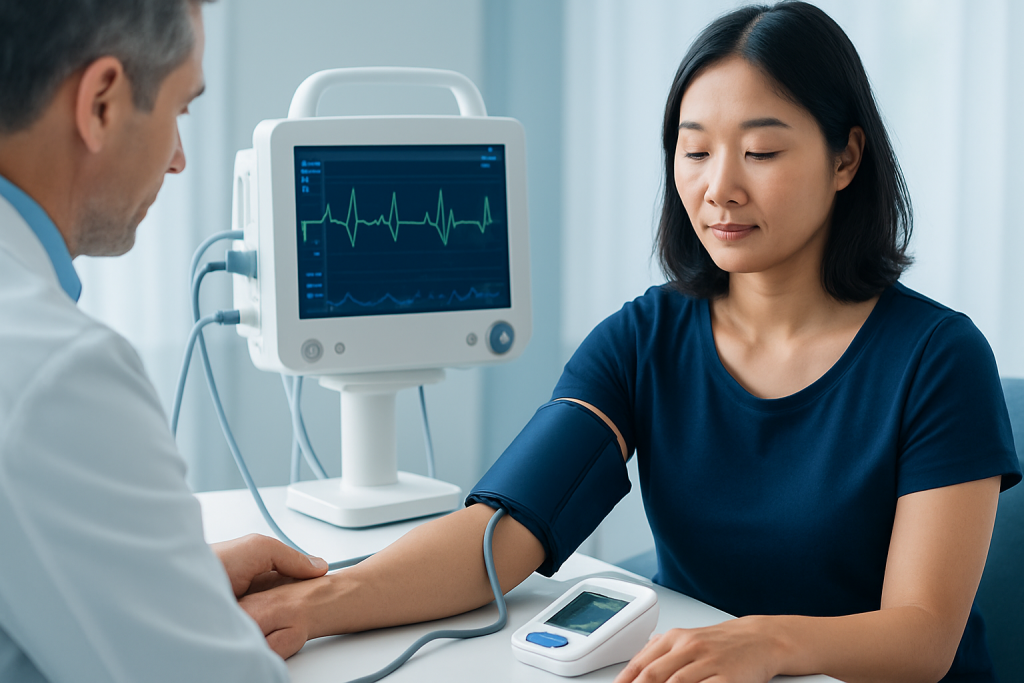
Home monitoring can be especially helpful. Readings taken at the same time each day, with the right cuff size and a calm five-minute rest beforehand, give a more reliable picture than occasional checks. Keeping a written or digital log is useful for both local and international follow-up appointments.
Patients should also keep an updated list of all medicines, including pain relievers, cold remedies, and supplements. Some products can interfere with blood pressure control or interact with prescribed treatment. When care is being coordinated across countries, bringing a medication list in the original language and in English can prevent confusion.
When to See a Doctor
A clinician should review blood pressure treatment if readings remain above the recommended range, if side effects become difficult to tolerate, or if there is uncertainty about whether a medicine is suitable. Follow-up is especially important after any change in kidney function, pregnancy status, or other major health developments.
Urgent medical assessment is needed for chest pain, severe shortness of breath, fainting, signs of stroke, or a very high blood pressure reading accompanied by severe headache, confusion, or vision changes. These situations require immediate attention rather than waiting for the next routine visit.
For patients traveling for care, a clear follow-up plan matters just as much as the treatment itself. The team should explain which symptoms warrant contact, when repeat labs are needed, how prescriptions will be renewed, and where to seek help if a concern arises after returning home. Acibadem Health Point’s multidisciplinary specialists and JCI-accredited hospitals support the diagnosis and treatment of hypertension for international patients, with careful coordination before and after the visit.
Frequently asked questions
Do blood pressure medications cure hypertension?
Blood pressure medications usually control hypertension rather than cure it. Many people need long-term treatment because blood pressure tends to rise again when medicine is stopped. The treatment plan can still change over time if readings improve or if the person’s health needs evolve.
What if a blood pressure medicine causes side effects?
Side effects should be reported to a clinician, especially if they are persistent or interfere with daily life. Often the solution is not to stop treatment, but to adjust the dose or switch to a different class. A doctor can help determine whether the symptom is likely related to the medicine or to another cause.
Can more than one blood pressure medicine be taken together?
Yes. Many patients need two or more medicines because each works in a different way. Combining medicines can improve control, but it should always be done under medical supervision to avoid excessive lowering of blood pressure or other interactions.
Is it safe to take blood pressure medicines while traveling?
In many cases, yes, as long as the medication is continued correctly and enough supply is available. Patients should carry a medication list, know the generic names, and understand what to do if a dose is missed or a refill is delayed. It is also wise to plan for follow-up in the destination country or after returning home.
Why do doctors ask for home blood pressure readings?
Home readings help show what blood pressure is doing in everyday life, away from the stress of a clinic visit. They can reveal patterns such as morning or nighttime elevation and help guide medication adjustments. A well-kept log is often more informative than a single reading taken in the office.
Can lifestyle changes still help if medicine has already started?
Yes. Healthy eating, regular activity, sleep, stress management, and smoking cessation all support blood pressure control. These measures can also improve overall heart health and may make treatment easier to manage over time.
References
- American Heart Association
- Centers for Disease Control and Prevention
- World Health Organization
- National Heart, Lung, and Blood Institute
- NICE Guidelines
This article is for general information only and is not a substitute for professional medical advice. Please consult a qualified doctor about your individual situation.
Explore treatments in Turkey — costs, top hospitals & a free quote
JCI-accredited · board-certified surgeons · reply within 24h
Add us as a Preferred Source to see more of our trusted health content across Google Search, AI Overviews and Discover.