It Band Stretches

Key Takeaways
- The iliotibial (IT) band is a strong tissue band that runs along the outside of the thigh from the hip toward the knee.
- Outer-knee pain during activity can come from IT band irritation, but other hip, knee, or back problems can feel similar.
- IT band stretches may ease tightness, yet they work best when combined with rest, strengthening, and movement changes.
- A careful diagnosis matters because persistent pain is not always a simple tightness problem.
- People with ongoing pain, swelling, locking, or difficulty bearing weight should be evaluated by a qualified doctor.
IT band pain is a common reason for outer-knee discomfort, especially in active people who run, cycle, or walk long distances. Gentle stretching can help some people feel better, but lasting relief usually depends on understanding the cause and balancing flexibility with strengthening and load management.
Overview
The iliotibial, or IT, band is a thick strip of connective tissue that runs down the outer side of the thigh. It helps stabilize the leg during walking, running, climbing stairs, and many sports that involve repeated bending and straightening of the knee.
When this tissue and the structures around it become irritated, the result is often called IT band syndrome. Many people first notice a sharp, aching, or burning pain on the outside of the knee, especially during longer runs, downhill walking, cycling, or repeated exercise sessions. Some people search for IT band stretches because the area feels tight, but the real issue is often more complex than simple stiffness.
For international patients planning care away from home, this condition is usually evaluated in an outpatient orthopedics or rehabilitation setting. A clinician will look at movement patterns, training habits, and the exact location of pain to decide whether the IT band is truly the source of symptoms or whether another problem is involved.
Symptoms
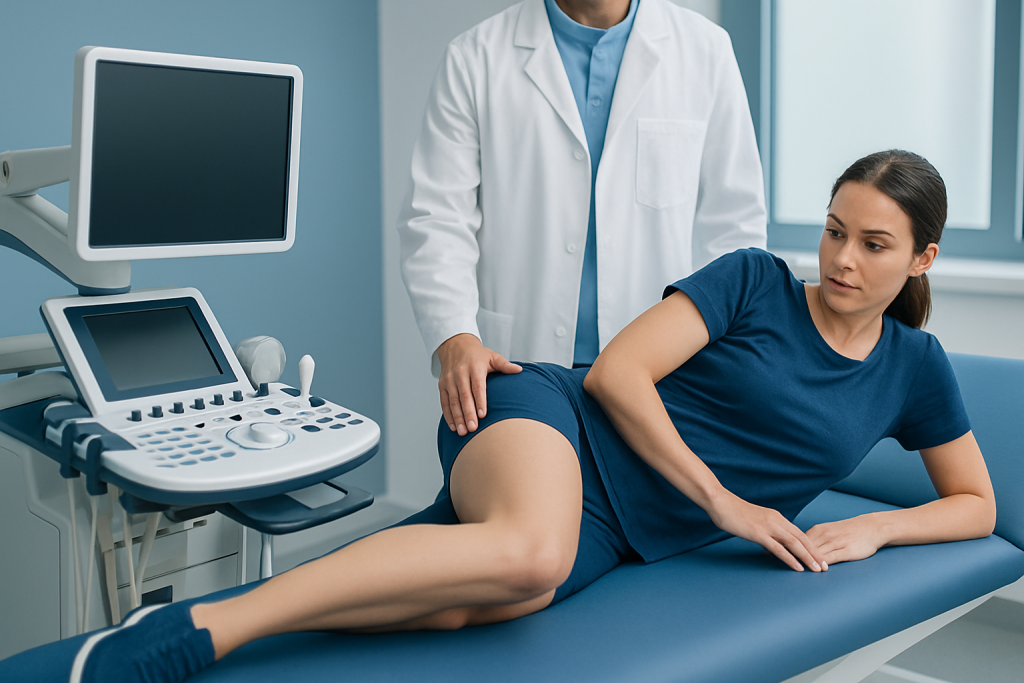
IT band-related pain usually develops gradually rather than after one clear injury. The discomfort commonly appears on the outer part of the knee, although some people feel it higher up along the outer thigh or near the hip. At first, symptoms may show up only after exercise, then later begin earlier in the activity.
Typical symptoms can include a clicking, rubbing, or burning sensation on the outside of the knee, tenderness when pressing the area, or pain that worsens when going downhill, using stairs, or sitting and standing repeatedly. Some people notice that the pain eases with rest and returns when activity resumes.
Because outer-knee pain can have several causes, symptoms alone do not confirm the diagnosis. Meniscus injuries, patellofemoral pain, hip conditions, and referred pain from the lower back can sometimes feel similar, which is one reason a focused medical assessment is important.
Causes & Risk Factors

The IT band is not usually “tight” in the same way a muscle is tight. Instead, irritation tends to develop when the leg is being loaded in a repetitive way that the body is not tolerating well. This can happen when training volume increases quickly, when running hills or long distances, or when cycling position and technique place repeated stress on the outer knee.
Risk may be higher in people with weak hip and gluteal muscles, poor movement control, sudden changes in footwear or terrain, inadequate recovery between workouts, or a history of previous leg injuries. Prolonged sitting followed by intense exercise can also make some people more sensitive to discomfort when they return to activity.
In some cases, body mechanics contribute to the irritation. Small differences in foot strike, leg alignment, or pelvic control can change how load travels through the lower limb. A rehabilitation specialist may assess these movement patterns as part of treatment planning, especially for patients who want to return safely to sport after care abroad.
Diagnosis
A doctor or physical therapist typically begins with a detailed history: when the pain started, which activities trigger it, whether it improves with rest, and whether there has been any change in training, shoes, or routine. They will also examine the knee, hip, and surrounding muscles to check flexibility, strength, tenderness, and movement quality.
The diagnosis is usually clinical, meaning it is based on symptoms and physical examination rather than one single test. Imaging is not always needed, but it may be used if the story is unusual, the pain is severe, or the clinician wants to rule out other causes such as arthritis, tendon injury, stress injury, or internal knee problems.
For patients traveling internationally, clear documentation from the first consultation helps guide the next steps, whether the plan is a short course of therapy, a sports medicine review, or follow-up after returning home. The goal is not only to label the pain, but to understand why it is happening and how to prevent it from recurring.
Treatment Options
Most people improve with non-surgical care. The first step is often reducing or temporarily modifying the activity that triggers pain. That may mean shorter runs, less hill work, a lower cycling load, or switching to low-impact exercise while symptoms settle. Rest does not always mean complete inactivity; it usually means choosing movements the body can tolerate.
IT band stretches are often recommended, especially for the hips, glutes, and outer thigh region. These stretches may help improve comfort and movement, but they are usually most effective when paired with strengthening exercises for the hip abductors, gluteal muscles, and core. A clinician or physical therapist may also suggest soft tissue work, gait retraining, posture adjustments, or gradual return-to-sport planning.
Other treatment elements may include ice after activity, short-term pain relief strategies advised by a clinician, and changes to footwear, training surface, or bike fit when appropriate. In more persistent cases, a rehabilitation plan is often more helpful than relying on stretching alone, because the underlying issue is often how the leg is being loaded rather than the band itself being short.
If pain lasts despite well-guided conservative care, a specialist may reassess the diagnosis and consider other options. Surgery is rarely needed for IT band problems, and it is generally reserved for uncommon situations where other causes have been excluded and symptoms remain limiting.
Prevention & Self-care
Prevention focuses on helping the lower body tolerate activity more smoothly. A gradual increase in mileage, intensity, hills, or cross-training is usually safer than a sudden jump in training demands. Warm-ups, recovery days, and attention to sleep and nutrition can also support tissue recovery.
Self-care may include regular mobility work for the hips and thighs, but stretching should feel gentle rather than forceful. If a stretch increases sharp pain at the outside of the knee, it should be stopped and reassessed. Strength work is often just as important as flexibility, especially for people whose symptoms appear when the hip muscles are fatigued.
- Increase exercise load gradually.
- Mix high-impact and low-impact activities.
- Replace worn footwear when appropriate.
- Pay attention to downhill running and repetitive cycling sessions.
- Seek early guidance if pain keeps returning.
Patients who travel for treatment can ask for a home program that fits their usual routines and equipment at home. Simple, clear instructions make it easier to continue care after leaving the clinic and reduce the chance of the same pain pattern returning during the next training cycle.
When to See a Doctor
Medical evaluation is recommended when outer-knee pain lasts more than a short period, keeps coming back, or starts limiting daily activities such as walking, stair climbing, or sitting for long stretches. It is also wise to seek care if the pain began after a fall, twist, or other injury.
Symptoms such as swelling, locking, giving way, fever, redness, numbness, or an inability to bear weight should prompt timely assessment, because they may point to a different problem. Even when symptoms seem mild, a doctor can help confirm the cause and guide the safest return to sport.
People planning care abroad often want a clear timeline for treatment and follow-up. Acibadem Health Point’s multidisciplinary specialists and JCI-accredited hospitals can diagnose and treat IT band-related conditions for international patients, with attention to recovery planning and continuity of care after the trip.
Frequently asked questions
Are IT band stretches enough to fix IT band syndrome?
Not always. Stretching may reduce discomfort for some people, but many cases improve more reliably when stretching is combined with strengthening, load reduction, and movement correction. A clinician can help decide which approach fits the person’s activity pattern.
What kind of stretch is usually used for the IT band?
Most programs focus on gentle hip and thigh stretches rather than trying to forcefully lengthen the IT band itself. Stretching the glutes, hip flexors, and outer hip can sometimes reduce tension around the outside of the leg. The stretch should feel mild to moderate, not sharp.
Can running make IT band pain worse?
Yes, especially if running volume, hills, or speed work increase too quickly. Many people need a temporary change in training while symptoms calm down. A gradual return is usually safer than pushing through the pain.
Is IT band pain always felt at the knee?
No. The discomfort is often near the outer knee, but some people feel it higher in the thigh or closer to the hip. Because several conditions can cause similar pain, an assessment is useful if the pattern is unclear.
Should someone rest completely if they have IT band pain?
Complete rest is not always necessary. Many people do better with relative rest, meaning they avoid the specific activity that triggers pain while continuing gentle movement that does not aggravate symptoms. A rehabilitation specialist can help set the right balance.
When does IT band pain need imaging or specialist review?
If the pain is persistent, unusual, severe, or associated with swelling, locking, or instability, a specialist may order tests to rule out other causes. Imaging is not always needed at the start, but it can be helpful when the diagnosis is uncertain.
References
- American Academy of Orthopaedic Surgeons
- Mayo Clinic
- Cleveland Clinic
- Hospital for Special Surgery
- National Health Service
This article is for general information only and is not a substitute for professional medical advice. Please consult a qualified doctor about your individual situation.