What Are The 4 Stages Of Copd

Key Takeaways
- COPD is commonly classified into four stages, from mild to very severe, based on airflow limitation and symptoms.
- Shortness of breath, chronic cough, mucus, and frequent flare-ups often become more noticeable as COPD progresses.
- Diagnosis usually includes a breathing test called spirometry, along with a medical history and sometimes imaging or oxygen checks.
- Treatment may include inhaled medicines, pulmonary rehabilitation, vaccination, smoking cessation, and oxygen therapy in selected cases.
- People with COPD should seek medical care if symptoms worsen, flare-ups become more frequent, or daily activities become harder to manage.
COPD is a long-term lung condition that makes it harder to breathe over time, and doctors often describe it in four stages to show how severe it has become. Understanding these stages can help patients recognize symptoms earlier, follow treatment plans more confidently, and know when to seek medical advice.
Overview
COPD, or chronic obstructive pulmonary disease, is a group of lung conditions that gradually make it harder to move air in and out of the lungs. It usually develops slowly, so many people first notice small changes such as getting breathless more easily when walking, climbing stairs, or carrying groceries.
Doctors often talk about COPD in four stages to describe how much the condition is affecting airflow and day-to-day life. These stages do not tell the whole story on their own, but they help guide treatment, follow-up, and planning for the future. A person with COPD may feel well for long periods and then have flare-ups, so stage is only one part of the picture.
For international patients, staging is especially useful because it gives a shared medical language across countries and care settings. Whether someone is seeking an initial evaluation or arranging follow-up care abroad, understanding the stage can make it easier to discuss treatment goals, travel safety, and recovery planning with the clinical team.
Symptoms
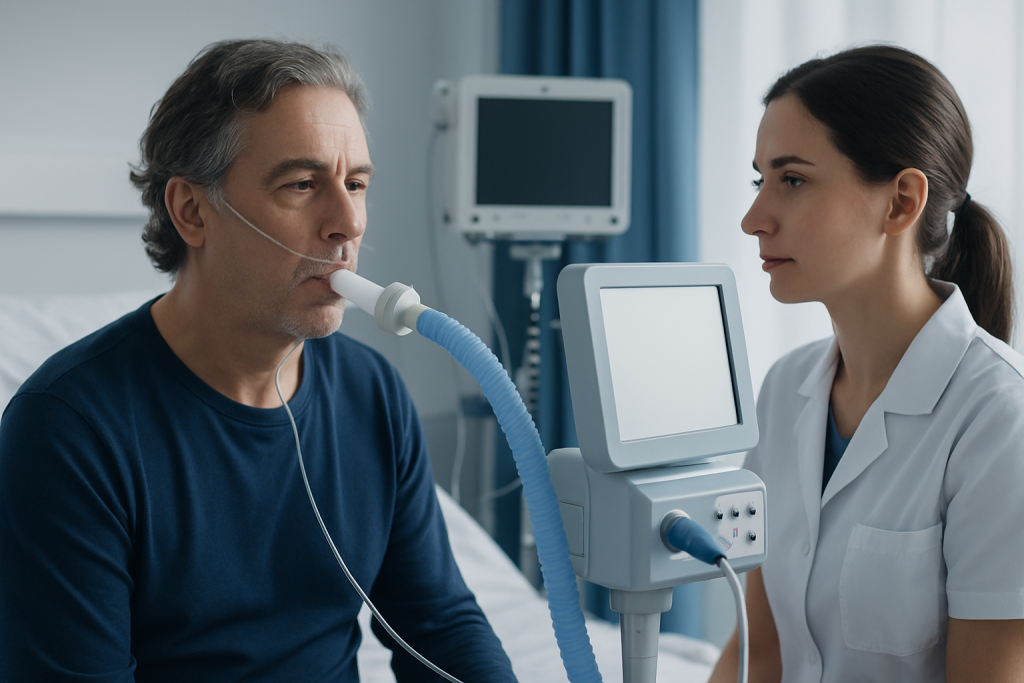
The signs of COPD can be subtle at first and may be mistaken for aging, low fitness, or a lingering cough from smoking or pollution exposure. As the condition advances, symptoms tend to become more persistent and more disruptive to normal routines.
Common symptoms include:
- Shortness of breath, especially with activity
- A chronic cough, sometimes called a smoker’s cough
- Mucus or phlegm production
- Wheezing or chest tightness
- Frequent chest infections or flare-ups
- Fatigue and reduced exercise tolerance
In later stages, a person may feel breathless even during simple tasks such as dressing, bathing, or walking short distances. Symptoms can also worsen during acute exacerbations, when breathing becomes noticeably harder for several days and urgent treatment may be needed.
The 4 Stages of COPD
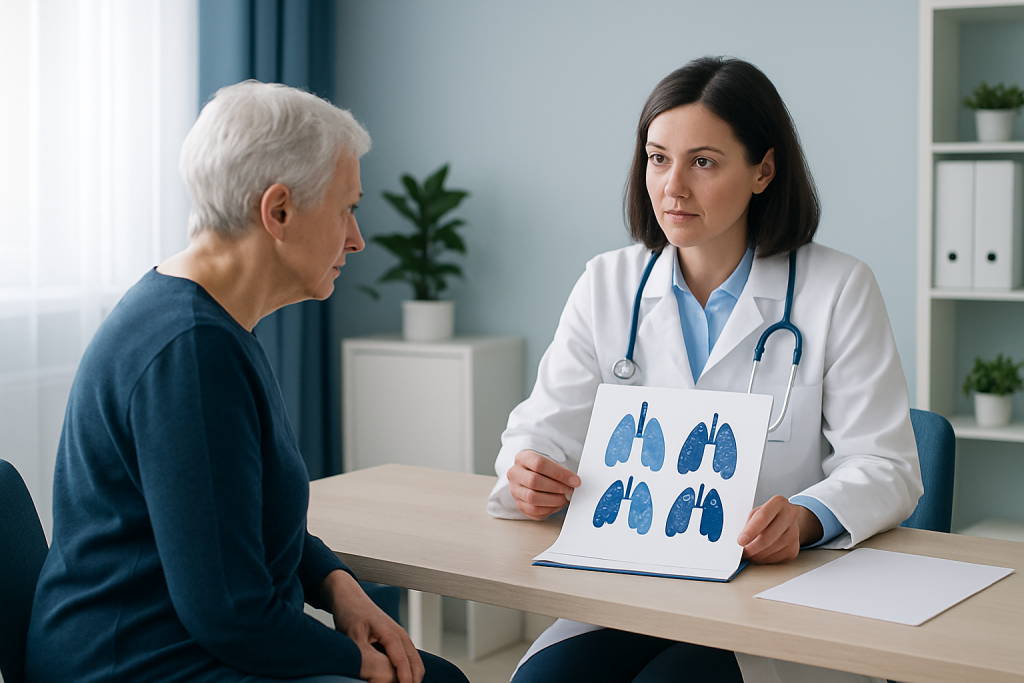
Doctors often describe COPD as four stages: mild, moderate, severe, and very severe. These stages are usually based on spirometry, a breathing test that measures how much air a person can force out in one second after a deep breath. The result helps estimate how narrowed the airways are.
Stage 1: Mild COPD. Airflow limitation is present, but symptoms may be mild or easy to ignore. A person might notice occasional cough, mucus, or breathlessness with strenuous activity, yet still manage most daily tasks.
Stage 2: Moderate COPD. Breathlessness often becomes more obvious, especially with exercise or climbing stairs. Cough and mucus may be more frequent, and some people begin to have flare-ups that lead them to seek medical care.
Stage 3: Severe COPD. Airflow is significantly reduced, and symptoms usually interfere with everyday life. Fatigue, repeated infections, and greater breathlessness are common, and flare-ups may happen more often or last longer.
Stage 4: Very severe COPD. This stage reflects very limited airflow and a high symptom burden. A person may struggle with basic activities, experience low oxygen levels, and need more intensive support such as oxygen therapy, rehabilitation, or hospital-based treatment during flare-ups.
It is important to remember that stage does not always match how a person feels on a given day. Some people with a lower stage may have troublesome symptoms, while others with more advanced disease may be relatively stable when treatment is well managed.
Causes & Risk Factors
COPD usually develops after the lungs have been exposed to irritants over a long period of time. Smoking is the most common cause, but it is not the only one. Long-term exposure to secondhand smoke, air pollution, workplace dust, chemical fumes, or biomass smoke from indoor cooking or heating can also contribute.
Some people are more likely to develop COPD because of factors they cannot change, such as a family tendency toward lung disease or a rare inherited condition called alpha-1 antitrypsin deficiency. A history of frequent childhood lung infections or poor lung growth in early life may also increase risk.
Risk rises when several factors overlap. For example, someone who smokes and also works around dust or fumes may be more vulnerable than someone with only one exposure. Knowing the risk factors is useful because it can prompt earlier testing, especially in people who notice breathlessness during routine activities.
Diagnosis
Diagnosis begins with a conversation about symptoms, smoking history, occupational exposures, prior chest infections, and how breathing problems affect daily life. A doctor will also listen to the lungs and may check oxygen levels, especially if the person appears breathless at rest or with minor exertion.
Spirometry is the key test used to confirm COPD. During this test, the patient takes a deep breath and blows forcefully into a machine, which measures airflow before and after a bronchodilator medicine may be given. This helps show whether the airflow limitation is persistent, which is a hallmark of COPD.
Depending on the situation, additional tests may include a chest X-ray, CT scan, blood tests, or an assessment of oxygen and carbon dioxide levels. These tests do not replace spirometry, but they can help identify other conditions, rule out complications, and guide treatment planning.
Treatment Options
Treatment is tailored to the stage of disease, symptoms, and flare-up history. The overall goal is to reduce breathlessness, improve function, prevent exacerbations, and support a better quality of life.
Inhaled medicines are commonly used to help open the airways and reduce inflammation in selected patients. Depending on the individual’s needs, a doctor may recommend a bronchodilator inhaler, and in some cases other inhaled therapies. It is important that inhalers are used with correct technique, because even a well-chosen medicine may not work well if it is not delivered properly.
Pulmonary rehabilitation is another major part of care. This supervised program usually combines exercise training, breathing strategies, education, and support for daily activity. People often find that it helps them feel more confident moving around, managing symptoms, and conserving energy.
For some patients, oxygen therapy may be prescribed if blood oxygen levels are low. Vaccinations, smoking cessation support, and treatment of related conditions such as heart disease, anxiety, or depression may also be part of the plan. In advanced cases, selected procedures or surgical options may be discussed by a specialist team.
Prevention & Self-care
Not every case of COPD can be prevented, but there are meaningful ways to protect lung health and slow worsening. The most important step is to stop smoking, and people who do not smoke should avoid secondhand smoke as much as possible. Reducing exposure to dust, fumes, and indoor smoke also matters.
Daily self-care can make breathing easier. Regular physical activity, as advised by a doctor, helps preserve stamina and muscle strength. Using medicines exactly as prescribed, learning correct inhaler technique, and staying up to date with flu and pneumonia vaccinations can all reduce the chance of setbacks.
Travel and recovery planning are also important for international patients. Anyone traveling for COPD care should arrange enough medication, carry prescriptions and medical summaries, and discuss whether air travel is appropriate if oxygen levels are a concern. After treatment, follow-up appointments, remote monitoring, and clear return precautions can help support a smoother recovery from another country.
Helpful day-to-day habits include:
- Pacing activities and resting before becoming overly breathless
- Using pursed-lip breathing during shortness of breath
- Eating balanced meals to maintain energy and strength
- Recognizing early signs of a flare-up, such as increasing cough or mucus
- Keeping an action plan from the care team
When to See a Doctor
Medical review is important when cough, mucus, wheezing, or breathlessness lasts longer than expected or begins limiting daily life. A doctor can help determine whether symptoms are due to COPD, another lung condition, or a treatable flare-up.
Prompt attention is especially important if breathing becomes noticeably worse, the person develops fever or chest pain, lips or fingers look bluish, or confusion or unusual sleepiness appears. These can be signs that oxygen levels are falling or that an infection or exacerbation needs urgent care.
People already diagnosed with COPD should also seek guidance if they are using rescue medicine more often than usual, waking at night because of breathlessness, or unable to complete routine activities. In specialized settings, multidisciplinary teams and JCI-accredited hospitals such as Acibadem Health Point can evaluate and treat COPD for international patients, while coordinating follow-up care and recovery planning.
Frequently asked questions
What are the 4 stages of COPD?
COPD is commonly described as mild, moderate, severe, and very severe. These stages reflect how much airflow is limited and how much the condition affects everyday life. A doctor usually confirms the stage with spirometry and a full clinical assessment.
Can someone have COPD and not know it?
Yes. Early COPD can cause only mild cough, mucus, or breathlessness with exertion, which many people dismiss. That is one reason COPD may not be diagnosed until symptoms become more obvious or a breathing test is done.
Does a higher stage mean worse symptoms every day?
Not always. Stage gives a general picture of lung function, but symptoms can vary from day to day and across flare-ups. Some people with advanced COPD can feel relatively stable when their treatment plan is working well.
Is COPD reversible?
COPD is generally not fully reversible, but its symptoms can often be improved and its progression slowed. Stopping smoking, using inhalers correctly, staying active, and treating flare-ups early can make a meaningful difference.
What test confirms COPD?
Spirometry is the main test used to confirm COPD. It measures how quickly a person can blow air out of the lungs and helps show whether airflow limitation is persistent.
When should a person with COPD get urgent help?
Urgent care is needed if breathing suddenly worsens, there is chest pain, blue lips or fingers, confusion, or severe difficulty speaking because of breathlessness. These signs may indicate a serious flare-up or low oxygen levels.
References
- Global Initiative for Chronic Obstructive Lung Disease (GOLD)
- World Health Organization
- American Lung Association
- National Heart, Lung, and Blood Institute
This article is for general information only and is not a substitute for professional medical advice. Please consult a qualified doctor about your individual situation.