

Calf Muscle

Key Takeaways
- Calf muscle problems can affect movement, posture, and day-to-day comfort.
- Common causes include strain, cramp, tendon irritation, and, less commonly, circulation-related conditions.
- A careful history and physical examination often guide diagnosis; imaging may be needed when symptoms are unclear or severe.
- Most mild calf muscle issues improve with rest, guided activity changes, and simple self-care.
- Sudden swelling, severe pain, numbness, or breathing symptoms need prompt medical assessment.
The calf muscle plays a major role in walking, running, balance, and standing. When it becomes painful, tight, swollen, or weak, the cause can range from overuse and cramping to injury or a circulation problem.
Overview
The calf muscle is not a single structure but a working pair of muscles, the gastrocnemius and soleus, that help the ankle point downward and support each step. They are busy every time a person climbs stairs, pushes off while walking, stands on tiptoe, or absorbs impact during sport.
Because the calf is involved in so many daily movements, even a small problem can be noticeable. Some people describe a tight pull after exercise, others feel a sharp pain during a sudden movement, and some notice a cramp that arrives without warning during sleep or travel.
For international patients deciding whether to seek care abroad, calf symptoms can be especially disruptive because they affect mobility during flights, sightseeing, work trips, and recovery plans. Understanding the likely cause helps determine whether the issue can be managed conservatively or needs prompt orthopaedic or vascular assessment.
Symptoms
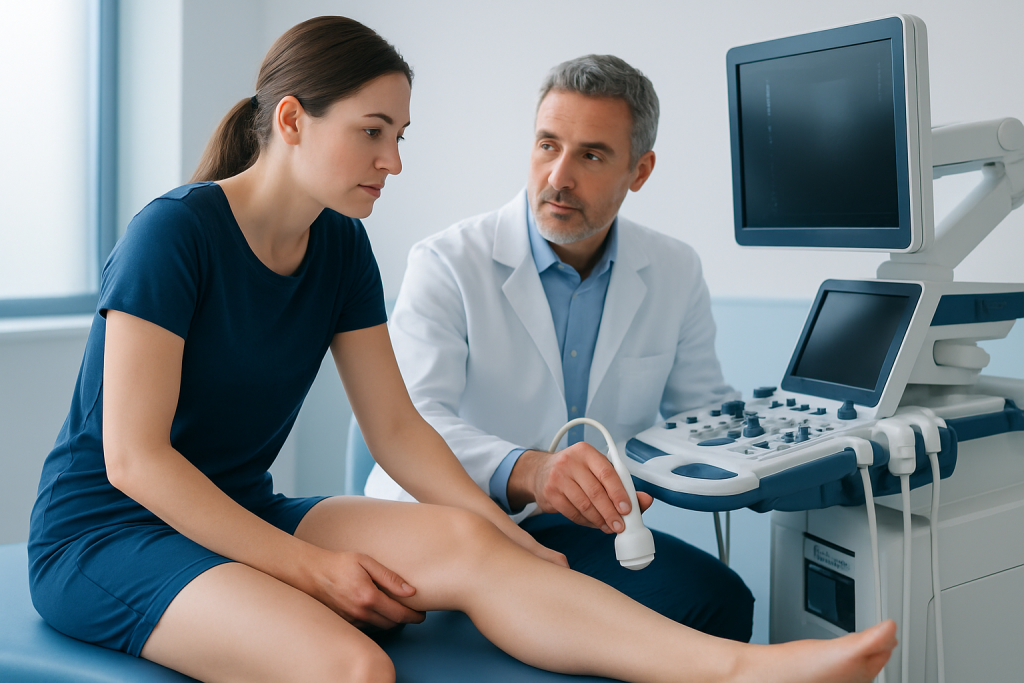
Calf muscle symptoms vary depending on the underlying cause. A strain often feels like a localized ache or a sudden pulling sensation, especially during pushing off, stretching, or changing direction. Mild cases may allow walking, while more significant injuries can make the leg feel weak or difficult to bear weight on.
Muscle cramps tend to come on abruptly and may create a hard, knotted feeling in the calf. After the cramp settles, the area can remain tender for a while. Tightness, reduced flexibility, and a sense that the muscle will “grab” again are also common.
Some symptoms suggest a problem beyond a simple muscle issue and deserve medical attention. These include marked swelling in one calf, redness or warmth, bruising after injury, numbness, tingling, or pain that does not match the level of activity.
- Pain with walking, running, or climbing stairs
- Visible swelling or bruising
- Muscle spasm or cramping, often at night
- Tightness or limited ankle movement
- Weakness when pushing off the foot
Causes & Risk Factors

The most common reason for calf muscle pain is overuse or strain. This may happen after a sudden sprint, an increase in exercise intensity, hill walking, jumping, or returning to activity after a period of rest. A quick change in footwear or training surface can also place extra load on the calf.
Other causes include dehydration, electrolyte imbalance, prolonged sitting, muscle fatigue, and irritation of nearby tendons. In some people, calf discomfort is related to spine, nerve, knee, or ankle problems that change the way force moves through the leg.
Not every calf complaint is muscular. Blood clots, artery narrowing, and some cysts or joint conditions can create calf pain or swelling that resembles a muscle injury. That is why clinicians look closely at the pattern of symptoms, the timing, and any travel, surgery, immobilization, or medical history that might raise risk.
Risk tends to be higher in people who suddenly increase physical activity, have previously injured the lower leg, wear unsupportive shoes, or spend long periods sitting. Older adults and people with circulation concerns may also notice calf symptoms more easily and should avoid assuming they are “just a strain.”
Diagnosis
Diagnosis usually begins with a detailed discussion of how the pain started, what it feels like, and what makes it better or worse. A clinician will often ask about sports, recent long-distance travel, falls, new exercise, medications, and any swelling in either leg.
A physical examination helps identify whether the problem is in the muscle belly, the tendon near the ankle, or another structure. The examiner may check walking pattern, calf tenderness, ankle range of motion, strength, and signs of circulation problems.
When the picture is straightforward, that may be enough. If symptoms are severe, one-sided, unexplained, or persistent, imaging tests such as ultrasound, X-ray, or MRI may be recommended to rule out a tear, fluid collection, or a more serious condition. In some cases, blood tests or vascular studies are used to clarify the cause.
Treatment Options
Treatment depends on the cause, but many calf muscle strains improve with conservative care. Rest from the activity that triggered symptoms, short-term activity modification, and gradual return to movement are often the starting points. Gentle motion usually matters more than complete stillness once serious injury has been excluded.
For strains and mild overuse pain, ice or heat may be used depending on the stage of the injury and what feels soothing. Compression, elevation, and supportive footwear can help some people feel more stable and comfortable. If a clinician recommends pain relief, it should be chosen safely based on the person’s age, health history, and other medications.
More substantial tears may need a structured rehabilitation plan that restores flexibility, strength, and balance before return to sport. If the diagnosis is a circulation problem, the treatment path is different and may involve medication, monitoring, or urgent intervention. In that setting, calf symptoms should never be treated as routine muscle soreness.
Recovery from abroad often benefits from coordinated follow-up, especially when a patient needs imaging, physiotherapy, or a staged return-to-activity plan after traveling home. Acibadem Health Point’s multidisciplinary specialists and JCI-accredited hospitals diagnose and treat calf muscle-related conditions for international patients, helping align evaluation with next-step care.
Prevention & Self-care
Prevention starts with respecting load. A calf that is asked to do more than it is prepared for—after a pause from exercise, a long flight, or a sudden training change—is more likely to complain. Building activity gradually gives the muscle time to adapt.
Simple self-care habits can make a meaningful difference. Warm up before exercise, use supportive shoes, stay hydrated, and include calf stretching and strengthening as advised by a clinician or physiotherapist. People who sit for long periods may also benefit from standing up, walking, and moving the ankles periodically.
After a minor strain, the goal is to calm symptoms without deconditioning the leg. Gentle range-of-motion exercises, then progressive strengthening, usually help more than waiting for complete pain-free rest. Returning too quickly to running or explosive sports is a common reason the problem lingers or recurs.
- Increase training intensity in small steps
- Replace worn-out footwear when needed
- Take movement breaks during long travel or desk work
- Follow a rehabilitation plan if a prior injury exists
When to See a Doctor
Medical evaluation is appropriate when calf pain is severe, keeps returning, or limits walking and daily activities. A professional assessment is also important if the pain followed a clear injury, if there is marked bruising, or if the person cannot comfortably bear weight.
Urgent care is especially important for one-sided swelling, warmth, redness, or calf pain that appears without a clear muscular trigger. These features can point to a circulation issue that needs prompt attention rather than home treatment.
Immediate medical help is needed if calf symptoms are accompanied by chest pain, shortness of breath, fainting, sudden numbness, a cold foot, or rapidly worsening swelling. Even when the cause turns out to be simple, it is safer to have new or unexplained symptoms checked early.
Living With Recovery and Return to Activity
Calf recovery is usually measured in function, not just pain. A good sign is the ability to walk normally, climb stairs, and push off the foot without a sharp pull or protective limp. For athletes, a safe return also includes hopping, sprinting, and sport-specific movement without a symptom flare.
People traveling for treatment should plan the return journey around mobility needs. A short walking plan, hydration, and follow-up instructions can make travel more comfortable, and a rehabilitation schedule can be adapted to the destination or home setting. Clear communication with the care team helps reduce confusion after discharge.
When a calf problem is managed thoughtfully, most people regain confidence in movement. The key is matching the pace of recovery to the real cause, rather than forcing activity too soon or ignoring symptoms that do not fit a simple strain.
Frequently asked questions
Is calf muscle pain always a strain?
No. A strain is common, but cramps, tendon irritation, nerve-related pain, and circulation problems can also affect the calf. The pattern of pain, swelling, and timing helps guide the diagnosis.
How can a person tell the difference between a cramp and a tear?
A cramp often starts suddenly and the muscle feels tight or knotted, then gradually relaxes. A tear is more likely to follow a specific movement, cause sharper pain, and leave ongoing tenderness, weakness, or bruising.
Should walking be avoided after a mild calf muscle injury?
Not always. Light walking may be fine if it does not worsen pain, but the activity should be scaled back and kept gentle at first. If walking causes limping or increasing pain, medical advice is sensible.
Can long flights trigger calf problems?
Yes, long periods of sitting can contribute to stiffness, cramping, and circulation-related issues in some people. Moving the ankles, standing up when safe, and staying hydrated may help reduce discomfort during travel.
When is imaging needed for calf pain?
Imaging is considered when the cause is unclear, symptoms are severe, or a clinician suspects a tear, fluid collection, or circulation issue. It is not needed for every calf ache, but it can be useful when the history and examination do not give a clear answer.
What helps prevent calf muscle cramps at night?
Regular stretching, adequate hydration, and addressing overuse or fatigue may help some people. If cramps are frequent or severe, a doctor should review possible medication, nerve, or circulation contributors.
References
- American Academy of Orthopaedic Surgeons
- Mayo Clinic
- National Health Service
- Cleveland Clinic
- Merck Manual Professional Edition
This article is for general information only and is not a substitute for professional medical advice. Please consult a qualified doctor about your individual situation.
More from the Health Library



Related Specialists

Prof. Dr. Saime Paydaş
Internal Medicine
Dr. F. Çağla Uyanusta Küçük
Pulmonology
Assoc. Prof. Dr. Çağrı Örs
Orthopedic Surgery & Traumatology
Prof. Dr. Ayşe Sarioğlu
Pediatric Cardiology