Best Exercises For Lung Health

Key Takeaways
- Regular movement can help the lungs and breathing muscles work more efficiently.
- Breathing exercises, walking, cycling, and gentle strength training are commonly used to support lung health.
- People with asthma, COPD, or recovery needs should match exercise intensity to their condition and symptoms.
- Warm-ups, pacing, hydration, and good technique can make exercise safer and more comfortable.
- New or worsening shortness of breath, chest pain, or dizziness should be discussed with a doctor.
Lung-friendly exercise can support breathing efficiency, stamina, and daily comfort when it is chosen and paced appropriately. This article explains which activities are most helpful, how they work, and when medical guidance matters.
Overview
The lungs do not become stronger in the same way that biceps do, but they do benefit when the body is asked to move in steady, well-paced ways. The best exercises for lung health are usually the ones that encourage efficient breathing, improve circulation, and train the body to use oxygen more effectively.
For many people, the goal is not to “push through” breathlessness. It is to build comfort and confidence with activities that gently challenge the heart, lungs, and breathing muscles. That may mean a brisk walk around the neighborhood, a stationary bike session, or guided breathing practice done at home or during a rehabilitation program.
When someone is traveling for care, recovering after illness, or managing a long-term condition from another country, exercise choices should be practical and easy to repeat. The most useful routine is often the one that can be maintained safely in a hotel room, clinic setting, local park, or at home after return travel.
Symptoms that Suggest the Lungs Need Extra Support
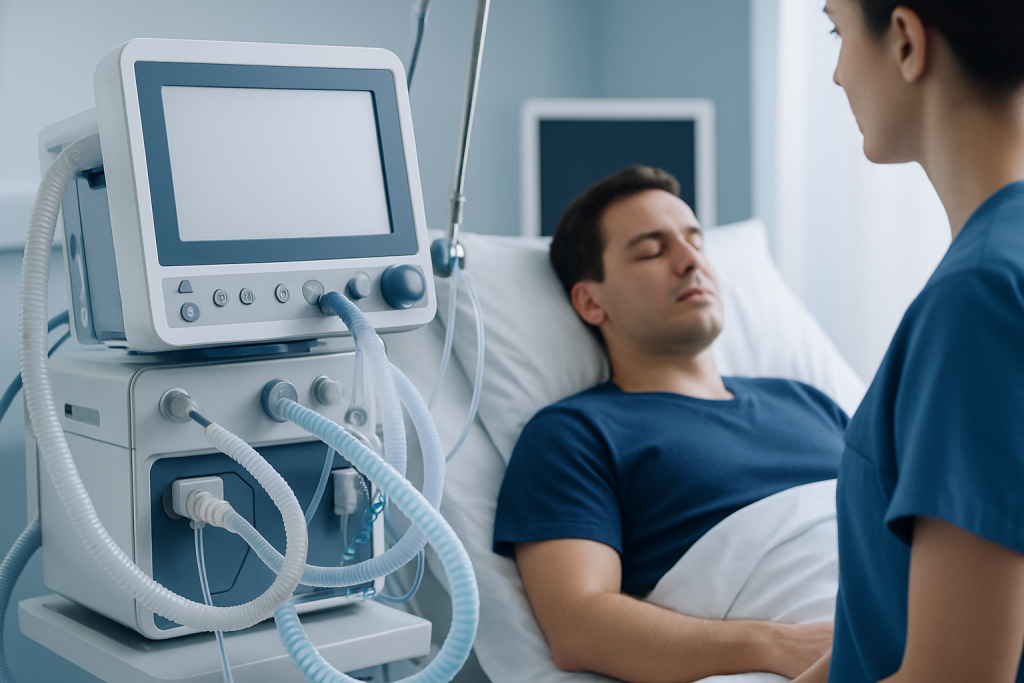
Many people start thinking about lung health after noticing that ordinary activities feel harder than they used to. Climbing stairs, walking uphill, talking while moving, or recovering after a cold may leave them more short of breath than expected.
Exercise is not a cure for every breathing problem, but it can help people notice patterns, improve stamina, and feel less limited in daily life. Common signs that may lead someone to ask about lung-supportive exercise include:
- Shortness of breath during light or moderate activity
- Tightness in the chest or a tendency to “breathe high” in the chest
- Poor stamina or early fatigue when walking
- Frequent pauses during activity to catch breath
- Anxiety that seems to worsen breathing
These symptoms can come from many causes, including deconditioning, asthma, chronic lung disease, heart conditions, anemia, or recent infection. Because the cause matters, a health professional can help determine which type of exercise is appropriate and whether additional testing is needed first.
Causes and Risk Factors

Exercise supports lung health most effectively when it is paired with an understanding of what is affecting breathing in the first place. Some people have healthy lungs but low fitness, while others are managing a diagnosed respiratory condition that benefits from carefully planned activity.
Factors that can reduce breathing comfort or make exercise feel harder include smoking or past smoking exposure, air pollution, respiratory infections, asthma, chronic obstructive pulmonary disease, obesity, poor posture, and sedentary habits. Stress and shallow breathing patterns can also make the chest and shoulders do extra work.
Age, recent surgery, prolonged bed rest, and recovery after hospitalization may also weaken endurance. In international-patient settings, this is especially relevant because long travel days, changes in climate, and unfamiliar routines can temporarily affect energy, hydration, and breathing comfort.
Diagnosis: How Doctors Assess Lung Fitness Before Recommending Exercise
If breathing symptoms are persistent or limiting, a clinician may start by asking about triggers, medication use, activity tolerance, smoking history, and recent infections. A physical examination can reveal whether symptoms seem more related to the lungs, the heart, muscle deconditioning, or another issue.
Depending on the situation, doctors may recommend spirometry, pulse oximetry, chest imaging, blood tests, exercise testing, or a pulmonary rehabilitation assessment. These tests help identify whether a person needs a simple home walking plan, a supervised program, or treatment for an underlying condition before exercise becomes more comfortable.
For patients planning care while traveling, diagnosis is also about logistics. A clear plan can help them know what activities are safe during their stay, how to use medications correctly, and what to continue once they return home. That continuity matters as much as the first appointment.
Treatment Options: Exercises That Commonly Help Lung Health
The most effective exercise plan usually combines several types of movement rather than relying on one single routine. Aerobic exercise, breathing training, and gentle strength work each support lung health in a different way.
Walking is often the most accessible option. It raises the heart rate gradually, encourages deeper breathing, and can be adjusted to almost any fitness level. Short, frequent walks are often better tolerated than one long session, especially for people who are recovering or getting back into exercise after a period of inactivity.
Cycling, swimming, and low-impact aerobic training can also be useful when tolerated. These activities build endurance while keeping joints under less stress. Swimming can feel particularly comfortable for some people, although those with asthma or sensitivity to chlorine should pay attention to triggers.
Breathing exercises are often recommended alongside aerobic activity. Useful techniques may include:
- Diaphragmatic breathing: focuses on gentle abdominal movement rather than shallow chest breathing
- Pursed-lip breathing: may help slow exhalation and reduce the feeling of air hunger
- Segmental or guided breathing: used in rehabilitation settings to improve awareness and control
Light strength training can support the muscles that assist breathing and daily movement. Stronger arms, legs, and trunk muscles reduce the effort required for common tasks such as carrying luggage, standing from a chair, or climbing stairs. Resistance bands, bodyweight exercises, and light weights are often enough to begin.
Prevention and Self-care
Good lung-supportive exercise starts with pacing. Warm up slowly, keep the first few minutes easy, and stop before exhaustion sets in. A steady rhythm is usually more valuable than an intense effort that leaves the person too winded to continue.
People often do better when they pay attention to posture and environment. An upright position can give the diaphragm more room to move, while clean air, comfortable temperature, and proper hydration can make breathing feel less strained. If a person uses prescribed inhalers or other respiratory medicines, those should be taken exactly as directed by the treating clinician.
Self-care habits that support exercise include:
- Choosing indoor or outdoor settings with good air quality
- Avoiding exercise during respiratory flare-ups unless a doctor has advised otherwise
- Spacing activity through the day rather than trying to do it all at once
- Using breathing techniques during walking, lifting, or stair climbing
- Stopping if symptoms feel unusual, progressive, or out of proportion
For someone traveling for treatment or follow-up, it helps to pack medications, a written care plan, and comfortable walking shoes. Small details like these can make it easier to stay active during a trip and maintain progress after returning home.
When to See a Doctor
Exercise-related breathlessness is not always dangerous, but it should be checked if it is new, worsening, or interfering with daily life. A doctor can help separate normal exertion from symptoms that need evaluation or a treatment change.
Medical advice is especially important if shortness of breath occurs at rest, wakes the person from sleep, or is accompanied by chest pain, fainting, blue lips, fever, wheezing, swelling, or a persistent cough. These symptoms do not mean something serious is certain, but they do deserve prompt attention.
People with known lung disease, recent pneumonia, COVID-19 recovery needs, heart disease, or a recent hospital stay may benefit from a supervised rehabilitation approach rather than starting on their own. Acibadem Health Point’s multidisciplinary specialists and JCI-accredited hospitals can help international patients diagnose and treat lung-related conditions in a coordinated way, with exercise guidance tailored to the person’s medical picture and follow-up needs.
A Practical Weekly Routine to Start With
A helpful routine does not need to be complicated. For many people, the safest beginning is a repeatable pattern of short activity blocks, breathing practice, and rest. The purpose is to make breathing feel more controlled, not to create soreness or exhaustion.
One simple approach is to pair a daily walk with two short breathing sessions and two or three days of gentle strength work each week. The walk may start at a pace that allows conversation, and the strength work may focus on sit-to-stand movements, wall push-ups, or resistance-band rows. If symptoms increase, the plan should be adjusted rather than abandoned.
Over time, improvement is often seen as less hesitation before activity, better recovery after exertion, and more confidence during everyday tasks. Those changes may be gradual, but they can be meaningful, especially for people rebuilding stamina after illness or long periods of inactivity.
Living Well With Lung-Friendly Exercise
The best exercise for lung health is the one that is safe, consistent, and matched to the person’s abilities. For some, that is a daily walk. For others, it is a rehabilitation program, breathing training, or a combination of several low-impact activities.
What matters most is progress that feels sustainable. A careful plan, guided by a clinician when needed, can help people breathe more comfortably, move with more confidence, and maintain quality of life across busy routines, travel, and recovery.
If exercise brings up questions about breathing symptoms, medications, or the right level of intensity, a qualified doctor or respiratory specialist can provide personalized advice based on the person’s history and current health.
Frequently asked questions
What is the best exercise for lung health?
There is no single best exercise for everyone. Walking, cycling, and gentle strength training are often recommended because they improve endurance and support daily breathing demands, while breathing exercises can help with control and efficiency.
Can breathing exercises improve lung function?
Breathing exercises can improve breathing technique, reduce the feeling of breathlessness, and help a person use the diaphragm more effectively. They do not replace medical treatment for lung disease, but they can be a useful part of a broader plan.
Is exercise safe for people with asthma or COPD?
Often, yes, but the exercise plan should be matched to the person’s condition and current symptoms. A doctor may recommend pacing, inhaler timing, or a supervised pulmonary rehabilitation program to keep activity safe and manageable.
How long should someone exercise for lung health?
That depends on fitness level, age, and medical history. Many people do best with shorter sessions that can be repeated consistently, then gradually increased as tolerance improves.
Should someone stop exercising if they feel short of breath?
Mild breathlessness during exertion can be normal, but sudden, severe, or unusual shortness of breath should not be ignored. The person should slow down or stop and seek medical advice if symptoms do not settle as expected.
Can travel or altitude affect breathing during exercise?
Yes, travel, jet lag, climate changes, and higher altitude can all make exercise feel harder for some people. It is wise to start more gently, stay hydrated, and follow the doctor’s guidance if a respiratory condition is already known.
References
- World Health Organization
- American Lung Association
- National Heart, Lung, and Blood Institute
- Global Initiative for Chronic Obstructive Lung Disease
- British Thoracic Society
This article is for general information only and is not a substitute for professional medical advice. Please consult a qualified doctor about your individual situation.