

Kidney Infection Symptoms

Key Takeaways
- Kidney infection symptoms often include fever, chills, flank pain, nausea, and painful urination.
- A kidney infection can develop from a lower urinary tract infection that spreads upward.
- Diagnosis usually relies on a urine test, medical history, and sometimes blood tests or imaging.
- Treatment commonly involves antibiotics, fluids, and close follow-up to make sure the infection clears.
- People who are pregnant, older, or immunocompromised should seek medical care promptly if symptoms appear.
A kidney infection can begin like a routine urinary infection, but it often brings stronger, more widespread symptoms that deserve prompt attention. Understanding the warning signs can help a person seek care early and avoid complications.
Overview
A kidney infection, also called pyelonephritis, is a type of urinary tract infection that reaches one or both kidneys. It is usually more serious than a bladder infection because the kidneys are responsible for filtering the blood and helping the body maintain fluid and chemical balance.
For many people, the early story starts in the lower urinary tract with symptoms such as burning during urination or needing to urinate often. When the infection moves upward, the body often responds more strongly. Fever, pain in the side or back, and a general feeling of being unwell are clues that the kidneys may be involved.
Because the symptoms can develop quickly or sometimes appear gradually, it is helpful to look at the overall pattern rather than one sign alone. A person traveling abroad for care may notice these changes while dealing with a busy schedule, but it is still important not to delay assessment if the symptoms suggest a kidney infection.
Symptoms
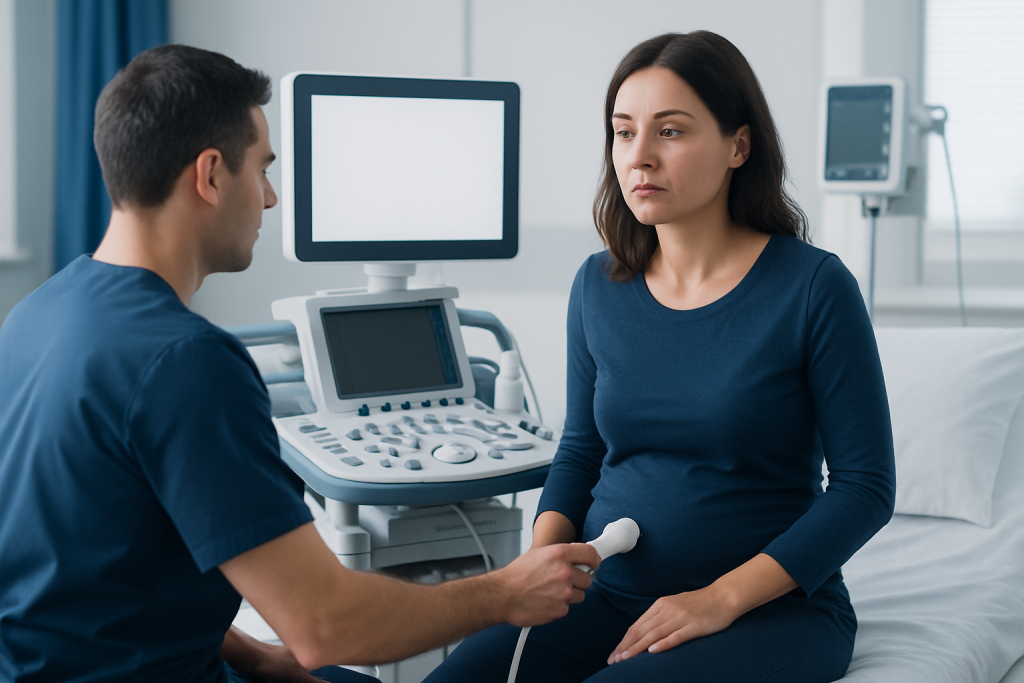
Kidney infection symptoms often affect both the urinary system and the whole body. The pattern may look different from person to person, but several signs are especially common. Some people first notice bladder symptoms, while others feel suddenly ill with fever and back pain.
Typical symptoms can include:
- Fever, often with chills
- Pain in the side, lower back, or flank
- Burning or pain when urinating
- Frequent urge to urinate
- Cloudy, strong-smelling, or sometimes bloody urine
- Nausea or vomiting
- General weakness, fatigue, or feeling unwell
In older adults, symptoms may be less specific. Confusion, reduced appetite, weakness, or changes in usual behavior can sometimes be the only clear clues. In pregnancy, symptoms may need faster attention because kidney infections can affect both the parent and the developing baby.
Causes & Risk Factors

Most kidney infections begin when bacteria, commonly from the digestive tract, enter the urinary tract and travel upward from the bladder to one or both kidneys. This upward spread is more likely when a lower urinary tract infection is not treated quickly or when the flow of urine is blocked or slowed.
Certain factors can raise the chance of developing a kidney infection. These include having a history of urinary tract infections, kidney stones, an enlarged prostate, a urinary catheter, structural problems in the urinary tract, or conditions that weaken the immune system. Pregnancy can also increase the risk because of changes in the urinary tract.
Hydration, bladder emptying habits, and urinary tract anatomy all play a role in risk, but kidney infection is not usually caused by poor cleanliness alone. For international patients, it may be useful to mention any prior urine infections, medications, or procedures clearly during consultation, since these details can help doctors understand why the infection may have developed.
Diagnosis
Doctors usually diagnose a kidney infection by combining symptoms, a physical examination, and urine testing. The urine sample helps show whether there is infection, inflammation, or blood in the urine. If the illness seems more serious, blood tests may be used to check for signs that the infection has spread beyond the urinary tract or has affected kidney function.
In some cases, imaging such as ultrasound or CT scanning may be recommended. This is more likely if symptoms are severe, if the infection does not improve as expected, or if there is concern about a blockage, stone, or another underlying problem. Imaging is not needed for every patient, but it can be important when the picture is not straightforward.
Because kidney infection symptoms may resemble other conditions, evaluation by a doctor is the safest way to confirm the cause. This is especially true for people who are pregnant, have diabetes, are immunocompromised, or have had repeated urinary infections, since treatment planning may need to be more tailored.
Treatment Options
Treatment usually centers on antibiotics chosen to target the likely bacteria. The exact medicine and the way it is given depend on how ill the person is, whether vomiting is present, and whether the infection can be managed at home or needs hospital care. Some patients improve with oral antibiotics, while others need intravenous treatment first.
Supportive care may include drinking fluids if advised, resting, and using doctor-approved pain or fever relief. If nausea or dehydration is present, care in a clinic or hospital may be recommended so that antibiotics and fluids can be given safely. The most important part of treatment is finishing the prescribed course and returning for follow-up if symptoms do not improve.
If a blockage, stone, or structural issue is found, treating the infection alone may not be enough. In those cases, doctors may address the underlying problem to help the kidneys drain properly and reduce the chance of the infection returning. For patients coming from another country, this planning can include coordinating tests, treatment, and follow-up before travel home so continuity of care is smoother.
Prevention & Self-care
Not every kidney infection can be prevented, but there are sensible habits that can lower risk and support urinary tract health. Prompt attention to bladder infection symptoms is one of the most practical steps, since treating a lower urinary tract infection early may reduce the chance of it spreading upward.
Helpful measures may include:
- Drinking enough fluids, unless a doctor has given different advice
- Not holding urine for long periods
- Emptying the bladder regularly and completely
- Following treatment plans carefully for any urinary infection
- Managing conditions such as diabetes as recommended by a clinician
- Seeking medical review for recurrent urinary symptoms
Self-care should not replace medical treatment once kidney infection symptoms are present. Home measures can be supportive, but antibiotics and professional assessment are usually necessary. Travelers should avoid delaying care because of transport plans, as worsening symptoms can make travel uncomfortable or unsafe.
When to See a Doctor
A doctor should be contacted promptly if urinary symptoms are paired with fever, flank pain, chills, nausea, or vomiting. These signs suggest the infection may have moved beyond the bladder and needs timely evaluation. The same is true if symptoms are severe, continue to worsen, or return soon after treatment.
Urgent care is especially important for pregnant people, older adults, children, and anyone with kidney disease, diabetes, a weakened immune system, or a urinary catheter. Medical attention is also needed if a person cannot keep fluids down, has confusion, feels faint, or develops worsening pain.
When patients are considering treatment abroad, it helps to seek care early enough to allow testing, treatment, and short-term follow-up before traveling home. Acibadem Health Point’s multidisciplinary specialists and JCI-accredited hospitals can help diagnose and treat kidney infections for international patients in a coordinated way, with attention to safe recovery planning.
Frequently asked questions
How do kidney infection symptoms differ from a bladder infection?
Bladder infections usually cause burning with urination, urgency, and frequent urination. Kidney infections often add fever, chills, flank or back pain, nausea, and a stronger overall feeling of illness.
Can a kidney infection go away on its own?
A kidney infection usually needs medical treatment, most often antibiotics. Waiting for it to resolve on its own can allow the infection to worsen or spread, so prompt evaluation is the safer choice.
Is back pain always a sign of kidney infection?
No, back pain has many causes, including muscle strain and spine problems. When back or side pain happens together with fever or urinary symptoms, a kidney infection becomes more likely and should be checked by a doctor.
What tests are used to confirm a kidney infection?
Doctors commonly use a urine test first, and sometimes blood tests or imaging if needed. The right tests depend on the severity of symptoms and whether an obstruction or complication is suspected.
Do all kidney infections require hospital treatment?
Not always. Some people can be treated at home with oral antibiotics if they are stable and able to drink fluids, but others need hospital care for IV antibiotics or closer monitoring.
Can kidney infections come back?
Yes, they can recur, especially if there are repeated urinary infections or an underlying urinary tract issue. Follow-up care helps identify risk factors and reduce the chance of another infection.
References
- National Institute of Diabetes and Digestive and Kidney Diseases
- Mayo Clinic
- Cleveland Clinic
- World Health Organization
- Merck Manual Professional Edition
This article is for general information only and is not a substitute for professional medical advice. Please consult a qualified doctor about your individual situation.
More from the Health Library



Related Specialists

Dr. Soner Dileklen
Internal Medicine
Dr. İdris Berke Ceylan
Emergency Service
Dr. Gülay Beydilli Nacak
Gynecology & Obstetrics
Dr. Gülçin Taşkın Ak
Internal Medicine