What Does A Hernia Feel Like

Key Takeaways
- A hernia often causes a bulge with pressure, discomfort, or a dragging sensation rather than sharp pain.
- Symptoms may worsen with lifting, coughing, straining, or long periods of standing.
- Some hernias are painless at first, which is why they can be easy to overlook.
- Persistent pain, nausea, vomiting, or a bulge that cannot be pushed back needs prompt medical attention.
- Diagnosis is usually based on a physical exam and sometimes imaging, such as ultrasound or CT.
- Treatment ranges from observation to surgery, depending on the hernia type, symptoms, and risk of complications.
A hernia can feel like a soft bulge, pressure, aching, or a pulling sensation that often becomes more noticeable with standing, coughing, or lifting. Because symptoms vary by hernia type and location, a proper medical evaluation is the safest way to confirm what is going on.
Overview
A hernia happens when tissue pushes through a weak spot in the muscle or connective tissue that is meant to keep it in place. For many people, the first clue is not dramatic pain but a change in how the area looks or feels: a lump, fullness, or a sense that something is “not quite right” when they move, cough, or lift.
What a hernia feels like depends on where it develops. An inguinal hernia in the groin may feel like a tugging or heavy sensation. An abdominal wall hernia may seem like a soft bulge that appears when standing and settles when lying down. Some people notice only mild discomfort for months, while others feel aching or pressure much sooner.
Because hernia symptoms can overlap with muscle strain, swollen lymph nodes, digestive problems, or other conditions, a careful assessment matters. For international patients planning care abroad, that often means discussing the pattern of symptoms clearly before travel, then confirming the diagnosis with an exam and, if needed, imaging once they arrive.
Symptoms
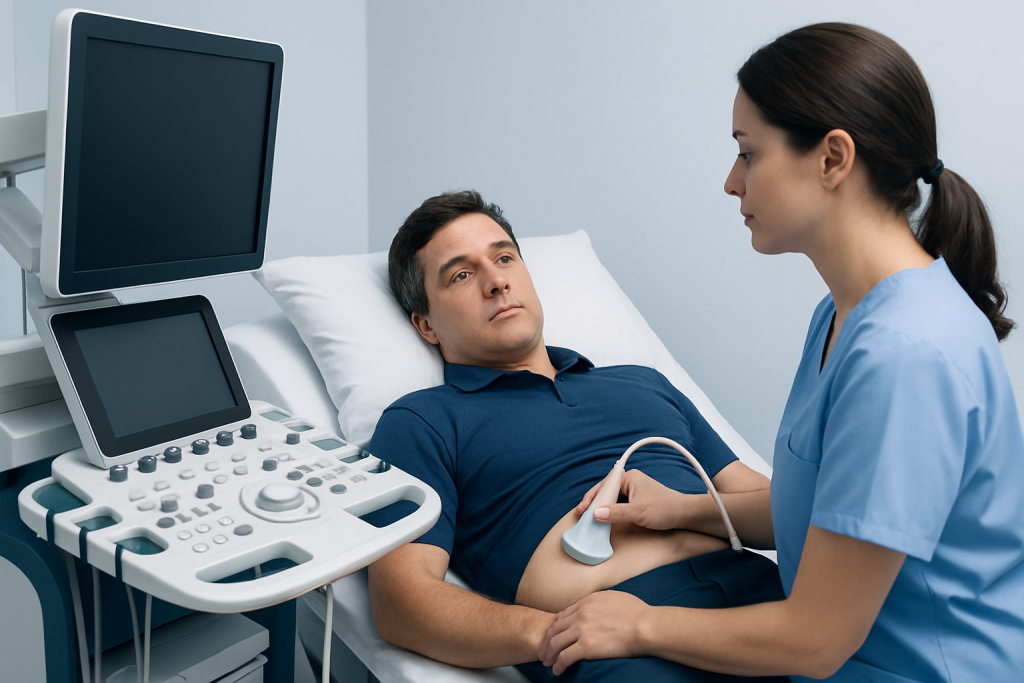
The most recognizable sign of a hernia is a bulge that may become more obvious during activity and smaller at rest. Many people describe the sensation as pressure, heaviness, pulling, or a dull ache rather than severe pain. The bulge may be painless at first and appear only when the person stands, strains, coughs, or lifts something.
Common feelings associated with a hernia can include:
- A visible or palpable lump in the groin, abdomen, or near a surgical scar
- A sense of fullness, dragging, or weakness in the area
- Mild pain or burning that worsens with movement
- Discomfort after long periods of standing or physical effort
- Occasional symptoms that improve when lying down
Different hernia types may present in slightly different ways. In a hiatal hernia, for example, the feeling may be more internal and related to reflux, chest discomfort, or a sensation of pressure after meals rather than an external bulge. That is one reason the location and character of symptoms are important clues during a consultation.
It is also possible to have a hernia with little or no discomfort, especially early on. Even then, the area may still enlarge over time, so changes in the size, firmness, or tenderness of a bulge should not be ignored.
Causes & Risk Factors

A hernia forms when pressure inside the body pushes tissue through a weak point. Some weaknesses are present from birth, while others develop over time after surgery, injury, aging, or repeated strain. The feeling a person notices is often tied to this pressure: when the bulge shifts or stretches, it can create a pulling or aching sensation.
Factors that can increase the risk of a hernia include repeated heavy lifting, chronic coughing, constipation and straining, pregnancy, excess abdominal weight, and prior abdominal surgery. Smoking and poor wound healing may also contribute, particularly in incisional hernias after an operation.
In children, some hernias are related to how the abdominal wall developed before birth. In adults, the cause is often a mix of tissue weakness and daily pressure over time. Understanding the background can help a doctor decide whether a hernia is likely to stay stable, progress slowly, or need repair sooner.
Diagnosis
Doctors usually begin with a detailed history and a physical examination. They may ask when the bulge appears, whether it changes with standing or coughing, and whether there is pain, nausea, bowel changes, or trouble pushing the bulge back in. These details help distinguish a hernia from muscle strain or other causes of swelling.
During the exam, the doctor may look for a bulge while the person stands or bears down gently. Some hernias are easy to feel, while others are small, deep, or intermittent. If the diagnosis is not clear, imaging such as ultrasound, CT scan, or sometimes MRI may be used to identify the hernia and its exact location.
For patients arranging treatment from another country, diagnostic planning is often part of the first conversation. Sharing prior reports, operation notes, or scan images can save time and help the specialist decide whether more tests are needed before recommending treatment.
Treatment Options
Treatment depends on the type of hernia, the size of the defect, the severity of symptoms, and whether there are signs of complications. Some small hernias that cause little or no discomfort may be monitored over time with regular medical follow-up. In these cases, the goal is to watch for increasing pain, growth, or changes in reducibility.
When a hernia is painful, enlarging, or interfering with daily life, surgery is often the definitive treatment. Repair may be done through an open incision or minimally invasive techniques, depending on the hernia and the person’s overall health. The surgeon typically returns the tissue to its proper position and reinforces the weak area to lower the chance of recurrence.
For hiatal hernia with reflux symptoms, treatment may include lifestyle measures and medications to reduce acid, and surgery is considered in selected cases. The choice is individualized, especially for patients traveling internationally, because recovery plans, follow-up timing, and the ability to rest after treatment should all be considered before the procedure is scheduled.
It is important not to try to force a very painful or suddenly firm hernia back into place at home. A medical team can determine the safest approach and explain whether same-day treatment, observation, or urgent surgery is needed.
Prevention & Self-care
Not every hernia can be prevented, but some practical habits may reduce strain on the abdominal wall. Supporting bowel regularity, avoiding repeated heavy lifting when possible, using proper lifting technique, and managing chronic cough can all help lower pressure on vulnerable tissue.
For people already known to have a small hernia, self-care often focuses on avoiding triggers that make symptoms worse. This may include pacing physical activity, watching for constipation, and paying attention to how the area feels during work, exercise, or travel days. A supportive conversation with a clinician can help determine what level of activity is appropriate.
- Use good lifting form and avoid sudden strain
- Treat ongoing cough or constipation with medical guidance
- Maintain a healthy weight when possible
- Stop smoking to support tissue healing
- Keep follow-up appointments if a hernia is being observed
People recovering from hernia repair should follow their surgeon’s instructions about wound care, movement, and return to exercise. A gradual return to normal activity is usually safer than trying to resume full effort too quickly, particularly when recovery is happening away from home and routine access to the operating team may be limited.
When to See a Doctor
Medical evaluation is recommended for any new or persistent bulge, especially if it causes pain, grows over time, or changes with activity. Even a mild hernia deserves assessment because the physical examination can confirm whether the problem is truly a hernia and whether observation or repair is more appropriate.
Urgent care is important if a bulge becomes very painful, firm, red, or cannot be pushed back in, or if it is accompanied by nausea, vomiting, fever, bloating, or inability to pass stool or gas. These features can suggest that the hernia is trapped or that blood flow may be affected, and they should be reviewed promptly by a doctor.
For patients considering Varicose Vein Treatment Abroad: When Stockings Are Enough and When Procedures Help More" class="ahp-ilk">treatment abroad, it is helpful to contact a specialist early rather than waiting until travel is already arranged. Acibadem Health Point’s multidisciplinary specialists and JCI-accredited hospitals can diagnose and treat hernias for international patients in a coordinated way, with attention to pre-travel planning and post-treatment follow-up.
Living With a Hernia: Practical Expectations
Many people want to know whether a hernia will always hurt. The answer is not always. Some hernias stay quiet for a long time, while others gradually become more noticeable. The pattern often depends on the hernia’s size, location, and how much daily strain is placed on the area.
If symptoms are mild, keeping a brief record of when the bulge appears and what makes it better or worse can be surprisingly useful. Notes about standing, exercise, bowel habits, and coughing episodes can help a doctor understand the problem more clearly, especially during a short visit or when care is being coordinated from abroad.
The most reassuring next step is usually not guessing, but getting the right examination. A clear diagnosis can separate a hernia from other conditions and help the person decide whether observation, lifestyle changes, or repair is the safest path forward.
Frequently asked questions
What does a hernia usually feel like at first?
At first, a hernia often feels like a soft bulge, heaviness, or a pulling sensation rather than sharp pain. Many people notice it more when standing, coughing, or lifting, and less when lying down. Some hernias are barely noticeable until they slowly enlarge.
Can a hernia hurt but not show a bulge?
Yes, some hernias cause discomfort before a bulge is obvious, especially if they are small or deep. A hiatal hernia may cause internal symptoms such as reflux or chest pressure without an external lump. Because symptoms can vary, a doctor’s exam is important.
How can someone tell a hernia from a muscle strain?
A muscle strain usually feels sore in the muscle itself and often follows a specific activity or injury. A hernia more often causes a bulge, pressure, or a dragging sensation that changes with posture, coughing, or straining. Only a clinician can confirm the difference with confidence.
Is every hernia an emergency?
No, many hernias are not emergencies and can be evaluated in a planned outpatient visit. However, sudden severe pain, a hard or discolored bulge, vomiting, or inability to pass stool or gas needs urgent medical attention. Those symptoms may suggest the hernia is trapped.
Can a hernia go away on its own?
In adults, a hernia usually does not disappear on its own because the underlying weak spot remains. Symptoms may come and go, but the structural defect generally stays in place. Treatment decisions depend on the hernia type and whether it is causing problems.
What should a patient bring if they are traveling for hernia care?
It helps to bring prior scans, operation notes, medication lists, and any records describing the symptoms and when they started. Clear information about pain, bulge changes, and prior treatments can make evaluation faster and more precise. This is especially useful when follow-up will happen across countries.
References
- Mayo Clinic
- Cleveland Clinic
- NHS
- American College of Surgeons
- World Health Organization
This article is for general information only and is not a substitute for professional medical advice. Please consult a qualified doctor about your individual situation.