Varicocele Surgery Recovery for Travelers: Swelling, Activity, and Flight Timing

Key Takeaways
- Mild swelling, bruising, and groin discomfort are common in the first days after varicocele surgery.
- Walking is usually encouraged early, but strenuous exercise, heavy lifting, and long periods of sitting may need to wait.
- Flight timing depends on the type of procedure, individual healing, and whether the surgeon is concerned about complications.
- Travelers should plan for follow-up, medication access, and a way to manage comfort during the journey.
- Sudden worsening pain, fever, increasing redness, or significant swelling should be discussed with a doctor promptly.
Medically reviewed by the Acıbadem clinical team — June 13, 2026
Recovery after Varicocele Surgery" class="ahp-ilk">varicocele surgery is usually straightforward, but travel plans can make everyday decisions feel less simple. Understanding swelling, activity limits, and when flying is reasonable can help travelers recover more comfortably and confidently.
Overview
For an international patient, recovery is not only a medical phase but also a logistics phase. Hotel stairs, airport queues, long taxi rides, luggage handling, and time-zone changes can all influence comfort during healing. A thoughtful plan can reduce strain and make the return trip much easier.
Patients are usually encouraged to think ahead about where they will rest, who can help with bags, and how they will reach medical care if a concern develops after leaving the hospital. These practical details matter because a good recovery is often built from small, manageable choices rather than dramatic restrictions.
What recovery usually feels like
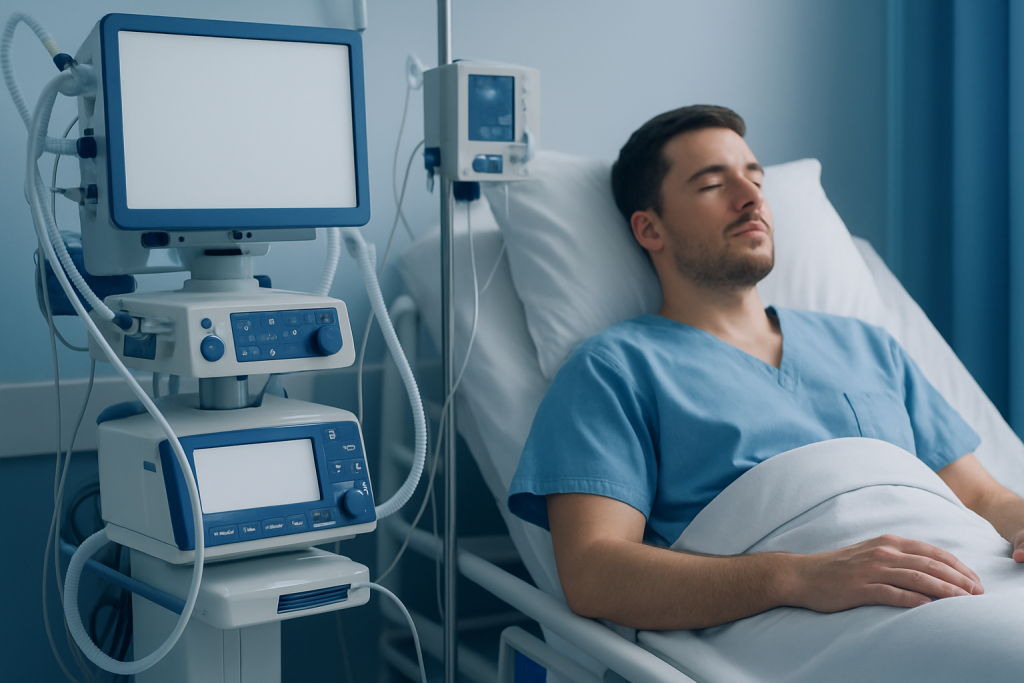
Some procedures cause less downtime than others, but every patient heals at a personal pace. A person who feels well enough to walk comfortably may still need to avoid lifting, twisting, or long car rides that create pressure in the groin. The aim is not to remain in bed all day; it is to move gently while protecting the surgical area.
It helps to view the first recovery stage as a balance between activity and protection. Short walks are often useful, but the body should not be pushed into intensity before it is ready. Clear instructions from the treating team are especially important for men who must return to a hotel, catch a flight, or continue treatment elsewhere soon after the procedure.
Common symptoms and what is expected

Typical symptoms during recovery can include mild pain, tenderness near the incision, swelling in the scrotum or groin, light bruising, and temporary tightness with movement. Some men also notice mild pulling when standing up or walking for the first time after surgery. These sensations usually lessen over several days.
A small amount of drainage from the incision may occur depending on the procedure and dressing used, but this should be explained by the surgical team. If a patient is unsure whether a symptom is normal, it is better to ask than to guess. This is especially true when traveling, because being away from home can make even minor concerns feel more complicated.
- Mild swelling and bruising that gradually improve are often expected.
- Supportive underwear may reduce discomfort during walking and sitting.
- Temporary soreness with movement is common, especially in the first days.
- Worsening pain, fever, or increasing redness should be assessed by a doctor.
Travelers should also remember that sitting for a long time can make the scrotal area feel heavier or more uncomfortable. On a flight, gentle movement, hydration, and periodic standing when allowed can help reduce stiffness and pressure. If the surgeon has given specific instructions for compression, dressings, or medications, those instructions should take priority over general advice.
Causes and risk factors that affect healing
There is also variation in how people respond to anesthesia, pain medicine, and the stress of travel. A man who had to cross time zones or sleep poorly before surgery may feel more drained afterward than expected. This does not necessarily signal a problem, but it does reinforce the value of planning a recovery window instead of arranging immediate onward travel.
For fertility patients, emotional factors can also influence the experience. Waiting for results or recovery milestones while abroad can be stressful, and stress may make normal sensations feel more alarming than they are. Clear communication with the care team before leaving the treatment center can reduce uncertainty later.
How doctors evaluate recovery and follow-up
Travelers can benefit from taking a few practical items with them: a copy of the operative summary, medication list, surgeon’s instructions, and contact details for the treating team. If possible, keep these documents in carry-on luggage rather than checked bags. That small step can be very helpful if a question arises during the journey.
It is also wise to know what symptoms would prompt a call, even from another country. Understanding the threshold for concern helps patients avoid both delay and unnecessary worry. A clear follow-up plan is one of the most useful parts of a smooth surgical experience.
Treatment options and what they mean for recovery time
When a flight is being considered, the procedure type matters, but so does the patient’s current state. A short, comfortable journey may be possible earlier than a long-haul flight with multiple connections, heavy baggage, and crowded transit. The question is not only whether flying is technically possible, but whether it is likely to be tolerable and safe.
Patients should ask their surgeon about the timing of the first walk outside the hotel, return to work, exercise, sex, and air travel. These activities often resume in a staggered way, not all at once. A phased return lowers the chance that swelling or soreness will flare up during a trip.
Prevention, self-care, and practical travel tips
Recovery is usually smoother when the patient treats the trip itself as part of treatment. That means planning transfers, rest stops, and follow-up visits with the same care used to plan the procedure. For men who received care through Acibadem Health Point, multidisciplinary specialists and JCI-accredited hospitals can help diagnose and treat varicocele for international patients with coordinated attention to the recovery journey.
Self-care also includes being honest about limits. If a walk feels too long, if swelling increases after a busy day, or if sitting through a transfer is causing discomfort, it is reasonable to slow down. Recovery is not a race, and a more measured pace often leads to a better travel experience.
When to see a doctor
Follow-up is also important if recovery seems unusually slow. Persistent pain, ongoing swelling that does not improve, or difficulty returning to basic activities may need assessment. In some cases, the issue may be minor; in others, the surgeon may want to check for infection, fluid collection, or another complication.
For fertility patients, it is also worth discussing the timeline for future testing and next steps. Recovery after surgery is one stage in a longer plan, and the treating team can help patients understand what to expect after they return home.
Frequently asked questions
How much swelling is normal after varicocele surgery?
Mild swelling and bruising are common in the first days after surgery and usually improve gradually. If swelling becomes larger, more painful, or is joined by redness, fever, or drainage, the surgeon should be contacted.
When can a patient fly after varicocele surgery?
The best time to fly depends on the procedure, the patient’s healing, and the surgeon’s advice. Many men can travel once pain is controlled, they can move comfortably, and the doctor feels the trip is safe, but long flights may need more caution than short ones.
Is walking allowed right after surgery?
In many cases, gentle walking is encouraged soon after surgery because it supports circulation and recovery. The key is to keep activity light and avoid anything that causes strain, pulling, or increased pain.
Can a patient carry luggage after varicocele repair?
It is usually best to avoid heavy lifting during early recovery. Luggage, even if it seems manageable, can strain the groin and may increase discomfort or swelling.
What should a traveler bring for recovery after surgery?
A patient should keep discharge instructions, medication details, and the surgeon’s contact information close at hand. Supportive underwear, any approved supplies, and a comfortable travel plan are also helpful.
Does surgery recovery affect fertility right away?
Fertility-related improvements are not immediate and may take time after surgery. The care team can explain when follow-up testing is usually considered and what timeline makes sense for each patient.
References
- Mayo Clinic
- Cleveland Clinic
- Urology Care Foundation
- NHS
- American Urological Association
This article is for general information only and is not a substitute for professional medical advice. Please consult a qualified doctor about your individual situation.