Vasectomy Reversal Abroad: When Timing, Prior Surgery, and Partner Factors Change the Odds

Key Takeaways
- The interval since vasectomy is an important factor, but it is not the only one that matters.
- Prior surgery, including hernia repair or other scrotal procedures, can affect the plan and complexity of treatment.
- Partner age and reproductive health strongly influence the likelihood of pregnancy after reversal.
- A fertility workup before traveling can help avoid delays and support a more efficient treatment journey.
- If reversal is not the best option, sperm retrieval with IVF may be a reasonable alternative in some couples.
Vasectomy reversal can restore the chance of natural conception, but success depends on several details, including how long ago the vasectomy was done, any prior scrotal or pelvic surgery, and the fertility factors of both partners. For men considering treatment abroad, a careful pre-travel evaluation helps clarify whether reversal is the right path or whether another fertility option may be better.
Overview
Vasectomy reversal is a microsurgical procedure that reconnects the male reproductive tract after a vasectomy in an effort to allow sperm to return to the ejaculate. For many men, it is a way to pursue another pregnancy without using donor sperm or moving directly to assisted reproduction. The decision is often personal and time-sensitive, especially when treatment is being planned from another country.
When a man considers vasectomy reversal abroad, the conversation usually extends beyond the operation itself. The timing of the vasectomy, any prior pelvic or scrotal surgery, and the fertility profile of the partner all shape the chances of success and the best treatment path. A good plan starts with a clear understanding of these factors, not with the assumption that one procedure fits every couple.
It also helps to separate two questions that are often blended together: whether the surgery can technically reopen the tubes, and whether pregnancy is likely afterward. Those are related but not identical outcomes, and the answer depends on more than the surgery alone.
Symptoms
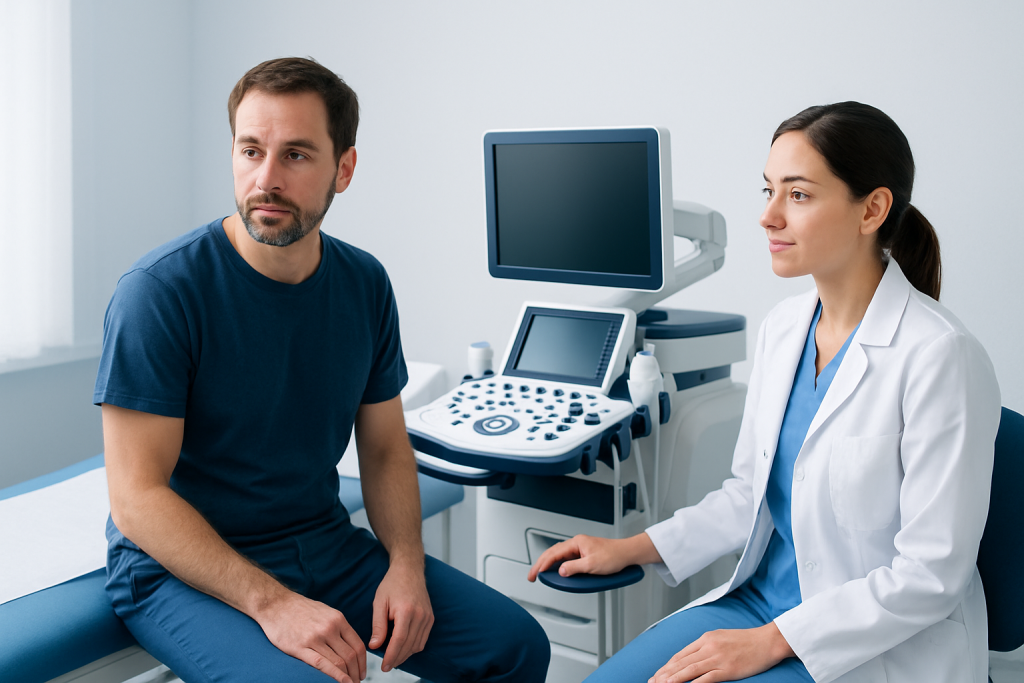
Vasectomy reversal is not performed because of symptoms in the usual sense. Men seeking it typically feel physically well and are motivated by a change in family plans or by a new relationship. The main “sign” that a reversal may be needed is a prior vasectomy with a current desire for fertility.
Some men notice little or no discomfort after the original vasectomy, while others may remember lingering sensitivity or complications. That history can matter, because prior inflammation, scar tissue, or pain syndromes may influence the surgical approach. In some cases, the body’s response to the original procedure also helps explain why a straightforward reconnection may or may not be possible.
During the fertility evaluation, the focus is usually on the couple rather than on symptoms alone. Questions about how long conception has been desired, whether there are known female fertility concerns, and whether either partner has had prior reproductive treatment all help guide realistic expectations.
Causes & Risk Factors

The most direct reason for vasectomy reversal is a previous vasectomy. Over time, sperm production in the testicles continues, but the pathway for sperm to reach semen is blocked. Reversal aims to restore that pathway by reconnecting the vas deferens, and in some situations by connecting it directly to sperm-containing fluid from the testicle if needed.
Several factors can influence the odds of success. The time since vasectomy often matters because a longer interval can increase the chance of changes in the reproductive tract, including secondary blockage closer to the testicle. Prior surgeries such as inguinal hernia repair, scrotal operations, or procedures involving the pelvis may also affect anatomy and surgical planning.
Partner factors are equally important. Female partner age, ovarian reserve, menstrual regularity, tubal status, and general reproductive health can all affect the probability of pregnancy after the reversal. Even when sperm return to the semen, natural conception still depends on egg quality, ovulation, and the ability of sperm and egg to meet.
Other considerations may include the man’s general health, smoking status, body weight, diabetes control, and any history of infections or testicular injury. These do not automatically prevent successful treatment, but they can influence healing, anesthesia planning, and the overall fertility picture.
Diagnosis
The evaluation for vasectomy reversal usually begins with a careful medical history and physical examination. A surgeon will review the date of the vasectomy, details of any prior operations, past pregnancies, and any known fertility testing done for either partner. This information helps estimate whether a simple reconnection is likely or whether a more complex microsurgical approach may be needed.
For men traveling internationally, many centers request records before the visit so that the consultation is more focused. Prior operative notes, if available, can be especially useful, since they may describe whether the vasectomy was done on one or both sides, whether there were complications, and whether other anatomy was affected.
Tests may include hormone evaluation in selected cases, semen analysis if there has been any concern about residual sperm or other fertility issues, and assessment of the partner’s reproductive health. If the couple is weighing reversal against sperm retrieval and IVF, both pathways are often discussed before any decision is made.
- History of vasectomy and any postoperative complications
- Prior groin, scrotal, or pelvic surgery
- Partner’s age and fertility workup
- General health factors that may affect anesthesia or healing
Treatment Options
Vasectomy reversal is usually done as an outpatient microsurgical procedure under anesthesia. The surgeon reconnects the cut ends of the vas deferens when possible; if sperm are found in the fluid closer to the testicle, a different connection called vasoepididymostomy may be required. That choice is often made during surgery and depends on what the surgeon sees under the microscope.
Reversal is not the only way to pursue pregnancy after vasectomy. Some couples choose sperm retrieval combined with in vitro fertilization, especially when the female partner has known fertility issues, when the vasectomy was many years earlier, or when a faster path to conception is preferred. The better option depends on the couple’s age, goals, timeline, and willingness to undergo surgery or assisted reproduction.
In a travel-based treatment plan, it is wise to ask how follow-up will work after returning home. Clear instructions for wound care, activity limits, and semen analysis timing help reduce uncertainty. Some centers also coordinate with local physicians for postoperative checks, which is especially helpful when the patient is recovering in another country.
The decision is often less about choosing the “best” procedure in theory and more about choosing the most suitable route for that specific couple. A balanced discussion should include the expected technical complexity, the chance of sperm returning, the possibility of repeat intervention, and the time needed before conception can realistically occur.
Prevention & Self-care
There is no way to “prevent” the need for vasectomy reversal once a vasectomy has been performed, but there are practical steps that may support a smoother experience and recovery. The most useful preparation often happens before the trip: gathering medical records, clarifying prior surgeries, and making sure the partner’s fertility evaluation has been completed or scheduled.
After surgery, self-care usually centers on rest, scrotal support, and avoiding strenuous activity until the surgeon advises otherwise. Men should follow the postoperative plan closely, since too much activity too early can increase discomfort or interfere with healing. If travel home is planned soon after the procedure, it is important to discuss whether the timing is appropriate.
Healthy habits also matter. Avoiding tobacco, limiting alcohol, eating well, and controlling chronic conditions such as diabetes can support recovery and general reproductive health. Emotional preparation counts too; many couples find it helpful to discuss expectations in advance so they are not disappointed by a slower-than-expected timeline to pregnancy.
- Bring prior surgical records when available
- Complete partner fertility testing early
- Plan for enough recovery time before long travel
- Follow postoperative restrictions and semen testing instructions
When to See a Doctor
Men considering vasectomy reversal should seek a consultation well before making travel arrangements. A qualified urologist or male fertility specialist can determine whether reversal is technically feasible, whether the partner’s fertility profile changes the plan, and whether an alternative approach may offer a better chance of pregnancy.
Medical review is especially important if there has been prior groin, pelvic, or testicular surgery, a history of infection, ongoing scrotal pain, or uncertainty about the original vasectomy details. These factors may not rule out reversal, but they can affect the operation and should be assessed in advance.
After surgery, a doctor should be contacted if there is increasing pain, redness, fever, drainage from the incision, or swelling that seems to worsen rather than improve. Unexpected symptoms do not always mean a serious problem, but they deserve prompt medical attention.
For international patients, Acibadem Health Point offers access to multidisciplinary specialists and JCI-accredited hospitals for evaluation, treatment, and coordinated follow-up. That can be helpful when diagnosis and care need to be planned across borders with as few surprises as possible.
Follow-up and Recovery Timeline
Recovery after vasectomy reversal is usually measured in weeks, while fertility outcomes are measured over months. Men may feel reasonably well fairly soon after surgery, yet sperm return to the semen does not happen immediately. Semen analyses are commonly used to monitor progress, and the timing of those checks is guided by the treating surgeon.
Pregnancy does not always occur even when the reversal is technically successful. The partner’s age, ovulation patterns, and overall fertility health can strongly influence the time it takes to conceive. This is why follow-up should focus on both the surgical result and the couple’s broader reproductive plan.
If sperm do not return as expected, the team may discuss whether additional evaluation is needed or whether assisted reproductive options should be considered. A well-run follow-up plan keeps the couple informed without creating unnecessary urgency.
Living With the Decision
Choosing vasectomy reversal can feel very different from choosing a vasectomy in the first place. Men are often balancing family hopes, travel logistics, and practical questions about cost, recovery, and the chance of success. A thoughtful consultation helps turn those concerns into a plan that feels realistic rather than rushed.
It is also normal for couples to need time to decide between reversal and IVF-based options. There is no single path that suits everyone, and the best choice is often the one that aligns with medical facts, personal values, and the couple’s timeline. What matters most is having enough information to choose confidently.
When that discussion is handled well, the process becomes less about uncertainty and more about coordinated next steps. For many men, that clarity is the most useful first result of the consultation, even before any procedure begins.
Frequently asked questions
How long after a vasectomy can reversal still work?
A reversal can sometimes be successful many years after a vasectomy, but the chance of certain surgical findings may increase with time. The exact outlook depends on anatomy, prior surgery, and the fertility health of both partners. A specialist can give a more individualized estimate after review.
Does partner age really affect vasectomy reversal success?
Yes. Even if sperm return to the semen, pregnancy still depends on the partner’s reproductive health and age-related fertility factors. That is why couples are usually evaluated together rather than treating the man alone.
Is vasectomy reversal better than IVF?
Neither option is universally better. Reversal may allow repeated attempts at natural conception, while IVF with sperm retrieval may be more suitable when female fertility factors are present or when a faster path is preferred. The best choice depends on the couple’s overall situation.
What if I had hernia surgery before?
Prior hernia repair or other groin surgery does not automatically prevent reversal, but it can make the operation more complex. The surgeon should know about all earlier procedures, because scar tissue or altered anatomy may affect planning and expectations.
How soon can pregnancy happen after reversal?
Pregnancy may not happen right away, even when the surgery is successful. Sperm return takes time, and then conception depends on the couple’s fertility factors and timing. Follow-up semen testing helps track progress over the months after surgery.
Will I need to travel again after the procedure?
Some patients need one postoperative check or semen analysis follow-up, while others can coordinate part of their care locally. This should be discussed before surgery so the recovery plan fits the travel schedule. Clear follow-up arrangements are especially important for international patients.
References
- American Urological Association
- European Association of Urology
- Mayo Clinic
- National Institute of Diabetes and Digestive and Kidney Diseases
- Cleveland Clinic
This article is for general information only and is not a substitute for professional medical advice. Please consult a qualified doctor about your individual situation.