

Vaginismus: Symptoms, Causes and Treatment

Key Takeaways
- Vaginismus is an involuntary muscle response, not a sign of weakness or poor hygiene.
- Symptoms can affect intercourse, tampon use, gynecologic exams, or other forms of penetration.
- Diagnosis usually begins with a respectful medical history and a gentle pelvic evaluation when appropriate.
- Treatment often combines education, pelvic floor therapy, relaxation techniques, and gradual exposure-based approaches.
- Supportive care can be especially helpful for patients who are traveling for treatment and need a clear follow-up plan.
Medically reviewed by the Acıbadem clinical team — August 19, 2026
Vaginismus is a condition in which the pelvic floor muscles tighten involuntarily, making vaginal penetration difficult or painful. With the right medical evaluation and a patient-centered treatment plan, many people improve gradually and regain comfort and confidence.
Overview
Vaginismus is a condition in which the muscles around the vagina tighten automatically when penetration is expected or attempted. The response may happen before intercourse, during a pelvic examination, when inserting a tampon, or even when the person simply anticipates discomfort. The experience can be confusing and distressing, especially when the person is trying to be cooperative and relaxed but the body responds on its own.
It helps to think of vaginismus as a protective reflex that has become overactive. The muscles are not being “difficult” on purpose; they are reacting as if they need to guard the area. That reaction can be linked to physical sensitivity, past pain, anxiety, fear of pain, or a mix of factors. In many cases, there is no single cause that fully explains it.
Although vaginismus can affect intimacy and routine gynecologic care, it is treatable. A careful evaluation can help distinguish it from infections, skin conditions, hormonal changes, or other causes of pain with penetration. Once the reason is clearer, care can be tailored to the patient’s needs, comfort level, and goals.
Symptoms
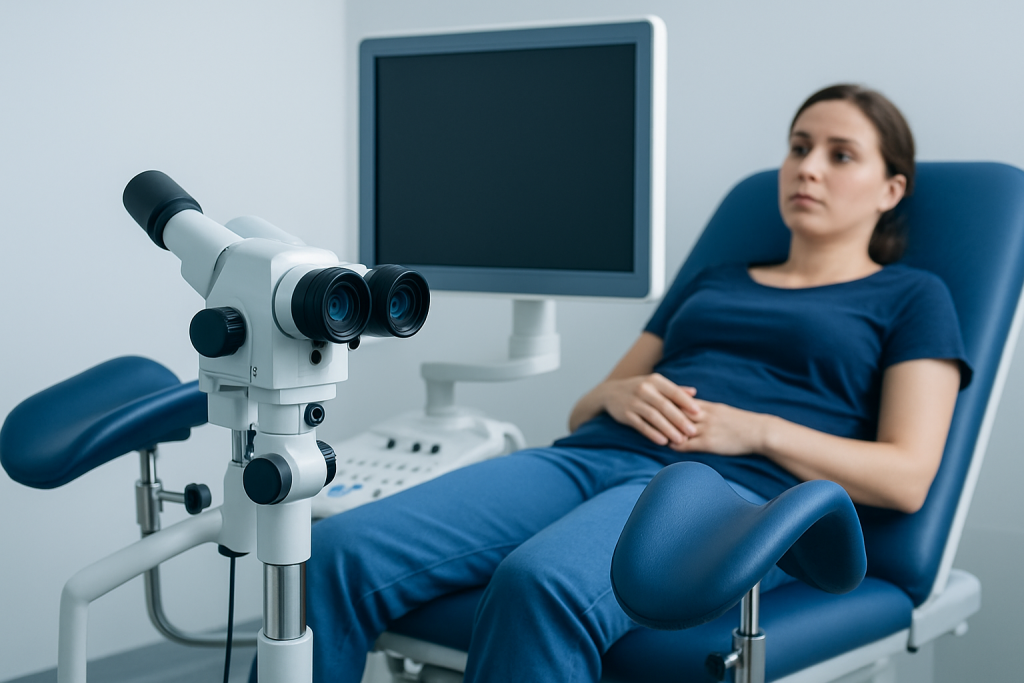
The most recognized sign of vaginismus is difficulty with vaginal penetration because the pelvic floor muscles tighten involuntarily. Some people describe a burning, stinging, squeezing, or blocking sensation. Others notice that penetration stops quickly or feels impossible even when they want it to happen.
Symptoms may appear in different settings, not only during intercourse. A person may also have trouble with:
- tampon insertion or removal
- pelvic exams or Pap tests
- vaginal dilators
- medical procedures that involve the vagina
Emotional strain often develops alongside the physical symptoms. Many patients begin to anticipate pain, avoid exams, or feel tension before any attempt at penetration. Over time, this can affect relationships, self-confidence, and the willingness to seek routine women’s health care.
Causes & Risk Factors

Vaginismus can arise from several overlapping influences, and it is not always possible to identify one single trigger. For some people, the pelvic floor learns to tighten after one or more painful experiences. For others, fear, anticipation of pain, or a history of distressing pelvic procedures may be part of the pattern.
Possible contributors include previous painful intercourse, vaginal dryness, infections, vulvar skin disorders, endometriosis, childbirth-related pain, or poorly healed injuries. Hormonal changes, especially around menopause or after certain cancer treatments, may also make the vaginal tissues more sensitive and contribute to guarding.
Psychological and relational factors can matter too, but they should never be oversimplified. Anxiety, trauma history, body-image concerns, cultural or religious messages about sex, and pressure to “perform” can all intensify the body’s protective response. In some patients, vaginismus develops without an obvious emotional trigger, which is why a full medical assessment is important.
Diagnosis
Diagnosis begins with a conversation that respects privacy, pace, and personal boundaries. A clinician will usually ask about symptoms, when they started, whether pain is present with other activities, and whether there have been any infections, surgeries, childbirth experiences, or emotional stressors that may be relevant. The goal is not to judge or rush, but to understand what the body is doing and why.
A pelvic examination may be recommended, but it is typically done gently and only when the patient is ready. If a full examination is not possible right away, that information is useful rather than “noncompliant.” In some cases, the clinician may first rule out other causes of pain, such as infection, hormonal thinning of tissues, dermatologic conditions, or pelvic floor disorders.
When patients are traveling for care, it can be helpful to bring prior records, medication lists, and a brief symptom timeline. That preparation makes the first visit more efficient and may reduce the need for repeating tests. A clear diagnosis often depends as much on listening carefully as it does on the examination itself.
Treatment Options
Treatment usually works best when it is gradual and collaborative. The first step is often education: understanding that the reaction is involuntary and treatable can reduce fear and self-blame. From there, a clinician may recommend a combination of pelvic floor physical therapy, relaxation work, and step-by-step desensitization.
Pelvic floor therapy focuses on helping the muscles relax and respond more normally. A therapist may use breathing exercises, awareness training, manual techniques, and gentle movement strategies. Some patients also benefit from guided use of vaginal dilators, which are introduced in a slow, controlled way so the body can learn that penetration does not have to signal danger.
Psychological support can be an important part of care, especially when anxiety or past trauma plays a role. Cognitive behavioral therapy, sex therapy, or trauma-informed counseling may help reduce the anticipatory tension that keeps the pelvic floor clenched. When another medical condition is found, such as dryness or infection, treating that issue can make the overall plan more successful.
For Myomectomy Recovery for International Patients: The Usual Travel Timeline" class="ahp-ilk">international patients, treatment planning should include timing. Some parts of care can start before travel, while others may continue after returning home. A good team will explain which exercises or follow-up steps can be done remotely and when in-person reassessment is advisable.
Prevention & Self-care
Not every case of vaginismus can be prevented, but some habits may reduce the chance that pain and guarding become entrenched. The most useful self-care usually centers on calm, patient progress rather than force. Trying to “push through” pain often makes the muscles tighten more, so a slower approach is generally better.
Helpful steps may include:
- using lubrication when appropriate
- practicing slow diaphragmatic breathing
- learning pelvic floor relaxation instead of constant “Kegel” tightening
- setting aside time for gradual desensitization exercises if advised by a clinician
- keeping follow-up appointments so small setbacks are addressed early
It may also help to prepare for gynecologic visits in advance. Patients can ask whether a smaller speculum, extra time, or a pause-and-check-in approach is possible. For people recovering after care abroad, having written instructions and a direct contact plan can make home follow-up much more manageable.
When to See a Doctor
Medical evaluation is worthwhile whenever penetration is consistently painful, impossible, or emotionally overwhelming. It is also appropriate if the symptoms are new, getting worse, or interfering with routine care such as cervical screening. Seeking help early can prevent avoidance from becoming the main pattern.
A doctor should also be consulted if pain comes with unusual bleeding, discharge, fever, sores, urinary symptoms, or pelvic pain outside of penetration. These features may point to another condition that needs treatment. Even when vaginismus is part of the picture, those additional symptoms should not be ignored.
Patients who are traveling for treatment may want to arrange follow-up before leaving the country, especially if therapy will continue over time. Acibadem Health Point’s multidisciplinary specialists and JCI-accredited hospitals diagnose and treat this condition for international patients, which can be helpful when coordinated care and clear next steps matter.
Frequently asked questions
Is vaginismus the same as being nervous about sex?
No. Nervousness can contribute, but vaginismus is a reflexive tightening of the pelvic floor muscles that makes penetration difficult or painful. It is a physical response that may be influenced by emotional factors, past pain, or other medical issues.
Can vaginismus go away on its own?
Sometimes symptoms improve if a triggering factor, such as an infection or temporary irritation, is treated. In many cases, however, vaginismus improves more reliably with guided care such as pelvic floor therapy, education, and gradual desensitization.
Does vaginismus mean there is something wrong with the vagina?
Not necessarily. The vagina and pelvic floor are often anatomically normal, but the muscles respond as if they need to protect the area. A clinician may still check for other conditions that can cause pain, because they can coexist.
Is treatment painful?
Good treatment should not feel forced or overwhelming. Plans are usually adjusted to the person’s comfort level, starting with education and relaxation before any gradual exercises are tried.
Can someone still be examined if penetration is difficult?
Yes. Clinicians can often adapt the exam, use a slower approach, or postpone parts of it until the patient is ready. A respectful, stepwise examination is often more successful than trying to complete everything at once.
Does vaginismus affect fertility?
Vaginismus does not directly change fertility, but it can make intercourse or some fertility procedures difficult. If pregnancy is a goal, a gynecologist or fertility specialist can help plan care in a way that is both comfortable and practical.
References
- American College of Obstetricians and Gynecologists
- Mayo Clinic
- National Health Service
- International Society for the Study of Women’s Sexual Health
- Merck Manual Professional Edition
This article is for general information only and is not a substitute for professional medical advice. Please consult a qualified doctor about your individual situation.
Explore treatments in Turkey — costs, top hospitals & a free quote
JCI-accredited · board-certified surgeons · reply within 24h
Add us as a Preferred Source to see more of our trusted health content across Google Search, AI Overviews and Discover.
More from the Health Library



Related Specialists

Dr. Gamze Karababa
Gynecology & Obstetrics
Dr. Onur Özdenoğlu
Gynecology & Obstetrics
Dr. Selcen Bahadır
Gynecology & Obstetrics
Prof. Dr. A. Taner Usta
Gynecology & Obstetrics