

Ureaplasma: Causes, Symptoms and Treatment

Key Takeaways
- Ureaplasma can be present without causing illness, so a positive test does not always mean infection needs treatment.
- When symptoms occur, they may overlap with other genital or urinary conditions, so proper testing matters.
- Treatment decisions depend on symptoms, pregnancy status, and the full clinical picture rather than the lab result alone.
- Safer sexual practices and timely medical review can reduce the chance of ongoing irritation or reinfection.
- People traveling for care should plan follow-up testing and communication with their doctor before and after treatment.
Medically reviewed by the Acıbadem clinical team — August 19, 2026
Ureaplasma is a group of bacteria that can live in the genital tract without causing problems, but in some people it may be linked to symptoms or complications. Understanding when it matters, how it is tested, and what treatment may be needed can help patients make informed choices about care.
Overview
Ureaplasma is a type of very small bacterium that can live in the urinary and genital tract. In many people it is simply part of the local microbial environment and does not cause any symptoms at all.
That is why a Ureaplasma result can feel confusing. Some patients expect any detected organism to be treated immediately, while in practice the decision depends on whether there are symptoms, whether other causes have been ruled out, and whether the patient is pregnant or has another condition that changes the risk picture.
For Myomectomy Recovery for International Patients: The Usual Travel Timeline" class="ahp-ilk">international patients, this often becomes a “what does this result actually mean for me?” question. A good clinician will interpret the test in context, rather than treating the laboratory finding alone.
Symptoms
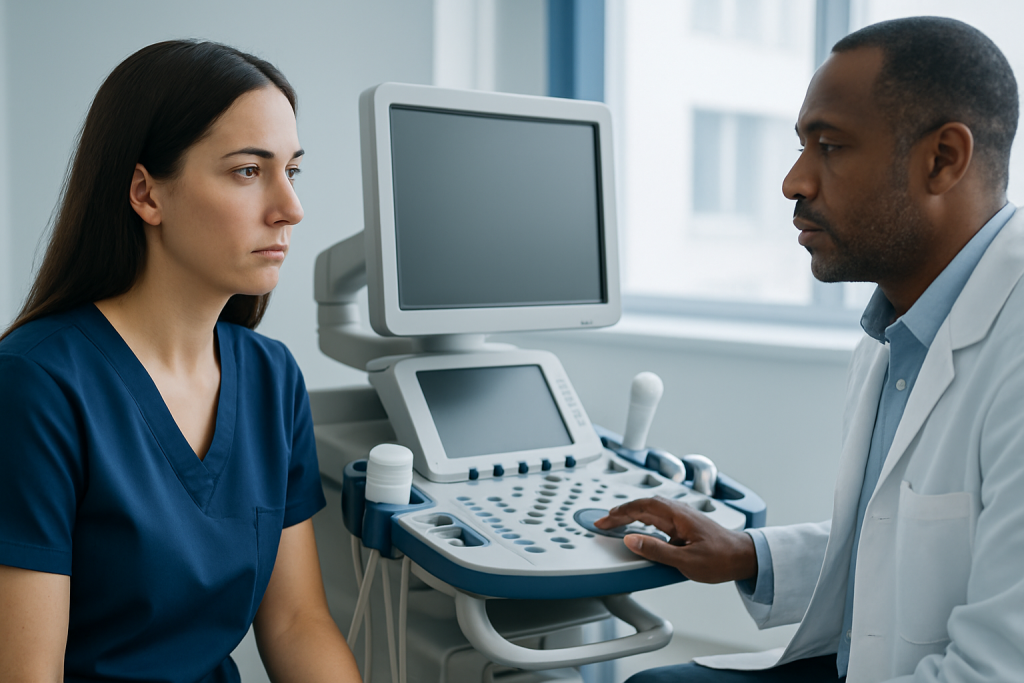
Many people with Ureaplasma have no symptoms. When symptoms are present, they are usually not specific and can resemble other common infections or irritations.
Possible symptoms may include discomfort when urinating, increased urinary frequency, pelvic discomfort, abnormal vaginal discharge, urethral irritation, or pain during sex. In some cases, men may notice urethral irritation or mild discharge, while women may report vaginal symptoms that are hard to distinguish from other causes.
Because these signs are shared by several conditions, symptoms alone cannot confirm that Ureaplasma is responsible. A careful history and testing for other infections are often needed before conclusions are made.
Causes & Risk Factors

Ureaplasma is commonly passed through sexual contact, although it may also be found in people without any clear link to illness. Its presence does not always mean someone has done anything wrong or that a classic sexually transmitted infection is present.
Risk may be higher in people with new or multiple sexual partners, inconsistent condom use, or a history of genital tract symptoms that have not responded to standard treatment. Pregnancy, underlying reproductive health concerns, and certain urologic symptoms can also make clinicians look more closely at this bacterium.
Another important point is that Ureaplasma can appear alongside other organisms. When this happens, the other infection may be the real driver of symptoms, which is why broad evaluation is often more helpful than a single-result approach.
Diagnosis
Diagnosis usually starts with a discussion of symptoms, sexual history when relevant, pregnancy status, and prior test results. A clinician may also examine for signs of urinary, vaginal, or pelvic inflammation and may recommend testing for other infections at the same time.
Ureaplasma is often detected by molecular tests such as PCR or by culture from a swab or urine sample, depending on local practice. A positive result needs interpretation: in some settings it may represent colonization, while in others it may support a diagnosis when symptoms fit and other causes are less likely.
Patients traveling for diagnosis should ask how the sample was taken, whether other infections were checked, and whether follow-up testing will be needed after treatment. Clear documentation makes it easier to continue care once they return home.
Treatment Options
Treatment is not always necessary. If Ureaplasma is found in someone without symptoms, a doctor may decide not to treat it, especially if there is no sign of inflammation or associated disease.
When treatment is appropriate, clinicians typically choose an antibiotic based on local guidance, the patient’s history, pregnancy status, and any concern about antibiotic resistance or intolerance. If another infection is present, that condition may also need treatment. Sexual partners may sometimes need assessment, depending on the overall diagnosis and the doctor’s advice.
Because antibiotic choice can differ from case to case, patients should avoid using leftover medications or self-treating based on an online result alone. Doing so can delay the right diagnosis and may make symptoms harder to interpret later.
Prevention & Self-care
There is no guaranteed way to prevent Ureaplasma exposure, but lower-risk sexual practices can reduce transmission of many genital organisms. Condoms, limiting exposure to new partners, and timely testing when symptoms appear are sensible steps.
Self-care also means avoiding unnecessary vaginal products or harsh washes that can worsen irritation. Drinking enough fluids, following the clinician’s treatment plan if medicine is prescribed, and abstaining from sex until a doctor says it is reasonable may help recovery and reduce reinfection risk.
For patients receiving care abroad, it helps to keep copies of test reports, the names of any medicines taken, and the exact follow-up plan. This makes it easier for a local doctor to continue care without repeating unnecessary tests.
When to See a Doctor
Medical review is wise if urinary or genital symptoms persist, if symptoms keep returning, or if a test result is difficult to interpret. This is especially important when pain, discharge, or irritation does not improve after initial treatment.
Pregnant patients should speak with a clinician promptly about any positive test or concerning symptoms, since pregnancy changes how doctors interpret many genital findings. People with fever, pelvic pain, or strong-smelling discharge should also seek assessment because these features may point to another condition that needs timely care.
Acibadem Health Point’s multidisciplinary specialists and JCI-accredited hospitals diagnose and treat Ureaplasma-related concerns for international patients, with attention to follow-up planning across borders. The goal is straightforward: a clear diagnosis, a sensible treatment plan when needed, and care that remains coordinated after the patient returns home.
Living with the Result: What a Positive Test Means
One of the most helpful things patients can understand is that a positive Ureaplasma test is not automatically a diagnosis of disease. In some people it is a colonizer, in others it may contribute to symptoms, and in some cases it may be an incidental finding during testing for something else.
That distinction matters because it changes what treatment should look like. A patient who feels well may not need antibiotics, while someone with persistent symptoms and no better explanation may need a more active plan. This is why discussion with a qualified clinician is more useful than reacting to the name on a report.
When care is coordinated well, even patients who begin testing in one country and continue treatment in another can move through the process with confidence. The key is to preserve records, ask questions, and keep the focus on symptoms, not just the organism name.
Frequently asked questions
Is Ureaplasma always an infection?
No. Ureaplasma can live in the genital tract without causing symptoms or disease. Whether it needs treatment depends on the clinical context, not the test result alone.
Can Ureaplasma cause symptoms?
Yes, it can be associated with urinary or genital discomfort in some people. However, those symptoms are not specific and can come from other infections or irritation as well.
How is Ureaplasma diagnosed?
It is usually detected with a swab or urine test, often using molecular methods such as PCR. Doctors often also test for other infections to understand whether Ureaplasma is truly relevant.
Does a positive Ureaplasma test always need antibiotics?
No. Some people do not need treatment, especially if they have no symptoms and no signs of inflammation. A doctor should decide whether antibiotics are appropriate.
Can Ureaplasma affect pregnancy?
Pregnancy can change how clinicians interpret genital test results and symptoms, so pregnant patients should discuss any positive result with their doctor. The need for treatment depends on the full medical picture.
Should sexual partners be tested or treated?
Sometimes, but not always. This depends on the symptoms, the test results, and the clinician’s assessment of whether transmission or reinfection is likely.
References
- World Health Organization
- Centers for Disease Control and Prevention
- Mayo Clinic
- European Association of Urology
- American College of Obstetricians and Gynecologists
This article is for general information only and is not a substitute for professional medical advice. Please consult a qualified doctor about your individual situation.
Explore treatments in Turkey — costs, top hospitals & a free quote
JCI-accredited · board-certified surgeons · reply within 24h
Add us as a Preferred Source to see more of our trusted health content across Google Search, AI Overviews and Discover.
More from the Health Library



Related Specialists

Dr. Gamze Karababa
Gynecology & Obstetrics
Dr. Onur Özdenoğlu
Gynecology & Obstetrics
Dr. Selcen Bahadır
Gynecology & Obstetrics
Prof. Dr. A. Taner Usta
Gynecology & Obstetrics