Type 2 Diabetes: When Lifestyle, Tablets, or Insulin Becomes the Better Next Step

Key Takeaways
- Type 2 diabetes does not follow one fixed treatment path; care is matched to the person’s glucose levels and health goals.
- Healthy eating, movement, sleep, and weight changes can meaningfully support blood sugar control, especially early on.
- Tablets are often added when lifestyle measures alone are not enough or when blood sugar rises over time.
- Insulin may be recommended when the body no longer makes enough insulin or when glucose remains high despite other treatments.
- Regular review helps adjust treatment safely and reduce the risk of long-term complications.
Medically reviewed by the Acıbadem clinical team — June 13, 2026
Type 2 diabetes treatment is often adjusted over time as blood sugar patterns, daily habits, and overall health change. For some people, lifestyle measures are enough at first; for others, tablets or insulin become the safer and more effective next step.
Overview
Type 2 diabetes is not usually managed with a single permanent plan. It is a condition that often evolves, and treatment tends to evolve with it. What works well in the early months may need to be adjusted later if blood sugar levels drift upward, daily routines change, or other health conditions appear.
For many people, the first conversation focuses on lifestyle habits such as food choices, physical activity, sleep, and weight management. If those measures are not enough, a doctor may recommend diabetes tablets. Insulin becomes the better next step for some people when the body can no longer produce sufficient insulin on its own, or when stronger glucose control is needed.
This stepwise approach is not a sign of failure. It is a practical way to match treatment to the person’s current needs, with the goal of protecting energy, reducing symptoms, and lowering the chance of complications over time.
Symptoms
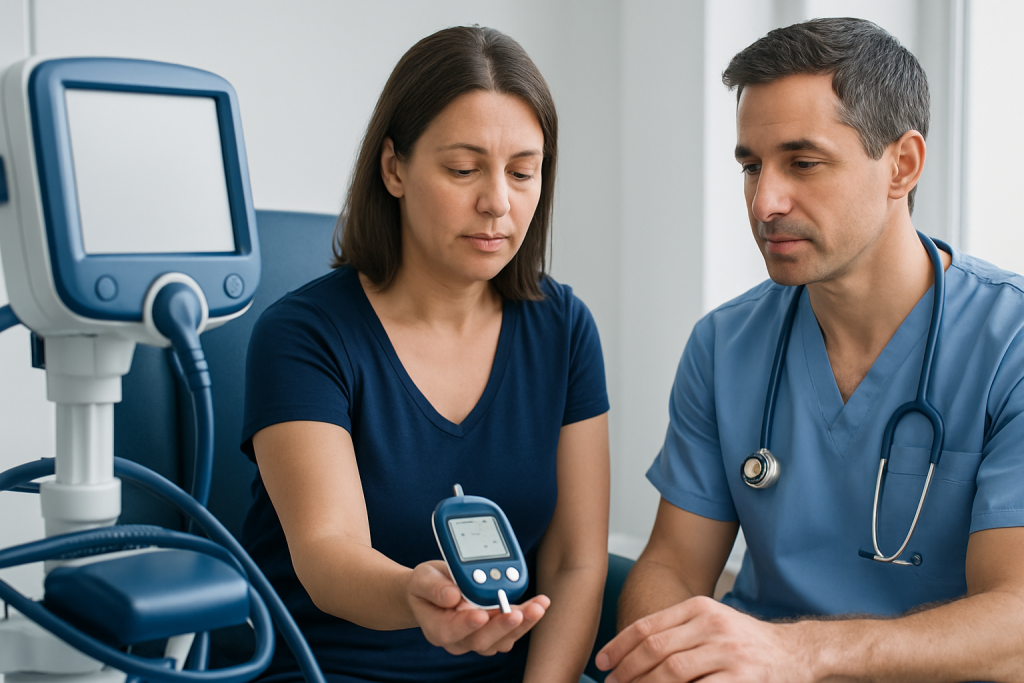
Type 2 diabetes can develop quietly, so some people do not notice clear symptoms at first. Others may feel tired more often, become thirsty frequently, or need to urinate more than usual. Blurred vision, slow-healing cuts, recurrent infections, and unexplained weight changes can also appear.
Symptoms do not always reflect how high blood sugar actually is. Some people with significantly elevated glucose feel only mild changes, while others notice small shifts in how they feel day to day. That is why regular testing matters even when symptoms seem minimal.
When diabetes is not well controlled for a long period, symptoms may become more persistent. A person may also notice numbness or tingling in the feet, increased hunger, or trouble concentrating. These changes deserve medical review rather than self-diagnosis.
Causes & Risk Factors

Type 2 diabetes develops when the body becomes less responsive to insulin, a hormone that helps move glucose from the bloodstream into the cells. Over time, the pancreas may also make less insulin. The result is rising blood sugar levels that may eventually require medication beyond lifestyle measures.
Several factors can increase the chance of developing type 2 diabetes. Family history, excess body weight, inactivity, older age, and a history of gestational diabetes all play a role. Certain ethnic backgrounds, sleep problems, and some medical conditions may also influence risk.
- Having a close relative with type 2 diabetes
- Carrying excess abdominal weight
- Limited physical activity
- Past gestational diabetes or polycystic ovary syndrome
- High blood pressure or abnormal cholesterol levels
Risk factors do not determine the future with certainty. Many people lower their risk of complications, and sometimes delay medication changes, by improving daily habits and keeping regular follow-up appointments.
Diagnosis
Diagnosis usually begins with blood tests that measure how the body is handling glucose. A doctor may use fasting blood sugar, an oral glucose tolerance test, or HbA1c, which reflects average blood sugar over the previous few months. In some cases, the diagnosis is made after repeat testing to confirm the result.
Once type 2 diabetes is identified, the next step is not only to confirm the diagnosis but also to understand its pattern. Doctors look at the current glucose level, the person’s symptoms, other medical conditions, kidney function, cardiovascular risk, and whether any signs suggest the need for earlier tablet or insulin treatment.
For international patients, this evaluation can be especially important before travel or after arriving for care, because treatment plans may need to be coordinated with existing medicines, home glucose logs, and prior test results. A clear baseline makes later adjustments safer and more precise.
Treatment Options
Treatment is usually personalized, and the most appropriate next step depends on how far blood sugar has risen and what the body still seems able to do on its own. For some people, lifestyle measures are the first and most useful foundation. For others, tablet therapy is introduced earlier to help the pancreas and tissues manage glucose more effectively.
Common diabetes tablets work in different ways. Some reduce the liver’s glucose output, some improve the body’s sensitivity to insulin, and others help the pancreas release more insulin. A doctor may prescribe one tablet or a combination, depending on the blood sugar pattern and the person’s overall health profile.
Insulin is not only for advanced disease. It may be the better option when blood sugar remains high despite tablets, when symptoms are significant, during illness or surgery, or when the body’s own insulin production is insufficient. In some cases, insulin is temporary; in others, it becomes part of long-term management.
The choice between lifestyle changes, tablets, and insulin is less about a strict ladder and more about timing. The right treatment is the one that brings glucose closer to target safely, fits daily life, and can be maintained with confidence. Doctors may also adjust treatment if a person is planning travel, recovering from another illness, or managing changing meals and routines abroad.
Prevention & Self-care
Even after diagnosis, daily habits remain central to good diabetes control. Balanced meals, portion awareness, regular movement, and steady sleep patterns can all support better glucose stability. These measures also help blood pressure, cholesterol, and weight, which matter just as much as the glucose reading itself.
Self-care becomes more effective when it is practical rather than perfect. A person does not need an extreme diet or intense exercise plan to make progress. Smaller, repeatable changes, such as walking after meals, choosing fiber-rich foods, or limiting sugary drinks, can make a meaningful difference over time.
- Keep follow-up appointments and bring glucose records if available
- Take prescribed tablets or insulin exactly as directed by the doctor
- Monitor blood sugar if recommended and learn what the numbers mean
- Carry a quick source of sugar if using insulin or medicines that can cause low blood sugar
- Plan ahead for travel, time-zone changes, and medication supply
Good self-care also includes foot checks, hydration, dental care, and attention to emotional well-being. Diabetes management is often easier when it is seen as a routine part of health, not as a separate burden.
When to See a Doctor
A doctor should review type 2 diabetes promptly if blood sugar readings remain above the target set by the care team, if symptoms are worsening, or if treatment side effects are becoming difficult to manage. New numbness in the feet, vision changes, unexplained weight loss, or frequent infections also deserve evaluation.
It is especially important to seek medical advice before making major changes to tablets or insulin. Stopping treatment suddenly or adjusting doses without guidance can lead to unstable glucose levels. This is true even when a person feels well.
International patients may benefit from a structured review before traveling for treatment or follow-up, particularly if they have multiple medications, a history of low blood sugar, kidney concerns, or complex diabetes control. Acibadem Health Point’s multidisciplinary specialists and JCI-accredited hospitals diagnose and treat type 2 diabetes for international patients in a coordinated setting.
Emergency care is needed if confusion, severe weakness, dehydration, chest pain, trouble breathing, or repeated vomiting occurs. These symptoms are not typical day-to-day diabetes concerns and should be assessed urgently.
Living Well with a Flexible Plan
One of the most helpful ideas in diabetes care is that treatment can change without meaning that the condition is “worsening” in a dramatic sense. A person may move from lifestyle measures alone to tablets, and later to insulin, simply because the body’s needs have changed. The aim is to keep blood sugar controlled while preserving quality of life.
That flexibility can be reassuring, especially for people managing care across borders. Bringing prior lab results, medication lists, and glucose logs to the consultation helps the doctor build on what has already been tried rather than starting from scratch. It also supports smoother decisions about whether lifestyle changes, tablets, or insulin now make the most sense.
With thoughtful follow-up, type 2 diabetes is often manageable for the long term. The treatment plan may change, but the goal stays the same: stable blood sugar, fewer complications, and a daily routine that feels realistic.
Frequently asked questions
When are lifestyle changes enough for type 2 diabetes?
Lifestyle changes may be enough when blood sugar is only mildly elevated and the person can make and sustain healthy adjustments. Doctors still monitor closely, because type 2 diabetes can progress over time. If levels rise, tablets or other treatments may be added.
Do diabetes tablets mean the condition is getting worse?
Not necessarily. Tablets are often used because the body needs extra help controlling glucose, not because the person has failed at self-care. Many people use tablets for years as part of a stable plan.
Why would insulin be needed if tablets are already being used?
Insulin may be recommended when the pancreas no longer makes enough insulin or when tablets are not controlling blood sugar sufficiently. It can also be useful during illness, surgery, or periods of marked glucose elevation. The decision depends on safety and effectiveness, not on severity alone.
Can type 2 diabetes ever be managed without medicine?
Some people can control blood sugar with lifestyle measures for a period of time, especially early after diagnosis. However, many people eventually need medication as the condition changes. Regular testing helps determine the right timing.
What should a person do before traveling internationally with diabetes?
It is wise to review medications, supplies, and recent test results with the doctor before travel. Time-zone changes, meal timing, and access to care can all affect blood sugar control. A travel plan should include what to do if glucose becomes too high or too low.
How can someone know if they need a treatment review?
A review is sensible if blood sugar readings are consistently off target, symptoms are changing, or medicines are causing side effects. It is also important after major weight change, illness, pregnancy, surgery, or a move to a new country. A doctor can adjust the plan safely.
References
- American Diabetes Association
- Centers for Disease Control and Prevention
- World Health Organization
- National Institute of Diabetes and Digestive and Kidney Diseases
- International Diabetes Federation
This article is for general information only and is not a substitute for professional medical advice. Please consult a qualified doctor about your individual situation.
More from the Health Library

Diabetes and Surgery: When Stabilization Is Needed

Bariatric Surgery and Diabetes: Which Patients See the Biggest Metabolic Benefit?