Hyperthyroidism Treatment Choices: Medication, Radioiodine, or Surgery?

Key Takeaways
- Treatment is chosen based on the cause of hyperthyroidism, symptoms, age, and personal goals.
- Anti-thyroid medication can reduce hormone production and is often used first, especially in Graves’ disease.
- Radioiodine and surgery are more definitive options, but each has specific benefits and trade-offs.
- Follow-up blood tests are important because thyroid levels can change during and after treatment.
- Pregnancy, eye disease, a large goiter, and certain heart concerns can influence which treatment is safest.
Medically reviewed by the Acıbadem clinical team — June 13, 2026
Hyperthyroidism happens when the thyroid makes too much hormone, which can speed up many body functions and affect daily life in different ways. Treatment is usually tailored to the cause, the person’s age, overall health, and whether a long-term or faster solution is preferred.
Overview
Hyperthyroidism is a condition in which the thyroid gland releases too much thyroid hormone. Because this hormone helps regulate the body’s pace, excess levels can make heart rate, energy use, digestion, temperature sensitivity, and mood feel out of sync. For many people, the first challenge is not only confirming the diagnosis but also deciding which treatment path fits their life best.
There is no single treatment that is ideal for everyone. Some people do well with medication that slows hormone production, while others prefer a more definitive option such as radioiodine therapy or surgery. The best choice often depends on the cause of the overactive thyroid, whether symptoms are mild or severe, and whether the person wants to avoid long-term medicine, plans pregnancy, or has a goiter or eye symptoms.
In international care settings, treatment planning often includes more than one appointment or test. A doctor may review laboratory results, thyroid scans, ultrasound findings, and the person’s broader health history before recommending a plan that balances convenience, safety, and long-term control.
Symptoms
Hyperthyroidism can look different from person to person, but the body often gives a few familiar signals. Common symptoms include a fast or pounding heartbeat, shakiness, feeling unusually warm, sweating more than usual, trouble sleeping, weight loss despite normal or increased appetite, and frequent bowel movements.
Some people notice emotional or mental changes first, such as anxiety, irritability, restlessness, or difficulty concentrating. Menstrual changes may also occur, and in some cases the thyroid becomes visibly enlarged, creating swelling in the front of the neck.
When hyperthyroidism is caused by Graves’ disease, eye symptoms can appear as well. These may include dryness, eye discomfort, tearing, light sensitivity, or a feeling that the eyes are bulging. Not every person with hyperthyroidism has every symptom, and some have only subtle changes that gradually become more noticeable over time.
Causes & Risk Factors

The most common cause of hyperthyroidism in many adults is Graves’ disease, an autoimmune condition in which the immune system stimulates the thyroid to make too much hormone. Another frequent cause is one or more thyroid nodules that become overactive on their own. Less commonly, thyroid inflammation, certain medications, or excessive thyroid hormone intake can lead to temporary or persistent hyperthyroidism.
Risk can be influenced by family history, female sex, smoking, and having another autoimmune condition. People who already have thyroid disease may be more likely to develop a change in thyroid function over time, especially if they are closely monitored for other endocrine concerns.
Treatment choice is also shaped by practical and medical factors. A large goiter, compressive symptoms, active eye disease, pregnancy, plans for pregnancy, or a need for rapid control can all affect whether medication, radioiodine, or surgery is the most suitable route.
Diagnosis
Diagnosis usually begins with a discussion of symptoms and a physical examination of the neck, pulse, and overall appearance. Blood tests are central to confirming hyperthyroidism. Doctors typically measure thyroid-stimulating hormone (TSH) and thyroid hormones such as free T4 and sometimes T3 to see whether the thyroid is overactive and how strongly.
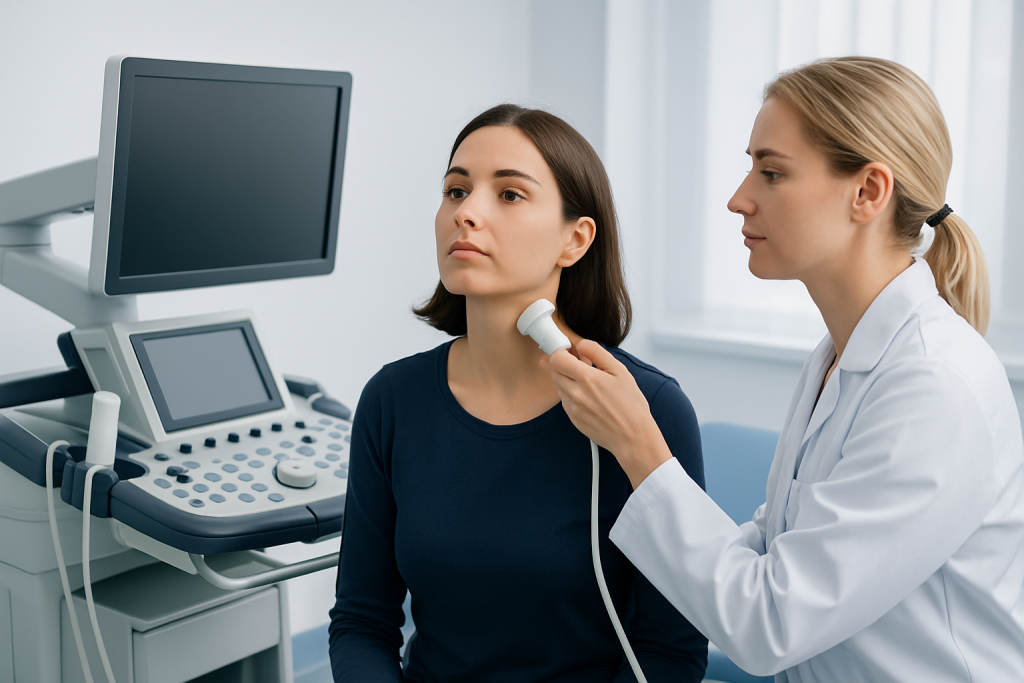
Once excess thyroid activity is confirmed, further testing helps identify the cause. Antibody tests may support a diagnosis of Graves’ disease, while a thyroid uptake scan can show whether the gland is producing too much hormone uniformly or whether a specific nodule is driving the problem. Ultrasound may be used to evaluate thyroid size, nodules, or structural changes.
The diagnostic process matters because treatment is not one-size-fits-all. A person with Graves’ disease may start with medication, whereas someone with a toxic nodule or a large goiter might be steered toward radioiodine or surgery. For patients traveling from abroad, it is especially helpful when these studies are coordinated efficiently so treatment decisions can be made without unnecessary delays.
Treatment Options
Medication, radioiodine, and surgery are the main treatment choices for many forms of hyperthyroidism. Each has a different role, and the right choice depends on whether the goal is temporary control, long-term disease management, or a more definitive solution. Doctors usually discuss both the medical benefits and the practical realities of follow-up, especially when care is being planned across countries or over a limited travel window.
Medication often means anti-thyroid drugs that reduce hormone production. These medicines can help bring levels back toward normal and may be used as the first step in Graves’ disease, as preparation before surgery, or as part of symptom control while another plan is being considered. They do not remove the cause, so thyroid levels can rise again if the medication is stopped in some cases. Side effects are possible, so ongoing monitoring is important.
Radioiodine therapy uses a small amount of radioactive iodine, which is taken up by thyroid cells and gradually reduces their activity. It is commonly used for Graves’ disease and some nodular causes of hyperthyroidism. Many people like that it does not involve an operation, but it may eventually lead to hypothyroidism, which then requires thyroid hormone replacement. It is not suitable for everyone, including many pregnant people, and doctors give clear safety instructions about contact precautions when needed.
Surgery, usually thyroidectomy, removes all or part of the thyroid. It may be recommended for a very large goiter, suspicious nodules, pressure symptoms, intolerance to medication, or a need for a rapid and definitive solution. Surgery can provide quick control, but it requires anesthesia and carries the usual procedural risks, along with the possibility of needing lifelong thyroid hormone replacement afterward.
Choosing among these options is often less about finding a single “best” treatment and more about matching the plan to the person’s circumstances. For example, someone wanting to avoid radiation might prefer surgery, while another person seeking to avoid an operation may lean toward radioiodine. A doctor will usually explain what follow-up will look like after each option, because thyroid levels can shift after treatment and dose adjustments or replacement therapy may be needed later.
Prevention & Self-care
Hyperthyroidism itself cannot always be prevented, especially when it is caused by autoimmune disease. Even so, people can lower the chance of complications by seeking evaluation early when symptoms begin and by keeping follow-up appointments once treatment starts. Early attention helps reduce strain on the heart, muscles, and nervous system.
Day-to-day self-care is mostly about consistency and awareness. Taking medicines exactly as prescribed, not stopping treatment on one’s own, and reporting new symptoms promptly can make a major difference in how smoothly recovery goes. If radioiodine or surgery is part of the plan, understanding the instructions in advance helps reduce anxiety and makes it easier to prepare for aftercare at home or while traveling.
- Keep all thyroid blood test appointments, even if symptoms improve.
- Tell the doctor about pregnancy plans, eye symptoms, chest discomfort, or palpitations.
- Avoid starting iodine-containing supplements or medications without medical advice.
- Use smoking cessation support if applicable, especially when eye disease is present.
- Plan for follow-up care before returning home if treatment is being done abroad.
When care is coordinated across borders, it helps to ask for written records, test results, and a clear follow-up schedule. That way, the next clinician can continue care smoothly, whether the next visit happens at home or with the same specialist team.
When to See a Doctor
A medical evaluation is important if symptoms suggest an overactive thyroid, especially if the heart is racing, weight loss is unintentional, or sleep and concentration are being affected. Hyperthyroidism can place extra stress on the body over time, so it is better to confirm the cause sooner rather than later.
Urgent care is appropriate for severe palpitations, chest pain, shortness of breath, fainting, or confusion. These symptoms do not automatically mean a serious complication, but they should be assessed promptly. People with known hyperthyroidism should also contact a doctor if symptoms suddenly worsen, if medication side effects appear, or if eye symptoms become more noticeable.
Anyone planning treatment from another country should confirm how to reach the care team after returning home. Acibadem Health Point supports international patients with multidisciplinary specialists and JCI-accredited hospitals that diagnose and treat hyperthyroidism in a coordinated way, helping patients leave with a clear plan for follow-up and continuity of care.
Living With the Treatment Decision
Many patients feel relief once they realize there are several reasonable ways to treat hyperthyroidism. The decision is rarely about choosing the most dramatic option; it is about choosing the one that fits the cause of the disease, the timing of life events, and the person’s comfort with medication, radiation, or surgery.
It can help to ask a few practical questions before deciding: How quickly does the thyroid need to be controlled? Is pregnancy a concern? Is there eye disease or a large goiter? How much follow-up will be needed after returning home? These questions often clarify the best direction more than a list of technical terms alone.
With the right monitoring, most people can expect a manageable path forward. Some will stay on medication for a period of time, while others will transition to radioiodine or surgery and then continue care with thyroid hormone replacement if needed. The main goal is not just lowering lab numbers, but restoring steady, sustainable day-to-day health.
Frequently asked questions
Which treatment is best for hyperthyroidism?
There is no single best treatment for everyone. The choice depends on the cause of the hyperthyroidism, symptom severity, eye involvement, pregnancy plans, thyroid size, and personal preference. A doctor helps weigh these factors to choose medication, radioiodine, or surgery.
Can hyperthyroidism be cured with medication?
Medication can control hyperthyroidism and, in some people with Graves’ disease, lead to remission. However, it does not remove every cause of the condition, so thyroid levels may rise again after treatment stops. Ongoing monitoring is important.
Will I need thyroid hormone after radioiodine or surgery?
Possibly. Both radioiodine and thyroid surgery can reduce thyroid function enough that thyroid hormone replacement becomes necessary later. If that happens, the medicine is used to replace what the thyroid no longer makes adequately.
Is radioiodine safe for everyone?
No. Radioiodine is not appropriate for all patients, especially during pregnancy. Doctors also consider eye disease, age, and other health conditions before recommending it.
How long does it take to feel better after treatment starts?
That depends on the treatment chosen and how high the thyroid levels were to begin with. Medication may improve symptoms gradually, while radioiodine and surgery can have different timelines for recovery and hormone stabilization. Follow-up tests guide the process.
What should someone do if they are traveling for treatment?
They should ask for a clear treatment plan, written test results, medication instructions, and a follow-up schedule before leaving. It is also helpful to know who to contact if symptoms change after returning home. Good handover planning makes continued care much smoother.
References
- American Thyroid Association
- National Institute of Diabetes and Digestive and Kidney Diseases
- Mayo Clinic
- Endocrine Society
- World Health Organization
This article is for general information only and is not a substitute for professional medical advice. Please consult a qualified doctor about your individual situation.
More from the Health Library

What Endocrinologists Review Before Greenlighting Weight-Loss Medication or Surgery

Diabetes and Surgery: When Stabilization Is Needed