Diabetes and Surgery: When Stabilization Is Needed

Key Takeaways
- Surgery planning for diabetes is based on overall stability, not just the presence of a diagnosis.
- HbA1c, day-of-surgery glucose, medications, and the type of operation all help guide the decision.
- Poorly controlled diabetes can raise the chance of infection, delayed healing, and glucose swings during recovery.
- Some procedures can proceed with careful adjustments, while others are safer after a period of stabilization.
- A clear plan for fasting, medications, monitoring, and follow-up helps reduce risk before and after surgery.
Medically reviewed by the Acıbadem clinical team — June 13, 2026
Before an operation, doctors do more than check a diagnosis of diabetes; they look at how stable blood sugar has been, whether organs are being affected, and how the person is likely to recover. If control is not yet where it should be, the safer choice may be to pause and optimize diabetes first.
Overview
When someone with diabetes is preparing for surgery, the question is not simply whether they “have diabetes.” Doctors want to know how predictable the blood sugar pattern has been, whether complications are already present, and how demanding the planned operation will be on the body. A short procedure with a quick recovery may be approached differently from major surgery that requires fasting, anesthesia, and several days of healing.
The goal is not to cancel care unnecessarily. It is to choose the safest timing and to reduce preventable complications. In many cases, surgery can move forward with a tailored plan. In others, the better path is to improve glucose control first, because a few extra weeks of stabilization can make recovery smoother and lower the chance of setbacks.
This decision is usually shared by the surgeon, anesthesiologist, and diabetes care team. For patients traveling from another country, that conversation often starts early, because medication planning, lab work, and follow-up arrangements may need to be coordinated before arrival and again after discharge.
Signs That Diabetes May Be Stable Enough
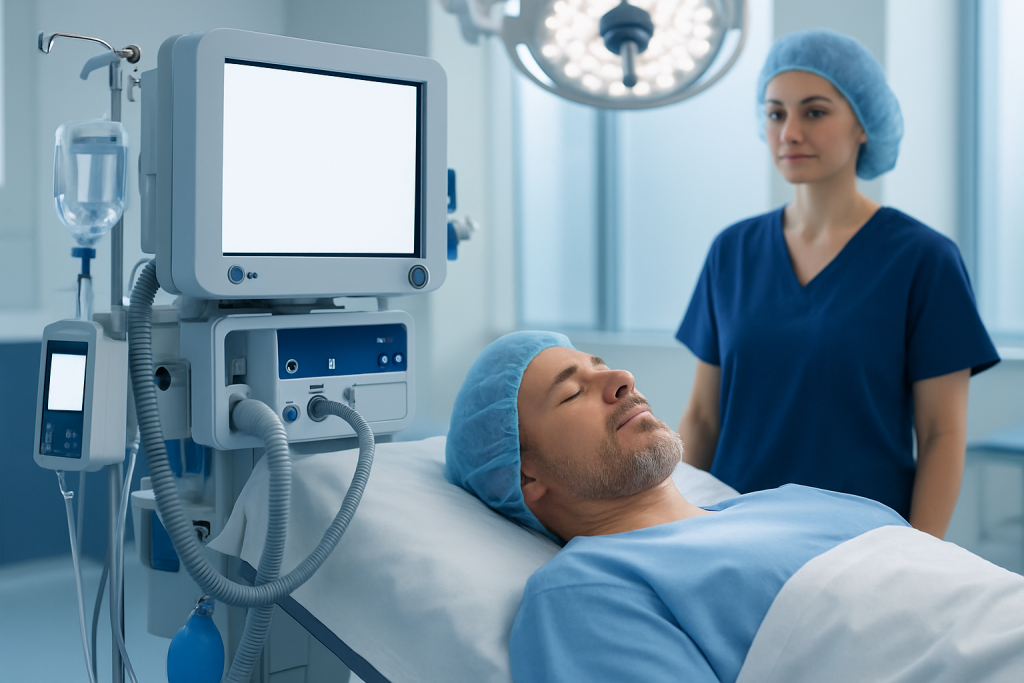
Doctors look for consistency rather than perfection. A person may be considered closer to surgery-ready when blood sugar readings have been relatively steady, severe highs and lows are uncommon, and there is a reliable routine for meals, medications, and monitoring. The team also checks whether the person can safely manage the fasting period before anesthesia and the recovery period afterward.
One of the most useful markers is hemoglobin A1c, which reflects average glucose over the previous few months. It does not tell the whole story, but it helps show whether diabetes has been under reasonable control. Doctors also review recent daily readings, because a person with an acceptable A1c may still have problematic spikes or frequent hypoglycemia that need attention before surgery.
Beyond numbers, they consider the broader picture: kidney health, heart disease, nerve problems, wound history, and whether there have been recent infections. A person whose diabetes has been stable for months and who has no major acute issues is usually in a better position to proceed than someone with recent poor control or an active complication.
Causes & Risk Factors: Why Some Cases Need More Stabilization
Several factors can make doctors delay surgery until diabetes is better controlled. Persistently high glucose can impair immune function and slow wound healing, which matters for any operation that involves an incision or implanted material. Large fluctuations, not only high readings, also make anesthesia and recovery more difficult to manage.
Risk is influenced by both diabetes-related and surgery-related factors. A person may need more stabilization if they have a long history of diabetes, insulin dependence, kidney disease, heart disease, obesity, smoking, or signs of vascular disease. Some medications, including those that can cause low blood sugar, may require careful adjustment around the time of surgery.
- Recent blood sugar readings are frequently above the target range
- There are repeated episodes of hypoglycemia
- HbA1c suggests chronic poor control
- There is an active infection or open wound
- Kidney, heart, or circulation problems are present
- The planned surgery is major, prolonged, or involves implants
Emergency surgery is different. If an urgent operation is needed, the team will often proceed while actively managing glucose and other risks. In that setting, the question becomes how to make surgery as safe as possible right now, not whether it can be postponed.
Diagnosis: What the Preoperative Evaluation Includes
The preoperative evaluation usually begins with a careful history. Doctors ask about recent glucose trends, how often monitoring is done, current medications, insulin timing, past episodes of severe hypo- or hyperglycemia, and any hospitalizations related to diabetes. They also review what type of surgery is planned, because the stress level and fasting requirements vary greatly.
Common tests may include HbA1c, a basic metabolic panel, kidney function tests, and sometimes an electrocardiogram or other studies depending on age, symptoms, and medical history. If the person has symptoms suggesting a complication such as infection, heart strain, or poor circulation, additional evaluation may be recommended. The aim is to identify issues that could affect anesthesia, wound healing, or the ability to recover safely.
For international patients, this stage is especially important because much of the planning may happen before travel. A clinic may request recent lab results, medication lists, and past operation records so the surgical team can decide whether the procedure should be scheduled now or after a period of medical optimization. Clear communication helps avoid last-minute delays and reduces uncertainty on arrival.
Treatment Options: How Doctors Optimize Diabetes Before Surgery
If more stabilization is needed, the approach is individualized. Some people need adjustments to meal planning, activity, and home glucose monitoring. Others need changes in oral medicines or insulin regimens so blood sugar is more predictable before fasting and on the day of surgery. The best plan depends on the person’s current treatment, the level of control, and the timing of the operation.
Doctors may recommend postponing an elective procedure briefly while working to improve glucose patterns. That period may involve closer contact with the diabetes team, education about monitoring, and sometimes changes in medications that are safer around anesthesia. In some cases, short-term insulin use is introduced even in people who do not normally take insulin, because it can provide more precise control during the preoperative period.
On the day of surgery, the team typically gives specific instructions about which diabetes medicines to take or hold, what to do about fasting, and how glucose will be checked. These instructions should always come from the treating team rather than from a general rule, because the right approach depends on the procedure, the person’s overall health, and the medications involved.
After surgery, the focus shifts to wound healing, nutrition, pain control, and preventing glucose swings. Monitoring may need to be more frequent than usual, especially if appetite is reduced or recovery is taking place in a hospital or hotel abroad before the return trip home.
Prevention & Self-care: Preparing Well Before the Operating Room
Good preparation often begins weeks before the procedure. Keeping a written record of glucose readings, meal patterns, and medication timing can make the preoperative visit much more productive. Patients are also encouraged to ask in advance which medicines should be continued, which should be paused, and how to handle medications if nausea or poor appetite occurs after surgery.
Practical self-care matters too. Consistent hydration, careful foot care, and attention to any signs of infection can reduce the chance of delays. If the person smokes, stopping before surgery is strongly encouraged, because smoking adds to wound-healing and circulation problems. When weight, blood pressure, and cholesterol are also relevant, the care team may address these together rather than treating diabetes in isolation.
For patients traveling internationally, preparation should include a medication list in the original language and in English if possible, copies of recent test results, a plan for supplies such as glucose strips or sensors, and a clear follow-up route after returning home. A calm, organized handover between the home physician and surgical team can make recovery much easier.
When to See a Doctor
Medical review is important before any planned surgery if blood sugar has been difficult to control, if there has been a recent diabetes-related hospitalization, or if the person is unsure how to manage fasting and medications. It is also wise to seek evaluation early when surgery is upcoming and there is no recent HbA1c or glucose record available, because those details can affect scheduling.
After surgery, prompt advice is needed if blood sugar remains persistently high or low, if the wound looks red or draining, if fever develops, or if there is unusual shortness of breath, chest discomfort, vomiting, or inability to keep fluids down. These symptoms do not always mean a serious problem, but they do deserve timely assessment.
For elective care, the safest path is usually to ask the question early: is this diabetes controlled enough for surgery, or would a short period of optimization improve the result? That discussion allows the team to balance urgency, healing potential, and the person’s overall readiness.
At Acibadem Health Point, multidisciplinary specialists and JCI-accredited hospitals work together to evaluate diabetes control and plan surgery for international patients in a coordinated way. The aim is to make the decision clear, medically sound, and tailored to each person’s needs.
FAQ
Can a person with diabetes have surgery if the A1c is high?
Sometimes yes, but it depends on the type of surgery, the urgency, and the overall risk profile. A high A1c often prompts doctors to look more closely and may lead to a delay for elective procedures if better control is likely to improve safety.
Do doctors cancel surgery just because someone uses insulin?
No. Using insulin does not automatically mean surgery should be postponed. It simply means the anesthesia and diabetes teams need a careful plan for fasting, monitoring, and dose adjustment.
Why does blood sugar rise around surgery?
Surgery is a physical stress, and stress hormones can raise glucose. Pain, infection, and changes in eating can also affect levels, which is why monitoring becomes more important before and after the procedure.
What if the person feels fine but the readings are still high?
Feeling well does not always reflect how the body is handling glucose. Doctors rely on readings and lab tests because chronic high sugar can affect healing and infection risk even when symptoms are mild or absent.
How far in advance should pre-surgery diabetes planning start?
As early as possible, ideally weeks before elective surgery. That gives the team time to review medicines, improve control if needed, and make travel or follow-up arrangements without rushing.
Is there a special plan for travelers coming from another country?
Yes, often there is. International patients may need records reviewed before travel, a clear medication plan during the stay, and instructions for follow-up after returning home so the transition is smooth and safe.
Frequently asked questions
Can a person with diabetes have surgery if the A1c is high?
Sometimes yes, but it depends on the type of surgery, the urgency, and the overall risk profile. A high A1c often prompts doctors to look more closely and may lead to a delay for elective procedures if better control is likely to improve safety.
Do doctors cancel surgery just because someone uses insulin?
No. Using insulin does not automatically mean surgery should be postponed. It simply means the anesthesia and diabetes teams need a careful plan for fasting, monitoring, and dose adjustment.
Why does blood sugar rise around surgery?
Surgery is a physical stress, and stress hormones can raise glucose. Pain, infection, and changes in eating can also affect levels, which is why monitoring becomes more important before and after the procedure.
What if the person feels fine but the readings are still high?
Feeling well does not always reflect how the body is handling glucose. Doctors rely on readings and lab tests because chronic high sugar can affect healing and infection risk even when symptoms are mild or absent.
How far in advance should pre-surgery diabetes planning start?
As early as possible, ideally weeks before elective surgery. That gives the team time to review medicines, improve control if needed, and make travel or follow-up arrangements without rushing.
Is there a special plan for travelers coming from another country?
Yes, often there is. International patients may need records reviewed before travel, a clear medication plan during the stay, and instructions for follow-up after returning home so the transition is smooth and safe.
References
- American Diabetes Association
- American Society of Anesthesiologists
- Society for Ambulatory Anesthesia
- NICE: National Institute for Health and Care Excellence
- World Health Organization
This article is for general information only and is not a substitute for professional medical advice. Please consult a qualified doctor about your individual situation.