Thyroid Tests That Matter: When TSH Is Enough and When More Labs Are Needed

Key Takeaways
- TSH is usually the first and most useful screening test for many thyroid concerns.
- Free T4, and sometimes free T3 or thyroid antibodies, help explain abnormal or unclear results.
- TSH can look normal even when additional evaluation is needed, especially in pregnancy, pituitary disease, or early thyroid disorders.
- Symptoms, exam findings, and medicines can change which tests are most appropriate.
- Repeat testing is often part of thyroid care because levels can shift over time.
Thyroid testing often starts with TSH, but that single result is not always enough to tell the full story. The right next steps depend on symptoms, medical history, pregnancy status, medications, and whether the concern is low, high, or fluctuating thyroid function.
Overview
Thyroid blood tests are often ordered when a person feels unusually tired, notices weight changes, has a racing heartbeat, or is being monitored for a known thyroid condition. In many of these situations, the first test is thyroid-stimulating hormone, usually called TSH. It is a helpful starting point because it reflects how hard the pituitary gland is asking the thyroid to work.
Yet TSH is not a one-size-fits-all answer. It can point toward a thyroid problem, but it does not always explain why the result is abnormal or whether the thyroid gland itself is the source. Depending on the situation, a clinician may add free T4, free T3, thyroid antibody tests, or imaging such as an ultrasound. The goal is not to order more tests for their own sake, but to match the workup to the clinical question.
For international patients, this distinction matters. When someone is planning care across borders, it is helpful to understand which results are truly needed before travel, which can be repeated later, and which may change treatment decisions. A clear testing plan can prevent unnecessary appointments and make follow-up more efficient after returning home.
Symptoms That Prompt Thyroid Testing
Thyroid problems can appear in very different ways. An underactive thyroid may cause fatigue, constipation, dry skin, feeling cold, slowed thinking, or unexplained weight gain. An overactive thyroid may bring palpitations, heat intolerance, tremor, frequent bowel movements, anxiety, poor sleep, or weight loss despite a good appetite.
Some people have more subtle changes, such as irregular menstrual cycles, hair thinning, muscle weakness, or a sense that “something is off” without a single clear symptom. Because these complaints overlap with many other conditions, clinicians usually interpret thyroid tests together with the overall picture rather than in isolation.
Testing may also be considered when a person has a neck swelling, a family history of thyroid disease, an autoimmune condition, or a prior abnormal thyroid result. In pregnancy, thyroid testing is often approached more carefully because even mild abnormalities can matter for both parent and baby. The threshold for adding more than TSH may be lower in those settings.
Causes & Risk Factors

TSH changes when the body is trying to compensate for thyroid hormone levels that are too low or too high. The most common causes include autoimmune thyroid disease, such as Hashimoto’s thyroiditis or Graves’ disease, as well as thyroid nodules, inflammation of the thyroid, prior thyroid surgery, and treatment with radioactive iodine.
Some risk factors make thyroid testing more likely to need a broader panel. These include pregnancy, a history of pituitary or hypothalamic disease, prior neck radiation, use of medications that can affect thyroid function, and known autoimmune disorders such as type 1 diabetes, celiac disease, or rheumatoid arthritis. In such cases, TSH alone may not tell the whole story.
Medication and supplements also matter. Biotin, for example, can interfere with certain thyroid lab assays. Amiodarone, lithium, and some immune therapies can alter thyroid function or confuse the interpretation of results. When a clinician knows about all current medicines and supplements, the test strategy becomes more reliable.
When TSH Is Usually Enough
For many adults with possible hypothyroidism, a TSH test is the most efficient first step. If the TSH is high, the next question is often whether free T4 is low, which would support overt hypothyroidism, or still within range, which may suggest a milder or early pattern. If the TSH is normal and there are no special concerns, additional testing may not be necessary right away.
TSH can also be enough for routine follow-up in some people already treated for stable hypothyroidism or hyperthyroidism, depending on the treatment plan and the clinician’s judgment. In those cases, the key is trend over time rather than a single reading. A well-run follow-up schedule can reduce repeated testing while still catching changes early.
That said, “TSH alone” is only appropriate when the situation is straightforward. If symptoms are significant, if results do not match the clinical picture, or if special circumstances are present, a broader approach is often more useful. The best test is the one that answers the question being asked.
When More Labs Are Needed
Additional thyroid tests are commonly ordered when TSH is abnormal, but also when TSH is not enough to explain what is going on. Free T4 is the usual next test because it shows how much active hormone is available in the bloodstream. Free T3 may help when hyperthyroidism is suspected or when symptoms are strong but other results are unclear.
Thyroid antibody tests can be useful when autoimmune disease is suspected. Thyroid peroxidase antibodies, often called TPO antibodies, may support Hashimoto’s thyroiditis or autoimmune thyroid involvement. TSH receptor antibodies may help confirm Graves’ disease in the right clinical setting. These tests do not replace thyroid hormone measurements; they add context.
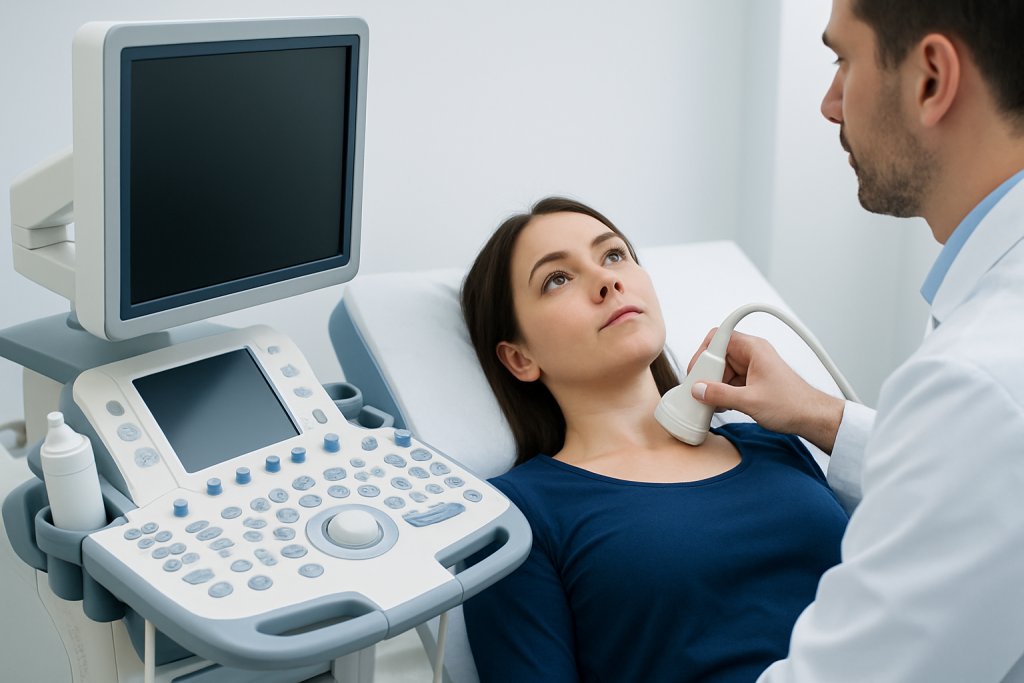
In certain cases, a clinician may recommend a thyroid ultrasound. This is not a blood test, but it can be important if there is a lump, enlargement, asymmetry, or a concern about nodules. Imaging is usually guided by the physical exam and lab pattern, not ordered as a routine screen for everyone.
- TSH plus free T4 is common when a result is abnormal or symptoms are significant.
- Free T3 may be added if hyperthyroidism is suspected.
- Thyroid antibodies can help identify autoimmune thyroid disease.
- Ultrasound may be needed for goiter, nodules, or structural concerns.
Diagnosis: How Clinicians Interpret the Full Picture
Thyroid diagnosis is rarely based on one number. A clinician looks at the pattern of TSH, free T4, and sometimes free T3, then compares it with symptoms, physical findings, pregnancy status, and other medical conditions. The same test result can mean different things in different people, which is why context is so important.
For example, a mildly elevated TSH with a normal free T4 may suggest subclinical hypothyroidism, but the decision to treat depends on age, symptoms, antibody status, pregnancy, and whether the result persists. A low TSH may point toward hyperthyroidism, but in some situations it can also reflect medication effects, recent illness, or pituitary problems. When results are unexpected, repeat testing is often sensible before making major decisions.
International patients sometimes arrive with lab results from different countries or different reference ranges. That is common and manageable, but it means the interpreting clinician may need to review the actual numbers, the unit system, and the laboratory’s normal range rather than relying on a summary alone. Bringing previous reports, medication lists, and symptom timelines can make the consultation more accurate.
Treatment Options
Treatment depends on the cause rather than on the test itself. Hypothyroidism is often managed with thyroid hormone replacement, while hyperthyroidism may be treated with antithyroid medicine, radioactive iodine, surgery, or in some cases a watch-and-monitor approach. If an abnormal result is caused by medication, illness, or temporary thyroid inflammation, the plan may focus on observation and follow-up labs.
When thyroid antibodies are present, treatment is not always immediate. Some people need close monitoring before therapy is started, especially if hormone levels are only mildly changed. The decision is often individualized, balancing symptoms, test trends, fertility plans, pregnancy, cardiovascular risk, and the likelihood that the condition will progress.
For patients traveling for care, a practical treatment plan should include what needs to happen before departure, what can wait, and which labs should be repeated after the treatment window. That continuity is especially valuable for thyroid conditions, which often evolve over weeks or months rather than days.
Prevention & Self-care
Not every thyroid disorder can be prevented, especially autoimmune conditions. Still, people can support accurate testing and smoother care by sharing a complete medication list, including supplements, and by telling the clinician about recent illness, pregnancy, fertility treatment, or any prior thyroid procedures. This information helps avoid misread results and unnecessary repeat testing.
Self-care also means knowing when not to over-interpret a single lab value. TSH can shift temporarily after illness, major stress, changes in medication, or inconsistent thyroid medicine use. If a result is only mildly abnormal and the person feels well, a repeat test is often part of the normal process. Good follow-up is sometimes more important than rushing to conclusions.
People already on thyroid medication should take it exactly as prescribed and discuss any new symptoms before changing the dose on their own. If biotin or other supplements are being used, the care team should know, because some products can affect lab accuracy. When care is being coordinated internationally, keeping digital copies of results makes follow-up much easier.
When to See a Doctor
A medical review is appropriate if thyroid symptoms persist, if a blood test is abnormal, or if there is a neck lump, unexplained heart-rate changes, or a new family history of thyroid disease. It is also wise to seek expert guidance before pregnancy, during pregnancy, or when planning fertility treatment. In those settings, even subtle thyroid changes may deserve attention.
People should not try to interpret isolated results without considering the rest of the clinical picture. A normal TSH does not always rule out every thyroid-related issue, and an abnormal TSH does not always mean immediate treatment is needed. A qualified clinician can decide whether free T4, free T3, antibodies, imaging, or repeat labs are the best next step.
Acibadem Health Point’s multidisciplinary specialists and JCI-accredited hospitals diagnose and treat thyroid conditions for international patients, helping coordinate testing, interpretation, and follow-up across borders. That kind of structured approach can be especially helpful when care needs to continue after travel ends.
Frequently asked questions
Is TSH always the first thyroid test a doctor orders?
Often, yes. TSH is usually the most useful starting point for assessing thyroid function because it responds to changes in thyroid hormone levels. However, a clinician may order free T4 at the same time if symptoms are strong, pregnancy is involved, or the situation is more complex.
What does a normal TSH mean?
A normal TSH often suggests that thyroid function is likely within the expected range. Even so, it does not answer every question in every situation, especially if there is pituitary disease, pregnancy, or symptoms that do not fit the result.
Why would someone need free T4 if TSH is abnormal?
Free T4 helps show whether the thyroid is actually making too little or too much hormone. It adds detail that TSH alone cannot provide, especially when deciding whether a mild abnormality is an early problem or a more established one.
Can thyroid antibodies be helpful if TSH is normal?
Yes, sometimes. Antibody tests can support a diagnosis of autoimmune thyroid disease even before hormones are clearly abnormal, particularly in people with symptoms, a family history, or pregnancy-related concerns. The result should still be interpreted with the rest of the clinical picture.
Can supplements affect thyroid blood tests?
They can. Biotin is the best-known supplement that may interfere with some thyroid assays, and certain medicines can also affect results or thyroid function itself. It is best to tell the clinician about every supplement and medication before testing.
How often should thyroid labs be repeated?
That depends on the diagnosis, treatment, and how stable the results have been. After a new abnormal finding or a medication change, repeat testing is often needed within a clinician-recommended interval; once stable, monitoring may be less frequent.
References
- American Thyroid Association
- Endocrine Society
- Mayo Clinic
- National Institute of Diabetes and Digestive and Kidney Diseases
- British Thyroid Foundation
This article is for general information only and is not a substitute for professional medical advice. Please consult a qualified doctor about your individual situation.