Thyroid Nodule: Symptoms, Causes and Treatment

Key Takeaways
- Many thyroid nodules do not cause symptoms and are discovered by chance.
- Ultrasound is a key test for assessing nodule size and appearance.
- Some nodules need a fine needle aspiration biopsy to rule out cancer.
- Treatment depends on size, symptoms, hormone activity, and test results.
- Regular follow-up may be enough when a nodule appears low risk.
Medically reviewed by the Acıbadem clinical team — August 19, 2026
A thyroid nodule is a lump in the thyroid gland that is often found during a routine exam or imaging test. Most nodules are benign, but proper evaluation helps determine whether monitoring, biopsy, or treatment is needed.
Overview
The thyroid is a small, butterfly-shaped gland at the base of the neck that helps regulate metabolism, energy use, and many body functions. A thyroid nodule is a growth or lump within this gland. Some are fluid-filled cysts, some are solid, and others have a mixed structure.
Most thyroid nodules are benign and never become a major health problem. Even so, they deserve careful evaluation because a smaller number may affect hormone production, cause local pressure symptoms, or, less commonly, represent thyroid cancer.
For many people, the first question is not “What is it?” but “What does it mean for me?” The answer depends on the nodule’s size, ultrasound features, hormone activity, and whether it changes over time. In international-patient care, that evaluation may happen before travel, during a visit, or through coordinated follow-up after returning home.
Symptoms
Many thyroid nodules cause no symptoms at all. They may be found during a physical examination, when someone notices a small lump in the neck, or incidentally on an imaging study done for another reason.
When symptoms do occur, they may include a visible or palpable neck lump, a feeling of pressure in the throat, difficulty swallowing, or a sense that clothing collars feel tighter than before. Rarely, a nodule may affect the voice if it presses on nearby structures.
Some nodules produce thyroid hormone. These “hot” or overactive nodules may lead to symptoms of hyperthyroidism such as palpitations, tremor, heat intolerance, nervousness, or unintentional weight loss. Because these signs can overlap with other conditions, medical assessment is important rather than relying on symptoms alone.
Causes & Risk Factors

There is no single cause of thyroid nodules. They can develop from a simple overgrowth of normal thyroid tissue, fluid accumulation, inflammation, or changes in the gland that happen over time. Many appear without a clear explanation.
Certain factors are associated with a higher chance of developing nodules, including iodine deficiency in some regions, a personal history of thyroid inflammation, and being older. Thyroid nodules are also more common in women, though they can occur in anyone.
Factors that may increase concern during evaluation include a history of childhood radiation exposure to the head or neck, a family history of thyroid cancer, rapid growth of a lump, hoarseness, or enlarged lymph nodes. These do not mean a nodule is cancerous, but they help clinicians decide how closely it should be examined.
Diagnosis
Assessment usually begins with a medical history and a neck examination. A clinician may ask when the lump was noticed, whether it has changed, and whether there are symptoms such as voice changes, swallowing difficulty, or signs of altered thyroid function.
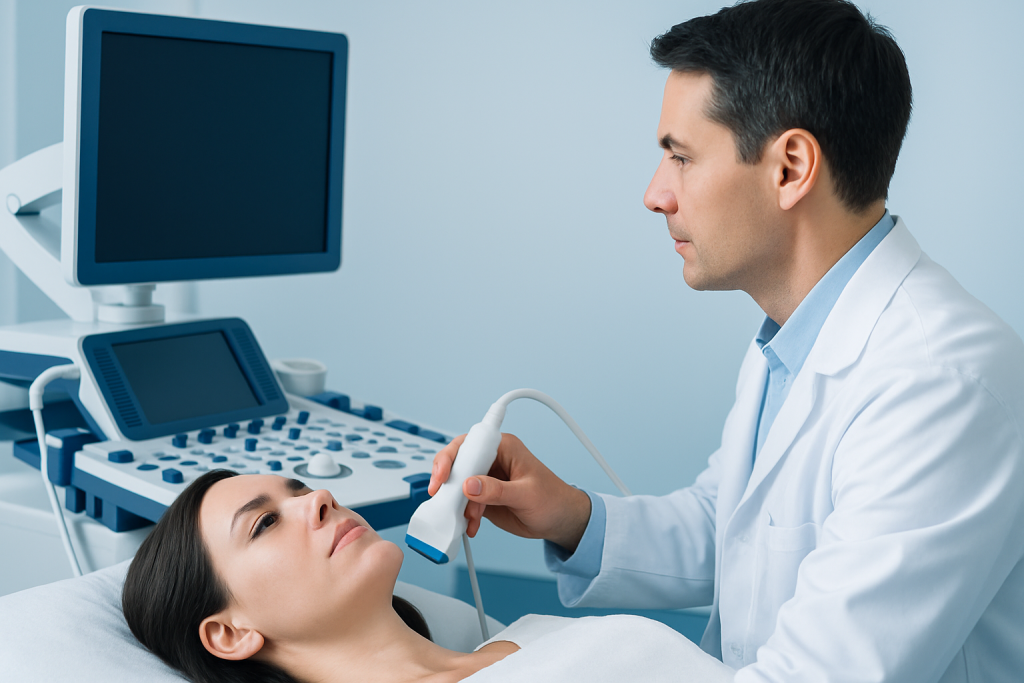
Blood tests, especially thyroid-stimulating hormone (TSH), help show whether the thyroid is overactive, underactive, or functioning normally. Ultrasound is the main imaging test for thyroid nodules because it can show size, shape, borders, internal composition, and other features that guide risk assessment.
Depending on the findings, a fine needle aspiration biopsy may be recommended. This procedure uses a thin needle to collect cells from the nodule, usually with ultrasound guidance. It is often an outpatient test and may provide the most useful information about whether a nodule needs observation or treatment. In selected cases, a thyroid scan or additional imaging may also be used.
Treatment Options
Treatment is individualized. Some nodules only need observation with periodic ultrasound and clinical follow-up, especially when they appear low risk and are not causing symptoms. Monitoring allows the care team to confirm that the nodule remains stable.
If a nodule is benign but large, uncomfortable, or cosmetically bothersome, treatment may be considered to reduce symptoms. Options can include surgery in certain cases, or other approaches chosen by an endocrinologist or thyroid surgeon depending on the nodule’s type and the person’s overall health.
When a nodule is cancerous or suspicious, treatment planning may involve surgery and, in some situations, additional therapy based on the pathology results. If the nodule is producing excess hormone, management may focus on controlling thyroid activity. The most appropriate option depends on the full clinical picture rather than size alone.
For people traveling for care, it helps to ask in advance how biopsy results, imaging reports, and follow-up visits will be coordinated after returning home. Clear planning can make treatment feel more manageable and reduce gaps in care.
Prevention & Self-care
Not every thyroid nodule can be prevented, but thyroid health can be supported through general medical care and timely evaluation of neck changes. A balanced diet with adequate iodine intake is one practical consideration, although supplements should not be started without medical advice.
Self-care also means paying attention to changes that deserve review, such as a lump that seems to grow, new hoarseness, swallowing discomfort, or symptoms of an overactive thyroid. Gentle self-monitoring is useful, but repeated pressing on the neck or trying to judge a nodule by touch alone is not reliable.
People who already know they have a thyroid nodule should follow the recommended surveillance plan, including scheduled ultrasound or blood tests if advised. Keeping copies of reports, images, and biopsy results can be especially helpful for international patients who may see different doctors in different countries.
When to See a Doctor
Medical review is appropriate if a person notices a new lump in the neck or if an existing thyroid nodule changes in size or feel. It is also wise to seek assessment if there are symptoms such as persistent hoarseness, trouble swallowing, a sense of pressure in the throat, or signs of thyroid hormone imbalance.
Prompt evaluation is especially important when there is a family history of thyroid cancer, prior radiation exposure to the neck, or enlarged lymph nodes. These features do not confirm a serious problem, but they help the clinician decide whether ultrasound, biopsy, or specialist referral is needed.
People planning care abroad should try to arrange a clear pre-visit review of their medical history and any prior imaging if possible. Acibadem Health Point’s multidisciplinary specialists and JCI-accredited hospitals can help diagnose and treat thyroid nodules for international patients in a coordinated way.
Living With a Thyroid Nodule
Hearing that a thyroid nodule has been found can be unsettling, particularly when the word “nodule” is new and unfamiliar. In many cases, however, the next step is not urgent treatment but careful clarification. Understanding the test results and the follow-up plan often brings the situation into better perspective.
Living with observation means keeping appointments, noting any new symptoms, and sharing any changes with the care team. If travel is part of the care journey, a practical discharge or follow-up plan is important so that monitoring continues smoothly after the person returns home.
With modern ultrasound, biopsy techniques, and specialist evaluation, thyroid nodules can usually be assessed in an organized, step-by-step way. That approach helps patients make informed decisions without unnecessary worry.
Frequently asked questions
Are thyroid nodules usually cancerous?
Most thyroid nodules are benign. A smaller number are malignant, which is why ultrasound and, when indicated, biopsy are used to sort out the risk more reliably than a physical exam alone.
Can a thyroid nodule go away on its own?
Some cystic nodules may shrink or change over time, but many do not disappear completely. Follow-up is usually based on the nodule’s appearance, symptoms, and any changes seen on repeat testing.
Does every thyroid nodule need a biopsy?
No, not every thyroid nodule needs a biopsy. The decision depends on size, ultrasound features, hormone testing, and overall risk factors, with many low-risk nodules followed by observation instead.
What symptoms should not be ignored?
A growing neck lump, persistent hoarseness, difficulty swallowing, breathing discomfort, or signs of an overactive thyroid should be reviewed by a clinician. These symptoms do not always mean something serious, but they do deserve assessment.
Is thyroid nodule treatment always surgery?
No, surgery is only one possible option. Many nodules are monitored, and others may be managed according to whether they are benign, hormone-producing, or suspicious on testing.
Can international patients arrange thyroid nodule care before traveling?
Yes, many patients benefit from planning ahead with prior lab results and imaging reports. That makes it easier for the treating team to confirm the diagnosis, discuss options, and organize follow-up after the visit.
References
- American Thyroid Association
- National Cancer Institute
- Mayo Clinic
- Endocrine Society
- World Health Organization
This article is for general information only and is not a substitute for professional medical advice. Please consult a qualified doctor about your individual situation.
Explore treatments in Turkey — costs, top hospitals & a free quote
JCI-accredited · board-certified surgeons · reply within 24h
Add us as a Preferred Source to see more of our trusted health content across Google Search, AI Overviews and Discover.