TENS Unit: Uses, Benefits and Risks

Key Takeaways
- A TENS unit may help reduce pain signals and support comfort during recovery.
- It is commonly used for musculoskeletal pain, post-operative discomfort, and some chronic pain conditions.
- Proper pad placement and safe use matter, especially for people with pacemakers, pregnancy, or certain skin conditions.
- A TENS unit can be one part of a broader rehabilitation plan that includes movement, exercise, and medical follow-up.
- If pain is new, severe, or unexplained, a doctor should assess the cause before using home devices.
Medically reviewed by the Acıbadem clinical team — August 19, 2026
A TENS unit is a small device that delivers gentle electrical pulses through the skin to help manage certain types of pain. It is often used alongside rehabilitation, not as a replacement for medical evaluation or treatment.
Overview
A TENS unit, short for transcutaneous electrical nerve stimulation, is a portable device that sends low-voltage electrical pulses through pads placed on the skin. These pulses are intended to help reduce the feeling of pain rather than treat the underlying cause of the problem. For many people, it is one tool that can make everyday movement, therapy sessions, or recovery periods more manageable.
In rehabilitation settings, TENS is often considered when pain is limiting sleep, walking, exercise, or participation in physical therapy. It may be used after an injury, after surgery, or for ongoing discomfort such as back pain, neck pain, or joint pain. Because responses vary from person to person, clinicians usually treat it as a supportive measure rather than a stand-alone solution.
For international patients, a TENS unit may come into the conversation during a broader plan that also includes diagnosis, imaging, medication review, physiotherapy, and follow-up after returning home. That coordinated approach helps ensure the device is used for the right type of pain and in a way that fits the patient’s medical history.
How a TENS unit is thought to work
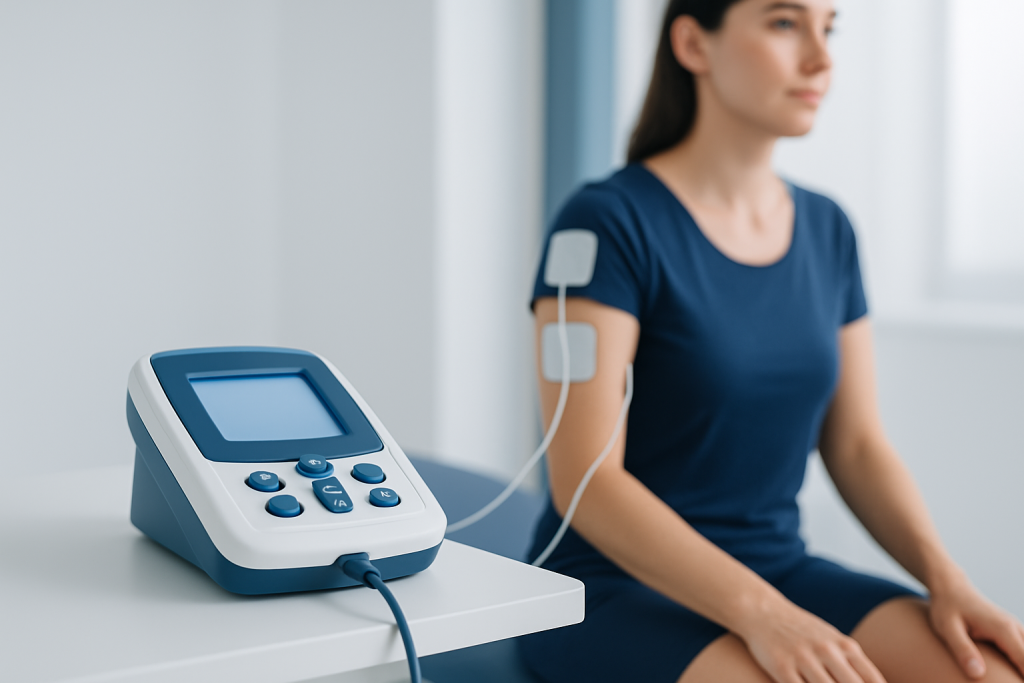
Although the exact mechanism is still discussed in medicine, TENS is generally believed to influence the way pain signals travel to the brain. The stimulation may help “distract” the nervous system from pain messages, and it may also encourage the body’s own pain-modulating chemicals to play a role. The result for some people is a temporary reduction in discomfort.
Different settings can create different sensations. Some people feel a gentle tingling, while others describe a stronger but still tolerable pulsing feeling. A properly adjusted unit should not be painful; if it hurts, the intensity may be too high or the pads may need to be repositioned.
TENS is not a cure for arthritis, nerve injury, muscle strain, or other conditions that cause pain. Instead, it may give a person a short window of relief that makes it easier to move, rest, or complete rehabilitation exercises. That practical benefit is often why clinicians recommend it as part of a wider pain-management plan.
Symptoms and situations where it may be used

A TENS unit is not used for one single diagnosis. It may be considered when pain is the main issue and the person is medically appropriate for electrical stimulation. Common situations include back pain, neck pain, shoulder pain, knee pain, osteoarthritis discomfort, post-operative soreness, and some types of nerve-related pain.
Some people find it helpful for flare-ups that make it harder to stay active. Others use it before or after physiotherapy sessions to feel more comfortable during stretching or strengthening exercises. In selected cases, it may also be used to help manage pain from menstrual cramps or certain chronic pain syndromes, depending on the clinician’s judgment.
- Muscle strain or overuse pain
- Joint pain related to degeneration or injury
- Post-surgical pain in approved recovery phases
- Some chronic pain conditions under medical supervision
Because pain can signal a more serious problem, a TENS unit should not be used to ignore new symptoms such as fever, swelling, numbness, weakness, chest pain, or unexplained weight loss. Those features deserve medical review before home treatment is started.
Causes and risk factors
The need for a TENS unit usually arises from pain caused by irritation, inflammation, strain, injury, surgery, or chronic conditions that affect muscles, joints, or nerves. People often consider it when pain persists long enough to interfere with walking, sleep, work, travel, or rehabilitation progress.
Not everyone is an ideal candidate. Certain medical situations call for extra caution because electrical stimulation may not be appropriate or may need specific guidance. A clinician may review the person’s medical devices, skin condition, pain pattern, and overall diagnosis before recommending use.
Examples of situations that may require caution include a pacemaker or implanted defibrillator, pregnancy depending on pad placement, epilepsy, reduced sensation, broken skin, active infection, or unexplained pain. When a patient is traveling from another country, sharing a complete medical history is especially important so the team can decide whether TENS fits into the care plan safely.
Diagnosis: how clinicians decide if it is appropriate
Before recommending a TENS unit, a clinician usually starts by identifying the source of the pain. That may involve a physical examination, review of symptoms, and sometimes imaging or other tests if the diagnosis is not clear. The goal is to make sure the pain is being managed alongside the underlying condition, not instead of it.
During the assessment, the team may ask where the pain is located, what makes it better or worse, how long it has been present, and whether it affects daily tasks. They may also check for red flags that point away from routine musculoskeletal pain. If the pain pattern is suitable, the clinician can help decide where pads should go, what type of device to use, and how long each session should last in general terms.
For patients receiving care internationally, this stage is often where coordination matters most. A rehabilitation specialist may review outside records, imaging reports, medication lists, and prior procedures to understand whether TENS is a reasonable addition to treatment. That kind of review helps avoid trial-and-error use without a clear plan.
Treatment options and how TENS fits in
A TENS unit is usually one part of a larger approach to pain control. It may be combined with activity modification, physical therapy, guided exercise, heat or cold when appropriate, and medication prescribed by a clinician. The best plan depends on the diagnosis, the severity of symptoms, and the person’s overall health.
When used properly, TENS can be convenient because it is portable and does not require medication to be taken by mouth. Some people use it during the day at home or while seated for therapy tasks. Others use it around periods of increased discomfort, such as after rehab exercises, though the schedule should follow professional advice.
Patients should know that results can be modest and inconsistent. If TENS does not help after a reasonable trial, the treatment plan may need to be adjusted. This can include a different therapy approach, more targeted rehabilitation, a medication review, or further diagnostic workup if the original cause of pain is still uncertain.
Prevention and self-care
Safe use starts with correct pad placement, clean dry skin, and following the instructions given by the treating clinician or device manufacturer. Pads should not be placed over the front of the neck, across the chest, over the head, or on broken or irritated skin unless a specialist specifically instructs otherwise. The sensation should remain comfortable, not sharp or unpleasant.
Regular self-care matters too. A TENS unit may ease symptoms, but long-term improvement often depends on movement, posture awareness, strengthening, pacing of activities, and sleep habits. If pain is tied to a recent injury or surgery, rehabilitation exercises should be followed as directed so the person does not rely only on temporary relief.
- Inspect the skin after each session for redness or irritation
- Remove and store pads as instructed to maintain adhesion
- Do not use the device near water or while driving unless a clinician says it is safe
- Keep the unit out of reach of children
- Bring the device to follow-up visits if adjustments are needed
Patients traveling home after treatment may benefit from a written self-care plan that explains when to use TENS, when not to use it, and which symptoms should trigger a call to the care team. Clear instructions are especially useful when follow-up will happen across different time zones.
When to see a doctor
A doctor should assess pain that is new, severe, persistent, or changing in character before a person relies on a TENS unit at home. Medical review is also important if pain follows a fall, is associated with numbness or weakness, or is accompanied by swelling, fever, shortness of breath, or chest discomfort. Those signs suggest a problem that needs evaluation rather than symptom masking.
People should also seek advice if the unit causes skin irritation, dizziness, worsening pain, or no relief at all. A clinician can check whether the pads are being used correctly, whether the pain source has changed, or whether another treatment would be more suitable. For those with implanted devices or complex medical histories, professional guidance is especially important before starting.
Acibadem Health Point’s multidisciplinary specialists and JCI-accredited hospitals diagnose and treat pain conditions for international patients, helping coordinate rehabilitation, device guidance, and follow-up with safety in mind. That kind of team-based care can make it easier to use supportive therapies like TENS in a structured and appropriate way.
Frequently asked questions
What is a TENS unit used for?
A TENS unit is commonly used to help reduce pain from muscles, joints, surgery recovery, and some chronic pain conditions. It may make movement and rehabilitation more comfortable, but it does not treat the underlying cause of the pain. A doctor can help decide whether it fits a specific situation.
Does a TENS unit work for everyone?
No, results vary from person to person. Some people feel meaningful relief, while others notice little change. If it is not helping after proper use, the treatment plan may need to be reviewed.
Can a TENS unit be used at home?
Yes, many people use it at home once they have been shown how to use it safely. It is important to follow instructions about pad placement, session length, and skin care. A clinician should confirm that home use is appropriate for the person’s condition.
Is a TENS unit safe with a pacemaker?
People with a pacemaker or implanted defibrillator should not start TENS without explicit guidance from their cardiology or treating team. Electrical stimulation can interfere with some implanted devices. Medical review is essential before use.
Can TENS replace physical therapy?
Usually not. TENS is best seen as a supportive tool that may reduce pain enough to make exercise and therapy easier. Rehabilitation still matters because it helps address strength, mobility, and function.
How soon does a TENS unit start working?
Some people feel relief during the session, while others notice only modest or delayed benefit. The response depends on the pain condition, pad placement, and device settings. A clinician can help interpret whether the trial is worthwhile.
References
- National Institute of Neurological Disorders and Stroke
- Mayo Clinic
- Cleveland Clinic
- NHS
- American Physical Therapy Association
This article is for general information only and is not a substitute for professional medical advice. Please consult a qualified doctor about your individual situation.
Joint and spine care in Turkey — expert assessment & treatment
JCI-accredited · board-certified surgeons · reply within 24h
Add us as a Preferred Source to see more of our trusted health content across Google Search, AI Overviews and Discover.
More from the Health Library



Related Specialists

Fzt. Elif Tokgöz Nizam
Physical Medicine & Rehabilitation
Fzt. Gizem Aydın
Physical Medicine & Rehabilitation
Dr. Safiye Sayilir
Physical Medicine & Rehabilitation
Dr. Özgün Barış Çolak
Physical Medicine & Rehabilitation