TB Test: Types, Procedure and Results

Key Takeaways
- TB testing looks for evidence of infection, not always active disease.
- Two common tests are the skin test and the blood test.
- A positive result usually needs more evaluation, such as a chest X-ray and medical review.
- Treatment may be recommended for latent TB to lower the chance of future illness.
- People planning travel or care abroad may need TB testing before procedures, school, work, or visa-related requirements.
Medically reviewed by the Acıbadem clinical team — August 19, 2026
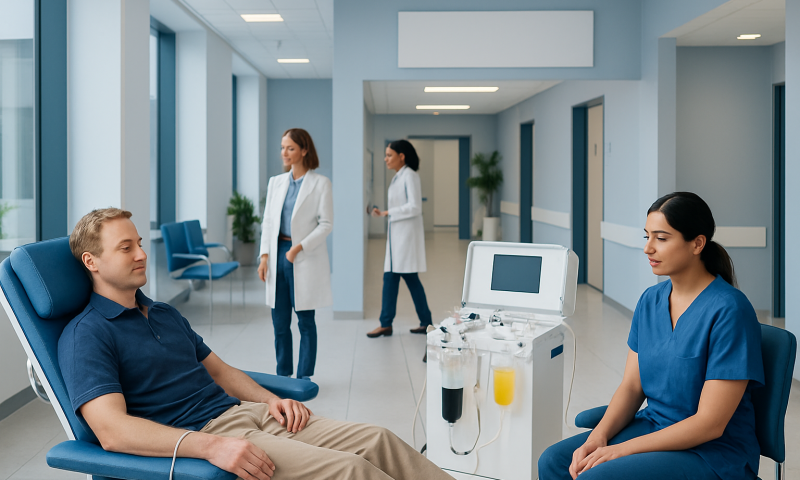
A TB test helps doctors check whether a person has been exposed to tuberculosis bacteria. It is often part of routine screening for people with symptoms, exposure, travel history, or jobs and conditions that increase risk.
Overview
A TB test is used to check whether a person has come into contact with the bacteria that cause tuberculosis. Tuberculosis, often called TB, can affect the lungs, but it may also involve other parts of the body. Testing is especially important because a person can carry TB bacteria without feeling unwell for a long time.
In practice, the test is often part of a wider medical review rather than a stand-alone answer. A result may suggest past exposure, possible latent infection, or the need for more investigation to rule out active disease. For international patients, it may also be requested before employment, study, immigration processing, hospital admission, or certain medical treatments.
Clinicians usually choose between a skin test and a blood test, depending on age, previous vaccination history, likelihood of follow-up, and local testing pathways. The right approach is not one-size-fits-all; it depends on the person’s exposure risk and the reason for testing.
Symptoms and Why Testing Is Requested
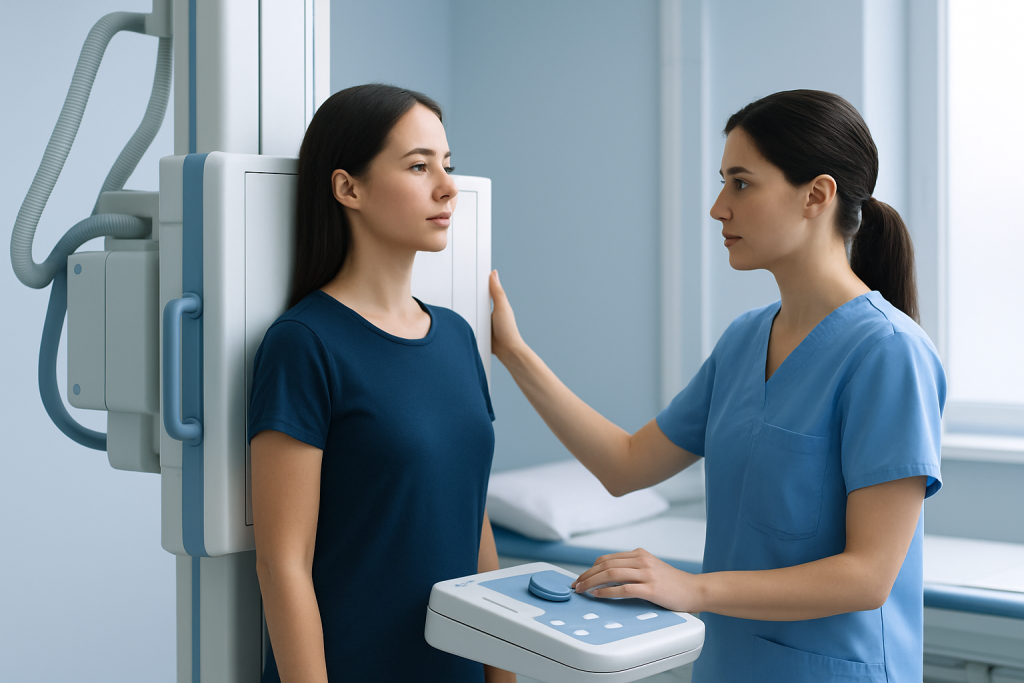
Many people who need a TB test do not have obvious symptoms. That is because TB can remain latent, meaning the bacteria are present in the body but are not causing active illness. In these situations, testing is often done because of exposure, screening requirements, or a medical condition that makes infection more concerning.
When TB becomes active, symptoms may include a persistent cough, fever, night sweats, weight loss, tiredness, chest discomfort, or coughing up sputum. Some people also notice reduced appetite or shortness of breath. These symptoms are not specific to TB, which is why medical review and additional testing matter.
Testing may be requested after close contact with someone diagnosed with TB, after living or working in settings where exposure is more likely, or before starting certain immune-suppressing medications. It may also be part of travel-related or pre-treatment screening for people who will receive care abroad.
Causes & Risk Factors

TB is caused by Mycobacterium tuberculosis, a bacterium that usually spreads through the air when a person with active lung or throat TB coughs, sneezes, speaks, or sings. It does not spread by sharing food, touching surfaces, or casual brief contact in the way some common infections do.
Not everyone exposed to TB becomes infected, and not everyone infected develops active disease. Risk is influenced by how intense and prolonged the exposure was, how well the immune system is functioning, and whether there are underlying health conditions such as HIV, diabetes, kidney disease, or use of medications that reduce immune activity.
Other factors that can increase the chance of needing a TB test include:
- Close contact with a person known to have TB
- Birth, residence, or extended travel in areas where TB is more common
- Work in healthcare, shelters, correctional facilities, or long-term care settings
- Living with conditions that weaken immune defenses
- Plans for certain surgeries, organ transplantation, or biologic therapy
Diagnosis
There are two main screening tools for TB infection: the tuberculin skin test and the interferon-gamma release assay, commonly called an IGRA blood test. The skin test involves placing a small amount of purified protein derivative just under the skin and checking the area after a set period for a reaction. The blood test measures the immune response to TB-related proteins in a laboratory sample.
Each method has strengths. Blood tests are often convenient for people who may not be able to return for a follow-up visit, and they are not affected by prior BCG vaccination in the same way a skin test can be. Skin tests remain widely used and can be appropriate in many situations, especially where access and cost are important considerations.
A positive screening result does not automatically mean active TB disease. Doctors usually follow up with a symptom review, physical examination, chest imaging, and sometimes sputum tests or other laboratory studies. This stepwise approach helps separate latent infection from active disease and guides the safest next step.
Treatment Options
Treatment depends on whether the person has latent TB infection or active TB disease. Latent TB is often treated to reduce the chance that the bacteria will become active later, especially in people with higher risk of progression. Active TB requires a structured treatment plan using several medicines over a longer period, with close monitoring by a clinician.
For latent TB, the goal is prevention. A doctor may recommend medication after reviewing overall health, possible drug interactions, liver function considerations, and the person’s travel schedule or ability to complete follow-up care. For international patients, this discussion matters because treatment plans may need to be coordinated across countries, time zones, and different healthcare systems.
Active TB treatment is more complex and should always be supervised by a qualified clinician. It typically involves more than one medicine and regular follow-up to make sure the infection is responding and that side effects are identified early. Adherence is important, both for the person’s health and for reducing the risk of ongoing transmission.
Prevention & Self-care
Prevention begins with lowering exposure risk where possible. Good ventilation in indoor spaces, timely evaluation of symptoms, and prompt testing after a known exposure all help reduce the chance that TB spreads unnoticed. In healthcare and similar settings, infection-control procedures are especially important.
People who have been told they have latent TB infection should keep all follow-up appointments and discuss any new symptoms with their doctor. They should also inform clinicians about past TB testing before starting new medications, particularly medicines that affect the immune system. This helps the care team choose the safest plan.
Simple self-care measures during evaluation or treatment include maintaining regular sleep, staying hydrated, avoiding smoking, and not missing prescribed appointments. If travel is involved, carrying copies of test results and treatment summaries can make it easier to continue care smoothly after returning home.
When to See a Doctor
Medical assessment is appropriate if a person has been exposed to someone with TB, has symptoms that could fit TB, or needs screening for work, travel, school, or treatment planning. A clinician can decide which test is most suitable and whether any additional studies are needed.
Prompt review is especially important if there is a persistent cough, coughing up blood, fever, night sweats, unexplained weight loss, or shortness of breath. These symptoms do not always mean TB, but they should not be ignored. Early evaluation helps protect both the person and those around them if active disease is present.
People who are pregnant, immunocompromised, preparing for transplantation, or planning care abroad may benefit from a more individualized discussion. At Acibadem Health Point, multidisciplinary specialists and JCI-accredited hospitals support international patients with TB testing, diagnosis, and treatment in a coordinated way.
Living With a Positive Test Result
Hearing that a TB test is positive can feel unsettling, but it is best understood as a signal for more information rather than a final diagnosis. Many positive results reflect latent infection, which is manageable and often treatable before it causes illness.
Doctors usually explain what the result means in the context of a person’s symptoms, exposure history, and chest imaging. If treatment is recommended, the care plan should be discussed clearly so that the person knows what to expect, how to stay on track, and when to return for review.
For people receiving care from another country, communication is especially important. Keeping copies of reports, medication lists, and imaging summaries can help a new care team continue evaluation and treatment without unnecessary repetition.
Frequently asked questions
What is a TB test used for?
A TB test checks whether a person has been exposed to tuberculosis bacteria. It can help identify latent infection or guide further testing for active disease. The result is interpreted alongside symptoms, medical history, and sometimes chest imaging.
What is the difference between the TB skin test and the TB blood test?
The skin test measures the body’s reaction to a small amount of TB-related protein placed under the skin. The blood test measures immune response from a blood sample in the laboratory. Doctors choose between them based on the person’s situation, access, and whether follow-up is practical.
Does a positive TB test mean a person has active tuberculosis?
Not necessarily. A positive screening test may indicate latent infection or past exposure, and additional evaluation is usually needed to check for active disease. Symptoms, imaging, and sometimes sputum tests help clarify the diagnosis.
Can a person get a TB test after BCG vaccination?
Yes, but the choice of test matters. The BCG vaccine can sometimes affect the TB skin test, while blood tests are generally less affected. A doctor can advise which option is more appropriate based on the person’s vaccination history and risk factors.
How long does TB testing take?
The blood test is usually completed with one clinic visit, although results take time to return from the laboratory. The skin test requires a follow-up visit to read the reaction after a set period. The overall timeline depends on the testing method and what additional evaluation is needed.
Should someone delay travel or work plans if they need TB testing?
It depends on the reason for testing and whether follow-up is needed. If a screening result is positive or symptoms are present, it is usually wise to complete the recommended evaluation before major travel or starting a new role. A clinician can help plan the safest and most practical schedule.
References
- Centers for Disease Control and Prevention
- World Health Organization
- National Health Service
- American Thoracic Society
- Infectious Diseases Society of America
This article is for general information only and is not a substitute for professional medical advice. Please consult a qualified doctor about your individual situation.
Explore treatments in Turkey — costs, top hospitals & a free quote
JCI-accredited · board-certified surgeons · reply within 24h
Add us as a Preferred Source to see more of our trusted health content across Google Search, AI Overviews and Discover.