What Does Tb Positive Test Look Like

Key Takeaways
- A positive TB test can appear as a raised skin reaction, a positive blood test, or imaging findings that need further review.
- A positive result shows TB exposure, but it does not automatically mean the person can spread the infection.
- Symptoms, medical history, and follow-up tests help doctors tell the difference between latent TB and active TB disease.
- People with a positive result may need a chest X-ray, sputum testing, or additional evaluation before treatment decisions are made.
- TB testing is especially important for people with symptoms, close exposure, or higher medical risk, and interpretation should always be done by a clinician.
Medically reviewed by the Acıbadem clinical team — August 19, 2026
A TB positive test does not always mean active tuberculosis disease. It usually means the body has shown evidence of exposure to TB germs, and the next step is to find out whether the infection is latent or active.
Overview
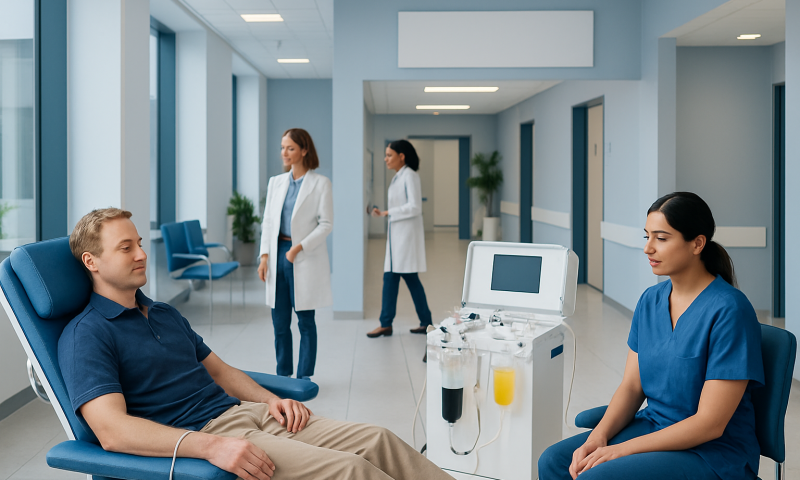
When people ask what a TB positive test looks like, they are usually looking for a simple visual answer. In practice, the answer depends on the type of test used. A tuberculosis result may appear as a raised area on the skin after a Mantoux tuberculin skin test, a “reactive” or positive result on a blood test, or changes on a chest X-ray that prompt a doctor to investigate further.
Tuberculosis, or TB, is an infection caused by Mycobacterium tuberculosis. A positive test means the immune system has recognized TB bacteria at some point. That finding may reflect latent TB infection, in which the germs are asleep in the body, or active TB disease, in which the bacteria are multiplying and may cause symptoms. The difference matters, because the evaluation and treatment plan are not the same.
For international patients, this distinction is often the first point of confusion. Someone may receive a positive screening result before travel, then need a clear explanation of what it means, whether it affects school, work, immigration, or treatment timing, and what follow-up tests are usually needed after arriving in another country.
What a Positive TB Skin Test Looks Like
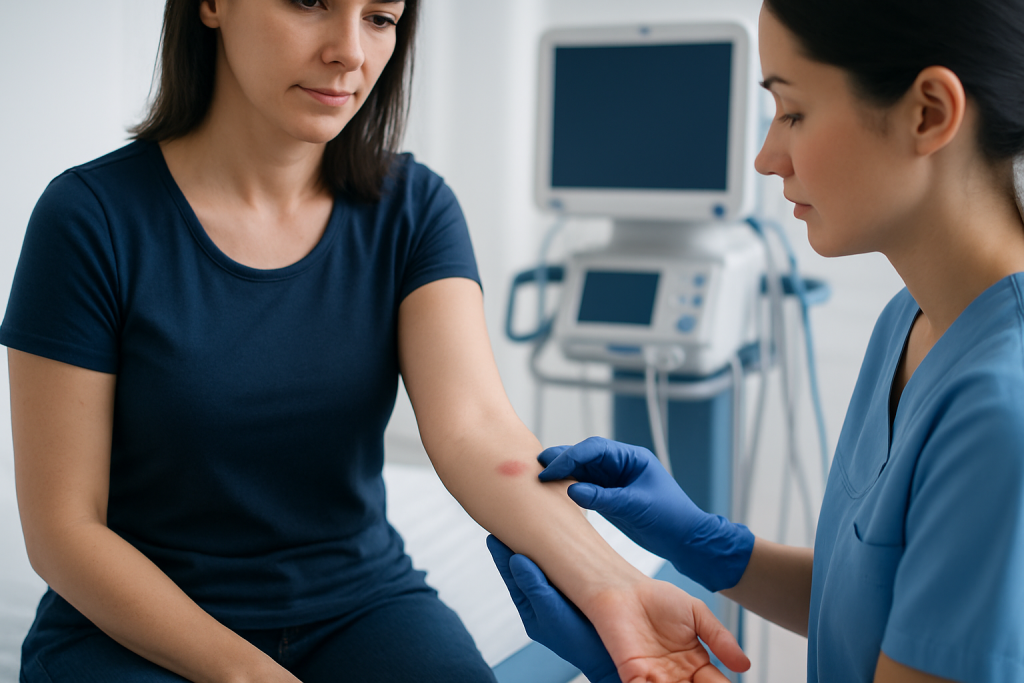
The TB skin test, also called the Mantoux test, is read by measuring swelling at the injection site, not simple redness. A small amount of purified protein derivative is placed under the skin of the forearm, and the area is checked after a set period. A positive result typically looks like a firm, raised bump or induration.
What counts as positive depends on the size of the indurated area and on the person’s risk factors. A clinician measures the raised part in millimeters and considers the full context, such as recent exposure to TB, immune status, travel history, and the possibility of prior BCG vaccination. That is why two people can receive similar-looking skin reactions but receive different interpretations.
It is also common for people to misread a skin test at home. Redness alone does not mean the test is positive, and scratching or applying cream can make the site harder to assess. Because timing and technique matter, the result should be reviewed by a trained healthcare professional rather than guessed from appearance alone.
What a Positive TB Blood Test Looks Like
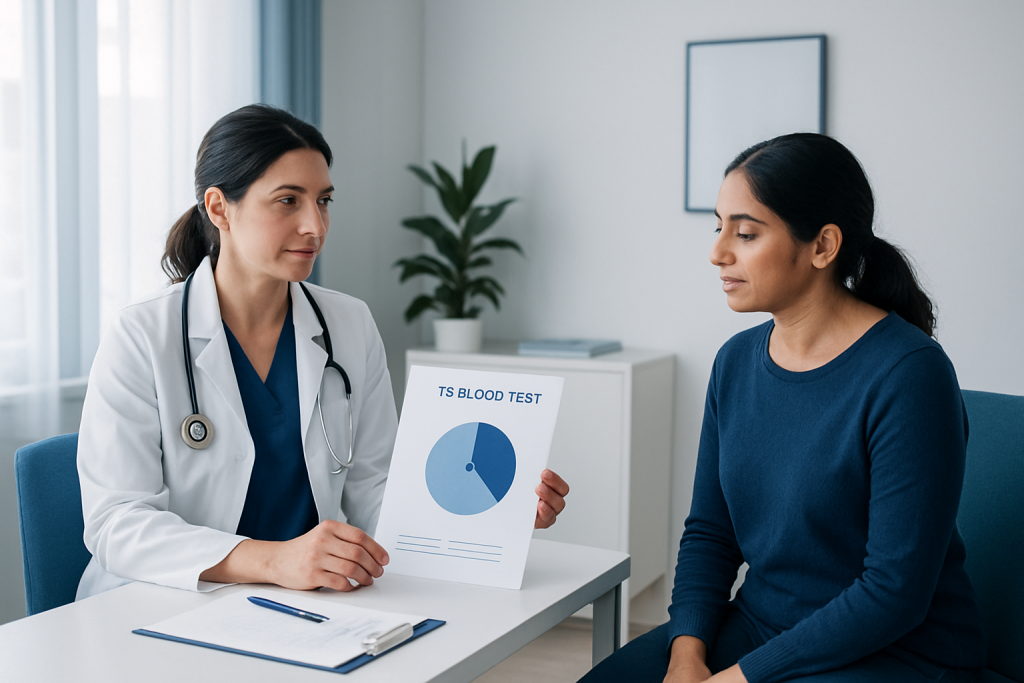
A TB blood test, often called an interferon-gamma release assay, does not create a visible skin change. Instead, a laboratory reports whether the immune system reacted to TB proteins. A positive result may be written as “positive,” “reactive,” or “suggestive of TB infection,” depending on the lab format.
Many patients expect a blood test to show a number that clearly proves disease, but TB blood tests are screening tools. A positive result helps identify possible infection, yet it cannot tell whether TB is latent or active. It also cannot show when exposure happened, so doctors look at symptoms and other tests before drawing conclusions.
Because the wording can vary between laboratories and countries, patients traveling for care should bring the actual report rather than only a memory of the result. This makes it easier for the next doctor to interpret the test correctly and decide whether additional imaging or sputum testing is needed.
What a Positive Chest X-Ray Might Suggest
Chest X-rays are not TB tests on their own, but they are often used after a positive screening result. A chest X-ray that raises concern may show scarring, patchy infiltrates, cavities, enlarged lymph nodes, or other changes that suggest the lungs need closer evaluation. In some people, especially those with latent TB, the X-ray may still appear normal.
Imaging findings are interpreted alongside the rest of the story. A person with a positive skin or blood test and cough, fever, night sweats, weight loss, or fatigue may need a more complete workup. Another person with no symptoms and a normal chest X-ray may be assessed as having latent infection rather than active disease.
For patients coming from abroad, the X-ray is often the bridge between screening and treatment. It helps determine whether it is safe to travel home, whether isolation is needed, and whether preventive treatment can be started without delay.
Causes & Risk Factors
A positive TB test usually happens because the immune system has been exposed to TB bacteria. That exposure may have occurred through close, prolonged contact with someone who has active pulmonary TB. It can also happen in places where TB is more common, in crowded living conditions, or in settings with limited ventilation.
Some people are more likely to have a positive test or to develop TB disease after exposure. These include people with weakened immune systems, those living with HIV, patients receiving certain immunosuppressive medicines, people with diabetes, young children, older adults, and anyone with a history of untreated or incompletely treated TB infection.
BCG vaccination can complicate interpretation of the skin test in some cases, although it does not rule TB in or out by itself. That is one reason many doctors prefer blood tests in specific situations, especially for people who were vaccinated as children or who may have difficulty returning for a skin test reading.
- Close contact with a person who has active TB
- Birth or long-term residence in a TB-endemic region
- Weakened immune defenses
- Living or working in congregate settings
- Previous untreated TB exposure or infection
Diagnosis: How Doctors Confirm What the Result Means
After a positive screening test, the next question is not “Is it positive?” but “What does it represent?” Doctors usually begin with a medical history, symptom review, and examination. They may ask about cough, fever, night sweats, unplanned weight loss, appetite changes, past TB exposure, recent travel, and prior test results.
If active TB is a possibility, further tests may include a chest X-ray and sputum examination. Sputum samples can be checked with microscopy, culture, and molecular testing to look for TB bacteria and, in some cases, drug resistance. These tests help distinguish active infection from latent infection and guide treatment decisions.
For many patients, especially those arranging care from another country, the diagnostic pathway is stepwise. A positive screening result is the starting point, not the final answer. Clear documentation, repeat review of reports, and a doctor who understands international test formats can make the process much smoother.
Treatment Options
Treatment depends on whether TB is latent or active. Latent TB infection is often treated with preventive medicine to reduce the chance that inactive bacteria later cause illness. Active TB disease generally requires a combination of medications over a longer period, along with close medical follow-up.
When TB is active, doctors also consider whether the infection may be resistant to one or more standard medicines. In that situation, treatment plans are individualized and may include specialist input. Patients should not start or stop TB medicine on their own, because incomplete treatment can make TB harder to manage.
Supportive care is also part of treatment. That may include checking liver function, reviewing other medicines for interactions, and making sure appointments, lab tests, and imaging are coordinated. For patients who have traveled for care, a well-organized follow-up plan helps ensure treatment continues safely after they return home.
In some cases, Acibadem Health Point’s multidisciplinary specialists and JCI-accredited hospitals evaluate and treat TB for international patients, coordinating diagnosis, imaging, and follow-up in a structured setting.
Prevention & Self-care
The most practical way to reduce TB-related illness is to identify exposure early and follow through on testing. People who have had close contact with someone diagnosed with TB should seek medical advice even if they feel well. If treatment is prescribed, taking it exactly as directed helps protect both the individual and the community.
Good self-care during evaluation and treatment includes keeping all records together, asking for written test results, and arranging a follow-up plan before traveling. If a person is starting treatment in another country, it helps to clarify where refills, monitoring, and final review will happen after returning home.
General health habits also matter. Adequate sleep, balanced nutrition, smoking cessation, and management of chronic conditions such as diabetes can support recovery. People with symptoms of possible active TB should reduce close contact with others until a clinician advises otherwise.
- Keep copies of all test reports and imaging results
- Attend follow-up visits even if symptoms improve
- Ask about medication interactions and side effects
- Arrange continuity of care if treatment begins abroad
When to See a Doctor
A doctor should review any positive TB test so the result can be interpreted correctly. This is especially important if the person has cough lasting more than a few weeks, fever, night sweats, chest discomfort, fatigue, or unexplained weight loss. Even without symptoms, a positive result deserves follow-up to determine whether latent infection or active disease is present.
People with weakened immune systems, recent exposure to someone with TB, or abnormal imaging should seek medical assessment promptly. The same is true for anyone who is preparing for travel, immigration clearance, work clearance, or school enrollment and needs accurate documentation of test results.
TB testing and treatment are most useful when they are linked to a real clinical plan. A qualified doctor can explain what the positive result means, which additional tests are needed, and how to move forward safely in a way that fits the person’s circumstances.
Frequently asked questions
Does a positive TB test mean I have active tuberculosis?
Not necessarily. A positive screening test often means the immune system has encountered TB bacteria at some point, but it does not by itself show whether the infection is active or latent. Doctors use symptoms, chest imaging, and sometimes sputum tests to decide.
What does a positive TB skin test look like?
It usually looks like a firm, raised area at the injection site on the forearm. Redness alone is not what determines the result, and the size of the induration must be measured by a trained clinician. The timing of the reading is also important.
Can a TB blood test be seen on the skin?
No. A TB blood test is done in the laboratory and does not create a visible mark on the body. The result is reported as positive, reactive, or negative depending on the lab.
Why would I need a chest X-ray after a positive TB test?
A chest X-ray helps doctors look for signs of active lung disease. If the X-ray is normal and there are no symptoms, the result may point more toward latent TB infection. If the X-ray shows changes, more testing is usually needed.
Can BCG vaccination affect the result?
It can sometimes affect the TB skin test, which is one reason doctors ask about vaccination history. Blood tests are often preferred in some vaccinated people because they are less likely to react to BCG. A clinician will choose the most suitable test based on the person’s situation.
Should someone with a positive TB test travel right away?
That depends on whether active TB has been ruled out and whether treatment or isolation is needed. A doctor should review the result before travel plans continue. Clear documentation and follow-up arrangements are especially important if care started in another country.
References
- World Health Organization
- Centers for Disease Control and Prevention
- U.S. National Library of Medicine
- American Lung Association
- NHS
This article is for general information only and is not a substitute for professional medical advice. Please consult a qualified doctor about your individual situation.
Explore treatments in Turkey — costs, top hospitals & a free quote
JCI-accredited · board-certified surgeons · reply within 24h
Add us as a Preferred Source to see more of our trusted health content across Google Search, AI Overviews and Discover.