HGB Blood Test: What Hemoglobin Means

Key Takeaways
- Hemoglobin is the oxygen-carrying protein inside red blood cells.
- An HGB blood test is often part of a complete blood count and helps assess overall blood health.
- Low hemoglobin may be linked to anemia, blood loss, iron deficiency, or chronic illness.
- High hemoglobin can happen with dehydration, smoking, lung conditions, or other causes.
- Results are best interpreted alongside symptoms, medical history, and other lab values.
- A clinician may order further tests to find the reason behind an abnormal result.
Medically reviewed by the Acıbadem clinical team — August 19, 2026
The HGB blood test measures hemoglobin, the protein in red blood cells that carries oxygen throughout the body. Understanding the result can help explain symptoms such as tiredness, shortness of breath, or dizziness and guide the next steps in care.
Overview: why the HGB blood test matters
The HGB blood test measures hemoglobin, a protein that gives red blood cells their ability to carry oxygen from the lungs to the rest of the body. When hemoglobin is in a healthy range, tissues receive the oxygen they need for normal energy, concentration, and physical activity.
Doctors often review hemoglobin as part of a complete blood count, or CBC. By itself, the number is useful, but its meaning becomes clearer when it is read together with other results such as hematocrit, red blood cell count, and red cell indices.
For many people, the test is ordered because of common symptoms such as fatigue, pale skin, weakness, or shortness of breath. In other cases, it is checked during routine care, before surgery, during pregnancy, or as part of follow-up for a known medical condition. For international patients, this kind of lab test is often the starting point for deciding whether a fuller evaluation is needed before travel or after arrival.
Symptoms that may lead to testing
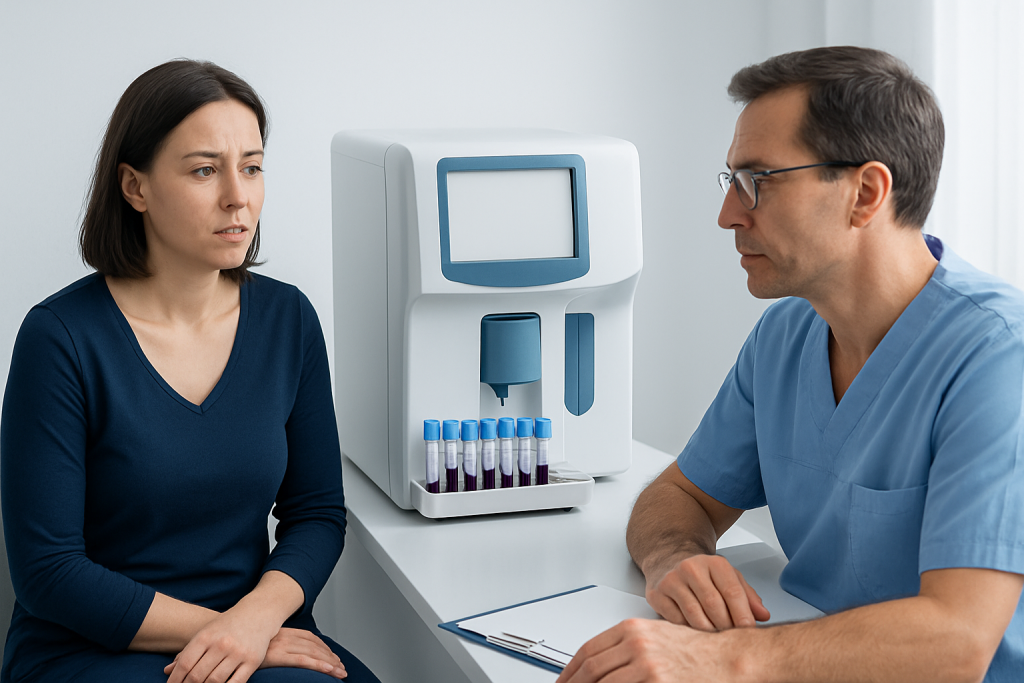
An abnormal hemoglobin level does not always cause noticeable symptoms, especially when the change develops slowly. Still, the body often gives clues when oxygen delivery is not quite right.
Low hemoglobin is commonly associated with tiredness, dizziness, headaches, reduced exercise tolerance, paleness, cold hands and feet, or feeling short of breath during ordinary activities. Some people also notice a rapid heartbeat or trouble focusing.
High hemoglobin may not cause symptoms either, but it can sometimes be linked with headache, flushing, itching, or a feeling of fullness in the head. These signs are not specific, which is why a blood test and clinical assessment are important rather than self-diagnosis.
- Fatigue or unusual weakness
- Shortness of breath with mild activity
- Pale skin or inner eyelids
- Dizziness or lightheadedness
- Headaches or reduced concentration
Causes and risk factors behind an abnormal result

Low hemoglobin has many possible causes. One of the most common is iron deficiency, which can occur when iron intake is low, absorption is reduced, or blood loss is ongoing. Other causes include vitamin B12 or folate deficiency, chronic Kidney Disease Treatment" class="ahp-ilk">kidney disease, inflammation, certain inherited blood disorders, and recent surgery or trauma.
Heavy menstrual bleeding, gastrointestinal bleeding, frequent blood donation, pregnancy, and some medications can also contribute to low levels. In older adults, more than one factor may be involved, which is why a careful review of medical history matters.
High hemoglobin can reflect dehydration, since less fluid in the bloodstream makes the concentration appear higher. Smoking, living at high altitude, chronic lung disease, sleep-related breathing disorders, and some rare bone marrow conditions can also raise hemoglobin. A clinician considers lifestyle, recent illness, and other test results before deciding what the number means.
How the diagnosis is worked out
The HGB blood test is usually simple: a blood sample is taken from a vein, or sometimes from a finger prick in certain settings. The result is reported in grams per deciliter or a similar unit, and the laboratory compares it with a reference range used for the patient’s age and sex.
Because reference ranges vary between labs, a result slightly outside one range is not automatically a sign of illness. Doctors look for patterns over time, changes from previous results, and whether the patient has symptoms that match the number.
If hemoglobin is outside the expected range, additional tests may be ordered to find the cause. These might include iron studies, vitamin levels, kidney function tests, stool testing for hidden blood, or a peripheral blood smear. In some situations, imaging or specialist assessment is also needed, especially if bleeding or a chronic disease is suspected.
Treatment options: what happens after the result
Treatment depends on the reason the hemoglobin is low or high, not on the number alone. For low hemoglobin caused by iron deficiency, clinicians may recommend diet changes, iron replacement, or investigation for blood loss. If vitamin deficiency is involved, the missing nutrient is treated and the underlying reason is also addressed.
When anemia is related to chronic illness, kidney disease, or inflammation, treatment usually focuses on the underlying condition and on supporting red blood cell production when appropriate. In some cases, a transfusion may be considered, but only when medically necessary and after a clinician weighs the risks and benefits.
High hemoglobin is managed by identifying and treating the trigger. This may include improving hydration, adjusting smoking-related factors, assessing oxygen levels, or treating a sleep or lung disorder. Patients traveling for care often benefit from a coordinated plan that includes follow-up testing and clear instructions for what to monitor after returning home.
Prevention and self-care between appointments
Not every cause of an abnormal hemoglobin level can be prevented, but healthy habits can reduce some common risks and support recovery. A balanced diet that includes iron-rich foods, adequate vitamin B12 and folate, and enough fluid intake can be helpful for many people.
If the result is related to heavy menstrual bleeding, digestive symptoms, frequent bruising, or a change in bowel habits, it is important not to ignore those clues. Keeping a short record of symptoms, medications, menstrual pattern, diet, and any recent illness can make the next medical appointment more productive.
Self-care should stay practical and safe. People should avoid starting supplements on their own unless a clinician has suggested them, since too much iron or certain vitamins is not always harmless and may hide the true cause of the problem.
- Eat a varied diet with iron, protein, and B vitamins
- Stay well hydrated, especially if dehydration may be affecting the result
- Do not smoke, or seek support to stop
- Track symptoms and bring prior lab results to appointments
- Follow the clinician’s plan for repeat testing or further evaluation
When to see a doctor
A doctor should be consulted when hemoglobin is below or above the reference range, especially if the result is new, persistent, or paired with symptoms. Even mild changes can be useful clues when reviewed in context.
Medical attention is particularly important if fatigue is interfering with daily life, if there is shortness of breath, chest pain, fainting, black stools, or signs of ongoing bleeding. People with pregnancy, chronic disease, or a history of anemia should not wait if symptoms are worsening.
For international patients, it is often helpful to arrange evaluation before travel when possible, or to bring previous lab reports, medication lists, and relevant imaging to the consultation. Acibadem Health Point’s multidisciplinary specialists and JCI-accredited hospitals diagnose and treat this condition for international patients, helping coordinate testing, interpretation, and follow-up in one pathway.
Living with the result: what follow-up usually looks like
Most hemoglobin abnormalities are manageable once the cause is identified. Follow-up may include repeat blood tests, review of treatment response, and checking whether symptoms improve over time. If the level changes slowly, doctors may compare several results rather than relying on a single reading.
Patients who are treated abroad may need a clear handover plan for their home clinician. A concise summary of the diagnosis, test results, treatments received, and recommended next steps can make continuity of care much smoother.
Hemoglobin is only one part of the blood picture, but it is an important one. With thoughtful evaluation and the right follow-up, an abnormal HGB result can lead to a clearer understanding of overall health rather than uncertainty.
Frequently asked questions
What does HGB mean on a blood test?
HGB stands for hemoglobin, the protein in red blood cells that carries oxygen. The test helps show whether the blood is carrying enough oxygen for the body’s needs. It is often reviewed alongside other CBC values for a fuller picture.
Is low hemoglobin the same as anemia?
Low hemoglobin is a common sign of anemia, but the two are not exactly the same in every situation. A clinician considers the full blood count and the patient’s symptoms before confirming the cause. More testing is often needed to find out why the level is low.
Can dehydration affect hemoglobin results?
Yes. Dehydration can make hemoglobin appear higher because there is less fluid in the bloodstream. A repeat test after good hydration may be helpful if the result is only mildly elevated and the doctor thinks dehydration played a role.
What symptoms can happen with low hemoglobin?
Common symptoms include tiredness, weakness, dizziness, paleness, and shortness of breath with activity. Some people also notice headaches, cold hands and feet, or a faster heartbeat. Symptoms may be subtle at first and worsen gradually.
Do I need to fast before an HGB blood test?
Usually fasting is not required for hemoglobin testing alone. However, if the blood draw includes other tests, the clinician or laboratory may give special instructions. It is best to confirm before the appointment.
Can diet alone fix low hemoglobin?
Diet can help, especially if iron or vitamin intake is low, but it may not be enough if there is blood loss, poor absorption, or another medical cause. A doctor can advise whether diet changes, supplements, or further evaluation are needed. Treating the underlying reason is often the most important step.
References
- World Health Organization
- Mayo Clinic
- MedlinePlus
- Cleveland Clinic
- American Society of Hematology
This article is for general information only and is not a substitute for professional medical advice. Please consult a qualified doctor about your individual situation.
Explore treatments in Turkey — costs, top hospitals & a free quote
JCI-accredited · board-certified surgeons · reply within 24h
Add us as a Preferred Source to see more of our trusted health content across Google Search, AI Overviews and Discover.