Swelling And Pitting Edema

Key Takeaways
- Pitting edema is swelling that leaves a temporary dent when pressed.
- It can be linked to heart, kidney, liver, vein, medication, or lymphatic problems.
- One-sided swelling, shortness of breath, chest pain, or sudden worsening should be assessed promptly.
- Diagnosis focuses on the pattern of swelling and the person’s overall health, not just the visible puffiness.
- Treatment depends on the cause and may include lifestyle changes, compression, medication review, or specialist care.
Swelling and pitting edema happen when extra fluid collects in body tissues, often in the legs, ankles, or feet. Understanding the pattern, possible causes, and Heart Attack Warning Signs: Symptoms and When to Seek Help" class="ahp-ilk">warning signs can help a person seek the right care at the right time.
Overview
Swelling is a common complaint, but not all swelling means the same thing. In pitting edema, fluid collects in the tissues and a small indentation remains after the area is pressed for a few seconds. People often notice it around the ankles, lower legs, feet, or sometimes in the hands and face.
This type of swelling is a clue rather than a diagnosis on its own. It can appear after long periods of sitting or standing, but it can also reflect an underlying issue affecting the heart, kidneys, liver, veins, lymphatic system, or certain medicines. For international patients, the pattern and timing of the swelling can be especially helpful information when discussing symptoms with a doctor, particularly if care is being coordinated across more than one country or clinic.
Pitting edema is usually described by how deeply and how quickly the indentation returns to normal. Even so, the most important question is not how it looks alone, but why it is happening and whether it is stable, progressive, or accompanied by other symptoms.
Symptoms
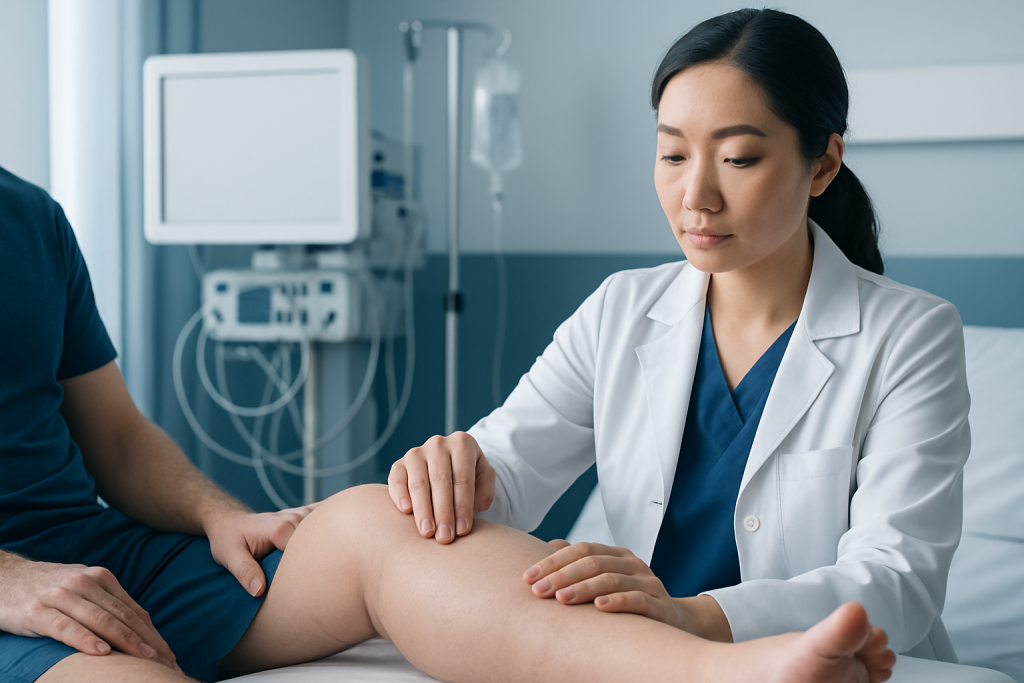
The most recognizable sign is soft, visible swelling that leaves a temporary pit when pressed with a finger. The skin may look stretched or shiny, and shoes, socks, or rings may start to feel tighter than usual. Swelling often gathers in gravity-dependent areas, which is why the feet and ankles are frequently involved.
Depending on the cause, the swelling may be mild and only noticeable at the end of the day, or it may be persistent and more obvious in the morning. Some people also feel heaviness, tightness, or reduced flexibility in the affected area. When fluid buildup is related to an internal medical condition, there may be additional symptoms such as fatigue, breathlessness, reduced urine output, abdominal swelling, or rapid weight gain.
Symptoms that should not be ignored include swelling in only one leg, redness or warmth, pain in the calf, sudden shortness of breath, chest discomfort, or swelling that develops quickly over hours or days. Those features may point to conditions that need prompt medical attention.
Causes & Risk Factors
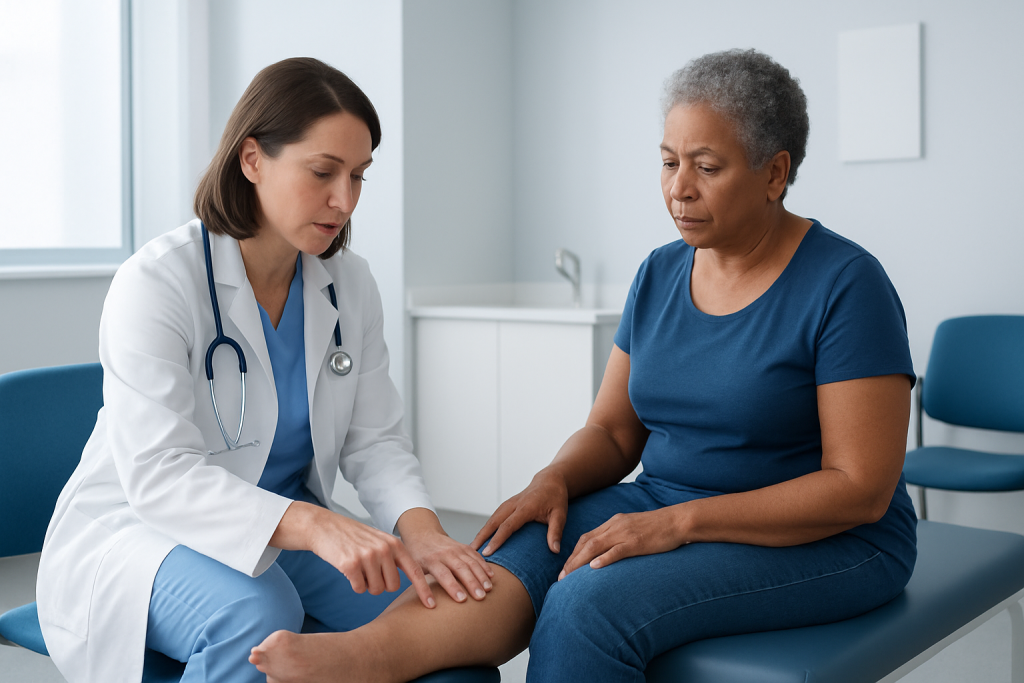
Pitting edema develops when fluid moves out of blood vessels and into surrounding tissues. That shift can happen for several different reasons. Common causes include prolonged sitting or standing, excess salt intake, pregnancy, venous insufficiency, and medication side effects. More serious causes include heart failure, Kidney Disease Treatment" class="ahp-ilk">kidney disease, liver disease, low blood protein levels, blood clots, and lymphatic obstruction.
Vein-related swelling tends to be more noticeable in the lower legs and may worsen by evening. Heart-related swelling may occur with shortness of breath or reduced exercise tolerance. Kidney-related edema may appear with changes in urine or swelling around the eyes. Liver disease can cause abdominal fluid buildup in addition to leg swelling, while lymphatic problems often produce swelling that may become less pitting over time.
Risk is higher in people with a history of heart, kidney, or liver conditions; those taking medicines such as certain blood pressure drugs, steroids, or anti-inflammatory medications; and people who are less mobile because of illness, travel, surgery, or injury. Long flights, long work shifts, and recovery periods after surgery can all make the legs more prone to fluid pooling.
Diagnosis
Doctors usually begin with a careful history and physical examination. They ask when the swelling started, whether it is on one side or both, what makes it better or worse, and whether there are symptoms such as pain, breathlessness, or fatigue. A brief look at the patient’s medicines, recent travel, and past medical conditions often gives important clues.
The exam may include checking the legs, abdomen, heart, lungs, and skin, as well as pressing on the swollen area to assess whether it pits. If needed, testing may include blood work to evaluate kidney, liver, or heart function; urine tests; imaging such as an ultrasound to look for vein problems or a blood clot; or echocardiography when heart disease is suspected.
For people traveling from another country for care, bringing previous test results, medication lists, and any imaging reports can make the evaluation more efficient. This is especially useful when swelling has been present for a while and prior workups have been done elsewhere.
Treatment Options
Treatment is directed at the underlying cause. If swelling is related to an illness such as heart failure, kidney disease, or liver disease, managing that condition is the main step. If a medicine is contributing, a doctor may adjust the dose or suggest an alternative. When a blood clot, infection, or another urgent condition is found, treatment is tailored to that diagnosis.
Supportive measures are often part of care. These may include leg elevation, compression stockings when appropriate, reducing excess salt, regular gentle movement, and avoiding long periods of sitting without breaks. In some cases, diuretic medicines are used to help the body remove extra fluid, but they should only be taken under medical supervision because the right choice depends on the cause and the person’s overall health.
If venous insufficiency or lymphatic disease is involved, specialized therapies such as compression planning, physical therapy, manual lymphatic drainage, or procedures addressing vein problems may be considered. The best treatment plan is usually individualized, especially when a patient is coordinating care between home country follow-up and a specialist visit abroad.
Prevention & Self-care
Not every episode of swelling can be prevented, but everyday habits can reduce fluid buildup and make symptoms easier to manage. Regular walking or ankle movement helps circulation, especially during long trips or desk work. Taking short movement breaks during flights, car rides, or hospital recovery periods can make a meaningful difference.
Some people benefit from elevating the legs above heart level when resting, choosing meals with less sodium, and wearing compression garments if recommended by a clinician. It also helps to review all medicines with a doctor or pharmacist, since prescription and over-the-counter products can contribute to edema. Keeping track of daily weight and swelling patterns may help identify whether fluid retention is changing.
Self-care should be gentle and practical. Tight or painful shoes, overly restrictive socks, and unsupervised use of diuretics should be avoided. If swelling is linked to a chronic condition, long-term management works best when the person understands which symptoms are expected and which ones should trigger a medical review.
When to See a Doctor
Medical evaluation is important if swelling is new, persistent, unexplained, or getting worse. It is also wise to see a doctor if the swelling occurs in only one leg, follows an injury, or is associated with pain, redness, warmth, or fever. Those signs may point to a problem that needs timely treatment.
Seek prompt care for swelling along with shortness of breath, chest pain, confusion, fainting, or a rapid change in general health. These symptoms can suggest heart, lung, or blood-clot related concerns and should not wait for routine follow-up. Swelling around the eyes, marked abdominal distension, or reduced urination also deserves attention.
For patients arranging treatment from abroad, it can be helpful to seek a center that can coordinate diagnostics, specialist review, and follow-up planning clearly. Acibadem Health Point’s multidisciplinary specialists and JCI-accredited hospitals diagnose and treat this condition for international patients, with care organized so the next steps are easier to continue after returning home.
Living With Swelling: Practical Questions to Keep in Mind
When edema lasts more than a short time, people often want to know whether it is safe to travel, work, or exercise. The answer depends on the cause, the severity of swelling, and whether there are other symptoms. In many cases, gentle activity and planned movement breaks are helpful, but a doctor should advise on restrictions if a clot, heart problem, or other active illness is being treated.
It is also reasonable to ask whether the swelling is medication-related, especially if it began after a new prescription or after the dose changed. A medication review can reveal patterns that are easy to miss, such as swelling that comes and goes with certain pain relievers or blood pressure medicines. Clear communication is particularly important when care is split between different health systems.
People do best when they treat swelling as a signal to look deeper, not simply as a cosmetic issue. With the right evaluation, many causes can be managed effectively and comfortably.
Outlook
The outlook for pitting edema depends on why it is happening. Swelling caused by posture, mild venous pooling, or a medication side effect may improve when the trigger is addressed. Swelling linked to chronic heart, kidney, liver, or lymphatic conditions often requires ongoing management, but symptoms can still be reduced and controlled.
What matters most is identifying the cause early and following a plan that fits the person’s medical needs and lifestyle. Even when edema is part of a longer-term condition, careful monitoring and steady treatment can lower discomfort and help preserve day-to-day function.
Anyone noticing a change in the type, location, or severity of swelling should share that update with a qualified doctor. Small changes in symptoms can sometimes provide the biggest clues.
Frequently asked questions
What does pitting edema mean?
Pitting edema means there is extra fluid in the tissues, and a dent remains after the swollen area is pressed. It is a physical sign, not a diagnosis by itself. A doctor looks for the cause behind the swelling.
Is swelling in the ankles always a serious problem?
Not always. Mild ankle swelling can happen after long standing, travel, or high salt intake. However, persistent, one-sided, painful, or rapidly worsening swelling should be checked by a doctor.
Can medicines cause pitting edema?
Yes, some medicines can contribute to fluid retention or swelling. Blood pressure medicines, steroids, anti-inflammatory drugs, and others may play a role. A medication review with a clinician can help identify the cause.
How is pitting edema usually tested?
Doctors start with an exam and questions about symptoms, medicines, travel, and medical history. Depending on the situation, blood tests, urine tests, ultrasound, or heart imaging may be needed. The tests are chosen based on the most likely cause.
Does compression help everyone with swelling?
Compression can be helpful in some cases, especially when vein problems are involved. It is not right for every person, so a doctor should confirm that it is safe and appropriate before use. This is especially important if there is pain, numbness, or concern about circulation problems.
When should someone seek urgent care for swelling?
Urgent care is important if swelling comes with shortness of breath, chest pain, fainting, one-sided leg pain, redness, or warmth. Sudden swelling can sometimes signal a clot or another condition that needs prompt treatment. It is safer not to delay evaluation in those situations.
References
- National Heart, Lung, and Blood Institute
- Mayo Clinic
- Cleveland Clinic
- American Heart Association
- Merck Manual Professional Edition
This article is for general information only and is not a substitute for professional medical advice. Please consult a qualified doctor about your individual situation.
Explore treatments in Turkey — costs, top hospitals & a free quote
JCI-accredited · board-certified surgeons · reply within 24h
Add us as a Preferred Source to see more of our trusted health content across Google Search, AI Overviews and Discover.