Meibomian Gland Dysfunction

Key Takeaways
- Meibomian gland dysfunction happens when the oil glands along the eyelids do not work properly.
- It is a major cause of dry eye symptoms, but some people also notice watery eyes, burning, or blurred vision.
- Daily eyelid care, warm compresses, and doctor-guided treatment can help restore comfort.
- The condition is often chronic, so regular follow-up may be needed even when symptoms improve.
- An eye specialist can confirm the cause of symptoms and rule out other eye conditions.
Meibomian gland dysfunction is a common eyelid condition that can disturb the tear film and lead to dry, irritated, or watery eyes. With timely diagnosis and consistent care, symptoms can often be eased and long-term comfort improved.
Overview
Meibomian gland dysfunction, often shortened to MGD, affects the small oil glands lined along the edges of the eyelids. These glands produce the oily layer of tears, which helps slow tear evaporation and keeps the eye surface comfortable. When the glands are blocked or their oil becomes too thick, the tear film becomes unstable and the eyes may feel irritated or dry.
Although MGD is not usually an emergency, it can gradually affect everyday activities such as reading, screen use, driving, and wearing contact lenses. Some people notice the problem mainly after travel, long computer work, dry climates, or periods of poor sleep. Others first seek help because their eyes water repeatedly, which can happen when the eye surface is irritated and the tear system becomes unbalanced.
For international patients, MGD is often evaluated alongside other dry eye causes, since more than one factor may be involved. A careful eye examination helps determine whether the main issue is gland blockage, inflammation, eyelid margin disease, or another condition that needs different treatment.
Symptoms
Meibomian gland dysfunction can feel different from one person to another. Some people describe a gritty, sandy, or burning sensation, while others mainly notice blurred vision that clears after blinking. Symptoms often fluctuate during the day and may be worse in air-conditioned rooms, windy weather, or after prolonged screen exposure.
Common symptoms may include:
- Dry, irritated, or tired-feeling eyes
- Burning, stinging, or foreign-body sensation
- Watery eyes as a reflex response to irritation
- Blurred or fluctuating vision
- Crusting or stickiness along the eyelid edges
- Discomfort with contact lens wear
Some people also have eyelid redness, sensitivity to light, or frequent eye-rubbing. Because these symptoms can overlap with allergies, blepharitis, conjunctivitis, or other eye disorders, a professional assessment is helpful rather than relying on symptom pattern alone.
Causes & Risk Factors
MGD develops when the meibomian glands do not release oil normally. The openings of the glands may become narrowed or blocked, and the oil inside the glands can thicken. In many cases, inflammation around the eyelid margin contributes to the cycle, making it harder for the glands to function well over time.
Several factors can raise the likelihood of MGD or make symptoms more noticeable. These include increasing age, long hours of digital screen use with reduced blinking, contact lens wear, eyelid inflammation, rosacea, and environments with low humidity or strong air conditioning. Certain medications and skin conditions may also contribute in some individuals.
Risk is not determined by one single cause. A person may have MGD because of a combination of lifestyle, eyelid health, and underlying inflammatory conditions. That is why treatment plans are often individualized, especially for patients traveling from another country who need a clear strategy that can continue after they return home.
Diagnosis
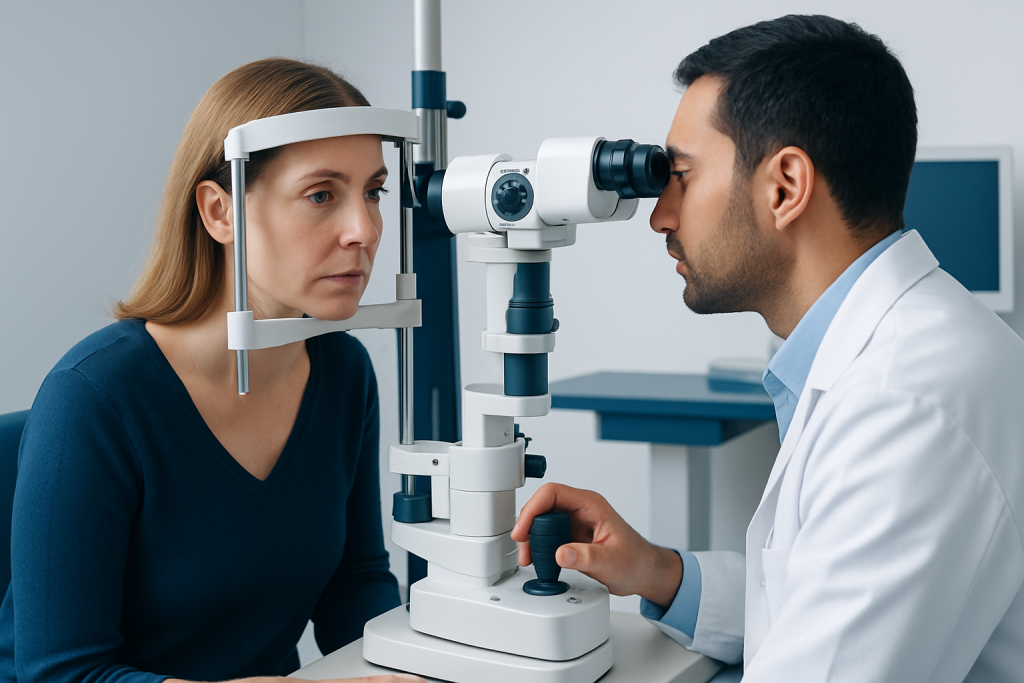
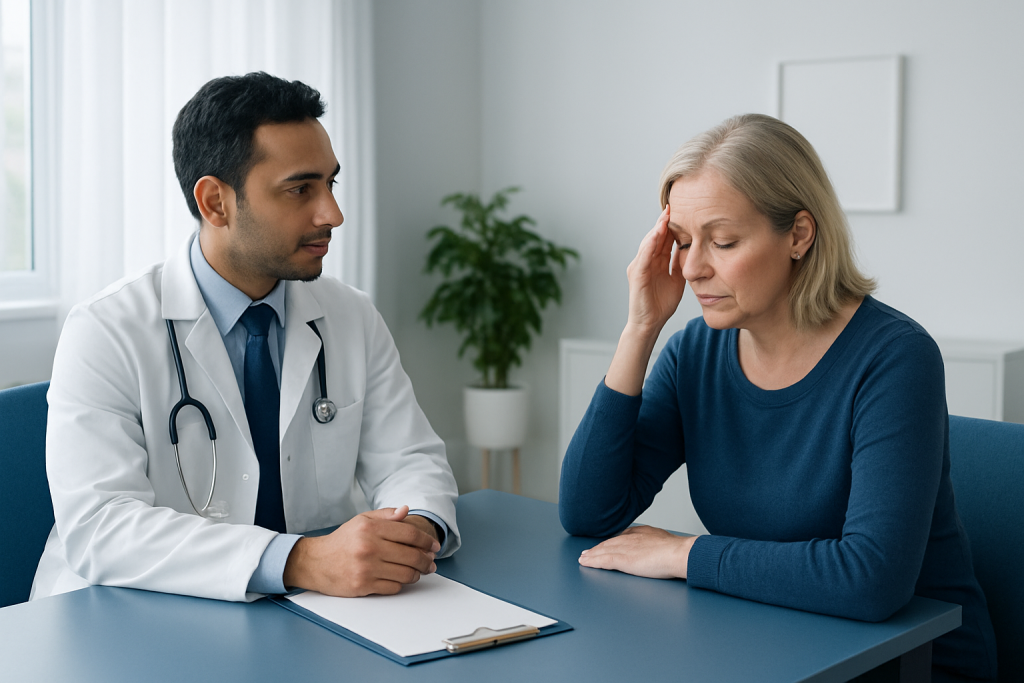
Diagnosis usually begins with a conversation about symptoms, daily habits, contact lens use, skin conditions, and any prior eye treatments. The eye specialist then examines the eyelid margins, tear film, and the surface of the eye. This helps identify whether the glands are blocked, whether inflammation is present, and how much the tear film has been affected.
Tests may include eyelid examination under magnification, assessment of tear stability, and gentle expression of the glands to see whether oil flows normally. In some clinics, additional imaging or tear tests may be used to better understand the extent of gland dysfunction. These steps are generally straightforward and do not require major preparation.
Diagnosis is useful not only for confirming MGD but also for excluding other causes of discomfort, such as allergy, infection, or more significant dry eye disease. For patients seeking care while abroad, a precise diagnosis is especially valuable because it supports a treatment plan that can be explained clearly and followed safely at home.
Treatment Options
Treatment aims to improve the quality and flow of oil from the meibomian glands, reduce eyelid inflammation, and protect the eye surface. There is no single approach that fits every patient. Instead, clinicians may combine home care with office-based therapies depending on how severe the symptoms are and how long the problem has been present.
Common treatment approaches may include warm compresses to soften thickened oil, eyelid hygiene to keep the lid margins clean, and artificial tears to relieve surface dryness. In some cases, a doctor may recommend prescription anti-inflammatory eye drops, oral medication, or procedures designed to unclog the glands and improve their function. Contact lens users may need temporary changes in wear habits while symptoms settle.
Office-based treatment can be especially helpful for people whose glands are significantly blocked or whose symptoms continue despite home care. A specialist may also check for related conditions such as blepharitis or rosacea and treat them at the same time. For international patients, the most practical plan is usually one that combines in-clinic improvement with simple steps that can be continued after travel.
Prevention & Self-care
Many people with MGD benefit from routine self-care, even when they are also receiving treatment. The most helpful daily habit is often consistent eyelid warmth and gentle cleaning, because the glands work better when their oil can flow more easily. Regular blinking during screen time and taking breaks from dry environments can also support tear stability.
Practical self-care measures may include:
- Using warm compresses as advised by an eye specialist
- Cleaning the eyelid margins gently with a suitable lid cleanser
- Taking screen breaks and blinking fully and often
- Protecting the eyes from wind, smoke, and very dry air
- Staying hydrated and managing underlying skin conditions
Preventive care is also about consistency. MGD tends to improve most reliably when the routine is done regularly rather than only during flare-ups. For patients recovering after treatment abroad, having a written home-care plan can make it easier to stay on track once they return to their usual schedule and environment.
When to See a Doctor
An eye doctor should evaluate symptoms that keep returning, interfere with reading or work, or do not improve with basic self-care. Medical attention is also important if the eyes remain red, the vision stays blurred, or contact lenses become uncomfortable to wear. These signs do not always mean something serious is happening, but they do suggest that the eye surface needs proper assessment.
Urgent care is sensible if there is severe pain, marked light sensitivity, a sudden drop in vision, or discharge that suggests infection rather than simple gland dysfunction. MGD itself is usually manageable, but new or rapidly worsening symptoms deserve prompt review so that another condition is not missed.
Patients traveling for treatment may benefit from choosing a center that can provide both diagnosis and a clear follow-up plan. At Acibadem Health Point, multidisciplinary specialists in JCI-accredited hospitals diagnose and treat eye conditions such as MGD for international patients, with attention to continuity of care after travel.
Living With Meibomian Gland Dysfunction
MGD is often a long-term condition, but long-term does not mean uncontrollable. Many people do best when they understand their triggers, follow a simple eye-care routine, and return for review when symptoms change. Small adjustments, such as blinking more during computer work or improving room humidity, can make a noticeable difference over time.
It can also help to think of treatment as maintenance rather than a one-time fix. The glands may need ongoing support, especially in dry climates, during seasonal changes, or after illness. With the right plan, most people can reduce discomfort and protect the eye surface more effectively.
If symptoms persist or the diagnosis is uncertain, a specialist can refine the approach and discuss whether additional therapies are appropriate. This is especially useful for people coordinating care across countries, where clarity about the diagnosis and follow-up steps matters just as much as the first visit.
Frequently asked questions
Is meibomian gland dysfunction the same as dry eye disease?
Not exactly, but the two are closely linked. MGD is a major cause of evaporative dry eye, meaning the tears disappear too quickly because the oily layer is not working well.
Can meibomian gland dysfunction be cured?
Some people improve significantly with treatment, but MGD often behaves like a chronic condition. Ongoing eyelid care and follow-up may be needed to keep symptoms under control.
Why do my eyes water if they are dry?
This can happen when the eye surface is irritated and triggers reflex tearing. Those tears may not have the right balance of oil and water to keep the eye comfortable for long.
Are warm compresses really helpful?
Warm compresses can soften thickened oil and help the glands release it more easily. They work best when used regularly and as part of a broader eyelid-care routine recommended by an eye specialist.
Can contact lenses make MGD worse?
Contact lenses may feel uncomfortable when the tear film is unstable or the eyelids are inflamed. Some people can continue wearing lenses with adjustments, while others need temporary changes during treatment.
Do people need tests for MGD?
Yes, an eye examination is important because several eye conditions can cause similar symptoms. Testing helps confirm MGD and guides the most appropriate treatment plan.
References
- American Academy of Ophthalmology
- National Eye Institute
- Mayo Clinic
- TFOS DEWS II Report
This article is for general information only and is not a substitute for professional medical advice. Please consult a qualified doctor about your individual situation.