Stoma: Care, Types and Complications

Key Takeaways
- A stoma is an opening on the abdomen that allows stool or urine to leave the body into a bag or pouch system.
- Stomas may be temporary or permanent, depending on the reason for surgery and the healing process.
- Good stoma care focuses on skin protection, pouch fit, hydration, and learning normal versus concerning changes.
- Most people can return to daily activities, travel, and work with planning and support from a specialist team.
- Prompt medical review is important if there is severe pain, bleeding, skin breakdown, blockage signs, or a change in stoma color.
Medically reviewed by the Acıbadem clinical team — August 19, 2026
A stoma is a surgically created opening that helps the body pass waste when the usual route is not available or safe. With the right education, supplies, and follow-up, many people adapt well to life with a stoma and continue their routines with confidence.
Overview
A stoma is a carefully created surgical opening on the abdomen that gives the body a new path for waste to leave. It may be needed when part of the digestive or urinary system needs time to heal, or when a disease or injury makes the usual route unsafe or impossible.
For many people, the word sounds unfamiliar at first, but the idea is straightforward: instead of stool or urine passing through the usual channel, it exits through the stoma into a pouch attached to the skin. The pouching system is designed to be discreet, secure, and practical for daily life.
Stomas are made for different reasons and in different ways. Some are temporary and are reversed after healing, while others are permanent. The type of stoma, the underlying condition, and the person’s general health all shape the recovery journey and the long-term care plan.
Types of Stoma
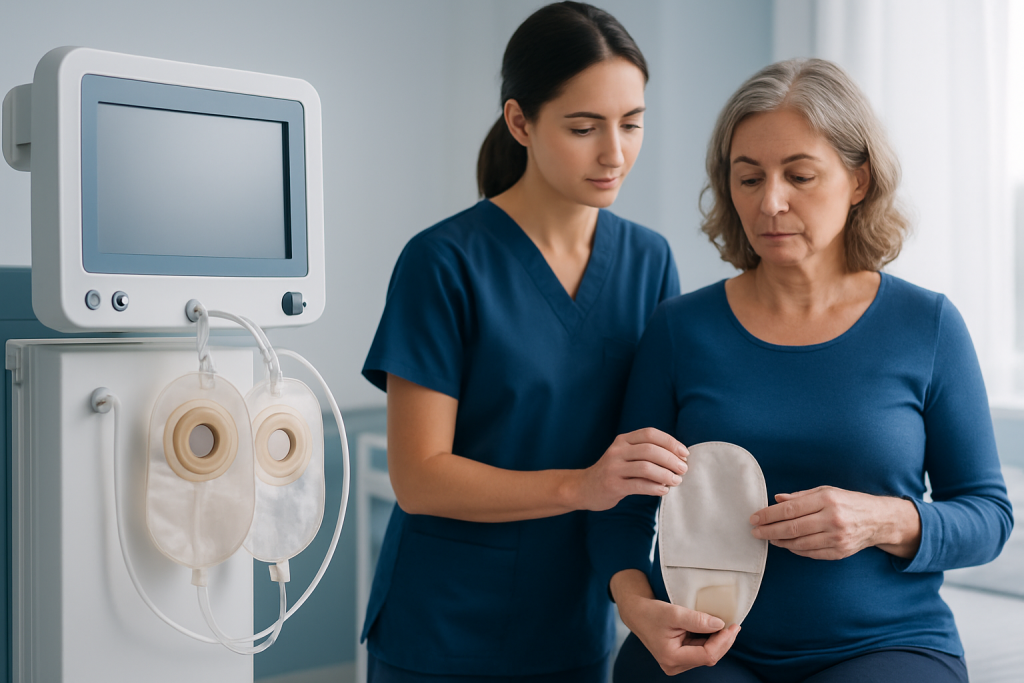
Stomas are usually described by the organ they connect to the outside of the body. In bowel surgery, the most common types are colostomy and ileostomy. In urinary surgery, a urostomy may be created to divert urine away from the bladder.
A colostomy brings part of the large intestine to the abdominal surface. The stool that comes through it is often more formed than in an ileostomy, though this varies with the location of the stoma and the person’s digestion. An ileostomy comes from the small intestine, so the output is usually looser and more frequent.
Some stomas are end stomas, meaning one end of the bowel is brought out to the skin. Others are loop stomas, which are often used when a section of bowel needs temporary rest. The surgical team usually explains the reason for the chosen type before the procedure, and the plan may change depending on what is found during surgery.
Symptoms and Daily Changes After Surgery
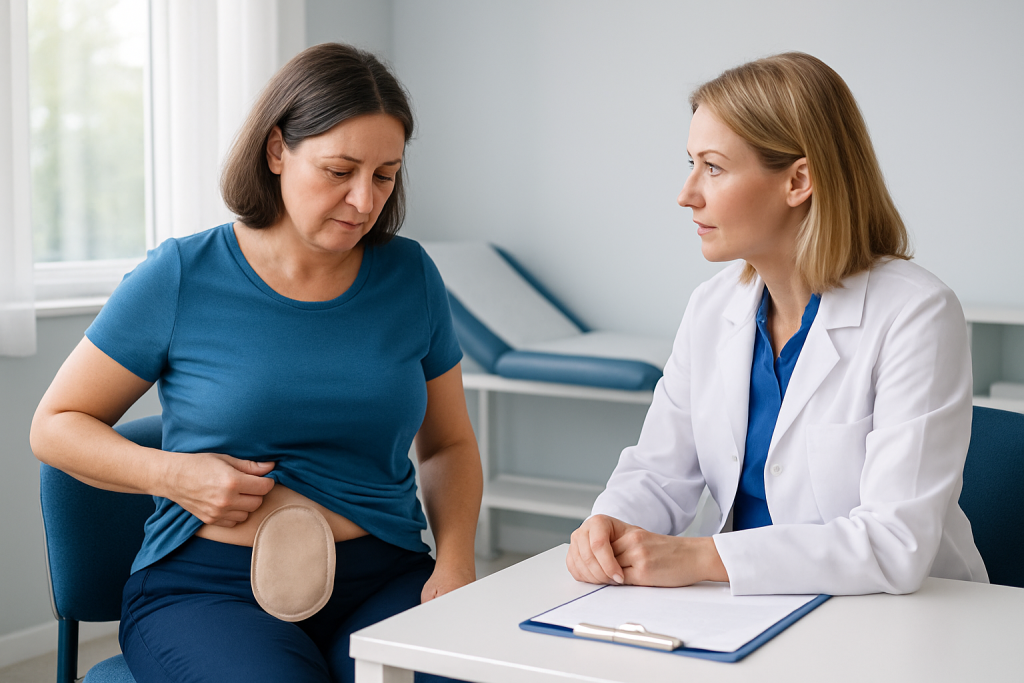
After surgery, the stoma itself should appear moist and pink to red, much like the inside of the mouth. Mild swelling is expected at first, and the area around it may feel sensitive while healing progresses. The pouch may need to be emptied several times a day, especially in the early weeks.
Daily life changes are often practical rather than dramatic. People learn how to check the seal of the pouch, manage odor control products if needed, and notice how different foods affect output. Clothing can usually be adjusted without major restriction, and many people are surprised by how quickly routines become familiar.
It also helps to know which changes are normal and which deserve attention. A small amount of bleeding from the stoma surface can happen if it is rubbed during cleaning, but ongoing bleeding, a darkened color, a new bulge, or persistent leakage around the pouch should be assessed by a healthcare professional.
Causes & Risk Factors
A stoma is not a disease; it is a surgical solution to an underlying problem. Common reasons include bowel cancer, inflammatory bowel disease such as Crohn’s disease or ulcerative colitis, bowel obstruction, trauma, congenital conditions, or complicated infections that require the intestine to rest or be diverted.
In urinary care, a stoma may be needed after bladder removal, severe bladder dysfunction, injury, or certain cancers. The choice depends on whether the goal is to bypass a damaged organ, protect a healing area, or permanently replace a function that can no longer be carried out safely.
Factors that influence recovery and adaptation include age, general fitness, nutritional status, smoking, diabetes, the reason for surgery, and whether the operation was planned or performed urgently. Emotional adjustment is also important; learning a new body routine can take time, and reassurance from a specialist nurse or surgeon often makes the process easier.
Diagnosis and Preoperative Planning
Before a stoma is created, doctors usually review the person’s symptoms, imaging, blood tests, and the exact condition that is being treated. The final decision may involve a surgeon, gastroenterologist, oncologist, or urologist, depending on the problem.
Preoperative planning often includes marking the best place on the abdomen for the stoma. This step matters because the position affects comfort, pouch fit, visibility, and ease of care. The team considers body shape, scars, folds, clothing habits, and the person’s ability to reach the area for cleaning and pouch changes.
For international patients, this planning can be especially helpful because it sets expectations before travel, surgery, and discharge. A clear plan for supplies, follow-up visits, and remote communication after returning home can reduce stress and support a smoother recovery.
Treatment Options and Stoma Care
Once a stoma is created, treatment focuses on healing, education, and day-to-day management. The pouching system is selected to fit the stoma size and shape, protect the skin, and contain output comfortably. Many people need adjustments over time as swelling decreases and the body changes after surgery.
Skin care is a central part of stoma treatment. The skin around the opening should remain intact and dry between appliance changes. Leakage can irritate the skin, so careful fitting, gentle cleaning with water, and appropriate barrier products are often recommended by the stoma nurse.
Additional support may include dietary guidance, hydration advice, and teaching on how to recognize blockages, dehydration, or signs of infection. In some cases, medicines or further procedures are needed to treat the original condition or to reverse a temporary stoma once healing is complete.
- Empty the pouch before it becomes too full to reduce pulling on the skin.
- Measure the stoma regularly, especially soon after surgery, because its size can change.
- Use supplies exactly as instructed by the specialist team.
- Keep follow-up appointments so the fit and skin condition can be reviewed.
Prevention & Self-care
A stoma itself cannot always be prevented, because it is often part of treatment for a serious condition. What can be supported is recovery, confidence, and avoidance of preventable complications. Good preparation and education before surgery make a meaningful difference afterward.
Self-care usually centers on simple habits: learning how to change the pouch, checking the skin each day, staying hydrated, and noticing how foods affect output. People with an ileostomy in particular may need to pay close attention to fluid and salt intake, especially during warm weather, travel, or periods of higher output.
Emotional self-care matters as well. It can help to plan for sleep, movement, and dressing in stages rather than expecting everything to feel normal at once. Support from family, a stoma nurse, and peer communities can make the adjustment less isolating, particularly during the first months after surgery or while recovering away from home.
When to See a Doctor
Medical advice should be sought promptly if the stoma turns pale, bluish, purple, or black; if there is severe abdominal pain; or if the pouch suddenly stops filling and the person develops cramping, vomiting, or swelling. These symptoms may point to reduced blood flow, blockage, or another complication that should not wait.
Other reasons to contact the doctor include persistent bleeding, fever, increasing redness or warmth around the stoma, worsening skin irritation, a bulge that may suggest a hernia, or a stoma that seems to sink in or protrude much more than before. Leakage that does not improve with appliance adjustments also deserves review.
People traveling for surgery or follow-up should have clear contact details for their care team before leaving the hospital. Acibadem Health Point’s multidisciplinary specialists and JCI-accredited hospitals diagnose and treat stoma-related conditions for international patients, with coordinated support that continues after discharge. The goal is steady, practical care that helps each person manage recovery with confidence.
Living With a Stoma Long Term
Many people return to work, exercise, social activities, and travel once they have settled into a routine. The early phase is often the hardest, not because the stoma is unmanageable, but because there is a learning curve. With time, most people become more efficient at planning supplies, meals, and pouch changes around their day.
Long-term living also includes periodic review. The stoma may need refitting after weight changes, surgery, or changes in activity level. A person who develops new digestive symptoms, urinary issues, or skin problems should not assume they are simply part of life with a stoma; many concerns can be improved with assessment and practical adjustments.
Supportive follow-up is especially valuable for people who received care abroad. Written instructions, supply lists, and a clear plan for who to contact after returning home can make the transition more secure and help the person stay independent in the months ahead.
Frequently asked questions
What exactly is a stoma?
A stoma is a surgically created opening on the abdomen that allows stool or urine to leave the body. It is used when the usual route needs to be bypassed temporarily or permanently. The opening connects to a pouch system worn on the skin.
Is a stoma always permanent?
No, some stomas are temporary and are reversed later after healing or further treatment. Others are permanent when the original organ cannot safely be used again. The surgical team usually explains which situation applies before or after the operation.
Can a person bathe or shower with a stoma?
Yes, most people can bathe or shower with the pouch on or off, depending on the type of system and their comfort. Gentle cleaning with water is usually enough for the skin around the stoma. The care team can show the safest method for the specific appliance being used.
What should the stoma look like?
A healthy stoma is usually pink to red and moist, similar to the inside of the mouth. Mild swelling is common soon after surgery. A change to pale, dark, or bluish-black coloration should be reported promptly.
Can people eat normally after getting a stoma?
Many people gradually return to a broad diet, but food tolerance varies. Some foods may cause gas, blockages, or looser output, especially in the early recovery period. A specialist can help guide diet changes based on the type of stoma and the person’s symptoms.
What is the most important part of stoma care?
Protecting the skin and maintaining a good pouch fit are two of the most important parts. Leakage can cause irritation, so regular checks and timely appliance changes matter. Ongoing follow-up helps catch small problems before they become harder to manage.
References
- National Institute of Diabetes and Digestive and Kidney Diseases
- NHS
- United Ostomy Associations of America
- American Cancer Society
- World Health Organization
This article is for general information only and is not a substitute for professional medical advice. Please consult a qualified doctor about your individual situation.
Persistent digestive symptoms? Get evaluated in Turkey
JCI-accredited · board-certified surgeons · reply within 24h
Add us as a Preferred Source to see more of our trusted health content across Google Search, AI Overviews and Discover.