Sphygmomanometer: Uses and How It Works

Key Takeaways
- A sphygmomanometer measures blood pressure, usually with an upper arm cuff and a display or gauge.
- Correct cuff size and proper technique are essential for accurate readings.
- Manual and automatic devices each have strengths, but both depend on proper use and regular calibration or replacement.
- Blood pressure trends matter more than a single reading, especially when monitoring hypertension or treatment response.
- Patients should seek medical advice if readings are repeatedly high, unusually low, or accompanied by symptoms such as chest pain, fainting, or severe headache.
Medically reviewed by the Acıbadem clinical team — August 19, 2026
A sphygmomanometer is the device used to measure blood pressure, an important part of cardiovascular health checks. Understanding the different types and how readings are taken can help patients use the results more confidently at home or in a clinic.
Overview
A sphygmomanometer is the medical device used to measure blood pressure, one of the body’s most important vital signs. The reading shows how hard blood pushes against the artery walls as the heart beats and rests. In everyday care, it helps clinicians detect high blood pressure, low blood pressure, and changes that may need follow-up.
For many patients, the device appears during a routine clinic visit, a pre-operative check, or a home-monitoring plan for long-term conditions such as hypertension. Although the name sounds technical, the purpose is simple: to give a clear snapshot of circulation at that moment. The result is usually recorded as two numbers, such as systolic over diastolic pressure.
Because blood pressure can change with stress, activity, caffeine, pain, and even talking during the measurement, the device is only as useful as the technique behind it. That is why careful positioning, the right cuff size, and repeat checks are so important. When readings are interpreted in context, the sphygmomanometer becomes a practical tool for prevention and ongoing care.
Types of sphygmomanometers
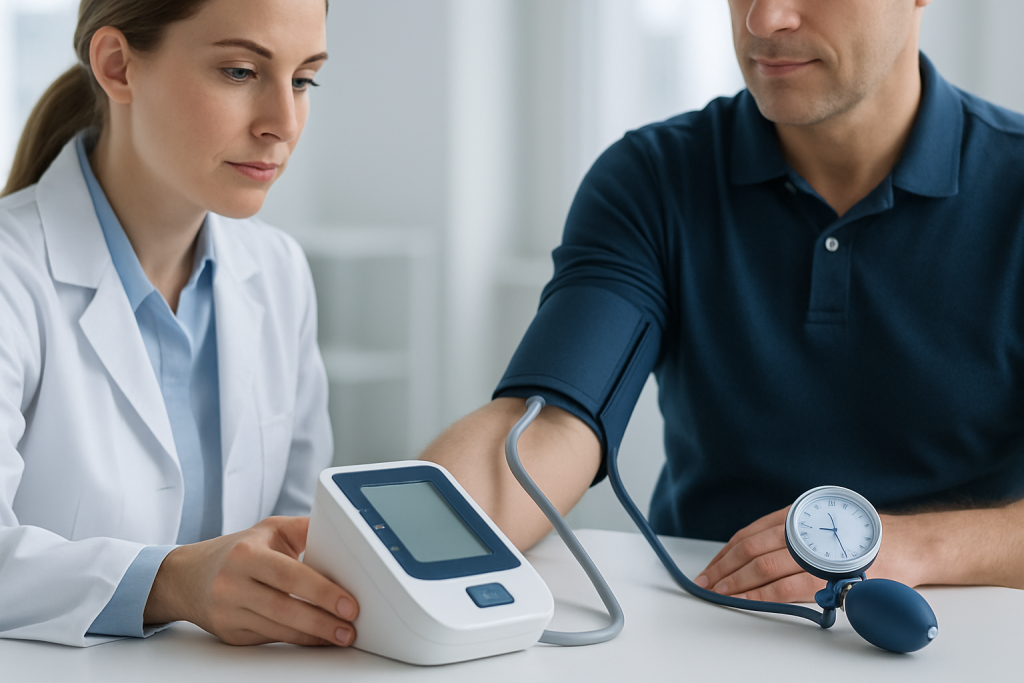
There are several kinds of sphygmomanometers, and each is suited to different settings. Manual devices typically use an inflatable cuff, a gauge, and a stethoscope. Automated devices inflate electronically and display the result on a screen, which makes them easier for many patients to use at home.
Manual devices may still be preferred in some clinical environments because trained professionals can confirm readings carefully and notice irregular heartbeat patterns or other details during the exam. Automated upper-arm monitors are common for home tracking, while wrist devices are sometimes used when an upper-arm cuff is not practical. However, wrist monitors are more sensitive to position and may be less reliable if not used exactly as directed.
Common types include:
- Mercury sphygmomanometers, now less common because of safety and environmental concerns
- Aneroid sphygmomanometers, which use a dial gauge and require calibration
- Digital or oscillometric monitors, which provide readings electronically
Choosing a device often depends on the patient’s needs, arm size, physical ability, and the setting in which monitoring will happen. For international patients traveling for care, the treating team may recommend a device that can be used consistently before departure and after return home.
How the device works

A sphygmomanometer works by temporarily compressing the artery in the upper arm with an inflatable cuff. As the cuff deflates, blood begins to flow again. The point at which flow returns corresponds to the systolic pressure, while the lower number reflects the pressure in the arteries when the heart relaxes between beats.
In a manual reading, a clinician listens over the artery with a stethoscope and notes the sounds that appear as the cuff pressure falls. In a digital device, sensors detect pressure changes caused by blood flow and calculate the numbers automatically. Both methods are designed to estimate the same basic information, but they do so in different ways.
The cuff must be placed on the upper arm at heart level whenever possible, and it should fit snugly without being too tight or too loose. A cuff that is too small can give falsely high readings, while one that is too large may underestimate blood pressure. This is one reason why blood pressure devices are not interchangeable in a casual sense; the right match matters.
Symptoms and why blood pressure measurement matters
High blood pressure often causes no symptoms at all, which is why it is sometimes called a silent condition. Many patients first learn about it during a routine check with a sphygmomanometer. Low blood pressure may also be discovered unexpectedly, especially when a patient feels dizzy, weak, or lightheaded.
Even when a person feels well, repeated blood pressure monitoring can reveal patterns that are clinically useful. A series of home readings may help a doctor understand whether elevated numbers are persistent, stress-related, or affected by travel, sleep disruption, or medication timing. This is especially valuable for patients who split care between countries and need a clear record to share with new clinicians.
Possible signs that may accompany abnormal blood pressure include:
- Headache or blurred vision
- Chest discomfort
- Shortness of breath
- Dizziness or fainting
- Confusion or unusual fatigue
These symptoms are not specific to blood pressure alone, but they deserve medical attention when they appear with abnormal readings. A sphygmomanometer helps provide objective information so symptoms can be interpreted more accurately.
Causes and risk factors for abnormal readings
Blood pressure changes for many reasons, and not all of them reflect long-term disease. Temporary rises may occur after exercise, during anxiety, from pain, or after consuming caffeine or nicotine. A low reading may appear after dehydration, illness, prolonged standing, or some medicines.
Persistent high blood pressure is more likely to be linked with risk factors such as older age, family history, excess body weight, high salt intake, lack of physical activity, kidney disease, sleep apnea, and certain chronic health conditions. Some medications can also affect blood pressure, which is why patients should keep an updated list for every doctor they see.
When the cause is not obvious, repeated measurements over time often help separate a one-time fluctuation from a true pattern. That pattern-based approach is particularly useful for patients arranging care from abroad, because it reduces the chance of acting on a single isolated reading. A clinician may ask for several values taken under the same conditions before deciding on next steps.
Diagnosis and interpretation of readings
Blood pressure measurement is usually part of a broader assessment rather than a stand-alone diagnosis. A clinician may confirm an elevated reading by repeating it during the visit, checking the other arm, or asking the patient to monitor blood pressure at home for several days. In some cases, ambulatory monitoring over 24 hours is used to understand how pressure changes during normal daily life and sleep.
Reading interpretation depends on the patient’s overall health, age, symptoms, and any known cardiovascular or kidney conditions. A single number should not be treated as the whole story. Clinicians look for patterns, consistency, and whether the readings match what the patient is feeling.
For accurate tracking, patients are usually advised to sit quietly, rest before measuring, avoid talking, and record the time and circumstances of each reading. It can also help to use the same arm, the same device, and similar conditions each time. This consistency makes the results easier to compare and share with a care team.
Treatment options and the role of monitoring
The sphygmomanometer itself is not a treatment, but it guides treatment decisions. If readings suggest hypertension or hypotension, a doctor may recommend lifestyle changes, review medications, or order more tests to find the reason for the abnormal values. In some situations, treatment is adjusted after a combination of clinic readings and home logs.
For high blood pressure, care may include changes in salt intake, regular physical activity, weight management, sleep improvement, and medication when appropriate. For low blood pressure, treatment depends on the cause and may involve better hydration, review of medications, or addressing an underlying illness. The right plan is always individualized.
Patients recovering after surgery, managing chronic disease, or traveling for treatment may be asked to bring a blood pressure log to follow-up visits. This helps the team see how the body is responding outside the hospital setting. When the care journey spans multiple countries, a clear record can make handoffs between doctors much smoother.
Prevention, self-care, and buying the right home device
Good blood pressure care often begins with reliable home monitoring. A validated upper-arm digital monitor is commonly recommended for home use, especially when a patient needs regular checks for hypertension or medication adjustment. The cuff should match the arm circumference, and the device should be used according to the manufacturer’s instructions.
Simple habits improve the quality of readings: rest for a few minutes before measuring, keep feet flat on the floor, support the arm, and avoid exercise, smoking, and caffeine right beforehand if possible. Patients should also bring their monitor to a clinic periodically so a nurse or doctor can compare it with office equipment and confirm that it remains accurate.
Helpful self-care steps include:
- Measure at the same time each day when tracking trends
- Record readings in a notebook or app
- Keep the device in a stable, dry place
- Replace batteries or device parts as recommended
- Ask a clinician how often the monitor should be checked or calibrated
A thoughtful home-monitoring routine can reduce uncertainty and support early action when values begin to drift. For international patients, this routine also creates a practical bridge between care abroad and care at home.
When to see a doctor
Medical advice is recommended if blood pressure readings are repeatedly higher or lower than expected, especially when they do not match how the patient feels. A doctor should also be contacted if home readings seem inconsistent, if the cuff no longer fits properly, or if the device appears damaged or unreliable. Rechecking technique is often the first step before assuming the numbers are accurate.
Urgent assessment is appropriate if abnormal blood pressure occurs with chest pain, severe shortness of breath, fainting, severe headache, weakness on one side of the body, confusion, or vision changes. These symptoms may indicate a more serious condition and should not wait for a routine appointment.
Patients who are considering evaluation or treatment abroad may benefit from a coordinated review of their blood pressure history before travel. Acibadem Health Point’s multidisciplinary specialists and JCI-accredited hospitals diagnose and treat blood pressure-related conditions for international patients, with follow-up planning designed to support continuity of care.
Frequently asked questions
What is a sphygmomanometer used for?
It is used to measure blood pressure. The reading helps clinicians and patients assess circulation and screen for conditions such as hypertension or hypotension. It is one of the most common tools in routine medical care.
Which type is best for home use?
For many people, a validated upper-arm digital monitor is the easiest and most practical choice at home. It is important that the cuff fits properly and that the device is used exactly as directed. A clinician can help confirm the best option for the patient’s arm size and needs.
Why do my blood pressure readings change from one day to the next?
Blood pressure naturally varies with stress, sleep, activity, pain, hydration, and meals. That is why doctors often look at trends rather than a single result. Repeated readings taken under similar conditions are more useful than one isolated number.
Can a wrist blood pressure monitor be accurate?
It can be accurate in some situations, but it is more sensitive to arm and wrist position than an upper-arm device. If a wrist monitor is used, the patient should follow instructions carefully and compare it with clinic readings when possible. A doctor or nurse can advise whether it is suitable.
How often should a home blood pressure device be checked?
There is no universal schedule, but it is sensible to compare the device with a clinic reading periodically and whenever the numbers seem inconsistent. A clinician may also recommend replacement if the monitor is old, damaged, or no longer reliable. Keeping the device in good condition helps support accurate monitoring.
What should someone do if a reading is very high?
The reading should be repeated after a few minutes of quiet rest to make sure it was not affected by movement or anxiety. If it remains very high, the patient should contact a doctor for advice, especially if there are symptoms such as chest pain, severe headache, or shortness of breath. Sudden severe symptoms need urgent assessment.
References
- American Heart Association
- World Health Organization
- National Health Service
- Mayo Clinic
- Centers for Disease Control and Prevention
This article is for general information only and is not a substitute for professional medical advice. Please consult a qualified doctor about your individual situation.
Explore treatments in Turkey — costs, top hospitals & a free quote
JCI-accredited · board-certified surgeons · reply within 24h
Add us as a Preferred Source to see more of our trusted health content across Google Search, AI Overviews and Discover.