Solar Plexus: Anatomy and Pain Causes

Key Takeaways
- The solar plexus is a nerve network, not a single organ.
- Pain in this area can be related to digestion, muscle strain, nerve irritation, or injury.
- Evaluation focuses on symptoms, physical examination, and sometimes imaging or other tests.
- Most causes are treatable, but sudden, severe, or persistent pain should be checked by a doctor.
- Self-care may help mild discomfort, but new or worsening symptoms deserve medical attention.
Medically reviewed by the Acıbadem clinical team — August 19, 2026
The solar plexus is a network of nerves in the upper abdomen that helps coordinate signals to organs in the chest and belly. Discomfort in this area is often described as solar plexus pain, but the cause may come from the stomach, muscles, nerves, or other nearby structures.
Overview
The solar plexus sits deep in the upper abdomen, behind the stomach and in front of the aorta. It is also called the celiac plexus, and it acts as an important relay point for nerves that help regulate digestion and other automatic body functions.
People often use the term solar plexus to describe a sensitive spot in the middle of the upper abdomen, especially after a blow, stress, or cramp-like discomfort. In medical practice, however, pain in this region is usually evaluated as upper abdominal or epigastric pain, because many different structures can cause it.
Understanding the area matters because not every feeling there comes from the nerves themselves. The stomach, pancreas, gallbladder, diaphragm, abdominal muscles, and even the heart can sometimes produce pain that seems to originate near the solar plexus.
Symptoms
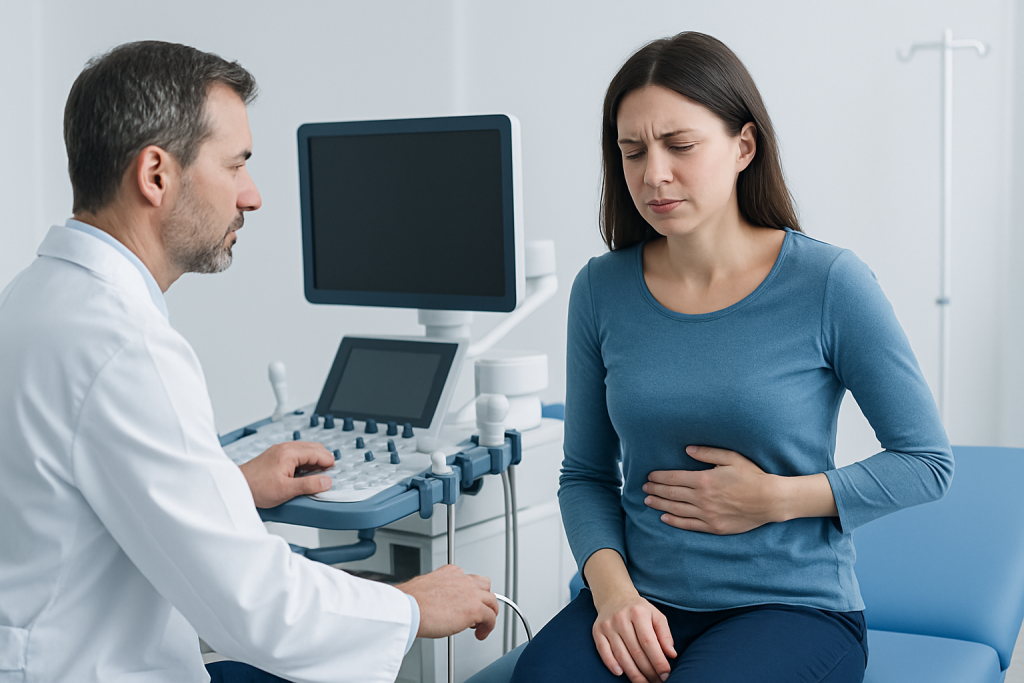
Discomfort around the solar plexus may feel sharp, dull, burning, tight, or cramping. Some people describe a sudden “wind knocked out” sensation after a direct impact, while others notice a more gradual ache linked to meals, movement, or stress.
Depending on the cause, symptoms may appear alone or with other clues such as nausea, bloating, heartburn, shortness of breath, back pain, or tenderness when pressing on the upper abdomen. Pain that travels into the chest, shoulder, or back may suggest a condition that needs closer medical review.
- Burning or gnawing pain after eating
- Pain that worsens with deep breathing or bending
- Fullness, indigestion, or vomiting
- Tenderness after a sports injury or fall
- Anxiety-like sensations such as a “fluttering” or tight feeling
If the area is very painful after trauma, or if symptoms come with fainting, vomiting blood, black stools, or chest pressure, medical assessment should not be delayed.
Causes & Risk Factors

The solar plexus is a nerve bundle, so one possible cause of pain is direct trauma. A sports collision, seatbelt injury, or a forceful blow to the upper abdomen can temporarily interrupt breathing and cause intense but usually short-lived discomfort.
Other causes are more common than true nerve injury. Acid reflux, gastritis, peptic ulcer disease, gallbladder problems, pancreatitis, muscle strain, rib irritation, and functional digestive disorders can all create pain that seems centered in the solar plexus area.
Risk factors vary with the cause and may include heavy meals, alcohol use, NSAID use, known ulcer disease, gallstones, repeated abdominal strain, recent injury, or chronic stress. In some cases, nerve-related pain can occur after surgery, inflammation, or pressure from nearby structures.
Because many organs share this region, the same symptom can have very different explanations. That is why self-diagnosis is unreliable, especially when pain is persistent, recurrent, or clearly different from a person’s usual indigestion.
Diagnosis
Doctors usually begin with a careful history of the pain: when it started, what it feels like, what makes it better or worse, and whether there are related digestive, breathing, or chest symptoms. They also examine the abdomen, chest, and sometimes the back to look for tenderness, guarding, or signs of injury.
Depending on the findings, the evaluation may include blood tests, urine tests, ultrasound, CT scan, endoscopy, or other studies. If the symptoms suggest a heart or lung issue, additional tests may be needed, since upper abdominal discomfort can occasionally overlap with chest-related conditions.
The goal is not only to label the pain, but to identify the source and rule out urgent problems. For international patients, this often means a stepwise work-up that balances clarity with efficiency, so the doctor can make a practical plan without unnecessary testing.
Treatment Options
Treatment depends entirely on the cause. A bruise or muscle strain may improve with rest, gentle movement, and time, while reflux or gastritis may be managed with diet changes and doctor-recommended medicine. More specific conditions, such as ulcers, gallstones, pancreatitis, or infections, require targeted care.
When pain is nerve-related, doctors may focus on reducing nerve irritation and treating the underlying trigger. In some cases, pain specialists or gastroenterologists may be involved, especially if symptoms are ongoing or have not responded to initial treatment.
Possible treatment approaches may include:
- Temporary rest and activity modification after injury
- Medication for acid-related or inflammatory digestive conditions
- Hydration and nutrition support when nausea limits intake
- Physical therapy or rehabilitation for muscle-related pain
- Further treatment for the underlying disease when one is found
Because the best treatment depends on the cause, it is important not to rely on generic Sciatica Pain Relief: Treatments and Self-Care" class="ahp-ilk">pain relief alone if symptoms are recurrent or severe.
Prevention & Self-care
Not every episode can be prevented, but some upper abdominal discomfort is easier to reduce when triggers are recognized early. Eating smaller meals, limiting personal trigger foods, avoiding excess alcohol, and using anti-inflammatory medicines only as advised can help some people with recurring indigestion-type pain.
If the area is sore after exercise or a minor strain, short-term rest, careful return to activity, and attention to posture may help. People who play contact sports may also benefit from protective gear and proper technique to reduce direct blows to the abdomen.
Simple self-care can be useful for mild symptoms, but it should stay within safe limits. It is better to monitor the pattern of pain and seek medical advice if discomfort keeps returning, interferes with eating or sleep, or begins to feel different from ordinary stomach upset.
When to See a Doctor
A doctor should evaluate solar plexus pain if it is severe, lasts more than a short time, keeps coming back, or appears without a clear reason. Pain that follows injury, especially if breathing feels difficult or the abdomen becomes very tender, should also be checked.
Prompt medical attention is important if the pain comes with fever, repeated vomiting, black or bloody stools, chest pressure, fainting, shortness of breath, yellowing of the skin or eyes, or significant weakness. These symptoms can signal a condition that needs urgent care.
For patients traveling from another country, it can be helpful to bring previous test results, a medication list, and a short symptom timeline. That information allows the medical team to move more efficiently toward the right diagnosis and treatment plan. At Acibadem Health Point, multidisciplinary specialists and JCI-accredited hospitals diagnose and treat conditions affecting the solar plexus region for international patients with coordinated, patient-centered care.
Frequently asked questions
Is the solar plexus a real organ?
No. The solar plexus is a network of nerves, not an organ. It helps transmit signals between the brain, the digestive system, and other internal organs.
Why does the solar plexus area hurt after a hit to the stomach?
A direct blow can irritate the nerve network and also compress the diaphragm or abdominal muscles, causing a sudden “wind knocked out” feeling. If pain is severe or does not improve, a doctor should evaluate for injury inside the abdomen or chest.
Can stress cause pain in the solar plexus?
Stress can sometimes make upper abdominal discomfort feel stronger, especially when it affects breathing, muscle tension, or digestion. Ongoing or intense pain should still be checked, because stress is not the only possible cause.
Is solar plexus pain the same as stomach pain?
Not always. People often feel pain in that area when the stomach is involved, but problems with the gallbladder, pancreas, muscles, or other structures can feel similar.
What tests might a doctor order for pain in this area?
The choice depends on the symptoms, but doctors may use blood tests, ultrasound, CT, or endoscopy. If the pain seems related to the heart or lungs, additional tests may be needed.
Can mild solar plexus pain be treated at home?
Minor discomfort after a small strain or brief indigestion may improve with rest and simple self-care. If the pain is recurring, worsening, or accompanied by other symptoms, medical advice is the safer next step.
References
- Merck Manual Professional Edition
- Cleveland Clinic
- Mayo Clinic
- National Institute of Diabetes and Digestive and Kidney Diseases
- Johns Hopkins Medicine
This article is for general information only and is not a substitute for professional medical advice. Please consult a qualified doctor about your individual situation.
Persistent digestive symptoms? Get evaluated in Turkey
JCI-accredited · board-certified surgeons · reply within 24h
Add us as a Preferred Source to see more of our trusted health content across Google Search, AI Overviews and Discover.