

Sitz Bath: Uses, Benefits and How To Do It

Key Takeaways
- A sitz bath is a shallow warm-water soak for the pelvis and perineal area.
- It may ease discomfort from hemorrhoids, childbirth recovery, minor irritation, or some anorectal conditions.
- A sitz bath can soothe symptoms, but it does not replace diagnosis or treatment when there is bleeding, fever, or severe pain.
- Clean equipment, comfortable water temperature, and short sessions help make the practice safer and more effective.
- Anyone with persistent or unusual symptoms should speak with a qualified doctor before relying on home care.
Medically reviewed by the Acıbadem clinical team — August 19, 2026
A sitz bath is a simple, shallow soak that can help soothe irritation in the anal, genital, or perineal area. It is often used for hemorrhoids, postpartum discomfort, and minor skin irritation, but it works best as part of broader care advised by a clinician.
Overview
A sitz bath is a simple way to bathe just the lower part of the body, usually the hips, buttocks, and genital or anal area. The word comes from the German sitzen, meaning “to sit,” which describes the basic idea well: a person sits in a shallow pool of water for a short period of time.
It is often recommended for people dealing with hemorrhoids, anal fissures, irritation after bowel movements, postpartum soreness, or recovery after some procedures in the pelvic area. The goal is not to cure the underlying problem, but to make the area feel calmer, cleaner, and less irritated while healing takes place.
For Myomectomy Recovery for International Patients: The Usual Travel Timeline" class="ahp-ilk">international patients, a sitz bath may be part of the instructions given after travel-friendly outpatient procedures or after childbirth, when comfort and hygiene need to be maintained away from home. Because it is simple and inexpensive, it can be a practical supportive measure, provided the person has been told it is appropriate for their situation.
Symptoms and Situations It May Help
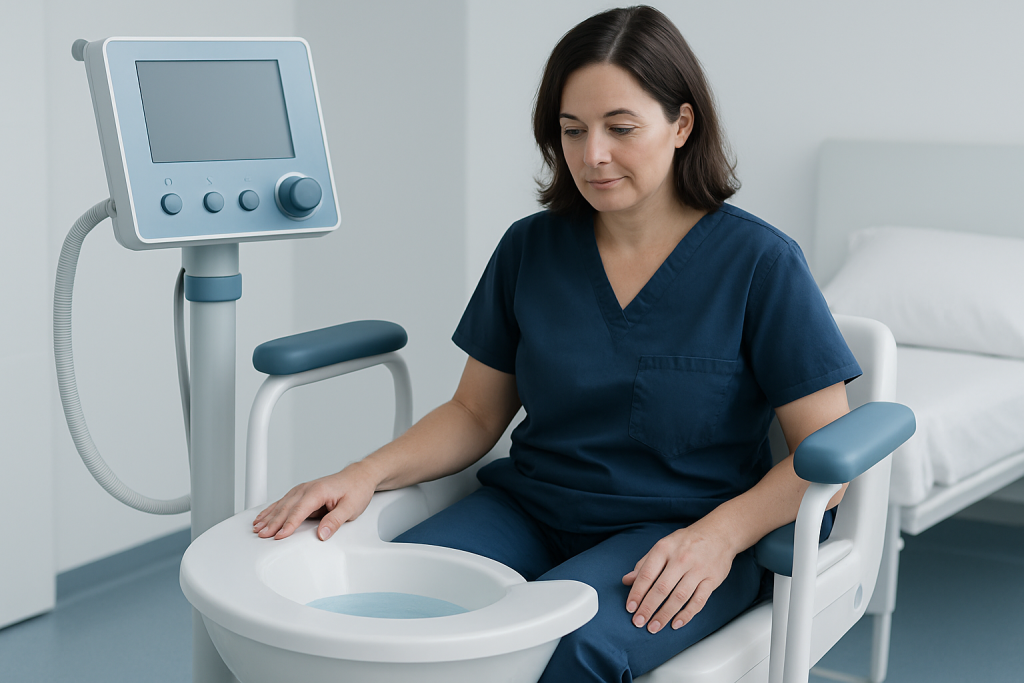
A sitz bath is commonly used when the skin or tissue around the anus, vulva, vagina, or perineum feels sore, swollen, itchy, or raw. Warm water can temporarily relax muscles, reduce the feeling of tension, and make cleansing gentler than rubbing with toilet paper or soap.
People often use it for:
- Hemorrhoid discomfort
- Anal fissure pain or burning
- Postpartum perineal soreness
- Minor irritation from wiping, sweating, or friction
- Healing after selected anorectal or gynecologic procedures, if advised by a doctor
It is important to remember that relief from a sitz bath should feel soothing, not painful. If symptoms become sharper, the area looks increasingly swollen, or the water causes stinging, the underlying issue may need medical attention rather than more home treatment.
Causes & Risk Factors

Sitz baths are used because several common conditions can leave the pelvic and anal area inflamed or sensitive. Hemorrhoids may swell after constipation, straining, pregnancy, or prolonged sitting. Small tears in the anal lining, called fissures, may appear after hard stools or repeated irritation.
After childbirth, the perineal area can feel tender because of stretching, tearing, or an episiotomy repair. Some people also need gentle cleansing after surgery, when regular bathing is uncomfortable or when the surgeon recommends avoiding direct scrubbing. In these cases, warm water can support comfort and hygiene while tissues recover.
Not every itch or pain is suitable for a sitz bath alone. Rashes, infections, abscesses, inflammatory bowel disease, skin disorders, or bleeding that does not fit the usual pattern may need a doctor’s examination. The more persistent or one-sided the symptoms are, the more important it is to look beyond home care.
Diagnosis
A sitz bath itself does not diagnose a condition; it is a care method used after symptoms have been assessed. A clinician may ask about pain, bleeding, bowel habits, childbirth history, surgery, or urinary and skin symptoms to understand what is causing the discomfort.
Depending on the concern, the examination may include a visual inspection, a gentle rectal exam, or a gynecologic assessment. In some cases, the doctor may also recommend tests if there is bleeding, recurrent pain, discharge, fever, or suspicion of infection or another underlying illness.
For patients receiving care from another country, clear diagnosis matters before travel or soon after arrival, because instructions for home care can vary depending on the exact problem. A supportive measure like a sitz bath is most useful when it fits a specific diagnosis and recovery plan.
Treatment Options
A sitz bath is usually one part of treatment rather than the whole answer. When it is appropriate, it can be combined with other measures such as stool-softening advice, topical treatments recommended by a clinician, careful hygiene, rest, or procedure-specific aftercare.
There are two common ways to do it. Some people use a bathtub with a few inches of warm water, while others use a special plastic basin that fits over the toilet. Either method can work if the water is comfortably warm, the area can soak without strain, and the container is cleaned well before and after use.
Practical points help keep the experience gentle:
- Use warm, not hot, water
- Keep sessions short, usually around 10 to 15 minutes unless told otherwise
- Pat the area dry instead of rubbing
- Avoid adding harsh soaps, perfumes, or antiseptics unless prescribed
- Stop if the skin becomes more irritated
After childbirth, surgery, or a procedure, a clinician may tailor the advice to the person’s wound care plan, medication use, and follow-up schedule. For some patients, especially those traveling for care, written instructions can be helpful so the same routine can be continued safely at home or in a hotel setting.
Prevention & Self-care
A sitz bath can be part of self-care, but its benefits are usually stronger when paired with habits that reduce strain and irritation. Good bowel habits are especially important for hemorrhoids and fissures, because hard stools and repeated straining can keep the area inflamed.
Helpful habits may include drinking enough fluids, increasing fiber in the diet if advised, avoiding prolonged sitting on the toilet, and cleaning the area gently after bowel movements. Wearing loose, breathable clothing can also reduce moisture and friction, which may matter during recovery or in warm climates.
Self-care should stay within safe limits. If the area is bleeding heavily, there is pus, a fever develops, or the pain is severe, the priority should be medical evaluation rather than repeated home soaking. A sitz bath is meant to support healing, not to mask a problem that is getting worse.
When to See a Doctor
Medical advice is important if symptoms do not improve, return often, or begin to interfere with walking, sitting, urination, or bowel movements. A sitz bath may soothe the area, but ongoing pain or bleeding deserves an explanation.
It is wise to contact a doctor promptly if there is fever, spreading redness, a lump that is getting larger, discharge, significant rectal bleeding, black stools, worsening pain after childbirth or surgery, or any concern for infection. The same applies if symptoms first appear after travel or a procedure and there is uncertainty about what is normal.
People who are pregnant, recently delivered, immunocompromised, or recovering from surgery should follow their own care instructions closely and check before starting any new home remedy. Acibadem Health Point’s multidisciplinary specialists and JCI-accredited hospitals can help diagnose and treat the underlying condition for international patients when a sitz bath is only one part of the picture.
Frequently asked questions
What is a sitz bath used for?
A sitz bath is used to soothe the lower pelvic area, especially when there is discomfort from hemorrhoids, anal fissures, childbirth recovery, or minor irritation. It may make cleaning and sitting more comfortable while the area heals. It does not treat every cause of pain, so persistent symptoms should be checked by a doctor.
How long should someone sit in a sitz bath?
Many people use it for about 10 to 15 minutes, unless a clinician gives different instructions. The water should feel comfortably warm rather than hot. If the skin becomes more irritated or the person feels dizzy or uncomfortable, the session should be stopped.
Can a sitz bath help hemorrhoids?
Yes, it may help ease the soreness, itching, and swelling associated with hemorrhoids. Warm water can relax the area and make bowel movements or cleaning less uncomfortable. If bleeding is heavy or symptoms keep returning, medical assessment is important.
Is a sitz bath safe after childbirth?
It is often used after childbirth to soothe perineal soreness and support hygiene, especially if there was tearing or an episiotomy. However, it should match the postpartum care plan given by the obstetric team. If pain worsens, there is fever, or the area smells unusual, the mother should contact a doctor.
Can a sitz bath cause harm?
It is usually safe when done correctly, but very hot water, poor cleaning of the basin, or adding irritating substances can cause problems. A sitz bath should not be used as a substitute for medical care when there is severe pain, infection, or unexplained bleeding. If there is any uncertainty, a clinician should advise whether it is appropriate.
Do people need special equipment for a sitz bath?
Not always. Some people use a clean bathtub with a small amount of warm water, while others use a basin that fits over the toilet. The best option depends on comfort, mobility, and the instructions given by the doctor or nurse.
References
- Mayo Clinic
- Cleveland Clinic
- NHS
- American College of Obstetricians and Gynecologists
- Merck Manual Professional Edition
This article is for general information only and is not a substitute for professional medical advice. Please consult a qualified doctor about your individual situation.
Persistent digestive symptoms? Get evaluated in Turkey
JCI-accredited · board-certified surgeons · reply within 24h
Add us as a Preferred Source to see more of our trusted health content across Google Search, AI Overviews and Discover.
More from the Health Library



Related Specialists

Dr. Gamze Karababa
Gynecology & Obstetrics
Dr. Onur Özdenoğlu
Gynecology & Obstetrics
Dr. Selcen Bahadır
Gynecology & Obstetrics
Prof. Dr. A. Taner Usta
Gynecology & Obstetrics