Simethicone: Uses, Dosage and Side Effects

Key Takeaways
- Simethicone breaks up gas bubbles so they are easier to pass.
- It is used for common symptoms such as bloating, fullness, and trapped gas.
- It does not treat the underlying cause of gas-related symptoms.
- Persistent, severe, or new digestive symptoms should be assessed by a clinician.
- Diet, eating habits, and certain medical conditions can influence how often gas symptoms occur.
Medically reviewed by the Acıbadem clinical team — August 19, 2026
Simethicone is an anti-foaming medicine commonly used to ease discomfort from gas, bloating, and pressure in the digestive tract. It is generally considered gentle, but persistent symptoms still deserve a closer medical look to find the underlying cause.
Overview
Simethicone is a widely used medicine for relief from gas-related discomfort in the stomach and intestines. It does not work by changing digestion itself. Instead, it helps small gas bubbles join together so they can move through the digestive tract more easily and be passed more comfortably.
For many people, this means less pressure, less fullness, and less visible bloating after meals. It is often chosen because it is simple to use and is generally well tolerated. Still, simethicone is best understood as a symptom-relief tool rather than a cure for the reason gas is happening in the first place.
That distinction matters, especially for international patients who may be managing symptoms while traveling, changing diets, or adjusting to new routines. A short-lived episode of bloating may need only reassurance and self-care, but symptoms that keep returning can point to food intolerances, constipation, reflux, or another digestive issue that deserves evaluation.
Symptoms It May Help
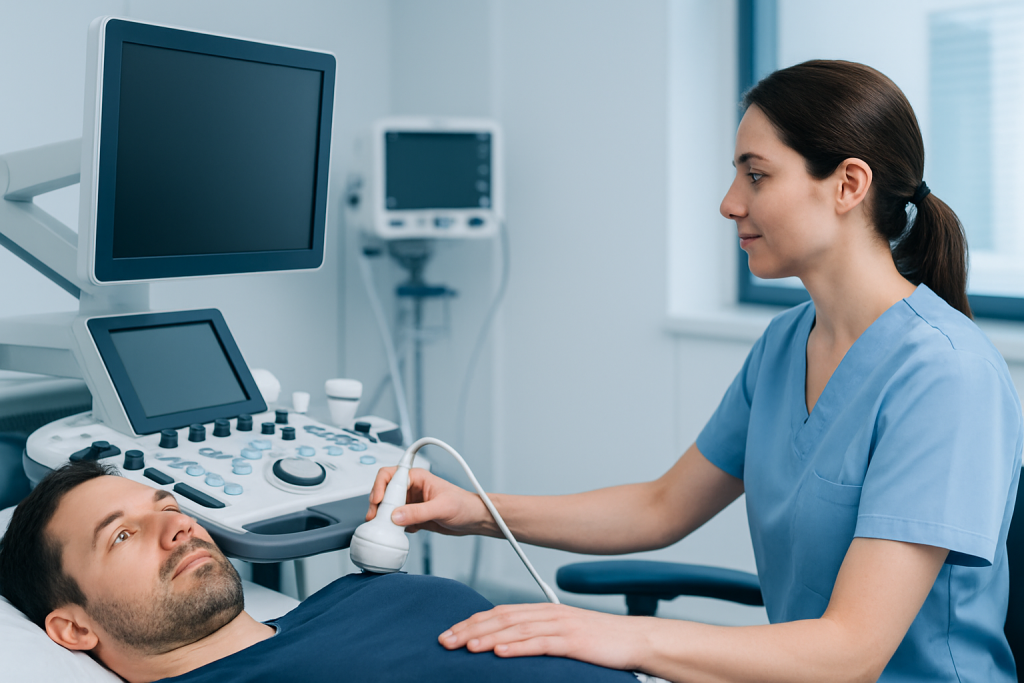
Simethicone is commonly used for the feeling of trapped gas, abdominal fullness, and bloating. Some people describe a tight or stretched sensation in the belly, while others notice frequent belching or passing gas. The medicine is intended to make these symptoms more manageable, especially when they are related to swallowed air or normal gas buildup.
It may also be used when gas discomfort appears after meals, during periods of dietary change, or when constipation makes the abdomen feel distended. In these situations, the goal is not sedation or pain control, but simpler physical relief from gas bubbles that can feel surprisingly uncomfortable.
Because gas symptoms can overlap with other digestive problems, the pattern matters. Mild bloating after a large meal is very different from recurring pain, nausea, vomiting, weight loss, or bowel changes. Those additional features suggest that the issue may not be ordinary gas alone.
- Abdominal bloating
- Feeling of pressure or fullness
- Belching or passing gas
- Discomfort after meals
- Temporary trapped-gas sensations
Causes & Risk Factors

Gas is a normal part of digestion, and everyone produces some of it. It can build up when air is swallowed while eating or drinking, when food is fermented by gut bacteria, or when bowel movement slows down. In many cases, the symptom is linked to habits more than disease.
Several everyday factors can make gas more noticeable. Eating quickly, chewing gum, drinking carbonated beverages, and talking while eating can increase swallowed air. Certain foods, including some beans, onions, and dairy products, may also contribute to bloating in people who are sensitive to them.
There are also medical causes worth considering. Constipation, irritable bowel syndrome, food intolerances, acid reflux, and changes in gut function after illness or surgery may all increase the feeling of gas. For some international travelers, unfamiliar meals, altered meal timing, and dehydration can add to the problem during transit or after arrival.
Risk tends to be higher when lifestyle factors and digestive sensitivity overlap. In other words, simethicone may bring relief, but repeated symptoms often mean it is worth looking at the broader picture rather than relying only on symptom suppression.
Diagnosis
Simethicone itself does not require a special diagnostic test before use in ordinary situations. A pharmacist or doctor may suggest it when the symptoms sound consistent with simple gas and the person has no warning signs. For short-term bloating, this can be a practical first step.
If symptoms are recurring or unusual, clinicians focus on finding the reason behind the gas. They may ask about meal patterns, bowel habits, stress, travel, food triggers, and any associated symptoms such as pain, diarrhea, constipation, or heartburn. A physical examination may be enough in some cases, while others need laboratory tests, breath tests, imaging, or endoscopy depending on the story.
For patients traveling to another country for care, this is often where a multidisciplinary approach helps. Digestive symptoms can sit at the crossroads of nutrition, gastroenterology, and primary care, and a careful review prevents simple bloating from being mistaken for something more serious or vice versa.
Treatment Options
Simethicone is one option among several for gas-related discomfort. It is often used as a short-term symptom reliever, especially when the main issue is bloating or trapped gas without other concerning features. It may be found in some over-the-counter products, sometimes combined with other ingredients.
When the underlying cause is identified, treatment should focus there as well. Constipation may need fluid, fiber, and bowel-regulating strategies; reflux may need different medication; food intolerance may improve with dietary adjustment; and irritable bowel syndrome often benefits from a broader plan that may include diet review, stress management, and medical follow-up.
Not every patient needs medication at all. Some people improve by slowing down at meals, reducing carbonated drinks, staying hydrated, and observing whether certain foods repeatedly trigger symptoms. A clinician can help decide whether simethicone is appropriate alone or whether a fuller evaluation would be more useful.
- Short-term symptom relief for gas and bloating
- Diet and eating-habit adjustments
- Management of constipation or reflux if present
- Evaluation for food intolerance or digestive disorders
- Follow-up if symptoms persist or change
Prevention & Self-care
Small changes in daily habits often make a noticeable difference in gas symptoms. Eating more slowly, taking smaller bites, and avoiding swallowing excess air can help. Some people find it useful to limit fizzy drinks or to keep a simple food-and-symptom note for a week or two, especially if the pattern is not obvious.
Movement also matters. Gentle walking after meals can support digestion, and regular physical activity may help bowel function overall. If constipation is part of the picture, enough fluids and an appropriate fiber intake may reduce the sense of pressure, though sudden large increases in fiber can sometimes worsen gas at first.
For travelers, routine matters more than perfection. Staying hydrated during flights, avoiding very large meals late at night, and not rushing every meal during a busy itinerary can reduce the chance that temporary digestive changes become a full day of discomfort.
Simethicone can be a reasonable option for occasional symptoms, but long-term reliance without knowing the cause is not ideal. If gas is frequent, keeping track of timing, foods, bowel changes, and associated symptoms can make a medical visit much more productive.
When to See a Doctor
Medical advice is recommended when gas symptoms are persistent, severe, or clearly different from a usual pattern. Simethicone may help with simple bloating, but it should not delay evaluation if symptoms keep returning or seem to be part of a broader digestive problem.
It is especially important to seek assessment if bloating comes with abdominal pain, vomiting, unexplained weight loss, fever, blood in the stool, black stools, trouble swallowing, or a major change in bowel habits. New symptoms in older adults, or symptoms that begin after surgery or another major illness, also deserve a careful review.
People who are planning medical travel should ideally discuss ongoing digestive symptoms before departure if possible. That can help clarify whether self-care is reasonable or whether a more complete workup is needed before boarding a flight or starting Varicose Vein Treatment Abroad: When Stockings Are Enough and When Procedures Help More" class="ahp-ilk">treatment abroad.
Acibadem Health Point can support international patients through multidisciplinary specialists and JCI-accredited hospitals that diagnose and treat digestive conditions, including gas-related complaints, with coordinated care and follow-up planning.
Frequently asked questions
What is simethicone used for?
Simethicone is used to relieve symptoms caused by gas, such as bloating, fullness, and trapped air. It helps break up gas bubbles so they are easier to pass. It is for symptom relief, not for treating the root cause of the gas.
How does simethicone work?
Simethicone acts as an anti-foaming agent in the digestive tract. It helps small gas bubbles combine into larger bubbles, which can move through the intestines more easily. This can reduce the uncomfortable pressure that gas sometimes causes.
Is simethicone safe for most people?
It is generally considered a gentle medicine and is commonly used for temporary gas discomfort. Even so, people should still follow the package directions or a clinician’s advice. If symptoms are persistent or unusual, the underlying cause should be checked.
Can simethicone help with bloating after meals?
Yes, it may help when bloating is related to gas buildup after eating. However, if bloating happens often, it may be linked to constipation, food intolerance, or another digestive condition. In that case, a medical review is more useful than repeated self-treatment alone.
Does simethicone treat constipation or indigestion?
No, simethicone does not treat constipation, reflux, or indigestion directly. It only helps with gas bubbles and the discomfort they cause. If another condition is driving the symptoms, that condition needs separate management.
When should a person not rely only on simethicone?
A person should not rely only on simethicone if symptoms are severe, keep returning, or come with warning signs such as vomiting, fever, blood in the stool, weight loss, or strong abdominal pain. Those features suggest that the problem may be more than ordinary gas. A doctor can help identify the cause and recommend the right treatment.
References
- National Institute of Diabetes and Digestive and Kidney Diseases
- NHS
- Mayo Clinic
- Cleveland Clinic
- MedlinePlus
This article is for general information only and is not a substitute for professional medical advice. Please consult a qualified doctor about your individual situation.
Persistent digestive symptoms? Get evaluated in Turkey
JCI-accredited · board-certified surgeons · reply within 24h
Add us as a Preferred Source to see more of our trusted health content across Google Search, AI Overviews and Discover.