Tips Procedure

Key Takeaways
- A TIPS procedure creates a channel inside the liver to improve blood flow and lower portal pressure.
- It is commonly considered for complications of portal hypertension such as variceal bleeding or recurrent ascites.
- The procedure is done by an interventional radiology team, usually with imaging guidance and sedation.
- Recovery includes close follow-up because liver function and brain symptoms can change after the procedure.
- Not everyone is a candidate, so careful assessment of liver, heart, and overall health is essential.
A TIPS procedure is a minimally invasive treatment used to reduce dangerous pressure in the portal vein system, most often in people with advanced liver disease. It can help control complications such as fluid buildup or bleeding when other treatments are not enough.
Overview
A TIPS procedure, short for transjugular intrahepatic portosystemic shunt, is a treatment used to redirect blood flow through the liver. In simple terms, it creates a small passage between two veins so blood can move more easily when pressure in the portal vein becomes too high.
This high-pressure state is called portal hypertension, and it often develops in people with cirrhosis or other serious liver conditions. When medicines, endoscopic treatment, or fluid-management strategies are no longer enough, a TIPS procedure may be recommended as a way to relieve symptoms and reduce the risk of complications.
Because the procedure changes circulation within the liver, the decision is usually made carefully by a liver specialist and an interventional radiology team. For international patients, that planning may include reviewing scans, blood tests, and current medications before travel, so the treatment pathway is clear before arrival.
Symptoms and Problems It May Help With
TIPS is not a treatment for liver disease itself. Instead, it is used to address the effects of portal hypertension, especially when those effects become difficult to control. The two most common reasons are recurrent bleeding from enlarged veins in the esophagus or stomach, and ascites, which is a buildup of fluid in the abdomen.
Some people also receive TIPS for related issues such as fluid buildup in the chest, persistent fluid that returns after draining, or a condition called hepatorenal syndrome in selected cases. The aim is to reduce pressure in the portal system so daily symptoms and hospital visits become less frequent.
People who may be considered for the procedure often notice one or more of the following:
- Vomiting blood or passing black stools from variceal bleeding
- Repeated abdominal swelling from ascites
- Shortness of breath from fluid pressure in the abdomen
- Frequent need for fluid drainage procedures
- Symptoms that suggest portal hypertension is not well controlled
These symptoms do not automatically mean a person needs TIPS, but they do signal the need for specialist review.
Causes and Risk Factors

The main reason a TIPS procedure is considered is portal hypertension, most often caused by cirrhosis. Cirrhosis scars the liver and makes it harder for blood to pass through normally, which raises pressure in the portal vein and can lead to bleeding or fluid buildup.
Other liver conditions may also contribute, including certain blood vessel disorders, portal vein obstruction, and some less common liver diseases. The overall pattern matters more than a single diagnosis, because TIPS is chosen based on how blood flow, liver function, and symptoms fit together.
Not everyone with portal hypertension is a candidate. Doctors look closely at factors that may increase risk after the procedure, such as:
- Severe liver failure or very poor liver reserve
- Active infection
- Significant heart failure or pulmonary hypertension
- Repeated episodes of hepatic encephalopathy
- Severe or uncorrectable blood-clotting problems
In international care settings, these factors are reviewed before the trip whenever possible, because the safest plan is one that does not require rushed decisions after arrival.
Diagnosis and Pre-Procedure Evaluation
Before a TIPS procedure is scheduled, the care team usually confirms the cause of symptoms and checks whether the person is likely to benefit. This may involve blood tests to assess liver and kidney function, clotting status, and blood counts, along with imaging studies such as ultrasound, CT, or MRI.
Doctors also evaluate the heart and lungs, since the procedure changes how blood returns to the circulation. In some cases, an echocardiogram or other heart testing is needed to make sure the body can tolerate the extra blood flow after the shunt is created.
Patients are often asked about previous episodes of confusion, prior bleeding, medication use, alcohol history, and any recent infections. For people traveling from abroad, it helps to bring a concise medical history, recent scan reports, a medication list, and records of prior procedures so the team can confirm the plan efficiently.
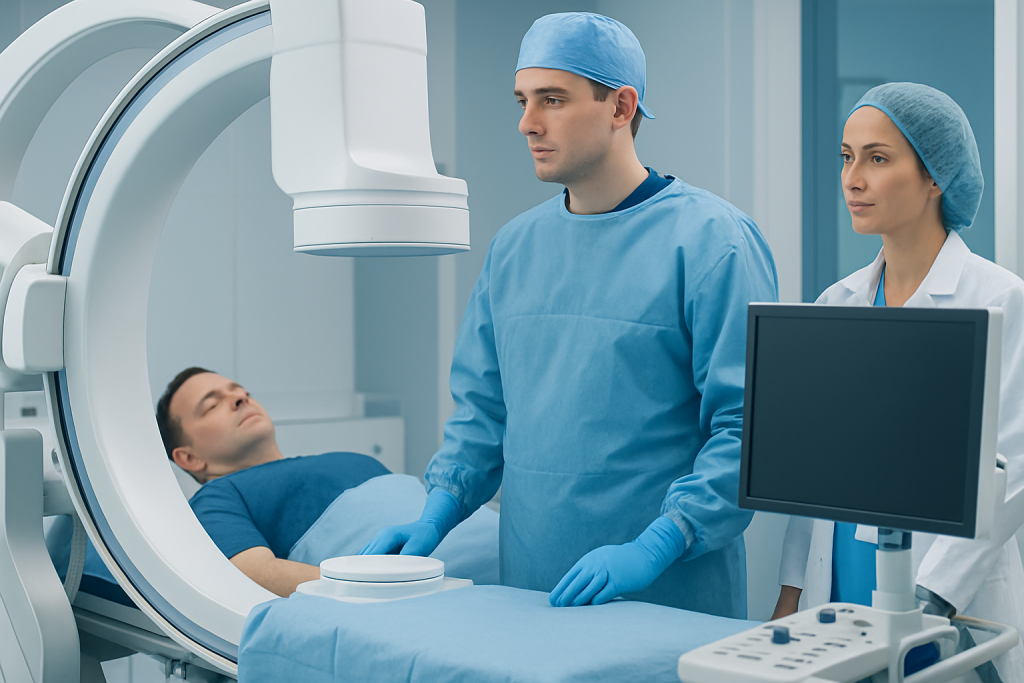
The procedure is usually performed by an interventional radiologist in a hospital setting. The team explains sedation, fasting instructions, and which medicines may need to be adjusted beforehand, especially blood thinners or diabetes medications.
Treatment Options and How the Procedure Works
During a TIPS procedure, a doctor uses imaging guidance to reach the hepatic vein through a vein in the neck. A small tract is then created through the liver tissue into the portal vein, and a stent is placed to keep that passage open.
This new channel allows some of the portal blood to bypass the scarred liver tissue and flow directly into the systemic circulation. As a result, pressure in the portal system can fall, which may help stop bleeding and reduce fluid accumulation.
The procedure is usually done with sedation or anesthesia support, and the exact approach depends on the person’s anatomy and medical condition. Most patients stay in the hospital for observation afterward so the team can monitor liver function, bleeding risk, pain, and any early changes in mental clarity.
Alternative treatments may be used instead of or before TIPS, depending on the situation. These can include medications such as diuretics, repeated drainage procedures for ascites, endoscopic treatment for varices, or liver transplantation evaluation when liver disease is advanced enough that broader treatment is needed.
Recovery and Follow-up
Recovery after a TIPS procedure focuses on watching for both improvement and side effects. Many people notice less abdominal swelling or a lower chance of bleeding over time, but the team also monitors for complications that may appear soon after the procedure.
One of the most important issues is hepatic encephalopathy, a type of brain dysfunction that can cause confusion, sleepiness, personality changes, or trouble concentrating. Because the shunt changes how blood bypasses the liver, some toxins may be cleared less effectively, so follow-up visits are essential.
People are usually advised to keep follow-up imaging and lab appointments to check whether the shunt remains open and whether liver and kidney tests remain stable. If the procedure was done while traveling, the discharge plan should include clear instructions for care after returning home, including who to contact if symptoms change.
Typical follow-up may include:
- Blood tests to track liver and kidney function
- Ultrasound or other imaging to confirm shunt flow
- Medication review to reduce the risk of confusion
- Review of fluid control, diet, and weight changes
- Coordination with a local doctor for ongoing monitoring
Prevention and Self-care
A person cannot usually prevent the need for TIPS once portal hypertension has become severe, but steady liver care can reduce the chances of complications. The most important step is to follow the treatment plan for the underlying liver condition as closely as possible.
Self-care often includes limiting alcohol if advised, taking prescribed medicines consistently, attending scheduled lab tests, and watching for warning signs such as swelling, fatigue, black stools, or increasing confusion. Nutrition may also need attention, since people with liver disease sometimes require individualized guidance on salt intake, protein balance, and overall calorie support.
For patients who are preparing to travel for treatment, self-care also means practical planning. Bringing updated records, arranging a companion if needed, and understanding where to seek urgent help after returning home can make follow-up much smoother. A well-organized plan often reduces stress and helps the medical team act quickly if anything changes.
When to See a Doctor
Medical review is important if a person with liver disease develops bleeding, worsening abdominal swelling, or symptoms of confusion. These problems may indicate portal hypertension is becoming harder to control and should be assessed by a specialist without delay.
After a TIPS procedure, contact the care team promptly if there is fever, increasing pain, jaundice, severe sleepiness, new confusion, vomiting blood, black stools, or a sudden return of fluid buildup. These symptoms do not always mean the shunt has failed, but they do need evaluation.
People who are considering the procedure should speak with a gastroenterologist, hepatologist, or interventional radiologist to understand whether TIPS is appropriate for their condition. In international cases, Acibadem Health Point can coordinate multidisciplinary specialists and JCI-accredited hospitals to diagnose and treat this condition for international patients.
Frequently asked questions
What is the main purpose of a TIPS procedure?
The main purpose is to lower pressure in the portal vein system by creating a new channel through the liver. This can help control bleeding from varices and reduce recurrent fluid buildup in the abdomen.
Who is usually considered for TIPS?
It is most often considered for people with portal hypertension from advanced liver disease, especially when bleeding or ascites keeps coming back. A specialist will check liver function, heart health, and overall safety before recommending it.
Is TIPS a cure for liver disease?
No. It treats complications of portal hypertension, but it does not reverse cirrhosis or replace the need for ongoing liver care. Some people may still need transplant evaluation or other long-term treatment.
What are the common risks after TIPS?
The most discussed risk is hepatic encephalopathy, which can cause confusion or sleepiness. Other risks include shunt narrowing, bleeding, infection, and changes in heart or liver function, so follow-up is important.
How long is recovery after the procedure?
Many people stay in the hospital briefly for observation, but recovery and monitoring continue for weeks and months. The exact timeline depends on liver health, symptoms, and whether any complications appear.
Can someone travel home after TIPS?
Many patients do travel home after treatment, but only when the medical team feels it is safe. A clear discharge plan, follow-up schedule, and emergency contact information are especially important for international patients.
References
- National Institute of Diabetes and Digestive and Kidney Diseases
- American Association for the Study of Liver Diseases
- Mayo Clinic
- Cleveland Clinic
This article is for general information only and is not a substitute for professional medical advice. Please consult a qualified doctor about your individual situation.