Ablation Surgery

Key Takeaways
- Ablation uses heat, cold, or other energy to destroy or disable targeted tissue.
- It is commonly used for heart rhythm problems, but the term also applies to several other treatments.
- Recovery is often quicker with minimally invasive ablation than with open surgery.
- The choice of ablation method depends on the condition, anatomy, and treatment goals.
- People traveling for care may need a clear plan for follow-up, medication review, and return-home monitoring.
Ablation surgery is a medical procedure that destroys small areas of tissue to treat symptoms or stop abnormal activity, most often in the heart but also in other parts of the body. The right approach depends on the condition being treated, the tissue targeted, and the person’s overall health.
Overview
Ablation surgery is not one single operation. It is a group of procedures that remove, scar, or otherwise disable a small area of tissue so it no longer causes problems. In everyday medical language, the term most often refers to heart rhythm treatment, where an abnormal electrical pathway is targeted. It can also describe procedures used in the uterus, liver, thyroid, veins, and other organs.
The idea behind ablation is precise treatment with as little disruption to healthy tissue as possible. Some ablations are done through thin catheters placed in blood vessels, while others are performed during minimally invasive or open surgery. For people considering care abroad, that distinction matters because it affects hospital stay, travel timing, and how soon normal routines can resume.
Although the word sounds broad, the purpose is usually practical: reduce symptoms, prevent complications, or improve quality of life when medicines alone are not enough. A specialist will first confirm whether ablation is the most suitable option, then explain the method that best matches the diagnosis.
Symptoms
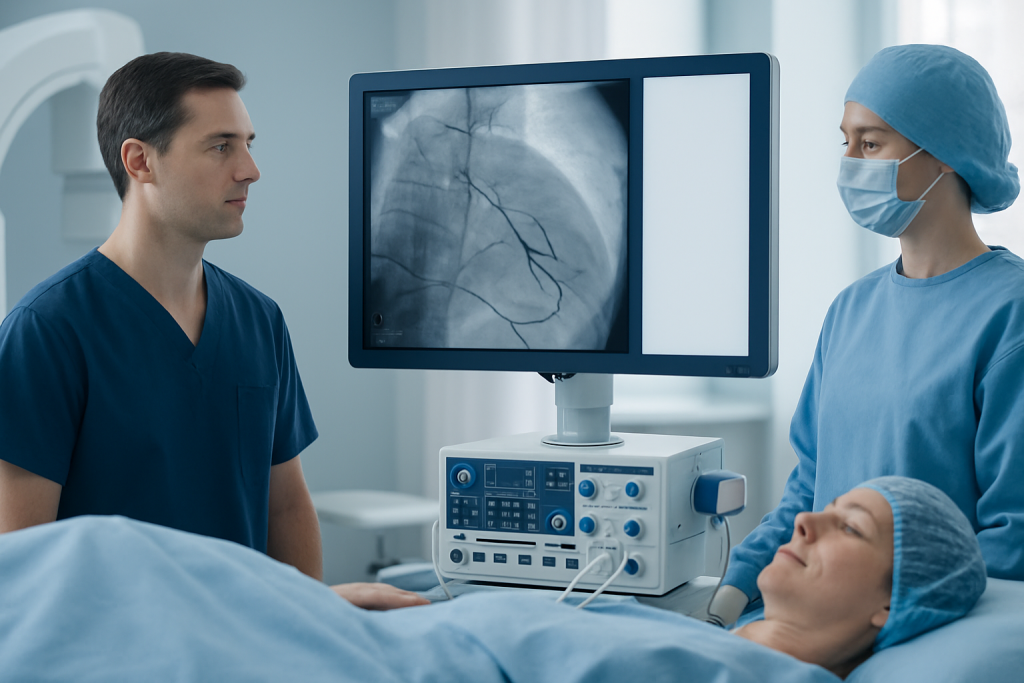
Symptoms that lead to ablation depend on the condition being treated. For heart rhythm problems, people may notice palpitations, a racing or irregular heartbeat, shortness of breath, dizziness, fatigue, chest discomfort, or episodes of fainting. Some people have only brief or occasional symptoms, while others feel them often enough to affect work, sleep, or exercise.
When ablation is used outside cardiology, the symptoms are different. For example, uterine fibroid ablation may be considered when heavy menstrual bleeding, pelvic pressure, or pain becomes disruptive. Vein ablation may be chosen for aching legs, swelling, skin changes, or visible varicose veins that do not improve with conservative care.
Not every symptom means ablation is needed. Many conditions are first managed with observation, medication, lifestyle changes, or another noninvasive treatment. A doctor usually recommends ablation when the problem is persistent, recurring, or likely to respond better to targeted tissue treatment than to long-term medication alone.
Causes & Risk Factors

The “cause” behind ablation is the condition itself, not the procedure. In cardiology, ablation may be recommended for arrhythmias such as atrial fibrillation, atrial flutter, supraventricular tachycardia, or certain ventricular rhythm disorders. These conditions can arise from structural heart changes, age-related wear, prior heart disease, inherited tendencies, thyroid imbalance, sleep apnea, alcohol use, or sometimes no clearly identifiable trigger.
For non-cardiac uses, the underlying reasons vary. Fibroids, endometrial tissue problems, chronic venous insufficiency, thyroid nodules, or selected tumors may be treated with ablation when the tissue is causing symptoms and is in a location where precise destruction is possible. The common thread is that the target tissue can be reached safely and treated in a controlled way.
Risk factors are usually related to the condition being treated and to overall health. Older age, obesity, high blood pressure, diabetes, smoking, structural disease, or repeated episodes of the same problem may influence treatment planning. A specialist also considers anatomy, blood clot risk, medication use, kidney function, and whether the person can safely undergo anesthesia or sedation.
Diagnosis
Before recommending ablation, a doctor needs a clear diagnosis and a map of the problem. In heart rhythm care, this may include an electrocardiogram, Holter or event monitoring, echocardiography, blood tests, and sometimes an electrophysiology study. These tests help identify which rhythm is present, where it starts, and whether the heart has any structural changes that affect the procedure.
For other forms of ablation, imaging and tissue assessment are often important. Ultrasound, MRI, CT, or endoscopic examination may be used to measure the area being treated and confirm that ablation is an appropriate choice. Doctors also review past treatments and symptoms to make sure the expected benefit is worth the procedural risks.
International patients benefit from a careful pre-travel workup. When records, scans, and medication lists are shared in advance, the treating team can decide whether additional tests are needed on arrival or whether the person is already a candidate for scheduling. This can shorten uncertainty and make the hospital stay more efficient.
Treatment Options
Ablation can be delivered in several ways. Catheter ablation is common in heart care, where a thin tube is guided through a blood vessel to the target tissue and energy is used to create small controlled lesions. Depending on the condition, the energy source may be radiofrequency, cryotherapy, laser, or another method chosen by the specialist.
Outside the heart, ablation may be performed with needle-like probes, endoscopic tools, or during surgery. Some procedures use heat, while others use extreme cold or focused energy to destroy abnormal tissue. In selected cases, the goal is not full removal but rather interruption of the tissue’s function, such as reducing pain signaling, shrinking a lesion, or stopping abnormal electrical activity.
What happens on the day of treatment depends on the type of ablation. Some procedures are outpatient; others require one or more nights in the hospital. Patients are usually given instructions about fasting, medication adjustments, and what to expect from sedation or anesthesia. After treatment, the team monitors for bleeding, pain, rhythm changes, fever, or other early complications before discharge.
Key treatment choices may include:
- Catheter-based ablation for many rhythm disorders
- Surgical or minimally invasive ablation for certain tumors or tissue lesions
- Heat-based approaches such as radiofrequency ablation
- Cold-based approaches such as cryoablation
- Combination care with medication, follow-up imaging, or repeat rhythm monitoring
Prevention & Self-care
Self-care before ablation focuses on preparation rather than prevention of the procedure itself. Patients are usually advised to share a complete list of medications, supplements, allergies, and prior procedures. It is important to ask which medicines should be continued and which should be paused, especially blood thinners, diabetes medications, and drugs that affect heart rhythm.
General health habits can support the best possible outcome. Adequate sleep, hydration as instructed, smoking cessation, and control of blood pressure, blood sugar, and weight may help the body recover more smoothly. For heart rhythm ablation, doctors may also encourage treating sleep apnea, limiting alcohol, and keeping follow-up appointments because the underlying rhythm issue may not disappear overnight.
After the procedure, recovery advice is tailored to the treatment site. Many people need to rest the first day, avoid heavy lifting for a short period, watch the access site for swelling or bleeding, and follow medication instructions closely. Those traveling home should confirm what symptoms require medical review, how to contact the team from abroad, and when repeat testing or a clinic visit is needed.
When to See a Doctor
A doctor should evaluate symptoms that are frequent, worsening, or interfering with daily life. Anyone with palpitations, fainting, chest pain, shortness of breath, heavy bleeding, new swelling, or a rapidly enlarging mass should seek medical assessment rather than waiting to see whether the problem settles on its own. Some of these symptoms may not be caused by the same condition that eventually leads to ablation, which is why careful evaluation matters.
After ablation, medical advice is needed if there is persistent bleeding, fever, severe pain, shortness of breath, marked weakness, confusion, or a return of the original symptoms that is stronger than expected. Early follow-up is especially important when the person has just traveled home, because recovery questions are easier to manage when they are addressed promptly.
People considering care abroad often want one clear plan before they travel. A multidisciplinary team can review whether ablation is appropriate, explain the procedure in plain language, and arrange follow-up once the patient is back home. At Acibadem Health Point, multidisciplinary specialists and JCI-accredited hospitals diagnose and treat this condition for international patients with coordinated care from consultation through recovery.
Recovery and Long-Term Outlook
Recovery after ablation varies widely. Some people return to light activity within a day or two, while others need a longer healing period if the procedure was more complex or involved surgery. Temporary soreness, fatigue, or mild bruising can happen, and doctors usually explain which sensations are expected versus which require attention.
The long-term outlook depends on the condition and whether the target tissue was fully treated. In heart rhythm care, ablation may greatly reduce symptoms, but some people need repeat procedures or ongoing medication. In other areas of medicine, follow-up imaging, symptom checks, or repeat exams may be needed to confirm that the treated area has responded as intended.
For international patients, the follow-up plan is part of the treatment plan, not an afterthought. A good discharge summary, medication list, and contact pathway help local doctors continue care smoothly after travel. That continuity is often what makes the biggest difference in comfort and confidence during recovery.
Frequently asked questions
Is ablation surgery always related to the heart?
No. The term is used in cardiology, but it also applies to procedures in other parts of the body, such as the uterus, veins, thyroid, or certain tumors. The exact method depends on the tissue being treated and the condition involved.
Is ablation considered major surgery?
Not always. Many ablations are minimally invasive and done through a catheter or small instruments, while others are part of a larger operation. The level of recovery time depends on how the procedure is performed and where the treatment is located.
Will ablation cure the problem permanently?
Sometimes it can provide long-lasting control, but not every condition is cured by one procedure. Some people need follow-up care, repeat treatment, or medication after ablation, especially for heart rhythm disorders.
How long does recovery usually take?
Recovery ranges from a short rest period to several weeks, depending on the type of ablation and the person’s overall health. Doctors usually give specific instructions about activity, wound care, and follow-up tests before discharge.
What should a patient ask before traveling for ablation treatment?
It helps to ask what tests are needed before travel, how long the hospital stay is likely to be, what medicines should be changed, and how follow-up will be handled after returning home. A written plan makes international care safer and easier to coordinate.
Are there alternatives to ablation?
Yes. Depending on the condition, alternatives may include medicines, lifestyle changes, monitoring, or another type of surgery. A specialist can explain why ablation is recommended and whether another option would be equally appropriate.
References
- American Heart Association
- Mayo Clinic
- Cleveland Clinic
- National Heart, Lung, and Blood Institute
- Merck Manual Consumer Version
This article is for general information only and is not a substitute for professional medical advice. Please consult a qualified doctor about your individual situation.