

Shingles Vaccine Side Effects

Key Takeaways
- Most shingles vaccine side effects are mild and temporary, such as soreness, fatigue, headache, or a low fever.
- Local arm pain is common because the vaccine stimulates the immune system where it is injected.
- Severe allergic reactions are uncommon, but urgent medical help is needed for breathing trouble, facial swelling, or widespread hives.
- People with complex medical histories, weakened immunity, or travel plans should discuss timing with a qualified clinician before vaccination.
- Home comfort measures such as rest, fluids, and a cool compress can help people feel better after the shot.
The shingles vaccine is widely used to lower the risk of shingles and its complications, and most side effects are short-lived and manageable. Understanding what is expected after vaccination can help people plan ahead, recover comfortably, and know when to seek medical advice.
Overview
Shingles vaccination is designed to help the immune system recognize the varicella-zoster virus before it causes the painful nerve rash known as shingles. Like many vaccines, it can cause short-term side effects as the body builds protection. For most people, these effects are mild and settle on their own within a few days.
The experience after vaccination can be especially relevant for international patients who are arranging care around travel, work, or family commitments. Knowing what is common after the injection makes it easier to choose the right timing, plan rest, and avoid unnecessary worry if the arm feels sore or the body feels temporarily “off.”
This article explains the usual side effects of shingles vaccines, what may be less common, how to ease discomfort safely, and when a clinician should be contacted for advice. It is general information and does not replace personal medical guidance.
Common Side Effects
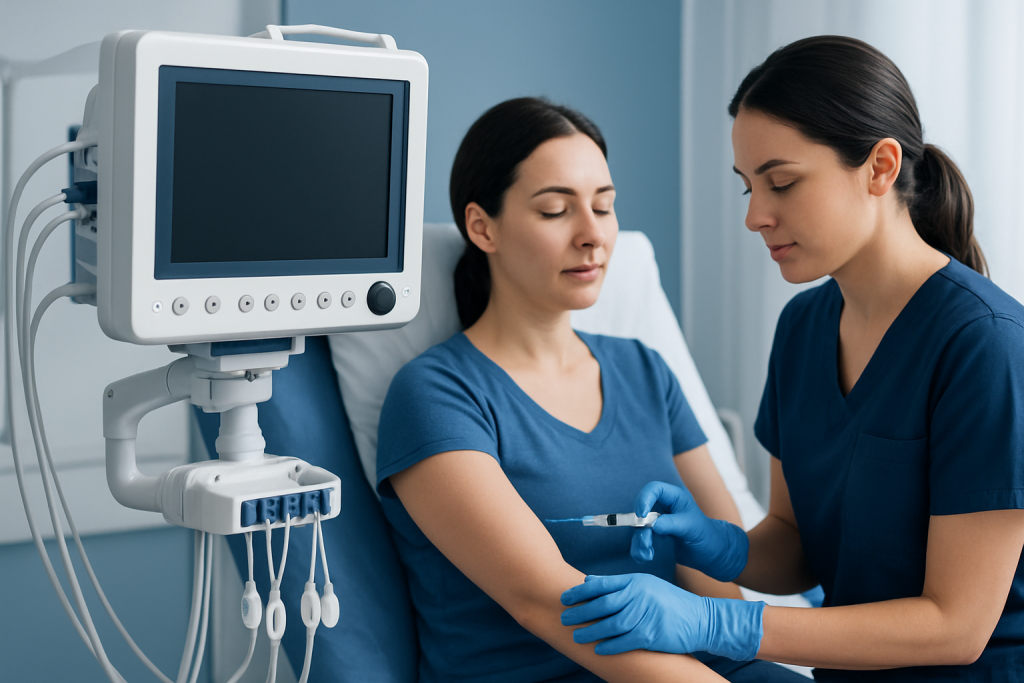
The most frequent shingles vaccine side effects are signs that the immune system is responding. The injection site often becomes sore, red, warm, or slightly swollen, and the arm may feel heavy for a day or two. This is usually the most noticeable reaction, especially after the first dose.
Some people also feel tired, achy, or mildly feverish after vaccination. Headache, muscle pain, chills, stomach upset, or a general feeling of being unwell can occur as well. These symptoms are generally short-lived and improve with rest and simple comfort measures.
Although the vaccine can feel more intense than some routine immunizations, that does not mean something is wrong. Reactions can vary from one person to another, and the absence of side effects does not mean the vaccine is not working.
- Sore or swollen arm
- Fatigue
- Headache
- Muscle aches
- Low-grade fever or chills
- Mild nausea or upset stomach
Why These Reactions Happen

Vaccines work by training the immune system to respond to a specific threat. When the body recognizes the shingles vaccine, it may produce temporary inflammation as part of that learning process. That inflammation is what often causes tenderness, fatigue, or a mild fever.
Most shingles vaccines used today are non-live vaccines, which means they do not cause shingles itself. Instead, they present a signal to the immune system that encourages a protective response. The temporary discomfort is usually a sign that the body is actively reacting, not that the vaccine has caused the disease it is meant to prevent.
People sometimes expect all vaccines to cause the same kind of after-effects, but each one is different. Age, overall health, prior immune response, and even the exact day of vaccination can influence how someone feels afterward.
Who May Feel Side Effects More Strongly
Some people notice stronger symptoms after shingles vaccination than others. This does not necessarily indicate a medical problem. It may simply reflect how active the immune response is, or how sensitive a person is to soreness and inflammation.
Adults who are older, busy, under stress, or recovering from another illness may feel vaccine side effects more keenly. People with a history of strong reactions to injections can also find the day after vaccination a little harder. In international care settings, it is practical to schedule the shot at a time when the patient can rest before flying, attending meetings, or starting a long road journey.
Patients with weakened immune systems, chronic conditions, or multiple medications should discuss the vaccine plan with a doctor or specialist. That conversation helps ensure the timing is appropriate and allows any personal precautions to be considered in advance.
How Side Effects Are Diagnosed and Monitored
Shingles vaccine side effects are usually identified by their timing and pattern. Symptoms typically begin within hours to a couple of days after vaccination and then gradually improve. A clinician may ask about the exact symptoms, when they started, whether they are getting better, and whether there are signs of infection or an allergic response.
If symptoms are unusually severe, long-lasting, or difficult to explain, medical review can help distinguish a routine vaccine reaction from another issue. For example, arm redness that keeps spreading, a fever that does not settle, or unusual shortness of breath needs evaluation. In many cases, reassurance and observation are enough.
For patients traveling internationally, keeping the vaccine record and noting the date and time of symptom onset can be helpful if medical advice is needed after departure. This makes it easier for a local doctor to understand the situation quickly and provide appropriate follow-up.
Treatment Options and Relief Measures
Most shingles vaccine side effects do not require treatment beyond comfort care. Resting, drinking fluids, and allowing the arm to move gently through normal activities can help stiffness and soreness ease. A cool compress on the injection site may reduce discomfort for a short time.
Some people use over-the-counter pain relief, but it is sensible to check with a clinician or pharmacist first, especially if they take prescription medicines, have kidney or liver disease, or are on blood thinners. The goal is to relieve symptoms safely, not to mask a serious reaction. If a patient is unsure what is appropriate, it is better to ask than to guess.
Simple self-care measures often work well:
- Rest for the remainder of the day if possible
- Drink enough water
- Use the arm normally, but avoid heavy lifting if it worsens pain
- Apply a cool, clean cloth to the sore area
- Monitor symptoms for 24 to 72 hours
If symptoms are not improving or are interfering with normal daily function, a healthcare professional can advise on the next step.
Prevention and Self-care
Side effects cannot always be prevented, but planning can make them easier to handle. Many people choose to receive the shingles vaccine on a day when they can slow down afterward. That matters even more for people balancing travel logistics, jet lag, or family obligations after treatment.
Eating normally before the appointment, staying hydrated, and wearing a short-sleeved top can make the process more comfortable. After vaccination, it helps to keep expectations realistic: mild fatigue or soreness may happen, but it usually passes quickly. A calm routine at home is often more useful than overchecking every symptom.
Patients who have had severe reactions to any vaccine in the past should mention this before getting the shot. A doctor can help decide whether special observation, a different setting, or extra precautions are needed.
When to See a Doctor
Medical advice should be sought if shingles vaccine side effects feel severe, last longer than expected, or are getting worse instead of better. A fever that persists, a rash away from the injection site, significant swelling, or pain that interferes with sleep or daily activity deserves attention. It is always appropriate to ask for guidance if something feels unusual.
Emergency care is needed for signs of a serious allergic reaction, including trouble breathing, swelling of the face or throat, fainting, or widespread hives. These reactions are uncommon, but they require immediate treatment. If a patient has a history of severe allergies, they should tell the vaccination team before receiving the shot.
For people receiving care abroad, it is wise to know in advance how to reach a local medical service after the appointment. Acibadem Health Point’s multidisciplinary specialists and JCI-accredited hospitals support international patients with diagnosis and treatment when a condition needs further medical review.
Frequently asked questions
What are the most common shingles vaccine side effects?
The most common side effects are soreness at the injection site, tiredness, headache, muscle aches, and sometimes a low fever or chills. These symptoms usually begin soon after vaccination and improve within a few days. They are generally a normal part of the immune response.
How long do shingles vaccine side effects last?
Most mild side effects last one to three days, though the exact timing varies from person to person. Arm soreness may linger a little longer in some people, but it should gradually improve. If symptoms are not getting better, medical advice is sensible.
Can the shingles vaccine give someone shingles?
No, the shingles vaccines used today do not cause shingles itself. They are designed to help the body build protection against the virus that causes shingles. Temporary vaccine reactions can happen, but they are not the same as having the disease.
Should someone avoid activities after the vaccine?
Most people can continue normal light activities after vaccination, but it may help to take it easy for the rest of the day. Heavy exercise or lifting can sometimes make arm soreness feel worse. Rest, hydration, and gentle movement are usually enough.
When is a side effect serious enough to call a doctor?
A doctor should be contacted if symptoms are severe, last longer than expected, or keep worsening. Breathing trouble, swelling of the face or throat, fainting, or widespread hives need urgent medical attention. Any unusual or concerning reaction deserves medical review.
Can people with chronic illness still get the shingles vaccine?
Many people with chronic conditions can still be vaccinated, but the timing and vaccine choice should be reviewed with a clinician. This is especially important for people with weakened immunity or those taking medicines that affect the immune system. A personalized discussion helps ensure the safest plan.
References
- Centers for Disease Control and Prevention
- World Health Organization
- National Health Service
- Mayo Clinic
- MedlinePlus
This article is for general information only and is not a substitute for professional medical advice. Please consult a qualified doctor about your individual situation.
More from the Health Library



Related Specialists

Prof. Dr. Korhan Özkan
Orthopedic Surgery & Traumatology
Dr. Rifat Urnal
Emergency Service
Dr. Özgür Canoler
Anesthesiology
Assoc. Prof. Dr. Ertuğrul Emre Güntürk
Cardiology