RSV Symptoms, Causes and Treatment

Key Takeaways
- RSV often begins with runny nose, cough, sneezing, and mild fever, then may progress to wheezing or breathing difficulty.
- Babies, premature infants, older adults, and people with heart or lung disease are more likely to develop complications.
- Doctors usually diagnose RSV based on symptoms, exam findings, and sometimes a nasal swab test.
- Most mild RSV cases improve with rest, fluids, and symptom relief at home, while more severe cases may need medical support.
- Careful hygiene, avoiding close contact when ill, and protecting high-risk infants can help reduce spread.
Medically reviewed by the Acıbadem clinical team — August 19, 2026
RSV symptoms can range from a mild cold-like illness to more serious breathing problems, especially in infants, older adults, and people with certain health conditions. Recognizing the early signs helps families seek timely care and choose the right level of treatment.
Overview
RSV, or respiratory syncytial virus, is a common virus that infects the lungs and breathing passages. For many people, it looks and feels like a standard winter cold. For infants, older adults, and people with certain medical conditions, however, the same infection can place extra strain on breathing and hydration.
The first signs are often easy to overlook. A child may start with a stuffy nose and a slightly fussy mood; an adult may notice a lingering cough and tiredness that feels more intense than an ordinary cold. In some cases, the illness stays mild. In others, symptoms move lower into the chest and breathing becomes more noticeable.
Understanding RSV symptoms matters because timing changes the care plan. Families deciding whether to monitor symptoms at home, call a doctor, or travel for treatment often need clear guidance rather than guesswork. That is especially true when the patient is very young, elderly, or managing another condition while away from home.
Symptoms
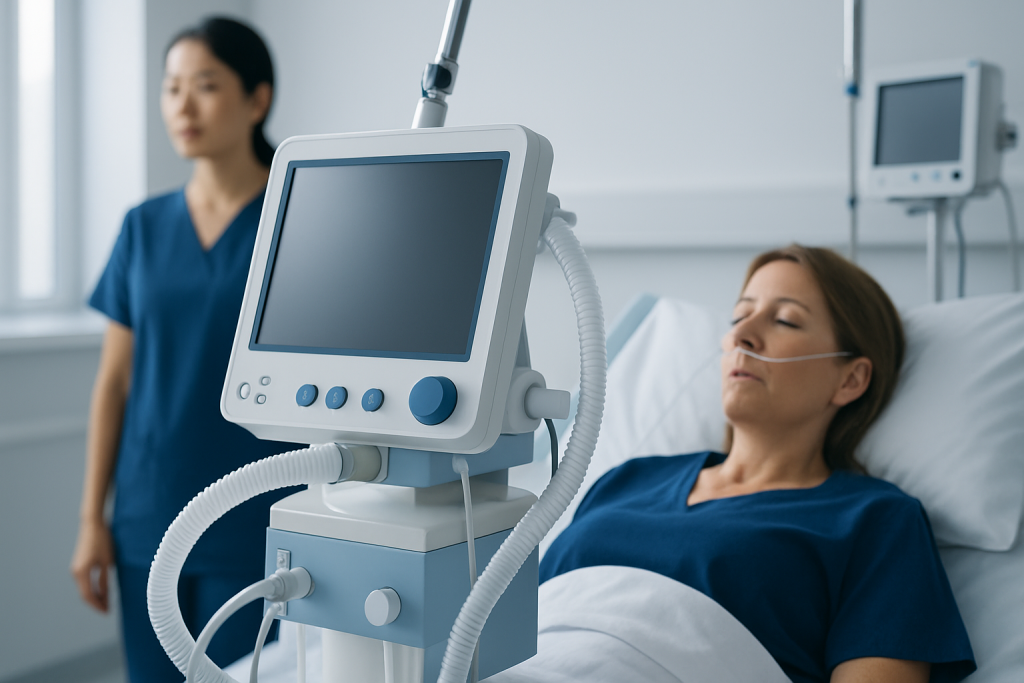
RSV symptoms often begin gradually, usually after a short incubation period. The early picture can resemble many other viral infections, which is why the illness may not be recognized right away. Common early symptoms include:
- Runny nose
- Nasal congestion
- Sneezing
- Dry or mild cough
- Reduced appetite
- Low-grade fever
- General tiredness or irritability
As the virus affects the lower airways, symptoms may become more noticeable. A cough can deepen, breathing may sound noisy, and eating or drinking can become harder, especially for infants who rely on nose breathing. Some children develop wheezing, which is a whistling sound during breathing.
In babies, the signs may be subtle but important: faster breathing, chest pulling in between the ribs, pauses in breathing, unusual sleepiness, or a weaker ability to feed. Adults may feel short of breath, have chest tightness, or become unusually fatigued. Fever may be present, but RSV can also cause illness without much fever at all.
Causes & Risk Factors

RSV spreads through droplets and close contact, and it can also live for a time on hands and shared surfaces. A person may catch the virus by touching a contaminated surface and then touching the eyes, nose, or mouth. Because it spreads easily in households, nurseries, schools, and crowded indoor spaces, one infection can move quickly through a family.
Certain people are more likely to develop more significant symptoms. Risk tends to be higher in infants younger than 6 months, premature babies, children with chronic lung or heart conditions, older adults, and people with weakened immune systems. Children with swallowing problems or neuromuscular disorders may also have a harder time clearing secretions from the airways.
Seasonal patterns are common, but RSV is not limited to one setting or one country. International patients planning travel for treatment or recovery should keep in mind that exposure can happen before or during a trip, and symptoms may worsen after arrival if the illness is already in progress. For that reason, early recognition and communication with a clinician are especially useful when care is being arranged across borders.
Diagnosis
Doctors usually begin with a careful history and physical examination. They ask when the symptoms started, whether the patient has feeding trouble or shortness of breath, and whether anyone nearby has had a similar illness. Listening to the lungs and checking breathing rate, oxygen level, and hydration status help guide next steps.
If confirmation is needed, a nasal or nasopharyngeal swab test may be used to look for RSV. In some settings, the same sample is tested for other viruses as well, because many respiratory infections share similar symptoms. Testing is not always necessary for a mild illness, but it becomes more helpful when symptoms are severe, the patient is high-risk, or the result may change the care plan.
Additional testing may be considered if breathing is difficult or if another diagnosis is possible. The goal is not simply to label the virus, but to understand how much the lungs are involved and what level of support the patient needs right now.
Treatment Options
There is no single medicine that instantly cures RSV for most people. Care is usually supportive and focused on keeping the patient comfortable, hydrated, and able to breathe well while the immune system clears the infection. Many mild cases improve with rest, fluids, and symptom monitoring at home.
For infants and people with more severe illness, treatment may include closer observation, suctioning of nasal secretions, and oxygen support if breathing is strained or oxygen levels are low. In some situations, hospital care is needed so the patient can receive fluids and respiratory support safely. The exact plan depends on age, overall health, and how quickly symptoms are changing.
Parents and caregivers should avoid giving over-the-counter medicines to babies without medical advice. For older children and adults, symptom relief should be discussed with a doctor or pharmacist, especially if there are other health conditions or if the person is taking regular medication.
Prevention & Self-care
Simple habits can reduce the chance of catching or spreading RSV. Handwashing remains one of the most practical measures, especially before feeding a baby, after wiping a nose, and after returning home from public places. Cleaning commonly touched surfaces and avoiding close contact with sick individuals can also help.
At home, supportive care is often straightforward but important. Fluids help prevent dehydration, and rest gives the body time to recover. Using a cool-mist humidifier may ease congestion for some people, and saline nose drops can be useful for infants when recommended by a clinician. Caregivers should watch for signs that breathing or feeding is becoming harder rather than assuming a lingering cold will simply fade on its own.
For families with a newborn or a high-risk infant, extra caution matters. Limiting exposure to crowds, asking visitors to stay away if they are unwell, and following a pediatrician’s advice about preventive measures can make a meaningful difference during RSV season.
When to See a Doctor
Medical advice is important when RSV symptoms do not stay mild or when the patient belongs to a higher-risk group. Babies who are struggling to feed, breathing faster than usual, using chest muscles to breathe, or showing bluish lips or skin need prompt assessment. Any pause in breathing should be treated seriously.
Adults should seek evaluation if they develop shortness of breath, chest pain, confusion, or worsening weakness, especially if they have asthma, COPD, heart disease, or another chronic condition. A fever that persists, dehydration, or symptoms that improve and then suddenly worsen are also reasons to speak with a doctor.
For international patients, it can be helpful to choose a center that can evaluate the illness efficiently and coordinate follow-up after travel. Acibadem Health Point’s multidisciplinary specialists and JCI-accredited hospitals can diagnose and treat RSV for international patients when a higher level of assessment or monitoring is needed.
Living With RSV at Home and During Recovery
Recovery often continues after the worst of the symptoms has passed. A lingering cough or reduced energy can remain for several days or longer, and that does not always mean the infection is getting worse. What matters most is the trend: breathing should gradually feel easier, drinking should become more comfortable, and alertness should return.
When someone is recovering while away from home, it is wise to keep the next day simple. Avoid over-scheduling travel, keep medications and fluids close at hand, and leave enough time to rest between appointments. If follow-up care is needed in another country, a concise written summary of symptoms, test results, and treatments can make continuity easier for both the patient and the new medical team.
Families should trust their observations. If a child looks more tired than expected, feeds less, or seems to breathe with effort, the safest choice is to contact a doctor rather than wait for the illness to declare itself more clearly.
Frequently asked questions
What are the first RSV symptoms?
The earliest RSV symptoms are usually runny nose, congestion, sneezing, and a mild cough. Some people also have low-grade fever, irritability, or less interest in feeding. These early signs can look like a common cold, which is why the illness is not always recognized immediately.
How is RSV different from a regular cold?
RSV can look like a cold at first, but it is more likely to cause wheezing, breathing difficulty, or feeding problems in infants and high-risk adults. The difference becomes clearer when symptoms move into the chest or when the patient struggles to stay hydrated. A doctor can help judge whether the illness is still mild or needs closer monitoring.
Can RSV happen without fever?
Yes, RSV can occur without a significant fever. Some patients mainly have congestion, cough, wheezing, or fatigue. Because fever is not always present, breathing and feeding changes are often more important warning signs than temperature alone.
How long do RSV symptoms last?
Many mild cases improve over one to two weeks, although the cough may linger longer. The exact course depends on age, overall health, and how deeply the virus affects the airways. If symptoms worsen instead of gradually improving, medical review is advisable.
When should parents worry about RSV in a baby?
Parents should seek medical advice if a baby is breathing fast, working hard to breathe, refusing feeds, becoming unusually sleepy, or showing fewer wet diapers. Bluish color around the lips or pauses in breathing need urgent attention. In young infants, it is better to call early rather than wait.
Can RSV be treated at home?
Mild RSV can often be managed at home with rest, fluids, and symptom monitoring. The main goal is to keep the person comfortable and watch for any signs of breathing trouble or dehydration. Babies, older adults, and people with chronic illness should be assessed more cautiously because their symptoms can change faster.
References
- Centers for Disease Control and Prevention
- World Health Organization
- American Academy of Pediatrics
- Mayo Clinic
- National Health Service
This article is for general information only and is not a substitute for professional medical advice. Please consult a qualified doctor about your individual situation.
Explore treatments in Turkey — costs, top hospitals & a free quote
JCI-accredited · board-certified surgeons · reply within 24h
Add us as a Preferred Source to see more of our trusted health content across Google Search, AI Overviews and Discover.