Rosacea And Facial
Key Takeaways
- Rosacea often affects the central face and can look like ongoing redness, flushing, or acne-like bumps.
- Common triggers include heat, sun, spicy food, alcohol, stress, and irritating skin products.
- Diagnosis is usually clinical and based on skin examination and symptom patterns.
- Treatment may include gentle skincare, trigger management, prescription creams, oral medicines, or light-based procedures.
- Consistent sun protection and a simplified routine often make daily symptoms easier to control.
Medically reviewed by the Acıbadem clinical team — August 19, 2026
Rosacea is a common inflammatory skin condition that often causes persistent facial redness, flushing, and visible blood vessels. With the right diagnosis and a practical care plan, many people can calm symptoms and reduce flare-ups over time.
Overview
Rosacea is a long-term skin condition that most often shows up as redness across the cheeks, nose, chin, and forehead. For some people, it feels like a steady flush that never fully settles; for others, it comes and goes in waves. Because the skin can look sensitive, warm, or irritated, rosacea is sometimes mistaken for sunburn, acne, or simple skin reactivity.
What makes rosacea worth understanding is that it is not just a cosmetic issue. The skin may sting, burn, swell, or become dry and uncomfortable, and the eyes can sometimes be involved as well. The good news is that rosacea can usually be managed with a combination of trigger awareness, gentler skincare, and treatment chosen to match the person’s pattern of symptoms.
For international patients arranging care from another country, rosacea evaluation is often straightforward and can usually be organized around a dermatology consultation, a review of past skin treatments, and a plan that can be continued safely at home after travel. The key is to identify what type of rosacea is present and what tends to aggravate it in everyday life.
Symptoms
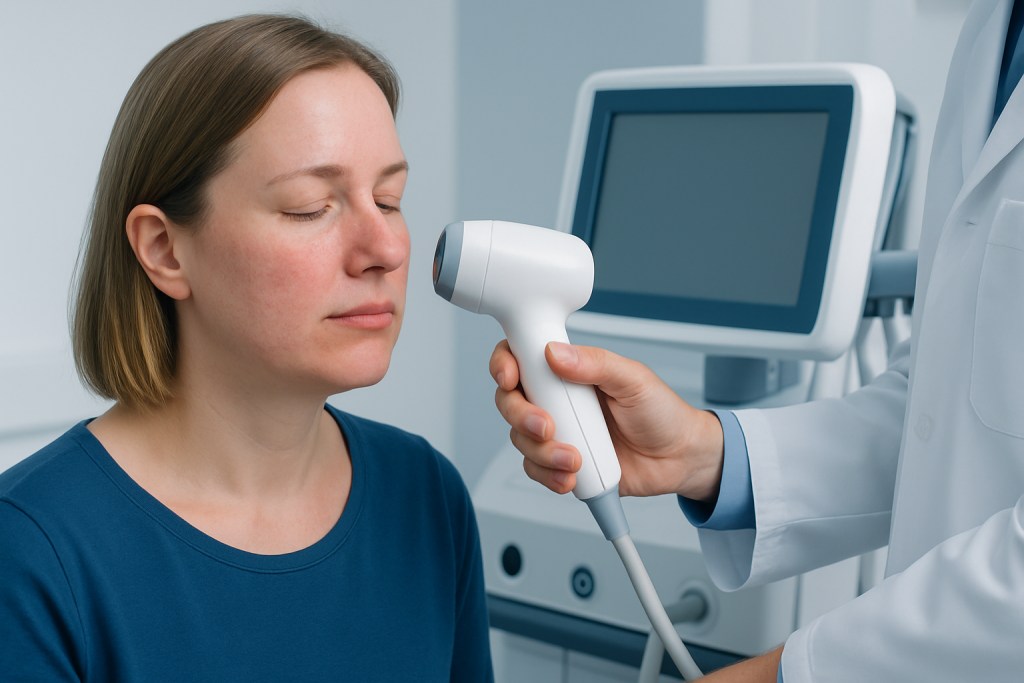
Rosacea does not look the same in every person, but a few features appear again and again. The most recognizable sign is facial redness, especially in the center of the face. Some people also notice frequent flushing after heat, emotion, exercise, or certain foods, while others develop small bumps that resemble acne but do not behave like typical teenage breakouts.
Common symptoms can include:
- Persistent redness on the cheeks, nose, chin, or forehead
- Sudden flushing or skin that becomes hot and blotchy
- Small red bumps or pus-filled bumps
- Visible tiny blood vessels on the skin
- Burning, stinging, or tenderness
- Dryness, roughness, or swelling
- Eye irritation, watery eyes, or a gritty feeling
Some people experience symptoms mainly on the skin, while others notice eye discomfort first. A subset of patients may develop thicker skin over time, most often on the nose, although this is less common. Because rosacea can evolve gradually, people often describe a long period of “my skin just reacts to everything” before the pattern becomes clear.
Causes & Risk Factors
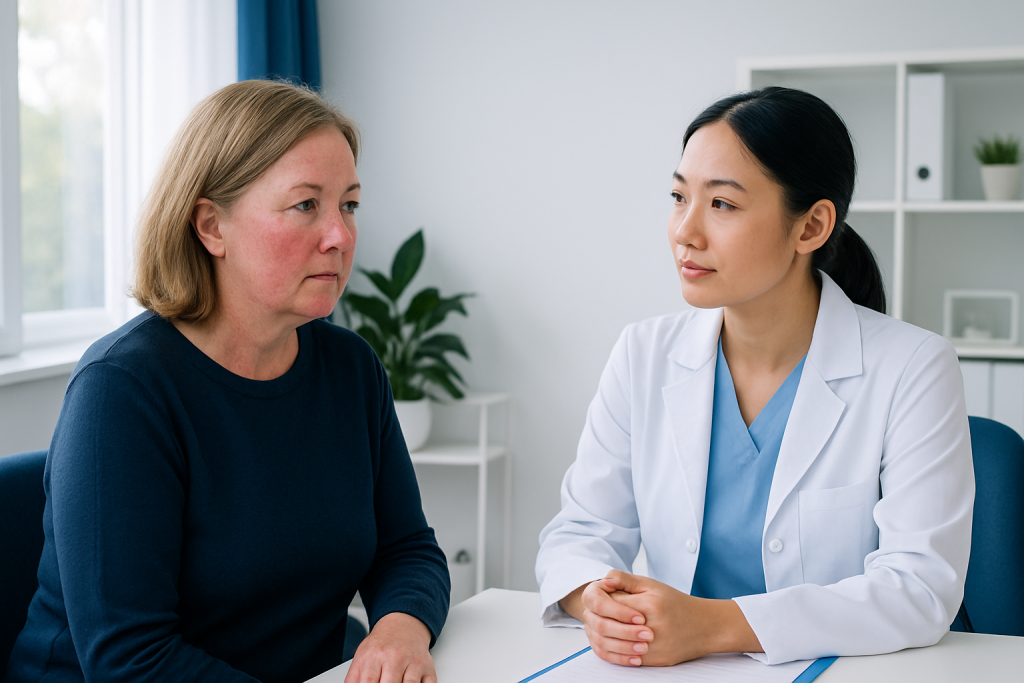
The exact cause of rosacea is not fully known, and it likely reflects several factors working together. Experts believe that overactive blood vessel responses, inflammation, skin-barrier changes, and immune system sensitivity all play a role. In some people, microscopic skin mites may also be associated with inflammation, though they are not the sole explanation.
Certain people appear more likely to develop rosacea. It is commonly seen in adults with fair skin, but it can affect anyone, including men and women and people of many ethnic backgrounds. A family history of rosacea, naturally sensitive skin, and a tendency to flush easily may increase the chance of developing it.
Flare-ups are often linked to triggers rather than one single cause. Common triggers include:
- Sun exposure
- Heat or sudden temperature changes
- Spicy foods
- Alcohol, especially red wine for some people
- Stress or embarrassment
- Strenuous exercise in warm conditions
- Hot drinks
- Harsh cleansers, scrubs, or fragranced products
Because triggers differ from one person to another, a skin diary can be more useful than guessing. This is especially helpful for patients who may be planning travel, since climate, jet lag, and changes in routine can all influence skin behavior.
Diagnosis
Rosacea is usually diagnosed by a dermatologist or qualified doctor through a careful skin examination and a conversation about symptoms. There is no single laboratory test that confirms it. Instead, the diagnosis is based on the pattern of redness, flushing, bumps, visible vessels, and any eye symptoms, along with the absence of signs that point more strongly to another condition.
Because several skin problems can resemble rosacea, a doctor may ask questions to rule out acne, eczema, seborrheic dermatitis, lupus, allergic reactions, or medication-related flushing. If the eyes are affected, an eye specialist may also be involved. In some cases, a skin biopsy is considered when the appearance is unusual or another diagnosis needs to be excluded, but this is not always necessary.
For people seeking care internationally, diagnostic visits may include high-quality clinical photography, medication review, and a discussion about which treatments have already been tried. That helps the care team build a realistic plan, especially if follow-up will happen after the patient returns home.
Treatment Options
Treatment is usually tailored to the type of rosacea and how much it affects daily life. The aim is not only to reduce redness or bumps, but also to lower flare frequency and improve comfort. Many people need a combination approach rather than a single treatment.
Doctors may recommend prescription topical treatments for redness or inflammatory bumps. These can help calm visible inflammation and, in some cases, reduce persistent facial redness. Oral medicines may be used when symptoms are more widespread, when bumps are prominent, or when eye involvement is present. If the eyes are involved, treatment may also include lid hygiene and coordinated ophthalmology care.
For visible blood vessels, persistent redness, or background flushing, certain light-based or laser procedures can be helpful for selected patients. These procedures are typically considered after the skin is stabilized and trigger control is underway. They may reduce the appearance of broken vessels and redness, but they do not replace daily skin care or the need to avoid known triggers.
A treatment plan often works best when it is practical enough to maintain after the patient has left the clinic or returned to another country. That usually means clear written instructions, a simplified routine, and realistic expectations about how long improvement may take.
Prevention & Self-care
Rosacea cannot always be prevented, but flare-ups can often be reduced with a steady routine. Gentle skin care is usually the best starting point. A mild cleanser, lukewarm water, and a fragrance-free moisturizer are often better tolerated than strong exfoliants, alcohol-based products, or harsh scrubs.
Sun protection is especially important. Broad-spectrum sunscreen, hats, shade, and avoiding peak sun hours can help protect sensitive skin from one of the most common triggers. Some people also do better when they keep the face cool during exercise, avoid very hot showers, and choose meals and drinks that do not provoke flushing.
Helpful self-care habits may include:
- Keeping a trigger diary for food, weather, stress, and products
- Introducing new skincare items one at a time
- Avoiding over-cleansing or over-exfoliating
- Using non-comedogenic, fragrance-free products
- Managing stress with routines that are realistic and sustainable
- Following the prescribed plan even when skin looks temporarily better
Patients traveling for treatment should pack the products their skin already tolerates, plus a written list of ingredients to avoid. That small step can reduce the chance of a flare caused by switching to unfamiliar soaps or moisturizers while abroad.
When To See a Doctor
Medical evaluation is advisable when facial redness keeps returning, becomes persistent, or is joined by bumps, swelling, eye irritation, or burning that does not settle with basic care. It is also wise to seek advice if the condition is affecting confidence, work, or social life, since rosacea often has a larger daily impact than people expect from a “skin-only” problem.
A doctor should be seen sooner if the eyes become painful, very red, sensitive to light, or vision changes occur. These symptoms can suggest eye involvement and deserve timely assessment. Similarly, if a rash is unusual, rapidly changing, or not improving with rosacea treatment, the diagnosis may need to be revisited.
People arranging care from abroad should look for a team that can provide a clear diagnosis, treatment guidance, and follow-up plan they can continue at home. At Acibadem Health Point, multidisciplinary specialists and JCI-accredited hospitals diagnose and treat rosacea for international patients with a coordinated approach that supports both treatment and continuity of care.
Living With Rosacea Long Term
Rosacea often behaves like a condition that needs ongoing attention rather than a one-time fix. That does not mean symptoms stay severe. Many people find that once they know their triggers, use appropriate skin products, and follow a tailored medical plan, flare-ups become less frequent and less intense.
It can be helpful to think of rosacea management as a partnership between the person and the care team. The person learns what their skin tolerates, while the clinician helps adjust therapy if redness, bumps, or eye symptoms change over time. This approach is especially valuable when patients are balancing different climates, work schedules, or travel plans.
With a consistent routine and the right medical guidance, rosacea can often be kept under good control. The goal is not perfect skin at all times, but calmer, more comfortable skin that is less reactive to everyday life.
Frequently asked questions
Is rosacea the same as acne?
No. Rosacea can cause small bumps that look like acne, but it is a different condition and often comes with flushing, redness, and skin sensitivity. Because treatments are not always the same, a proper diagnosis matters.
What usually triggers rosacea flare-ups?
Common triggers include sunlight, heat, spicy foods, alcohol, stress, and irritating skincare products. Not everyone reacts to the same things, so keeping a personal trigger diary can be very useful.
Can rosacea go away on its own?
Rosacea usually comes and goes, but it often does not disappear permanently without management. Many people improve significantly with trigger control, gentle skincare, and treatment prescribed by a doctor.
Does rosacea affect the eyes?
Yes, it can. Some people develop eye symptoms such as dryness, redness, burning, or a gritty feeling, and these symptoms should be assessed by a doctor if they persist.
Are lasers or light treatments always needed?
No. They are helpful for some people, especially when visible vessels or persistent redness are a major concern, but many patients first improve with topical or oral medicines and careful skin care.
What should someone do before traveling for rosacea treatment?
It helps to bring a list of current skincare products, medicines, known triggers, and any previous treatments that helped or irritated the skin. A clear follow-up plan is also important so care can continue smoothly after returning home.
References
- American Academy of Dermatology
- National Rosacea Society
- Mayo Clinic
- NHS
- Cleveland Clinic
This article is for general information only and is not a substitute for professional medical advice. Please consult a qualified doctor about your individual situation.
Explore treatments in Turkey — costs, top hospitals & a free quote
JCI-accredited · board-certified surgeons · reply within 24h
Add us as a Preferred Source to see more of our trusted health content across Google Search, AI Overviews and Discover.